
Your cart is currently empty!
Tiny Island With Fewer People Than Cambridge Just Pulled Off World Cup History

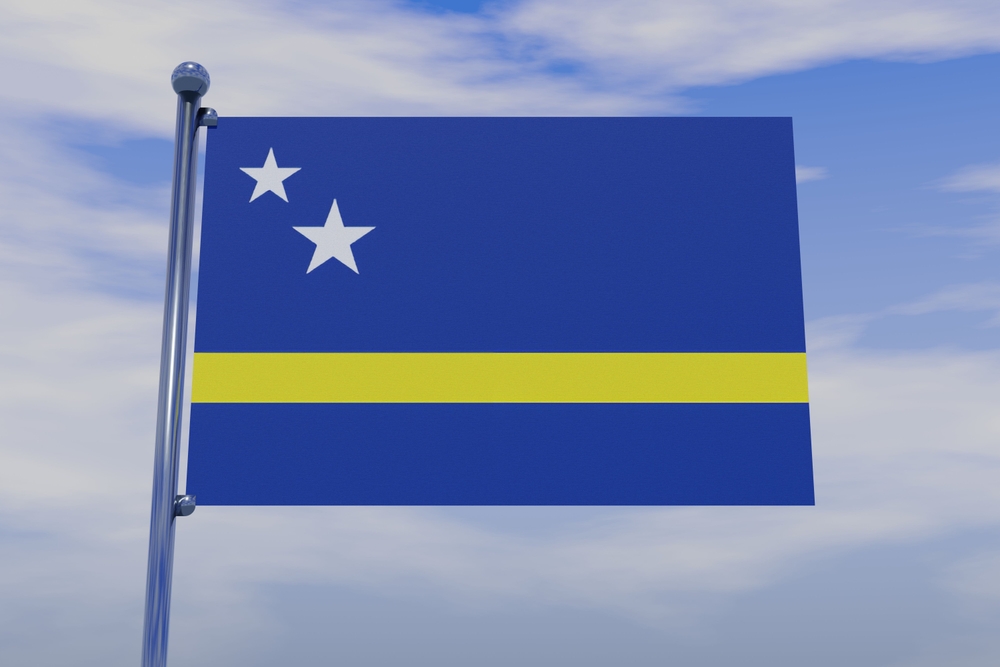
For years, Iceland’s remarkable run to the 2018 World Cup stood as one of football’s most unlikely achievements. A nation of around 350,000 people had managed to reach the sport’s biggest stage and even earned a famous draw against Argentina. That record has now fallen. Curacao, a Caribbean island with a population of just over 150,000 people, has officially become the smallest country ever to qualify for a FIFA World Cup after a dramatic night that ended with celebrations across the island and heartbreak for Jamaica.
Contents
show
The achievement would have sounded impossible not long ago. Curacao only became a separate country within the Kingdom of the Netherlands in 2010 and spent years near the bottom of FIFA’s rankings. A decade ago they sat 150th in the world. Now they are heading to the 2026 World Cup after finishing their qualifying campaign unbeaten. The journey reached its climax in Kingston, where a tense scoreless draw and a late VAR intervention helped deliver one of the biggest football stories of the year.
A Night That Came Down To One Huge Decision
Jamaica entered the final qualifier knowing victory would send them to their first World Cup since 1998. The atmosphere inside the stadium reflected the importance of the occasion, with home supporters expecting their team to seize the moment against a nation with a fraction of their population and footballing resources.
For long stretches the match remained locked at 0-0. Every missed chance increased the tension and every passing minute brought Curacao closer to history. Then, deep into stoppage time, the game appeared to turn dramatically in Jamaica’s favor when referee Ivan Barton awarded a penalty after Curacao substitute Jeremy Antonisse was judged to have fouled Isaac Hayden inside the box.
The celebrations had already started when VAR officials instructed Barton to review the incident. After watching the replay on the pitchside monitor, the referee overturned his original decision. The penalty was cancelled and Curacao’s dream remained alive. Minutes later, the final whistle confirmed what had seemed unthinkable just a few years earlier.

From FIFA Rank 150 To The World Cup
Curacao’s rise has been one of international football’s most impressive success stories. The island sits just 37 miles off the coast of Venezuela and covers only 171 square miles. Despite its small size, the national team has steadily improved over recent years through better recruitment, stronger organization, and a growing connection with players eligible through family heritage.
Their qualifying campaign showed just how far they have come. Across ten qualification matches, Curacao won seven games and avoided defeat entirely. They consistently found ways to grind out results, whether playing at home or away, and gradually established themselves as one of the strongest teams in the region.
The expansion of the 2026 World Cup from 32 teams to 48 has undoubtedly created new opportunities for emerging football nations. Even so, qualification was far from guaranteed. Curacao still had to outperform several established rivals and produce results under pressure. They did exactly that.

Juninho Bacuna Knew How Big This Could Be
Few players understand the significance of the achievement better than midfielder Juninho Bacuna. The former Huddersfield Town, Rangers and Birmingham City player has been one of the faces of Curacao’s recent progress and spoke openly about what qualification would mean for the country.
“It’s crazy and would be one of the biggest things that will happen to Curacao,” Bacuna said before the decisive match.
He also admitted that the possibility of reaching the tournament still felt surreal.
“It’s incredible and amazing. Even a few years ago you would not even think about it.”
“To be personally part of it and to make that dream come true would be incredible.”
For Bacuna, representing Curacao was about more than football. The midfielder previously represented the Netherlands at youth level but chose to commit his international future to the Caribbean nation. One of the biggest motivations was the opportunity to play alongside his brother Leandro Bacuna, who captains the national team.

Dick Advocaat Is About To Break A World Cup Record
Curacao’s qualification has also delivered a remarkable milestone for manager Dick Advocaat. The veteran Dutch coach will become the oldest manager ever to lead a team at a World Cup when the tournament begins next summer.
Advocaat will be 78 years old, surpassing the previous record held by Otto Rehhagel, who was 71 when he coached Greece at the 2010 World Cup. It is another extraordinary chapter in a coaching career that has already stretched across decades and multiple continents.
The Dutchman has managed some of football’s biggest clubs and national teams, including the Netherlands, South Korea, Belgium, Russia, Rangers, Feyenoord, PSV Eindhoven and Sunderland. His reputation brought instant credibility to Curacao’s project and players quickly embraced his demanding approach.
“Everyone knows Dick Advocaat is a big name, he is a big coach and everyone respects him in his decisions and the way he works,” Bacuna said.
“His presence is really important for us as a team and also for the country, and his impact has been really big.”
“We started working with him in qualifying for the Nations League and we saw a growth in the team in the way we worked and the way we fought in games.”

A Squad Built Across Two Continents
One of the most fascinating aspects of Curacao’s success is the makeup of the squad. While the country itself has a relatively small population, many players were born in the Netherlands and qualify through family connections. That relationship has given Curacao access to a much larger talent pool and helped accelerate the development of the national team.
Several members of the squad are familiar names to football fans in Britain. Sheffield United midfielder Tahith Chong, former Manchester United player, is among the most recognizable. The squad also includes players with experience at Middlesbrough, Livingston and Rotherham.
Bacuna believes Curacao’s success is already encouraging more eligible players to join the national team setup. As the country’s profile continues to grow, the attraction of playing at a World Cup could persuade even more young talent to choose Curacao over waiting for opportunities elsewhere.
Next summer, one of the smallest countries on Earth will walk onto football’s biggest stage. For a nation of just 150,000 people, that achievement alone already feels like a World Cup victory.
Caribbean football, CONCACAF, Curacao, Curacao World Cup, Dick Advocaat, FIFA rankings, FIFA World Cup 2026, football news, football records, international football, Jamaica football, Juninho Bacuna, Leandro Bacuna, soccer news, sports news, Steve McClaren, Tahith Chong, World Cup history, World Cup qualification, World Cup qualifiers