
Your cart is currently empty!
Wildflower Strips Attract Pest-Eating Insects and Cut the Need for Pesticides
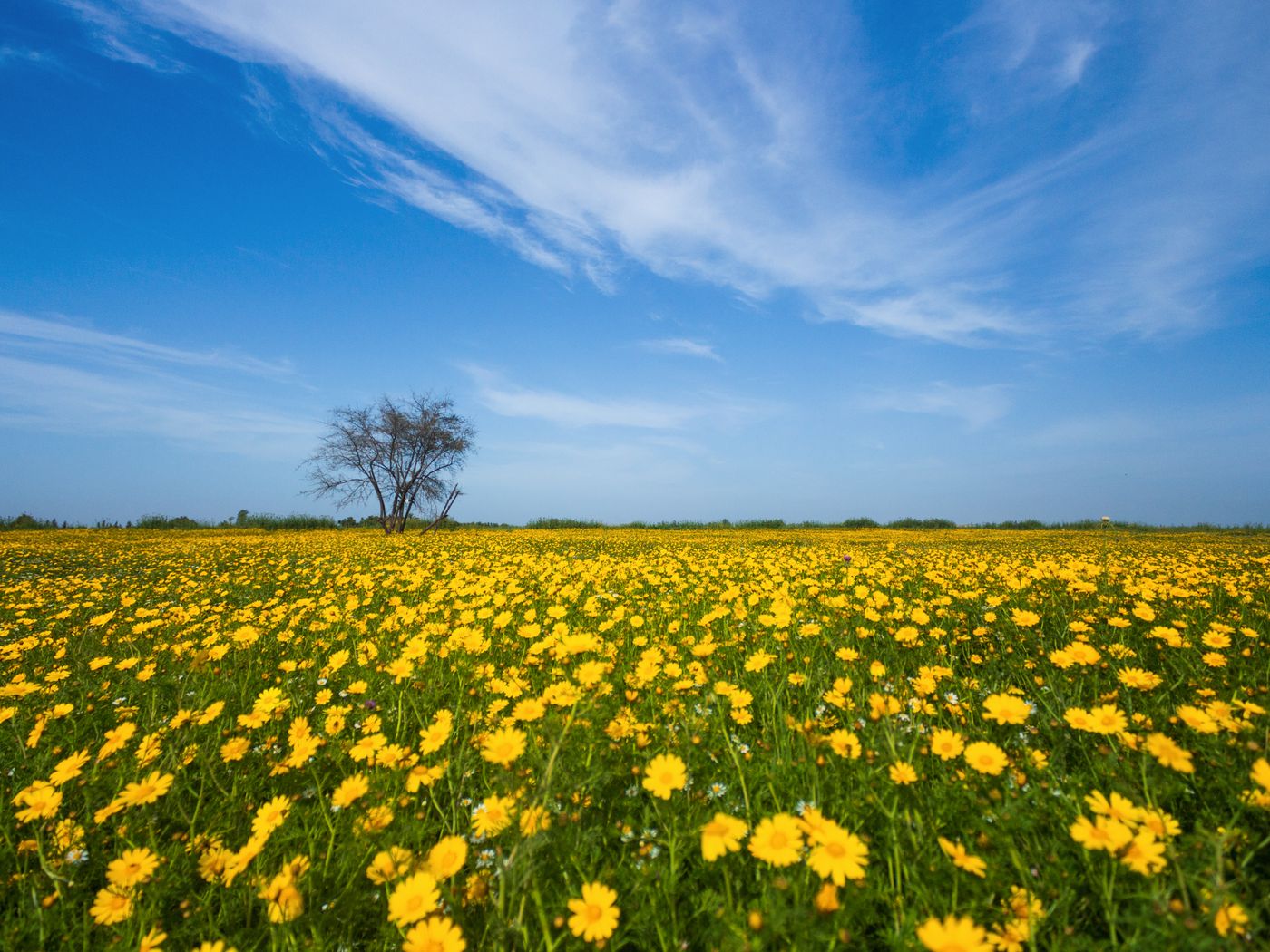
Picture a working farm field cut through with bright ribbons of wildflowers, oxeye daisies and red clover swaying among the crops. It looks like decoration, a pleasant flourish at the margins of serious agriculture. It is, in fact, something closer to a hidden defense system. Those strips of flowers are quietly recruiting an army, and that army is going to work on the very pests that farmers normally fight with chemical sprays.
Contents
show
The idea sounds almost too simple to matter, yet a growing body of research suggests it delivers results that are anything but trivial, both for the health of the land and for a farmer’s bottom line. Just how much these flowers can save, where they need to be planted to work, and why some scientists believe approaches like this represent the future of farming are questions worth examining closely.
How A Strip Of Flowers Becomes A Pest-Control Team
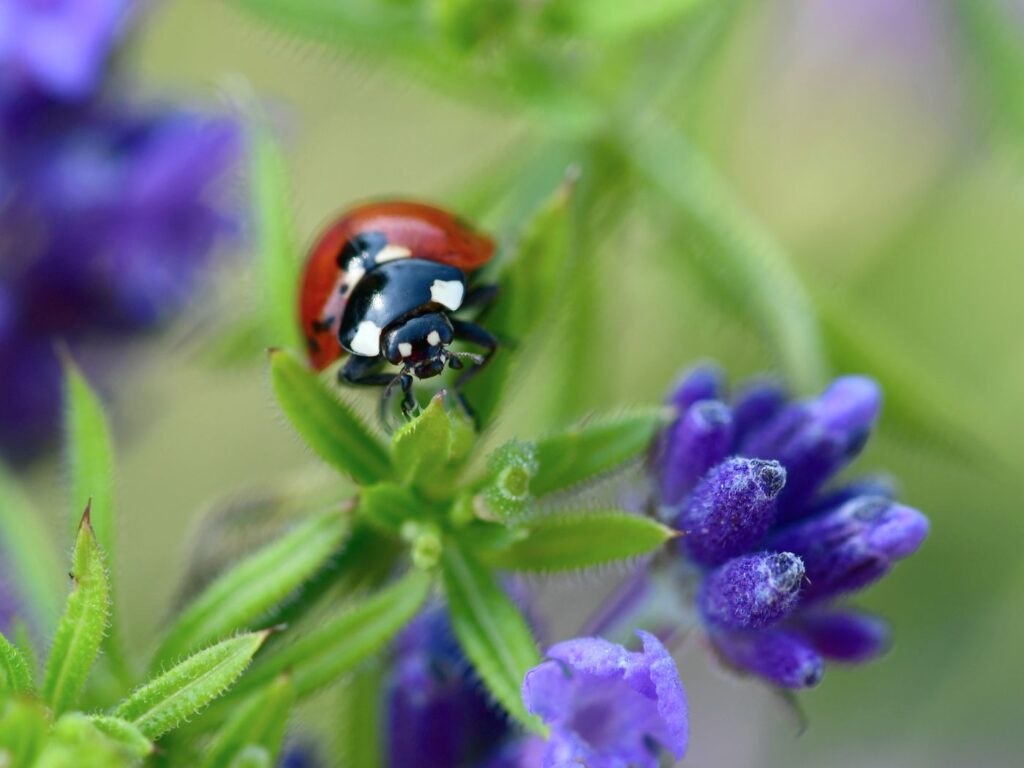
The mechanism behind flower strips is elegant in its simplicity. By planting species-rich mixtures that produce abundant pollen and nectar, farmers create both food and habitat for a particular cast of insects, the natural enemies of crop pests. Ladybirds, hoverflies, lacewings, parasitic wasps, predatory beetles, and spiders all take up residence among the flowers, and from there they hunt the aphids and other pests that damage crops.
This team of natural predators keeps pest populations in check, which in turn means crops can stay healthy with fewer chemical interventions. Rather than reaching for a sprayer at the first sign of trouble, farmers can lean on the ecosystem they have cultivated at the edge of their fields.
“Flowers attract helpful insects that work hard to keep pests under control,” said Dr. Charlotte Howard, lead author of a study from the University of Reading. “Farmers could save money while boosting biodiversity and letting nature do some of the heavy lifting in looking after their crops. There’s still more to learn about all the benefits of planting flower strips.”
That phrase, letting nature do the heavy lifting, captures the appeal of the approach. It asks farmers not to add another input but to harness one that establishes itself, year after year, once the flowers are in the ground.
What Apple Farmers Stand To Save
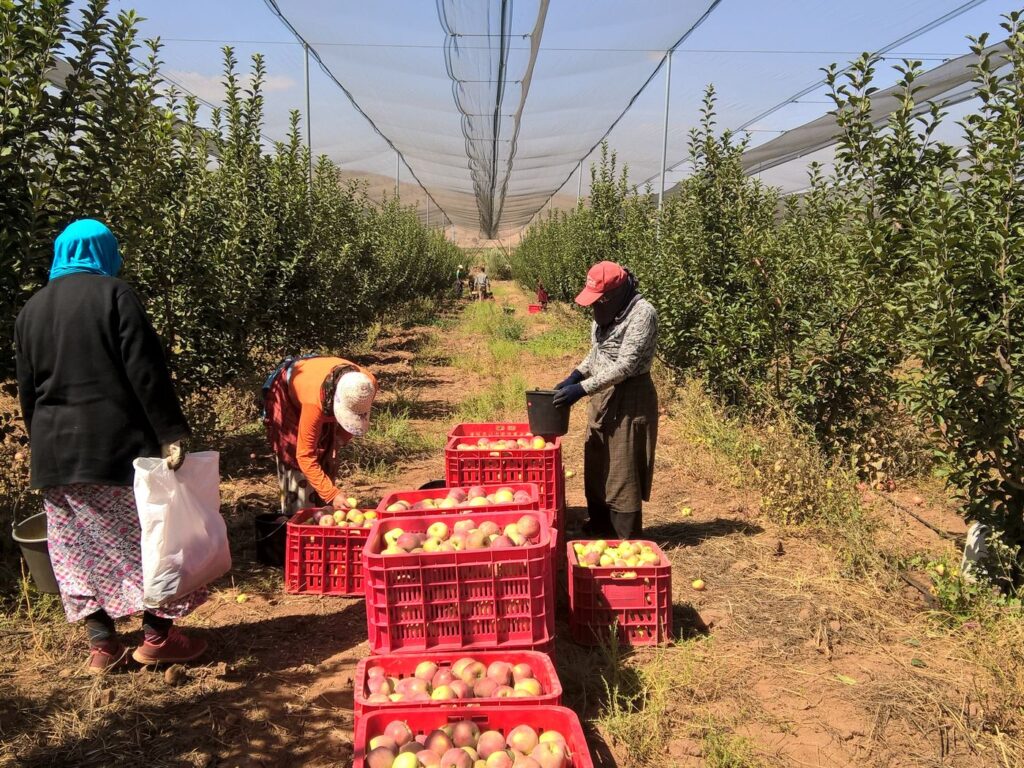
For all the ecological promise, the case that has captured attention is financial. According to a study published in the Journal of Agricultural Economics by the University of Reading and its partners, planting wildflowers in apple orchards could save farmers up to roughly £3,000 per hectare per year, with the modeled figure reaching £2,997 per hectare in years of heavy pest pressure. That research built on earlier Reading work showing that flower strips can reduce damage from rosy apple aphids by up to 32% in bad pest years.
The findings rest on real orchards rather than theory. Researchers studied 10 commercial dessert apple orchards growing the Gala variety in South-East England across two years, comparing those bordered by established flower strips against those with only conventional grass headlands. They counted how many apples were damaged by pests and calculated the savings that came from having fewer ruined fruits.
The standout result is also the most reassuring for cautious farmers. In years with high pest numbers, the strips saved a substantial sum after accounting for their costs. Even in years when pests were scarce, flower strips planted at the edge of orchards still paid for themselves. That detail matters because it suggests the strips are not a gamble that only pays off in disaster years but a steady investment that holds its value across the natural ups and downs of pest pressure.
Why Placement Matters More Than Anything Else
One of the study’s most useful insights concerns not whether to plant flower strips but where. The researchers found that getting the placement right did more to boost orchard profits than other factors, including government payments for planting flowers or how many years the strips lasted before needing to be replanted.
To reach that conclusion, the team modeled three different arrangements. The first placed a flower strip on a grass headland, land at the edge of the orchard that could not be used to grow apples anyway. The second placed a strip on land that could otherwise have produced apple trees, meaning the farmer gave up growing space. The third put a strip in the center of the orchard, again on land that could have grown apples.
The results pointed to a clear logic. A strip on the headland reliably paid for itself, since it occupied otherwise unproductive ground. A strip in the center of the orchard, while it sacrificed growing space, could recoup that opportunity cost by delivering pest control in two directions, benefiting the apple trees on both sides of it. For a farmer weighing whether to dedicate land to flowers, that distinction turns an abstract idea into a concrete decision about layout.
Reaching The Middle Of The Field
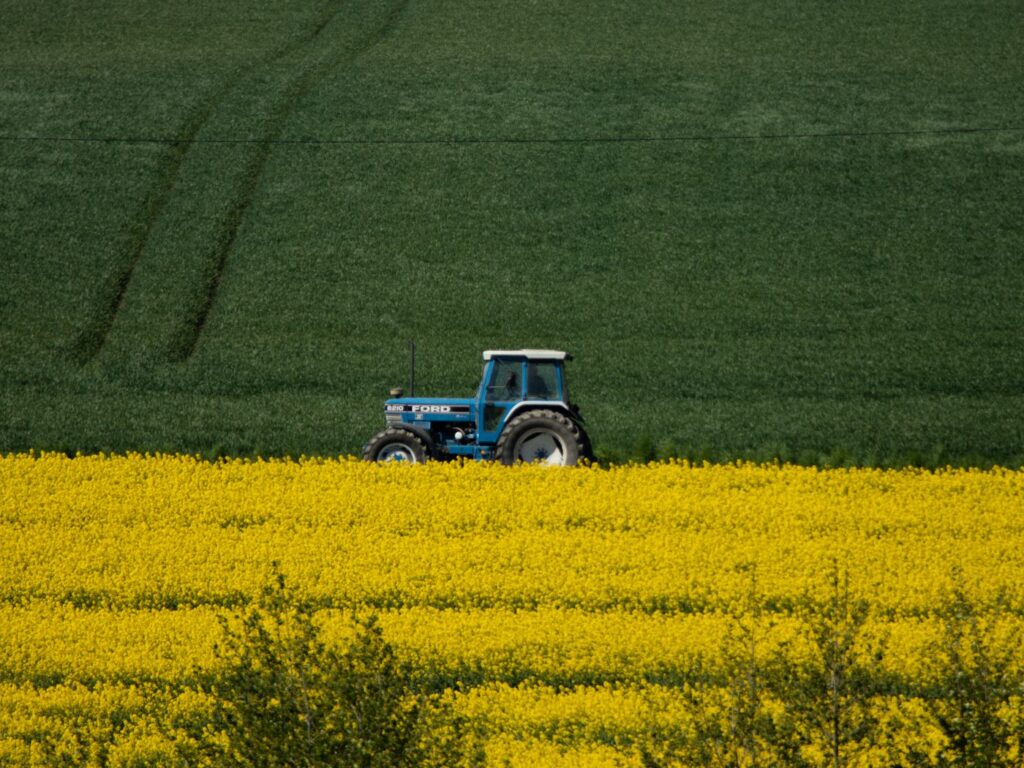
The apple orchard research is only one piece of a larger story, and a separate strand of work has tackled a problem that long limited the usefulness of flower strips on big arable fields. For years, wildflower margins were planted only around the edges of fields, which left the natural predators stranded at the perimeter, unable to reach the crops growing in the middle of large expanses.
Professor Richard Pywell of the Centre for Ecology and Hydrology put the problem in memorably plain terms, noting that for an insect the size of a ground beetle, reaching the center of a field amounts to a very long walk. The solution arrived with modern technology. GPS-guided harvesters can now reap crops with enough precision to steer around strips planted through the middle of fields, allowing those strips to be left in place as refuges all year round.
Pywell’s initial tests showed that spacing strips roughly 100 metres apart lets predators attack aphids and other pests throughout the entire field rather than just at its margins. In one set of trials, the strips were six metres wide and occupied just 2% of the total field area, planted with species including oxeye daisy, red clover, common knapweed, and wild carrot. The trial fields were monitored across a full rotation cycle, moving from winter wheat to oilseed rape to spring barley, to see whether the benefits held up across different crops over time.
A Wider Push Against Pesticide Overuse
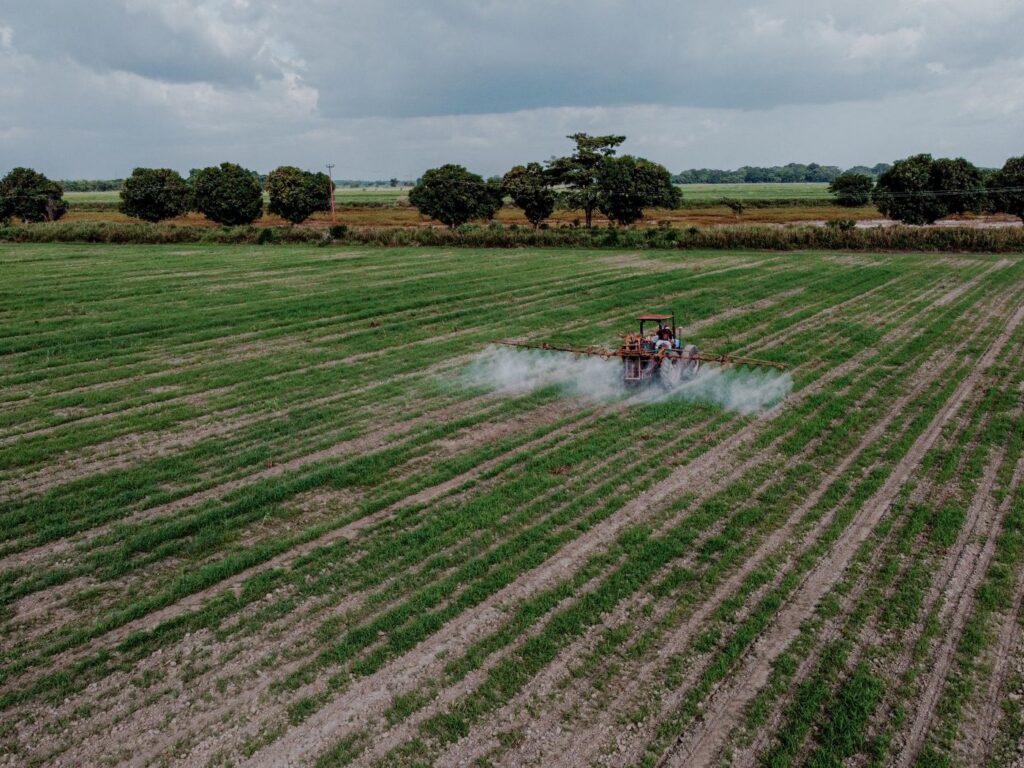
The interest in flower strips is part of a broader reckoning with how heavily modern agriculture leans on chemical pest control. Concern over the environmental damage caused by pesticides has grown sharply in recent years, fueled by research showing that many farmers could cut their pesticide use without suffering losses, and by a United Nations report that rejected the notion that pesticides are necessary to feed the world as a myth. Pywell himself led a landmark 2017 study demonstrating that neonicotinoid insecticides harm bee populations at the level of whole colonies, not merely individual insects.
The ambition behind the flower-strip trials reaches beyond modest reductions in spraying. Pywell has described the goal as keeping pests in check from one year to the next so that major outbreaks never have the chance to build. The ideal outcome, in his framing, would be reaching a point where spraying is never needed at all. Similar field trials are underway in Switzerland, using flowers such as cornflowers, coriander, buckwheat, poppy, and dill, suggesting the approach is being tested seriously across different countries and conditions.
The Honest Caveats Around Pesticides
For all the enthusiasm, the researchers and industry figures involved are careful not to oversell flower strips as a wholesale replacement for pesticides. There are years when chemical control is genuinely necessary, and pretending otherwise would do farmers a disservice.
“There is undoubtedly scope to reduce pesticide use – that is a given,” said Bill Parker, director of research at the Agriculture and Horticulture Development Board. “There will be probably quite a lot of years when pests are not a problem and pesticide use could be vastly reduced. But there will be some years when a particular pest or disease will be extremely important, and those are the times when you really do need the pesticides.”
Parker also pointed to a deeper obstacle, arguing that a major cultural shift is needed in an industry where pesticides are routinely applied, whether or not pests have actually been identified. He noted that much of the crop-protection advice given to UK farmers comes from agronomists tied to companies that profit from selling pesticides, creating a commercial pull toward spraying as a precaution rather than a response to real need.
The economics of flower strips carry their own caveats as well. The benefits vary considerably from year to year depending on pest pressure, and the apple-orchard research found that strips planted on cropland, rather than on a headland, could actually cost a farmer money in low-pest years, when the pest-control gains failed to outweigh the value of the growing space given up. The approach rewards thoughtful placement and realistic expectations rather than blanket adoption.
Beyond Pest Control, The Other Payoffs
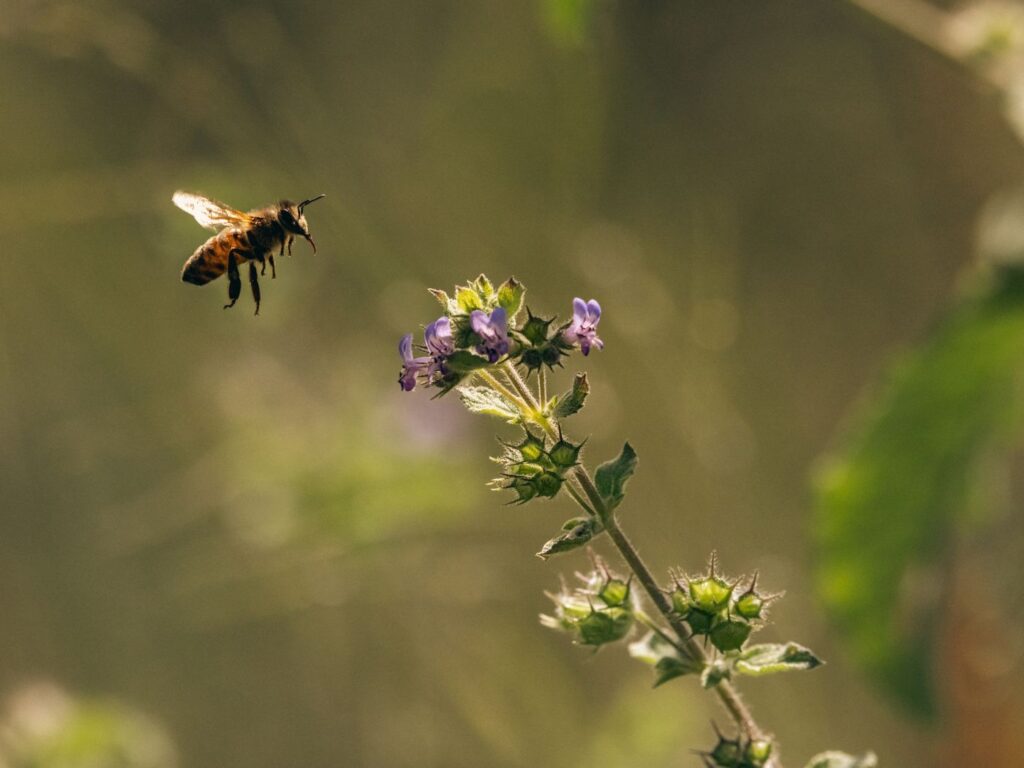
Even where the pest-control math is marginal, flower strips offer a range of additional benefits that strengthen the case for planting them. Beyond suppressing pests, the strips support bees and other pollinating insects, help capture carbon from the atmosphere, protect soil from erosion and flooding, provide for farmland birds, and improve the overall health of the farm environment.
The researchers make a telling point about this wider value. If a full accounting were to include these broader societal and environmental benefits, they might outweigh the opportunity costs even in those cases where pest control alone does not justify the strip. In other words, the narrow financial calculation may understate the true worth of the flowers. To help farmers put the idea into practice, the research teams have created simple guides for planting flower strips on their own land, lowering the barrier to getting started.
How To Plant Wildflower Strips On Your Farm
For farmers ready to try the approach, the practical recommendations are reasonably straightforward. Guidance developed through the DiverIMPACTS project suggests that flower strips should ideally cover between 5 and 10% of arable land, sit less than 100 metres apart, and measure between three and eight metres wide.
The composition of the mixture matters as much as its placement. Strips should consist primarily of native agricultural and wild species, combining annuals, biennials, and perennials with varied flowering times and flower shapes. The aim is to create a continuous flowering relay that supplies pollen and nectar across the entire growing season, ensuring that beneficial insects always have something to feed on rather than facing gaps when nothing is in bloom. Crucially, the right mixture depends on the specific crop, the soil quality, and the local climate, so strips work best when tailored to the conditions of a particular farm rather than planted to a single universal recipe.
A Solution Worth Multiplying
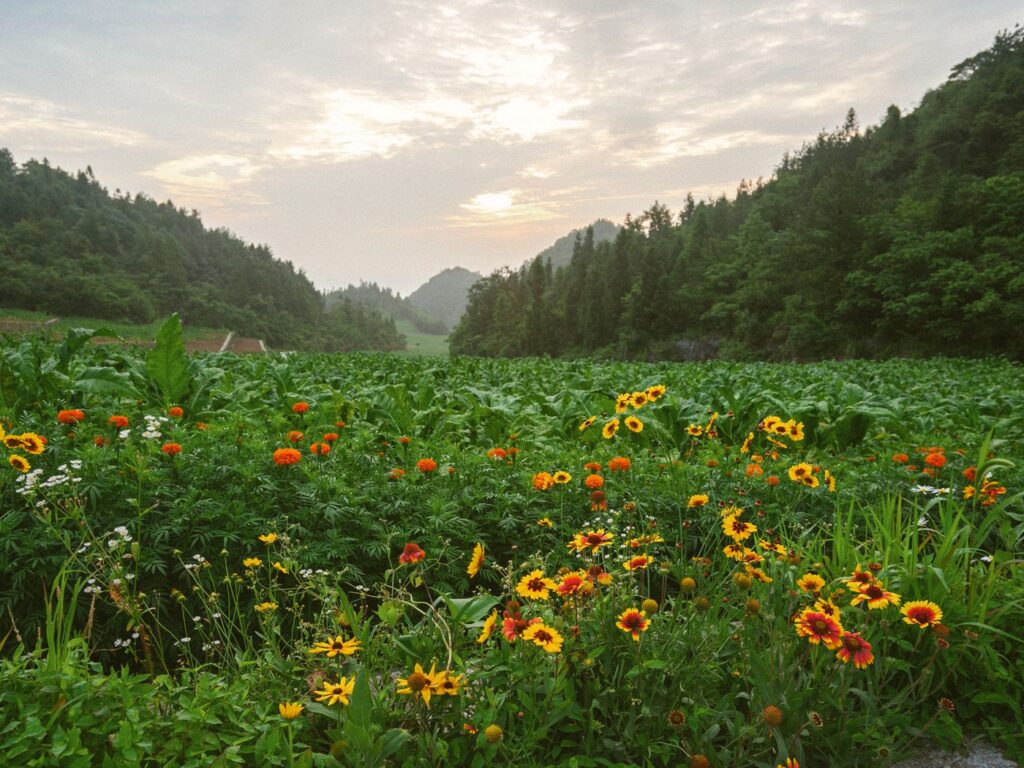
What makes flower strips so compelling is that they pull in several directions at once. They can protect a farmer’s income by reducing crop damage, they support the pollinators and wildlife that intensive agriculture has eroded, and they contribute, in their modest way, to capturing carbon and protecting soil. Few interventions manage to serve the bottom line and the broader environment simultaneously, and fewer still do so by adding habitat rather than chemicals.
None of this makes flower strips a silver bullet. They will not eliminate the need for pesticides, the benefits shift with the severity of each year’s pests, and researchers are clear that more work is needed to fully measure their contributions to pollination, biodiversity, and climate resilience. Yet that honesty is part of what makes the case persuasive. Here is a practical, tested, nature-based tool that delivers real returns while asking very little of the land it occupies. As agriculture searches for ways to feed people without exhausting the ecosystems it depends on, the humble strip of wildflowers stands as a reminder of how much can be gained by working with nature instead of against it. We would do well to pursue many more solutions like this.
Source: Howard, C., Burgess, P. J., Fountain, M. T., Brittain, C., & Garratt, M. P. D. (2025). Perennial flower strips can be a Cost‐Effective tool for pest suppression in orchards. Journal of Agricultural Economics, 76(2), 466–477. https://doi.org/10.1111/1477-9552.12631
agroecology, apple orchards, beneficial insects, biodiversity, biological pest control, farmland biodiversity, flower strips, hoverflies, integrated pest management, ladybirds, Natural pest control, pesticide reduction, pollinators, regenerative agriculture, rosy apple aphid, Sustainable farming, University of Reading, wildflower margins