
Your cart is currently empty!
Why This El Niño Has Climate Experts Deeply Concerned
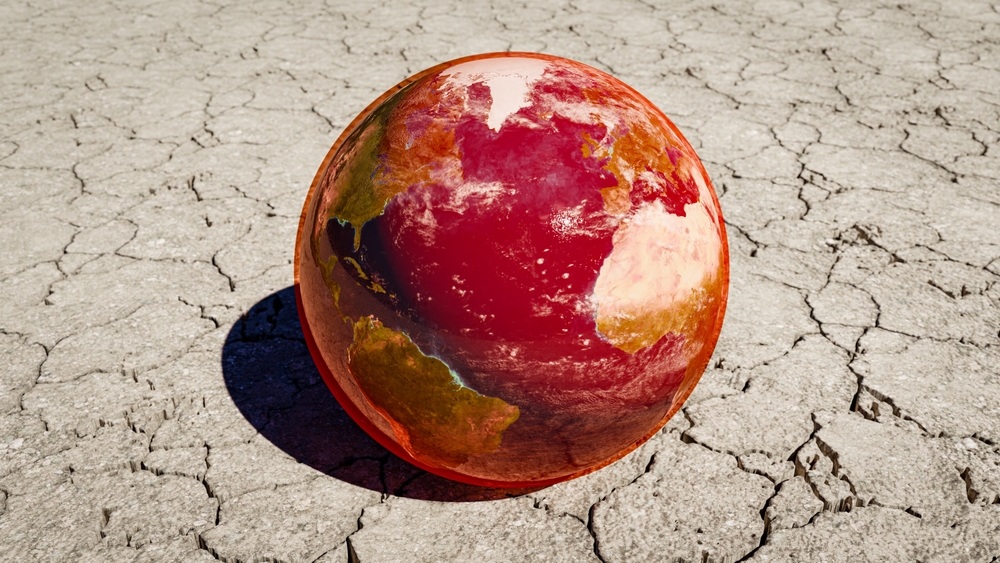
A vast pool of unusually warm water is spreading across the tropical Pacific, and scientists believe it could help drive the planet into another period of extraordinary heat.
Contents
show
The arrival of El Niño is not unusual on its own. The climate pattern has appeared for centuries and typically returns every two to seven years. What has researchers concerned this time is the backdrop against which it is unfolding. The world is already warmer than at any point in modern human history, and a powerful El Niño has the potential to add even more heat to an atmosphere already loaded with greenhouse gases.
Government agencies and climate scientists are warning that the months ahead could bring a combination of rising temperatures, extreme weather, agricultural disruption, and economic stress that reaches far beyond the Pacific Ocean.
El Niño Has Officially Returned

The U.S. National Oceanic and Atmospheric Administration (NOAA) has confirmed that El Niño conditions are now present in the tropical Pacific after sea surface temperatures climbed above the threshold used to define the event.
Scientists monitor a large region of the equatorial Pacific because changes there can influence weather patterns across much of the globe. In recent months, ocean temperatures in that area have risen rapidly. Atmospheric conditions have also begun responding to the warming ocean, providing further evidence that the event is underway.
What has drawn particular attention is the confidence shown by forecasting models.
According to NOAA’s outlook, there is a 63 percent chance that this El Niño will become a very strong event during the late months of the year and into early next year. If that occurs, it could rank among the most powerful El Niño episodes recorded since modern observations began in 1950.
Some climate models suggest temperatures in parts of the tropical Pacific could climb more than 3 degrees Celsius above average.
That would place this event in the same conversation as the historic El Niños of 1982-83, 1997-98, and 2015-16, all of which produced major weather disruptions around the world.
Understanding What El Niño Actually Is
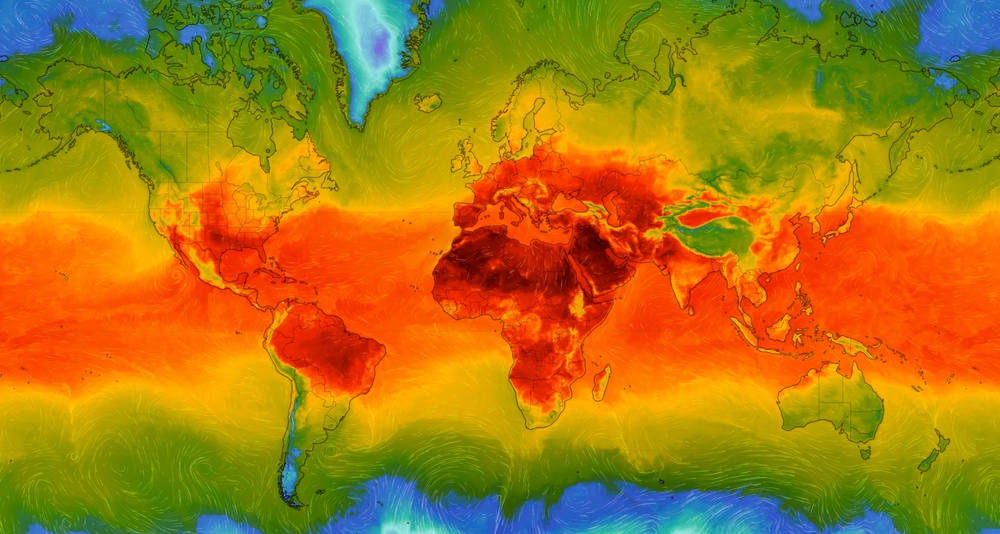
El Niño begins when surface waters in the tropical Pacific Ocean become significantly warmer than normal.
Under ordinary conditions, trade winds push warm surface water westward across the Pacific. This movement allows cooler, nutrient-rich water to rise near South America.
During El Niño, those trade winds weaken. Warm water spreads eastward and accumulates across a much larger area of the ocean.
That shift may seem distant from everyday life, but the Pacific Ocean is one of the most powerful drivers of Earth’s climate system. Changes in its temperature influence rainfall patterns, storm tracks, drought conditions, and temperature extremes across multiple continents.
The warming ocean also releases stored heat into the atmosphere.
Scientists often describe El Niño as a natural transfer of energy from the ocean to the air. That extra energy can alter weather conditions thousands of miles away from where the warming begins.
Historically, strong El Niño events have been linked to severe floods, intense droughts, damaging wildfires, crop losses, and shifts in global weather patterns.
Why This El Niño Is Different
Climate researchers have repeatedly emphasized that this event is arriving in a world transformed by decades of human-driven warming.
Global temperatures have risen substantially since the Industrial Revolution because of greenhouse gas emissions from burning coal, oil, and natural gas. The oceans have absorbed much of that excess heat.
Scientists estimate that the world’s oceans have taken in more than 90 percent of the additional heat trapped by greenhouse gases. As a result, ocean temperatures are already elevated before El Niño adds its influence.
This creates a concerning combination.
A strong El Niño can temporarily raise average global temperatures by around 0.2 degrees Celsius. That increase may sound modest, but on a planetary scale it is significant.
When added to long-term warming trends, the result could push global temperatures into territory never previously measured.
Climate scientist Adam Scaife of the UK Met Office warned that the current El Niño is occurring on top of substantial global warming. In practical terms, that means regions affected by the phenomenon could experience temperatures that surpass historical records.
Many researchers now believe the greatest temperature impacts may be felt in 2027, after the event has had time to transfer more heat from the ocean into the atmosphere.
The Regions Most Likely To Feel The Impact
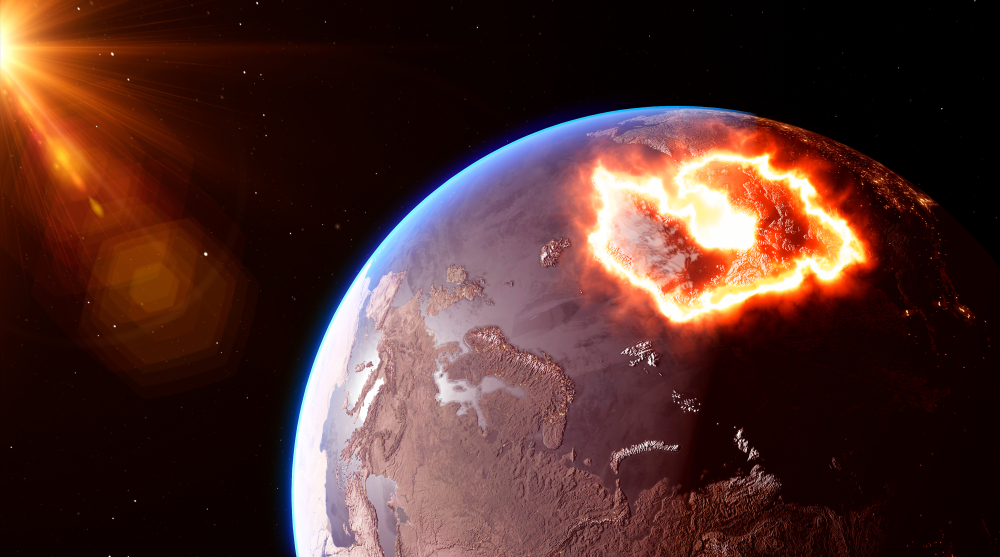
No two El Niño events are identical, but scientists have identified patterns that frequently emerge during strong episodes.
Several regions face increased flood risks.
Northern Peru and parts of Ecuador often experience heavy rainfall during El Niño years. Portions of East Africa can also see above-average precipitation, raising the possibility of damaging floods.
Parts of the southern United States may become wetter than normal as atmospheric circulation patterns shift.
Other areas face the opposite problem.
Australia, Indonesia, and sections of northern South America frequently experience drier conditions during strong El Niño events. Reduced rainfall can create ideal conditions for drought and wildfire.
Agricultural regions are particularly vulnerable because crops depend on predictable weather patterns.
Scientists are also watching South Asia closely. India’s monsoon season can weaken during El Niño years, potentially affecting water supplies, food production, and rural livelihoods.
These regional impacts can combine to create broader consequences for global food markets and commodity prices.
The Threat To Food Production
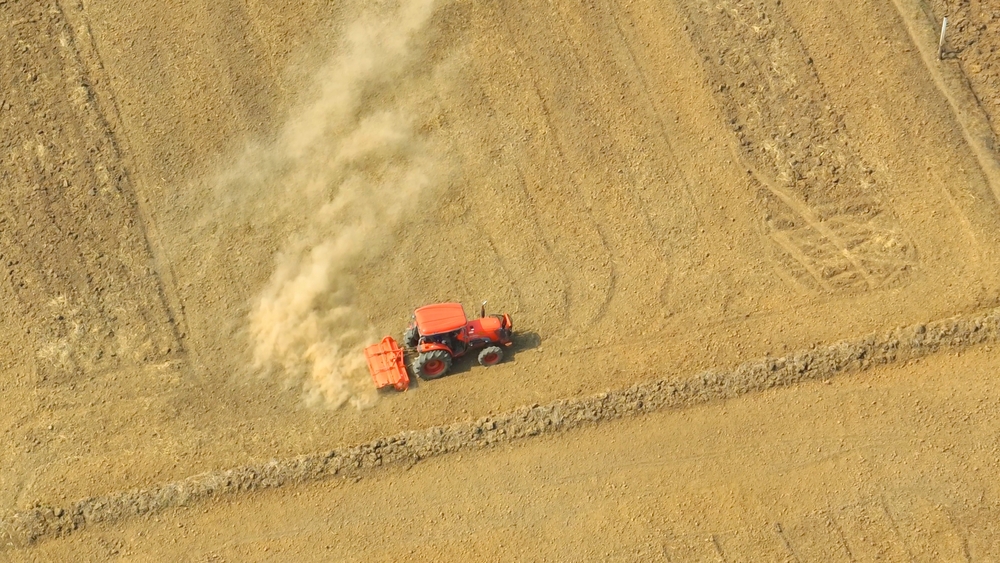
Food systems are among the most sensitive parts of the global economy when weather patterns change suddenly.
Extended drought can reduce crop yields, while excessive rainfall can damage fields, delay planting, and destroy harvests.
Agricultural experts have raised concerns about several regions where El Niño could disrupt production.
Areas of concern include:
- Southern Africa, where drought conditions can threaten staple crops.
- Central America, where reduced rainfall may affect agricultural output.
- South and Southeast Asia, where changes to seasonal rainfall can influence harvests.
- Parts of South America, where flooding and drought can occur in different regions simultaneously.
The consequences often extend far beyond farming communities.
Reduced harvests can tighten food supplies and contribute to higher prices. For lower-income households, even modest increases in food costs can create significant hardship.
Climate advocates in East Africa have warned that communities already dealing with repeated droughts and floods may face additional pressure if El Niño intensifies.
For millions of people, the event is not simply a scientific phenomenon. It is a direct threat to food security and economic stability.
Oceans Under Growing Stress
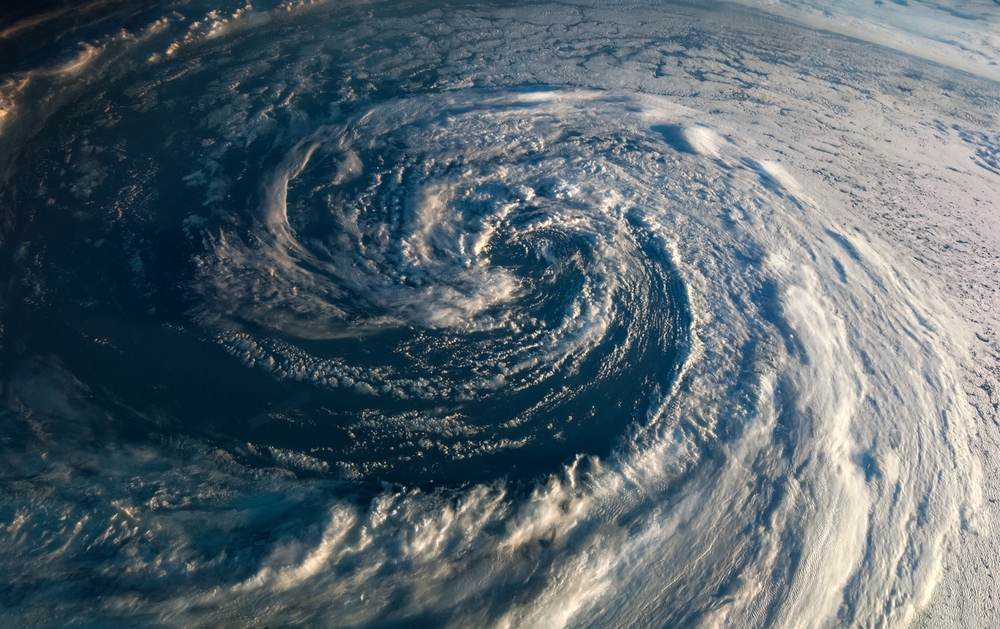
The warming Pacific is only part of a much larger story unfolding beneath the surface of the world’s oceans.
Scientists have documented a rapid increase in ocean heat content during recent years. Large amounts of excess heat continue accumulating in marine environments as greenhouse gas concentrations rise.
Marine ecosystems can suffer when ocean temperatures remain elevated for extended periods.
Warmer waters can trigger marine heatwaves, alter migration patterns, and reduce the availability of nutrients that support fisheries.
One of the classic impacts of El Niño occurs off the coast of South America, where nutrient-rich waters become less accessible to marine life. Fish populations can decline or relocate, creating challenges for fishing industries that depend on predictable ecosystems.
The effects can ripple through food chains and local economies.
Researchers increasingly view ocean warming as one of the clearest indicators of the broader energy imbalance developing within Earth’s climate system.
More heat is entering the system than leaving it.
As long as that imbalance persists, temperatures will continue rising.
The Economic Cost Could Be Enormous
The financial consequences of major El Niño events can persist for years.
Research examining previous strong events found that the 1982-83 El Niño contributed to an estimated $4.1 trillion in global income losses. The 1997-98 event was associated with roughly $5.7 trillion in losses worldwide.
Those figures include damage from floods, droughts, infrastructure disruption, agricultural losses, and reduced productivity.
Economists note that developing nations often bear the greatest burden because their economies are more directly tied to climate-sensitive sectors such as agriculture and fisheries.
A severe El Niño can affect:
- Food prices
- Water availability
- Energy systems
- Transportation networks
- Insurance costs
- Labor productivity
Higher temperatures can also reduce economic output by affecting worker performance and increasing health risks during extreme heat events.
Some researchers have suggested that the current event could become one of the costliest on record if forecasts of unusual strength prove accurate.
A Planet Approaching Critical Thresholds
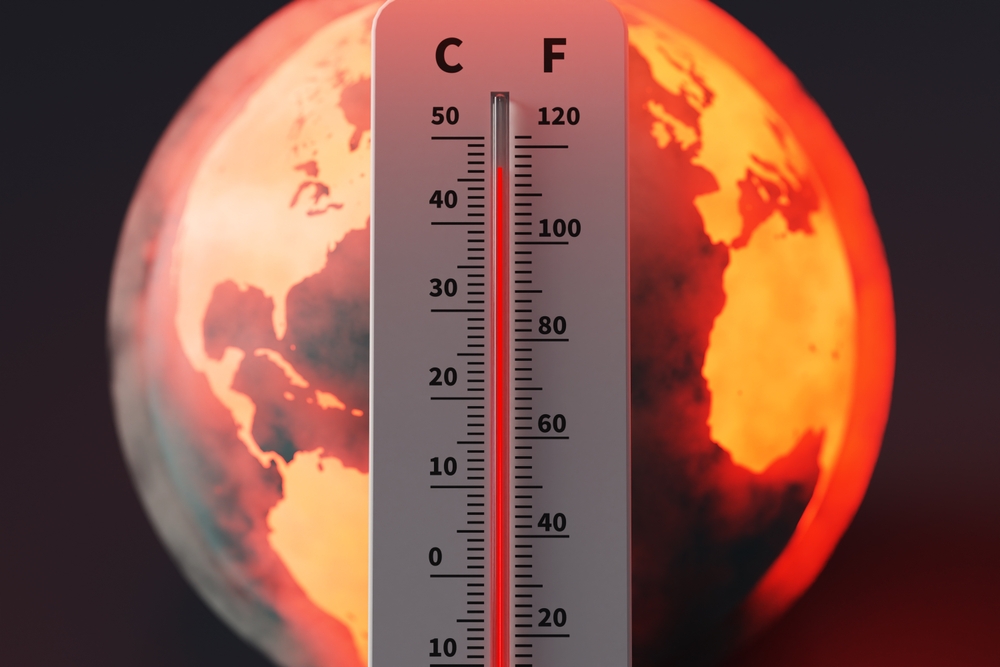
The arrival of El Niño comes at a time when climate scientists are issuing increasingly urgent assessments of global warming trends.
Recent analyses presented at international climate meetings indicate that Earth is warming at one of the fastest rates observed in the modern record.
Scientists warn that the remaining carbon budget associated with limiting warming to 1.5 degrees Celsius is shrinking rapidly.
Crossing that threshold does not mean immediate catastrophe, but it increases the likelihood of more severe heatwaves, stronger rainfall extremes, ecosystem disruption, and rising risks for vulnerable communities.
At the same time, there are signs that climate policies and renewable energy expansion are influencing future emissions pathways.
Several recent assessments have concluded that some of the most extreme warming scenarios once considered possible now appear less likely because of advances in clean energy and shifts in government policy.
That does not eliminate the challenge.
Current projections still place the world on a trajectory that exceeds the goals set under the Paris Agreement unless emissions decline much faster during the coming decade.