
Your cart is currently empty!
Farmers Are Using AI Robots With UV Light To Fight Crop Disease While They Sleep
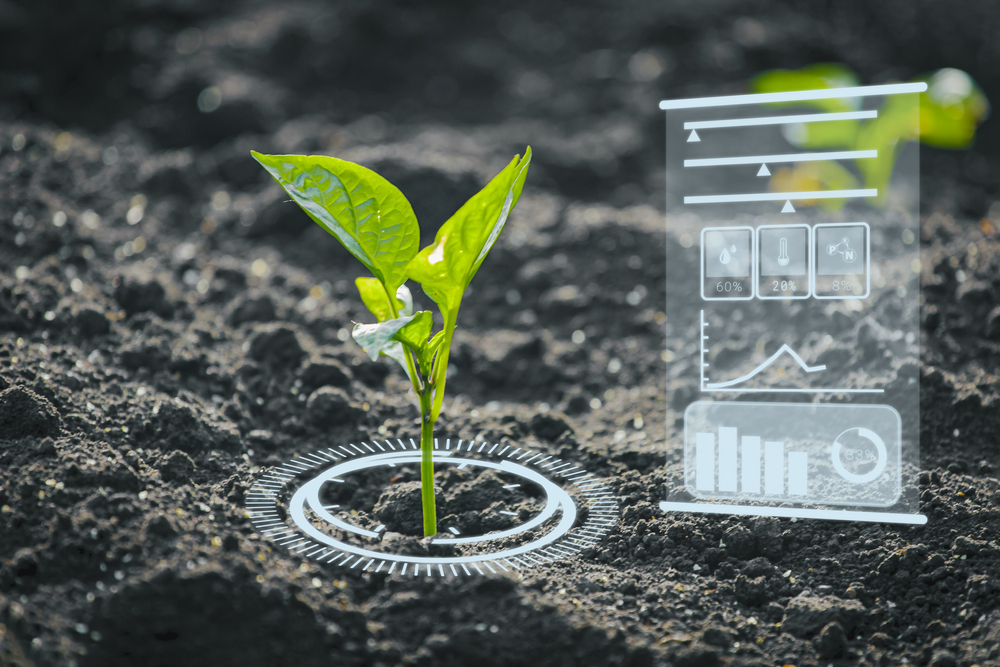
Most people sleep through the night without giving much thought to what is happening on farms miles away from the nearest city. While towns and neighborhoods grow quiet, agricultural operations often continue behind the scenes. Farmers constantly face the challenge of protecting crops from diseases and pests that can spread rapidly if left unchecked. Now, a new generation of technology is changing how that work gets done after dark.
Contents
show
But in some fields, autonomous tractors are quietly moving through rows of crops in complete darkness. They are not spraying chemicals or releasing pesticides into the environment. Instead, these machines use carefully controlled ultraviolet light to target pathogens and pests while crops continue growing undisturbed. Their silent nighttime operation allows them to work efficiently without interfering with daytime farming activities.
It sounds like something from a science fiction movie, yet this technology is already being deployed on farms as growers search for new ways to protect crops while reducing chemical use. As concerns over pesticide resistance, environmental impact, and rising farming costs continue to grow, innovative solutions are becoming increasingly important. These nighttime robots could represent one of the most significant shifts in agricultural practices seen in decades.
The growing interest in these machines reflects a broader movement toward smarter and more sustainable farming. By combining automation with non-chemical crop protection methods, farmers may be able to reduce reliance on traditional treatments while maintaining healthy harvests. As research and adoption continue, these robots could become a familiar sight across agricultural landscapes.
The Robot That Works While Everyone Sleeps
For generations, protecting crops has often meant spraying fields with chemical treatments designed to stop diseases and pests before they could spread. These methods have helped farmers maintain healthy harvests and reduce losses caused by harmful organisms. However, they have also created concerns about environmental impact, long term effectiveness, and increasing costs.
That approach remains common across the world, but it comes with challenges. Some pathogens become resistant over time, making treatments less effective than they once were. At the same time, stricter regulations and growing consumer awareness have encouraged farmers to explore methods that rely less heavily on chemicals.
Enter autonomous UV light tractors. These advanced machines combine robotics, artificial intelligence, and ultraviolet technology into a single system designed to protect crops. Rather than relying on traditional sprays, they use light as a tool to suppress disease and pest activity while operating independently across fields.
These machines move through fields after sunset, shining carefully calibrated ultraviolet light onto crops. The goal is simple yet powerful: destroy harmful pathogens and reduce pest pressure without relying on conventional chemical treatments. By targeting disease-causing organisms directly, farmers may be able to maintain healthier crops while reducing their dependence on pesticides.
Why UV Light Can Be So Effective
Ultraviolet light has been used for decades in hospitals, laboratories, and water treatment systems because of its ability to destroy microorganisms. Its effectiveness against bacteria, fungi, and other harmful organisms is well documented. Scientists have long understood that certain wavelengths of UV light can disrupt biological processes.
When specific wavelengths of UV light strike fungi, bacteria, and other pathogens, they can damage genetic material and prevent those organisms from reproducing. Without the ability to multiply, disease-causing organisms struggle to spread throughout a crop. This makes UV light a potentially powerful tool for reducing disease pressure.
Researchers discovered that this same principle could be applied to agriculture. By exposing crops to controlled doses of ultraviolet light, they found it possible to suppress certain plant diseases. This discovery opened the door to new methods of crop protection that rely less on traditional pesticides.
The timing of treatment is particularly important. Scientists have found that many pathogens are more vulnerable during nighttime hours. This creates an ideal opportunity for robotic systems to perform treatments when conditions are most favorable, resulting in a method that targets disease pressure without leaving chemical residues behind.

The Farming Problems These Robots Are Trying To Solve
Modern farming faces a growing list of challenges that affect productivity, profitability, and sustainability. Farmers must constantly adapt to changing environmental conditions, evolving regulations, and shifting consumer expectations. At the same time, they must protect crops from diseases and pests that threaten harvests.
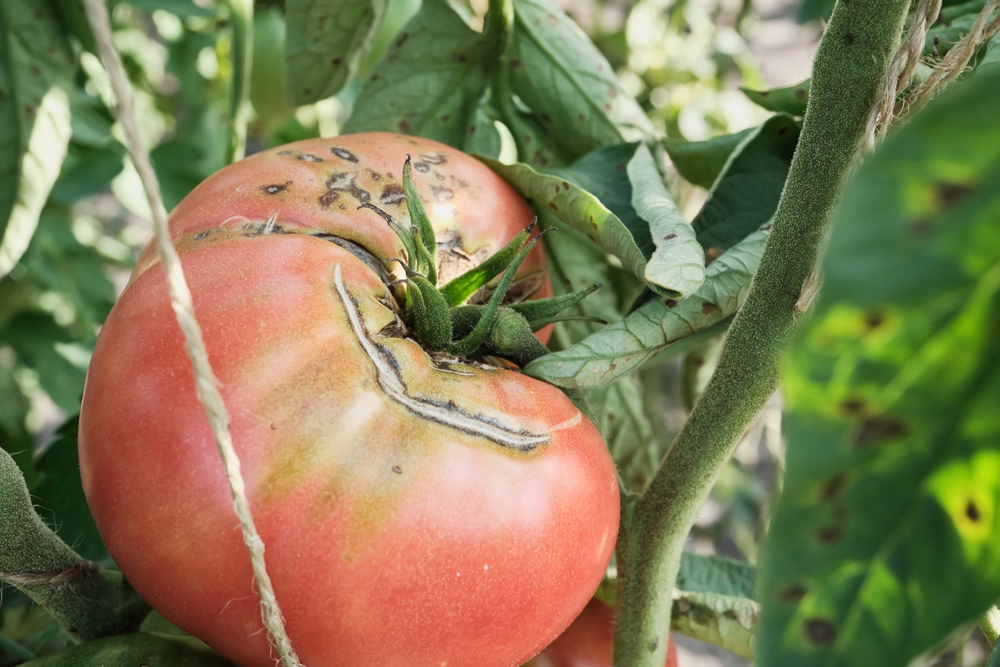
Crop diseases cost farmers billions of dollars every year. Even relatively small outbreaks can reduce yields, lower crop quality, and impact profitability. In severe cases, entire fields may suffer significant losses, making disease prevention one of the most important priorities in agriculture.
At the same time, many pests and pathogens are becoming increasingly resistant to traditional treatments. Products that once worked effectively may require higher doses or more frequent applications to achieve the same results. This trend creates additional costs and highlights the need for alternative approaches.
Farmers therefore find themselves balancing multiple priorities:
- Protecting crops from disease
- Maintaining strong harvests
- Reducing chemical inputs
- Managing operating costs
- Meeting changing consumer expectations
Finding solutions that address these goals simultaneously has not been easy. Technologies like autonomous UV treatment systems have generated excitement because they offer farmers another option that can fit into broader crop management strategies while supporting sustainability efforts.
The Rise Of Autonomous Agriculture
The idea of self driving farm equipment once seemed far removed from reality. For many years, automation was associated primarily with manufacturing and industrial settings. Today, advances in robotics and artificial intelligence are bringing autonomous systems into agriculture.
Automation is now one of the fastest growing sectors in agriculture. Farmers are adopting technologies that help improve efficiency, reduce labor demands, and enhance decision making. These innovations are transforming how crops are planted, monitored, and harvested across the world.
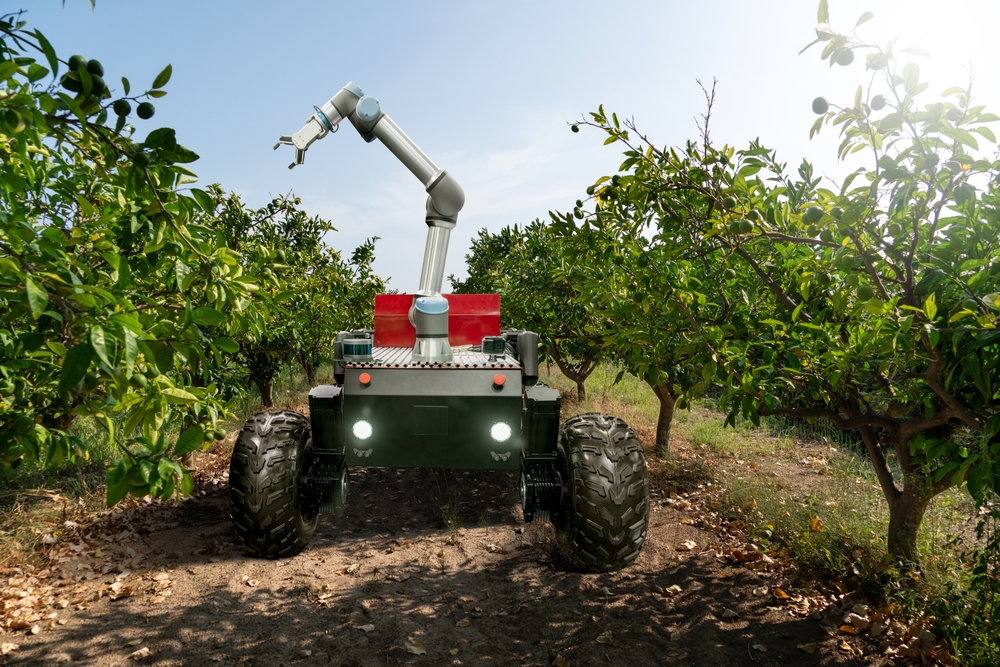
GPS guided tractors, automated irrigation systems, drone monitoring platforms, and robotic harvesters are already helping farmers manage increasingly complex operations. These tools provide valuable data and improve precision across a wide range of tasks. Autonomous UV treatment robots fit naturally within this broader trend.
Unlike traditional farm equipment that requires constant supervision, autonomous systems can operate with minimal human involvement. Routes can be planned in advance, allowing robots to move through fields with remarkable accuracy. Their ability to work throughout the night makes them especially valuable for modern farming operations.
Why Farmers Are Paying Attention
New agricultural technologies often face skepticism because farming is a business where mistakes can be costly. Growers must carefully evaluate whether new tools will deliver meaningful benefits before investing in them. Reliability and effectiveness are critical considerations.
Farmers operate in an environment where weather, pests, and market conditions can quickly affect outcomes. Introducing unproven systems carries risks that many growers are understandably cautious about taking. However, technologies that address real world challenges often gain attention more quickly.
Disease management remains one of the most unpredictable aspects of farming. Weather patterns, humidity levels, and environmental conditions can create opportunities for pathogens to spread rapidly. Having additional tools available allows farmers to respond more effectively when disease pressure increases.
Many growers are also interested in technologies that can support sustainability without sacrificing productivity. Solutions that reduce chemical inputs while helping maintain healthy crops are becoming increasingly attractive. For many farmers, UV robotics represents a promising balance between innovation and practicality.
What Farming Could Look Like In The Future
The sight of glowing robotic tractors moving silently through fields after dark may seem unusual today. For many people, it still feels like a scene from a futuristic movie. Yet technological progress often transforms unusual ideas into everyday realities.
A decade from now, such machines might be completely normal. Farms could routinely rely on autonomous systems to perform a wide range of tasks with minimal human intervention. What seems innovative today may eventually become standard practice.
Agriculture has consistently evolved through innovation. Mechanical tractors replaced animal labor, GPS systems transformed field navigation, and data analytics changed how farmers monitor crops. Autonomous UV treatment could become another important chapter in that ongoing evolution.
Future farms may rely on networks of intelligent machines working around the clock. As global food demand continues to rise, farmers will need solutions that improve efficiency while supporting sustainability. UV robotics may become one of the technologies helping agriculture meet those challenges while protecting crops beneath the stars.