
Your cart is currently empty!
Every Extreme Weather Day Could Be Quietly Raising Your Heart Disease Risk
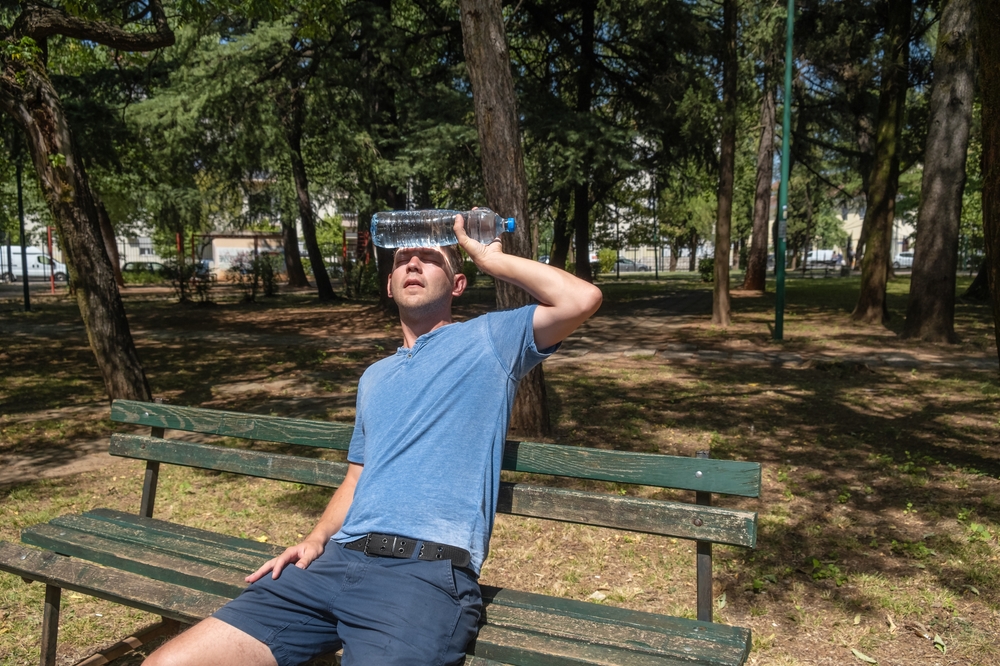
Most people treat a heat wave the way they treat a bad commute, with mild dread, some extra sunscreen, and a plan to stay indoors. Cold snaps get similar treatment. Heavy rain, even less attention. Yet a growing body of medical research suggests that each of these weather events carries a consequence far more serious than discomfort, one that accumulates quietly over time in ways that most patients, and even some physicians, have not fully reckoned with.
Contents
show
A new report published in the American Journal of Preventive Medicine puts hard numbers to that concern. What those numbers reveal about everyday weather and long-term heart health may shift how both patients and clinicians think about cardiovascular risk, and how urgently they act on it.
Heat, Cold, and Rain Each Carry a Measurable Heart Risk
Linjiang Wei, a PhD-level researcher at Xiamen University and one of the study’s primary authors, led an analysis covering 157 Chinese cities over five years, from 2015 to 2020. His team found a consistent, measurable association between extreme weather and cardiovascular disease burden, not as a vague correlation, but as a graduated risk tied to specific temperature and rainfall thresholds.
On any day where temperatures climbed above 100.4 degrees Fahrenheit, an individual’s cardiovascular disease risk rose by about 3%. Cold days at or below 14 degrees Fahrenheit also carried an elevated risk, though at a smaller margin of under 1%. Rain days where precipitation exceeded roughly two inches pushed risk up by nearly 2%.
“Broadly, we found that extreme heat and extreme cold were associated with a higher city-level cardiovascular disease burden across 157 Chinese cities from 2015 to 2020,” Wei told ABC News.
Each figure, taken on its own, may appear modest. Taken together, and considered against a backdrop of rising extreme weather frequency worldwide, they tell a different story, one that becomes harder to dismiss with each record-breaking season.
Climate Change Is Adding More Dangerous Days to the Calendar
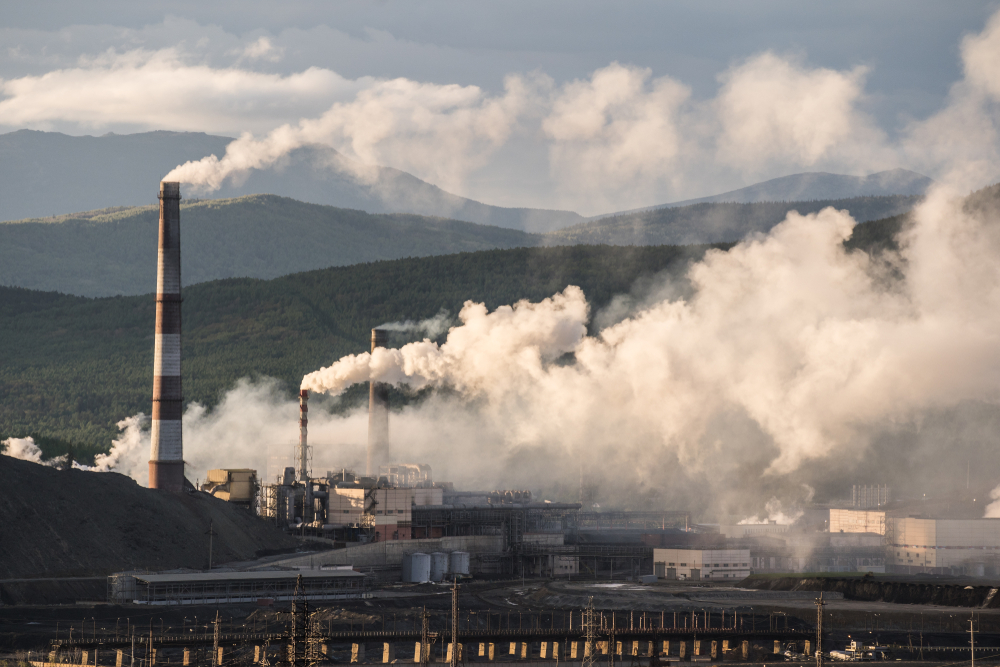
Climate data from 2024 added an alarming layer to these findings. For the first time on record, mean annual global temperatures exceeded 1.5 degrees Celsius above pre-industrial levels. Greenhouse gas emissions hit record highs that same year, even as climate scientists and public health officials called with increasing urgency for meaningful action.
Human-caused greenhouse gas emissions have been destabilizing the planetary systems on which human health depends for decades. What changed in 2024 was the crossing of a threshold that climate scientists had long warned about, one that marked a new phase of measurable consequence rather than a distant projection.
A 2025 Lancet report on health and climate change put a specific number to part of that problem. An estimated 84% of heat wave days between 2020 and 2024 would not have occurred without global warming. Human-caused climate change is not simply making individual weather events more intense. It is multiplying the number of dangerous days per year.
For cardiovascular health, that multiplication effect carries real consequences. A 3% risk increase per extreme heat day may appear manageable in isolation. When cities around the world log more days above dangerous temperature thresholds year after year, population-level cardiovascular risk compounds in ways that standard clinical assessments do not yet fully capture.
Smokers, Rural Residents, and High-BMI Adults Face the Steepest Odds
Wei’s study found that some groups face far greater weather-related cardiovascular exposure than the general population.
Adults below retirement age who smoke, carry a high body mass index, or live in areas with elevated ozone pollution all showed greater vulnerability to weather-related heart risk. Rural residents also faced a higher risk compared to their urban counterparts, a pattern that likely reflects reduced access to climate-controlled environments and healthcare infrastructure.
Geography added another layer. Heat had a stronger measurable impact on cardiovascular outcomes in eastern regions, while cold produced more pronounced cardiovascular effects in western areas. Researchers attributed these regional differences to a combination of climate patterns, baseline population health, and the built environment.
For health systems broadly, these findings raise a question that goes beyond clinical practice. As extreme weather becomes more frequent, areas with strained healthcare capacity and limited infrastructure could face a disproportionate cardiovascular burden that current public health planning does not adequately address.
What Cardiologists Are Saying

Dr. Jennifer Miao, a cardiologist at Yale School of Medicine and an ABC News Medical Unit fellow, placed these findings within a wider medical picture that specialists have watched build for years.
“The link between climate change and cardiovascular risk is certainly well studied,” Miao told ABC News, noting that environmental factors already account for at least one in five of the 20 million annual deaths from cardiovascular disease worldwide.
That figure, one in five cardiovascular deaths, points to something the medical community has long known but which general public health messaging has been slow to reflect. Environmental exposure is not a peripheral footnote in heart disease. It sits near the center of it.
Miao extended that concern beyond cardiology, noting that environmental risk factors also contribute to lung disease and certain cancers. Patients and their healthcare providers, she argued, need to treat environmental exposure as a recognized category of risk across multiple disease types, not just within cardiovascular care alone.
What remains less clear, she acknowledged, is how weather interacts with individual variables, including medications, access to air conditioning, and pre-existing health conditions. Those mechanisms are still under investigation, and the research community has not yet produced a definitive picture of how these factors compound one another.
Population Risk vs. Personal Risk
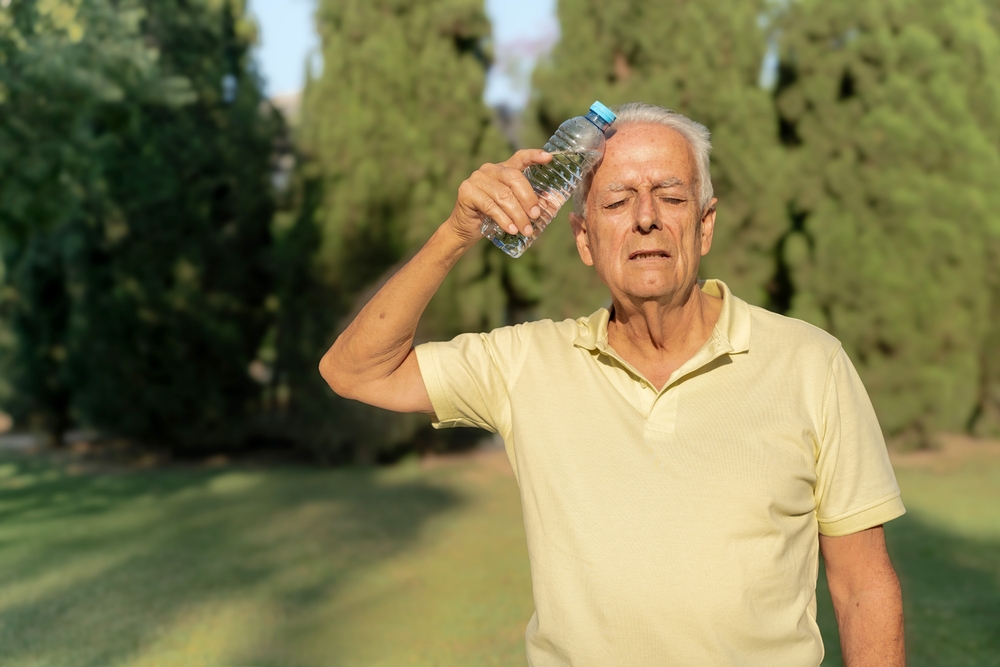
Wei was careful to draw a line between what the data shows at a population level and what any individual patient should take from it.
That distinction matters in clinical settings. Population-level risk shifts do not map directly onto individual prognosis, and reading aggregate data as a personal forecast can generate unnecessary anxiety. At the same time, patients who carry existing cardiovascular risk factors, such as hypertension, high cholesterol, or a family history of heart disease, have reason to take these findings more personally than those in lower-risk groups.
Research into how cumulative, repeated weather exposure affects long-term health outcomes is ongoing. A clearer picture is forming, but it is not yet complete.
Steps for an Uncertain Season Ahead

Stay Hydrated Before You Feel Thirsty: Most people reach for water only after thirst sets in, but during extreme heat or cold, that window can close faster than expected. Wei recommends staying consistently hydrated throughout dangerous weather days rather than responding to thirst as a trigger.
Limit Outdoor Exertion on High-Risk Days: Physical activity carries well-documented cardiovascular benefits, but timing matters. On days flagged as extreme heat or cold alerts, Wei advises avoiding unnecessary outdoor exertion. Morning hours tend to carry lower heat risk during summer periods, while midday and afternoon temperatures typically peak at their most dangerous.
Keep Indoor Temperatures Stable: Rapid shifts between indoor and outdoor temperatures can place sudden demands on the cardiovascular system. Wei recommends keeping indoor environments at a stable, moderate temperature during extreme weather periods.
Have Medications Within Reach: Patients managing existing heart conditions, hypertension, or related cardiovascular risk factors should keep their medications accessible and supplies current ahead of severe weather periods. Running low on a prescription during a heat wave or winter storm creates an avoidable gap in care at precisely the moment when cardiovascular demands may run higher.
Know When to Seek Care: Wei’s clearest instruction is also the most direct. If concerning symptoms appear, including chest discomfort, shortness of breath, unusual fatigue, or heart palpitations during or after extreme weather exposure, patients should seek medical care without delay. Weather events that trigger a 3% rise in population-level cardiovascular risk do not announce themselves with obvious warning signs at the individual level, which makes self-monitoring during high-risk periods all the more important.
Treat Weather Alerts as Health Alerts: Perhaps the most practical takeaway from Wei’s research is a change in how patients interpret weather warnings. A heat advisory or a severe cold alert carries cardiovascular weight, not just logistical inconvenience. Middle-aged and older adults, smokers, those with high BMI, and anyone with a pre-existing heart condition should factor weather alerts into their daily health decisions the same way they would a change in medication or a new clinical diagnosis.
Heart Disease Already Has an Environmental Problem
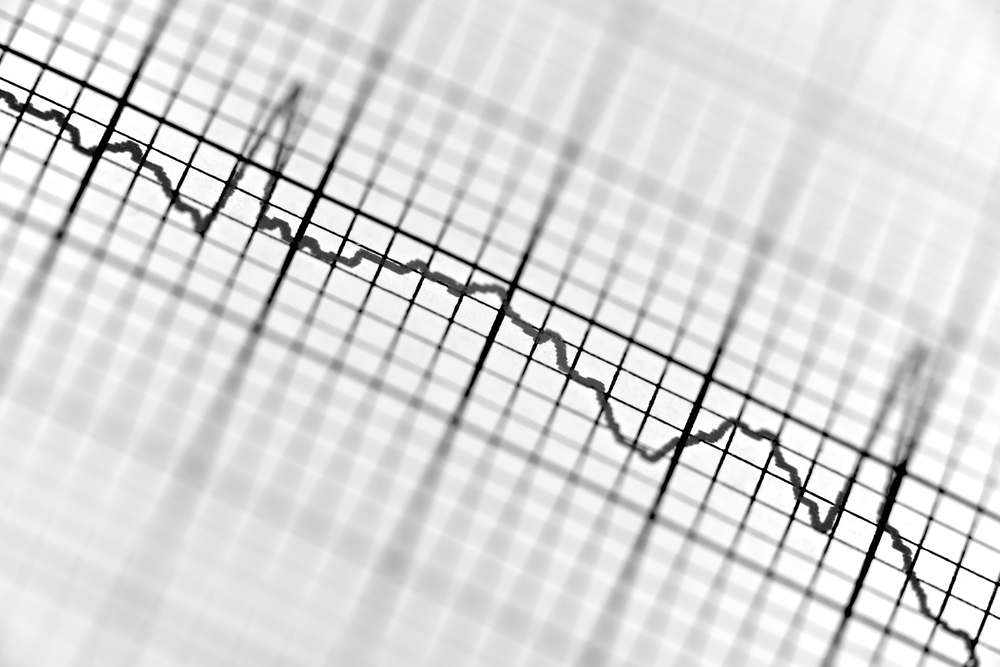
Weather has always been a backdrop to daily life, something people check before choosing an outfit or planning a weekend. What research, as Wei’s asks, with growing insistence, is whether that framing is still adequate.
Heart disease already claims roughly 20 million lives each year. Environmental factors account for at least one in five of those deaths, a share that Dr. Miao and her colleagues at Yale consider well-established within the cardiology community. Add to that a climate picture in which 84% of heat wave days between 2020 and 2024 would not have existed without human-caused global warming, and the scale of what lies ahead becomes harder to set aside.
None of this asks patients to live in fear of a hot afternoon or a cold morning. Wei was clear on that point. A single extreme weather day does not sentence anyone to a cardiac event. What it does, repeated across weeks and seasons and years, is quietly shift the odds in ways that accumulate well below the threshold of awareness.
As global temperatures continue to rise and record-breaking weather days become a routine rather than a rarity, treating the forecast as a health bulletin may be one of the more accessible and consequential habits a person can build. Science is catching up to what the climate has already set in motion. Personal awareness, at this point, is one of the few things that can keep pace.
Source: Romanello, M., Walawender, M., Hsu, S., Moskeland, A., Palmeiro-Silva, Y., Scamman, D., Smallcombe, J. W., Abdullah, S., Ades, M., Al-Maruf, A., Ameli, N., Angelova, D., Ayeb-Karlsson, S., Ballester, J., Basagaña, X., Bechara, H., Beggs, P. J., Cai, W., Campbell-Lendrum, D., . . . Costello, A. (2025). The 2025 report of the Lancet Countdown on health and climate change: climate change action offers a lifeline. The Lancet, 406(10521), 2804–2857. https://doi.org/10.1016/s0140-6736(25)01919-1
cardiology research, cardiovascular risk, climate change 2025, climate change health, environmental health, extreme cold heart risk, global warming health effects, heart disease prevention, heart disease risk factors, heart health tips, heat wave health risks, public health, weather and health, Xiamen University study, Yale School of Medicine