
Your cart is currently empty!
Japanese Fans Stay Behind After World Cup Thriller And What They Did Next Left People Stunned

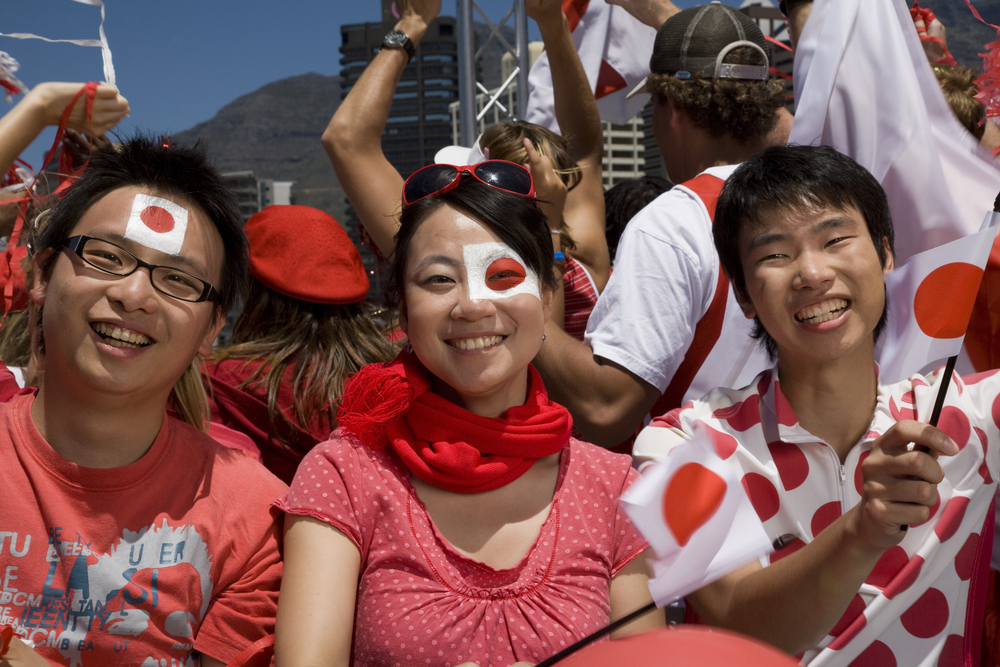
A thrilling World Cup clash between Japan and the Netherlands produced four goals, a late equalizer, and plenty of drama on the field. Yet by the end of the night, one of the most talked-about moments had nothing to do with football. While thousands of supporters poured out of the stadium after the final whistle, a group of Japanese fans remained in the stands, quietly collecting trash and cleaning up the areas where they had been sitting throughout the match.
Contents
show
Videos of the cleanup quickly spread across social media, drawing praise from viewers around the world. The scenes felt familiar to many football fans who remembered similar moments during previous international tournaments, but they were no less striking this time around. In an era when viral moments are often driven by controversy or confrontation, these supporters attracted global attention through a simple act of responsibility that has become deeply rooted in Japanese culture.
Fans Turn Heads After The Match Ends
The cleanup effort began shortly after the final whistle at Dallas Stadium, where Japan and the Netherlands had just played out an entertaining 2-2 draw in their opening Group F match. As many spectators made their way toward the exits, Japanese supporters moved through the seating sections carrying bags and collecting bottles, food containers, and other discarded items left behind in the stands.
The scenes were captured by fans and media members who shared videos online. Within hours, the clips had been viewed by millions of people across multiple social media platforms. Many viewers expressed admiration for the supporters, pointing out that cleaning up after large sporting events is rarely something fans volunteer to do.
The attention was amplified by the fact that this was not an organized campaign or stadium initiative. The supporters simply treated the cleanup as a normal part of attending the match. There were no announcements encouraging the effort and no expectation of recognition. For those involved, it appeared to be a natural extension of values they had practiced long before arriving at the World Cup.
The images stood out because they offered a different kind of sports story. Instead of focusing on rivalries, celebrations, or controversy, the footage showed thousands of people sharing a public space and a small group taking responsibility for leaving it in good condition.

Jameis Winston Joins The Effort
One of the most widely shared clips from the evening featured New York Giants quarterback Jameis Winston, who is working with FOX as part of its World Cup coverage. Rather than simply observing the cleanup, Winston was seen actively helping Japanese supporters collect litter from the stands.
The moment quickly gained traction online. Football fans who tuned in for World Cup content were surprised to see an NFL quarterback participating in an impromptu cleanup effort after the match. His involvement added another layer to a story that was already generating widespread attention.
Winston’s appearance in the viral footage also helped introduce the tradition to viewers who may not have been familiar with it. For many sports fans in North America, the sight of supporters cleaning an entire section of a stadium remains unusual. Seeing a recognizable athlete take part only increased curiosity about why Japanese fans continue the practice.
The clip became one of the defining images from the day, showing people from different countries and sporting backgrounds working together on a task that had nothing to do with the final score.
The Tradition Begins Long Before The World Cup
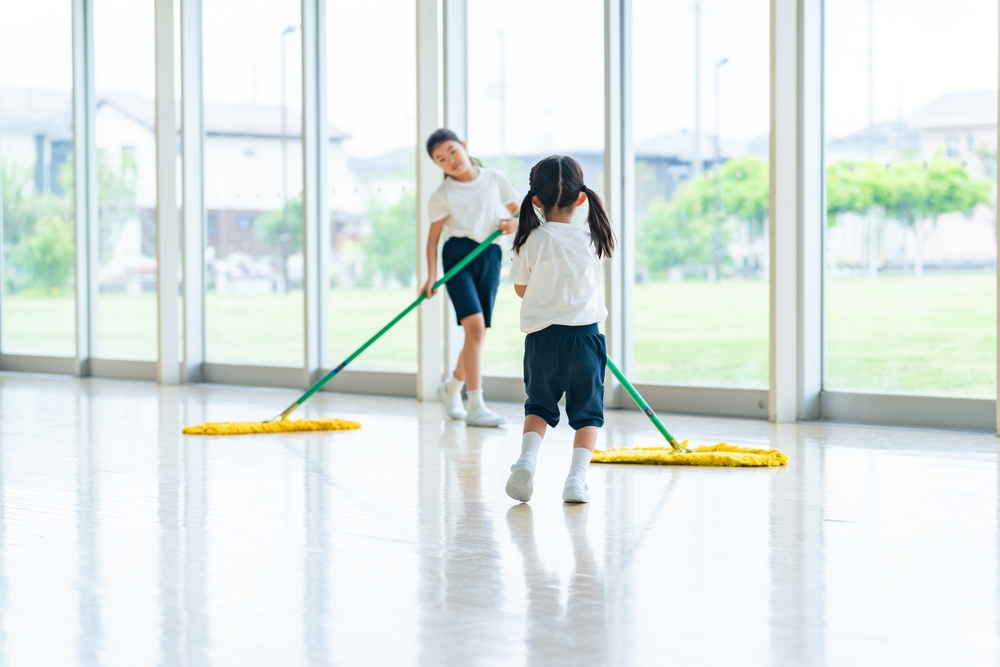
The habit of cleaning up after sporting events is connected to a broader cultural philosophy that many people in Japan learn from an early age. Rather than viewing cleanliness as someone else’s responsibility, children are often taught to care for shared spaces themselves.
That philosophy is reflected in a Japanese phrase that has become closely associated with the tradition: “Tatsu tori ato wo nigosazu.” The expression translates to “return it the way you found it.”
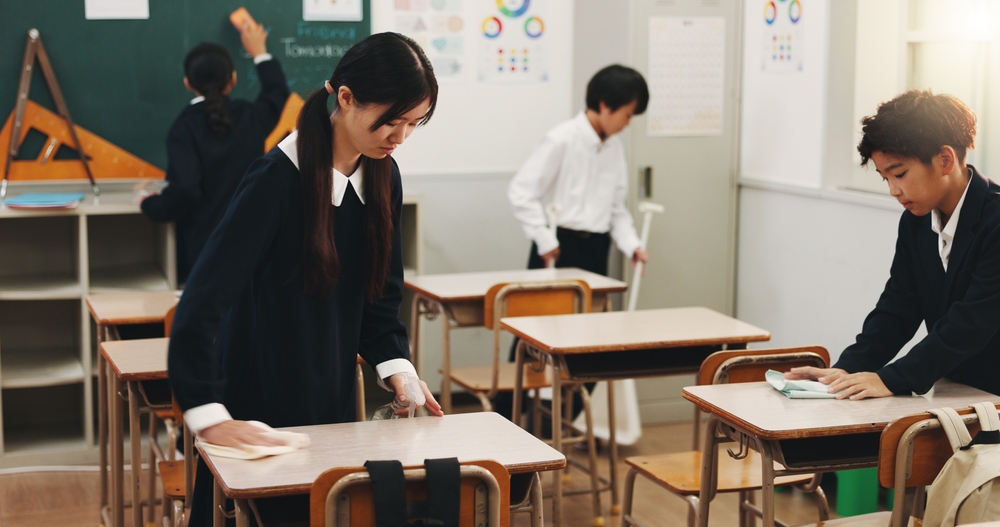
The lesson is introduced to many students during elementary school, where children are often expected to help clean classrooms, hallways, cafeterias, and other common areas. These routines help reinforce the idea that public spaces belong to everyone and should be respected accordingly.
As those students grow older, the habit frequently carries into other areas of life. Whether attending a concert, a sporting event, or a community gathering, cleaning up after oneself is viewed by many as a basic responsibility rather than an exceptional gesture.
Experts Say The Behavior Reflects Everyday Values
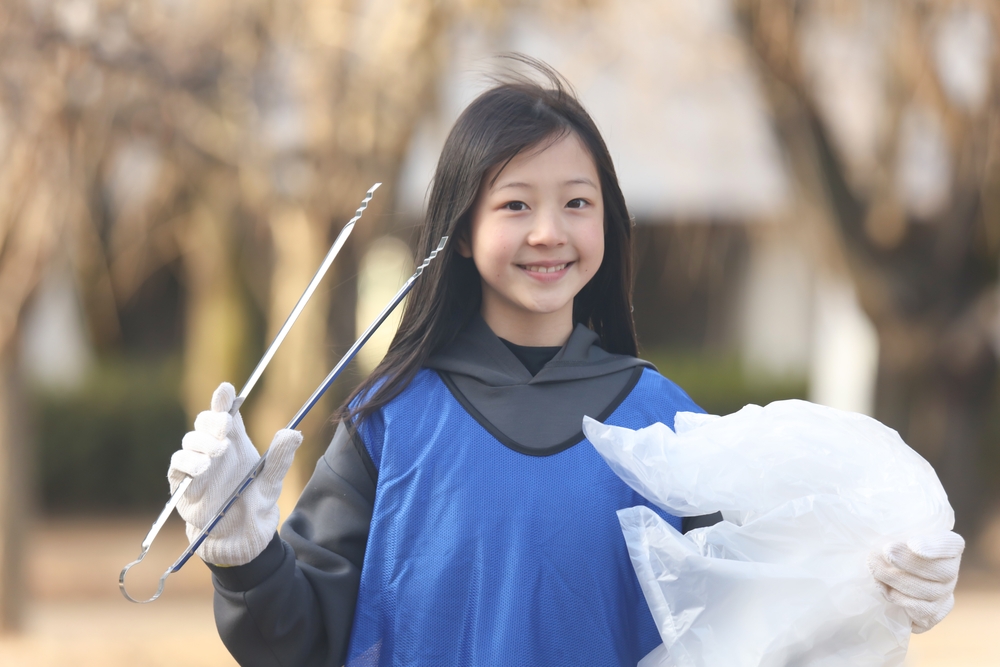
Observers have often pointed to Japan’s education system and social norms when explaining why these scenes continue to emerge at international events. What appears remarkable to foreign audiences is often considered routine behavior within Japanese society.
Koichi Nakano, who teaches politics and history at Sophia University, explained the connection between sports culture and everyday habits when discussing the phenomenon.
“Japanese sports fans at world events who clean up the stadium are behaving much the same way they did when they learned how to enjoy sports as school boys and girls,” Nakano said.
His observation helps explain why the practice has remained consistent across generations. Supporters are not adopting a special behavior for international tournaments. Instead, they are bringing familiar routines into a different environment.
That continuity is one reason the scenes continue to resonate globally. The cleanup is not a publicity effort or a temporary trend. It reflects values that many participants have carried with them throughout their lives.
A Tradition That Captured Attention In Qatar
Many football fans first became aware of the cleanup tradition during the 2022 World Cup in Qatar. Japanese supporters repeatedly made headlines after staying behind to collect trash following matches, regardless of whether their team won or lost.
The images from Qatar spread around the world and became some of the tournament’s most memorable off-field moments. Supporters were praised by fans, journalists, and tournament officials who were impressed by the effort.
What made the scenes particularly notable was their consistency. The cleanup happened after multiple matches and appeared to be embraced by supporters of all ages. The behavior seemed less like a planned activity and more like a normal expectation shared among those attending the games.
The latest scenes from Dallas suggest that little has changed since then. Years later, Japanese supporters continue to arrive at major sporting events with the same mindset and the same commitment to leaving spaces cleaner than they found them.

Japan’s Resilience Matched The Energy In The Stands
The actions of the supporters were matched by a determined performance from the Japanese national team. After a scoreless first half, the match suddenly burst into life as both teams traded goals in an entertaining second period.
The Netherlands twice moved in front through goals from Virgil van Dijk and Crysencio Summerville. On both occasions, however, Japan found an answer and refused to let the game slip away.
Their persistence paid off in the closing minutes when Daichi Kamada scored with an 88th-minute header to secure a dramatic 2-2 draw. The late equalizer ensured Japan left Dallas with a valuable point in a group that could prove highly competitive.
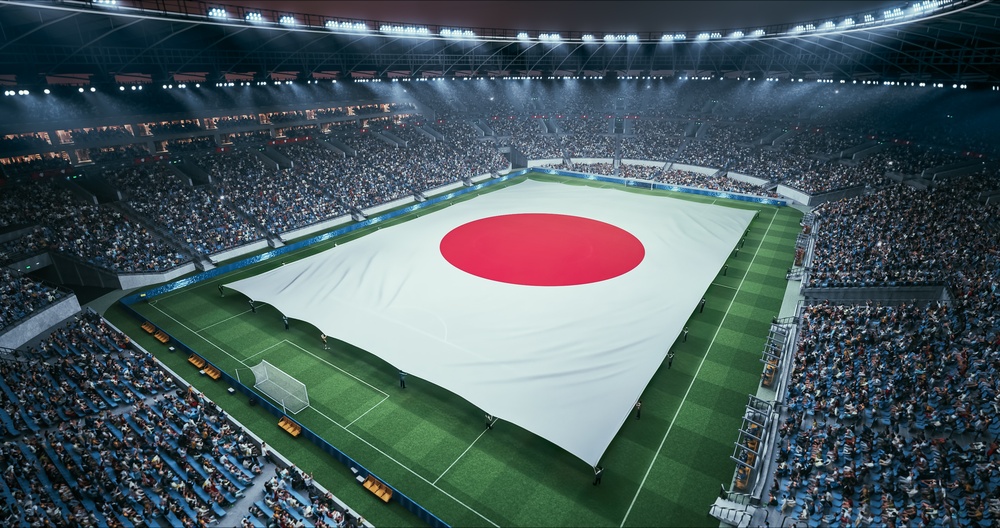
Long after that goal was celebrated, though, another image continued circulating around the world. It was not a highlight from the pitch or a moment of sporting brilliance. It was a group of supporters quietly filling trash bags after everyone else had left, turning a simple act of courtesy into one of the tournament’s first viral moments.