
Your cart is currently empty!
Scientists Urge Immediate Action as June Temperatures Shatter 40-Degree Records
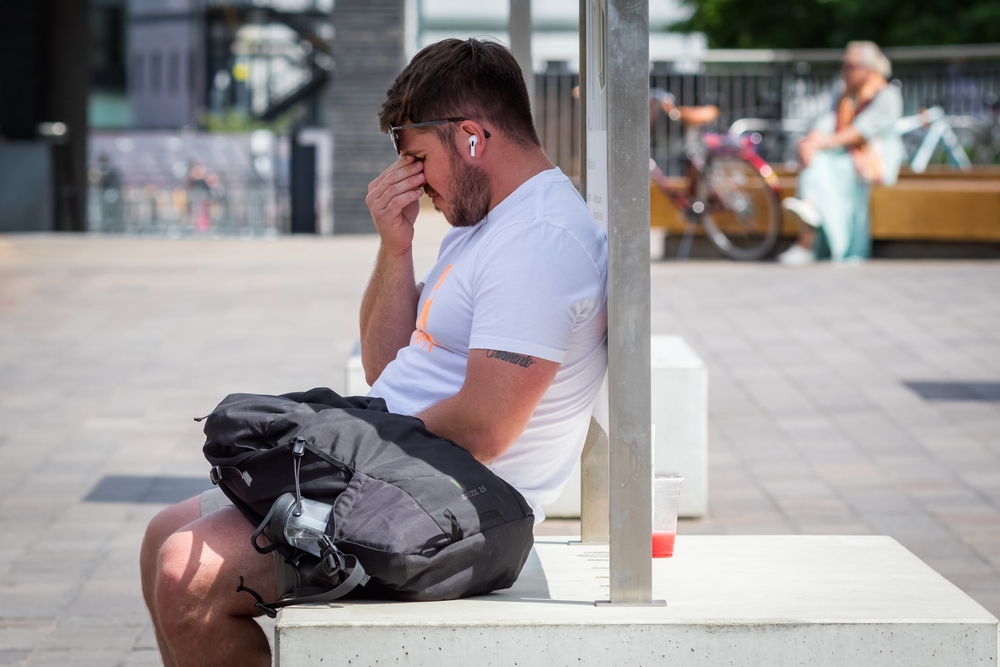
Summer has traditionally been a season to anticipate—a time for outdoor gatherings and long afternoons in the sun. But when forecasts predict temperatures reaching 40 degrees Celsius in June, that familiar narrative shatters. A threshold once thought impossible for early summer in temperate regions like the United Kingdom is now a concrete reality. This level of heat goes far beyond breaking historical records; it transforms a celebrated season into a severe public health hazard.
Contents
show
Britain’s Climate Turning Point
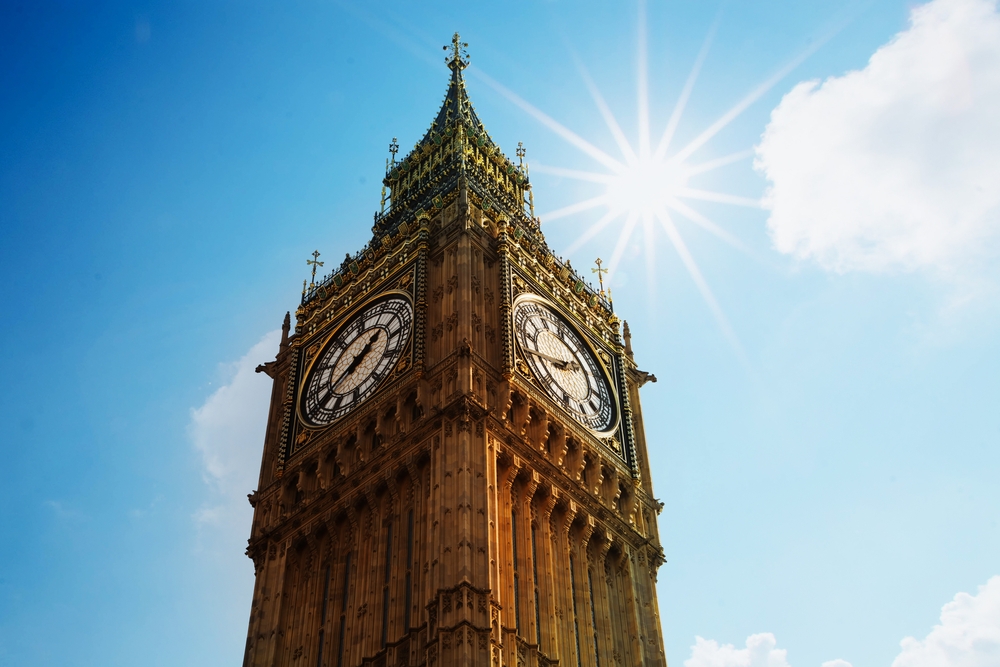
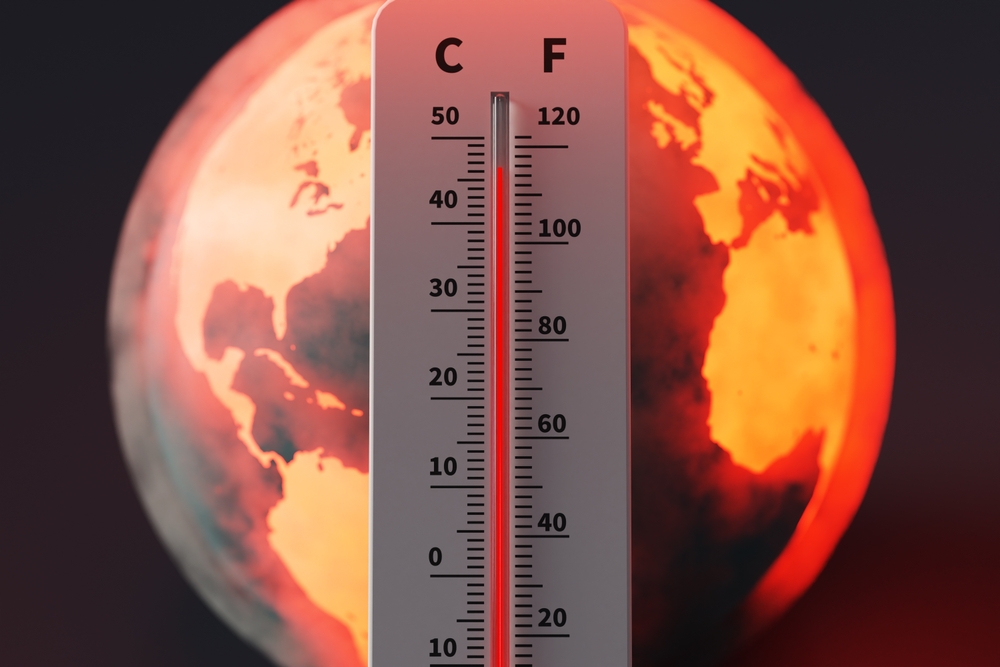
Weather forecasts predicting 40 degrees Celsius in the United Kingdom during June represent a massive change in the global climate. The Met Office recently issued warnings that the country could hit 40C for only the second time since official records started. This projected heat breaks the previous June record set in 1976 by more than three degrees Celsius. A jump this large is not a minor data point. It is a clear sign of an escalating environmental crisis.
Climate scientists and environmental experts are warning that this early summer heat must be a global wake up call. A heatwave of this level in June forces a rethink of how cities handle severe weather. In the past, people welcomed unusually warm summer days as a chance to spend time outside. Today, temperatures reaching 40C create serious public health threats. This is especially true in regions where homes and transport systems were never built for extreme heat.
At 40C, the human body struggles to regulate its internal temperature. Sweat does not evaporate fast enough, which can quickly lead to heat exhaustion or heat stroke. Poorly insulated homes trap the hot air and turn into dangerous environments, particularly for the elderly and young children.
Infrastructure also fails under these conditions. Rail networks are forced to slow down or stop completely because steel tracks expand and buckle in direct sunlight. Tarmac on roads begins to soften and melt.
Hitting 40C in June shows that global warming is a daily reality. When health agencies are forced to issue rare red weather warnings, the danger is immediate. Scientists point out that these record breaking heatwaves will happen more often and become more severe unless society takes major steps to reduce emissions.
The Climate Crisis Is No Longer a Future Headline
For climate researchers, watching these extreme forecasts become reality is a source of profound frustration. Professor Friederike Otto, a climate expert at Imperial College London, points out that the United Kingdom’s first 40-degree day back in 2022 should have shifted society into emergency action. “It was supposed to be a wake-up call, but clearly someone hit snooze,” Otto warned, stressing that reaching this threshold again—and doing so this early in the summer—is incredibly alarming.
The reality of this delayed action is visible in our daily routines. As Otto notes, it means children are forced to sit critical end-of-year school exams in sweltering classrooms, while elderly residents endure dangerously hot temperatures inside their own homes. The once-abstract concept of a warming planet has turned into a tangible, immediate threat to vulnerable groups.
This is exactly what experts predicted decades ago. Professor Richard Allan of the University of Reading observes that the current weather proves that “the global warming talked about when I was young in the 1980s is now playing out.” The climate models and scientific projections from forty years ago were entirely accurate.
A Striking Coincidence
The timing of this record-breaking forecast is hard to ignore. As the heat dome settles over western Europe, London is hosting Climate Action Week. The event is expected to draw 75,000 delegates, including heads of state and UN Secretary-General António Guterres. Yet, in a stark display of the exact crisis they are gathering to discuss, event venues are now scrambling to provide emergency cooling to keep attendees safe from the extreme weather.
While leaders meet indoors, the reality outside the conference walls is growing more dangerous. Current infrastructure was simply never built for this type of climate. Professor Bill McGuire of University College London cautions that the situation will get worse, warning that temperatures exceeding 43 degrees Celsius are now a real possibility in the future.
At that level of heat, the fabric of daily life begins to break down. McGuire points out that without major changes, many homes will literally become uninhabitable. Communities will face a domino effect of failures: massive power cuts as energy grids overload from sudden cooling demands, complete transport shutdowns, and hospital accident and emergency (A&E) departments totally overwhelmed by patients suffering from heatstroke and dehydration.
Because carbon dioxide stays in the atmosphere for a very long time, the baseline temperature of the planet is not going to suddenly drop. The heat is here to stay.
How Extreme Heat Actually Affects Our Bodies
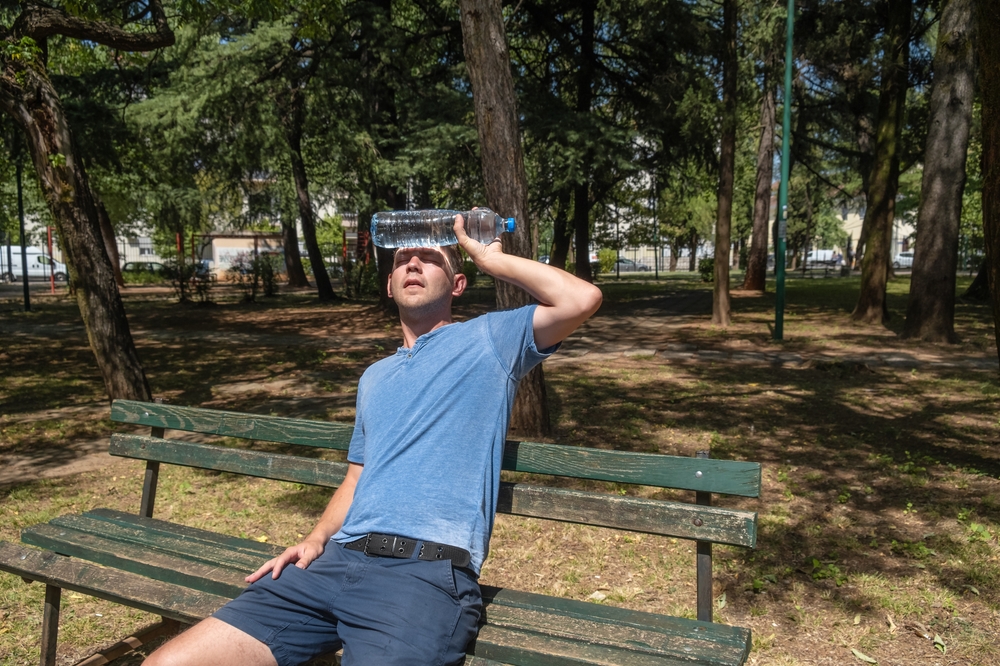
Experts are urging people to stop treating these heatwaves as an excuse to sunbathe. A 40-degree day is a severe health hazard. Most homes and transit systems were built to keep the cold out, not to handle blistering heat. When temperatures soar, a typical poorly insulated house quickly turns into an oven, trapping heat inside and putting vulnerable people, like children and the elderly, at serious risk.
At 40C, the human body has to fight just to maintain its normal temperature. Sweat does not evaporate fast enough, making heatstroke a very real danger. At the same time, daily infrastructure simply breaks down. Steel train tracks expand and buckle, forcing public transport to a standstill, while the tarmac on local roads literally turns soft under the sun.
Hitting 40C in early summer removes any doubt that climate change is already here. When health officials have to issue rare red weather warnings just to keep people alive, the danger is no longer in the future. Scientists are clear: these brutal heatwaves will keep happening and getting worse unless emissions drop drastically. Realizing how dangerous this heat is must be the push society needs to change how cities are built and how everyday routines are managed.
The Final Warning
A 40-degree forecast in June is not a fluke; it is a blaring warning siren. Treating extreme heat as just another hot summer day guarantees that neighborhoods will remain vulnerable year after year. Surviving this heat requires immediate adaptation at the street level. This means pushing local councils to replace heat-trapping concrete with cooling green spaces and trees. It also means fundamentally shifting how residents look out for one another, making it a mandatory routine to check on the elderly and vulnerable when temperatures dangerously spike.
However, local adjustments are only a temporary fix. The root cause of this crisis demands aggressive action from those in power. Vague promises of reaching “net zero” decades from now mean nothing when the pavement is melting today. Citizens must hold governments and large corporations accountable to rapidly shift away from fossil fuels and rebuild failing infrastructure. Forty degrees before midsummer is the earth’s loudest alarm. Turning away and hoping for a cooler year is no longer a survival strategy. It is time to stop hitting the snooze button and take the concrete actions required to secure a livable future.