
Your cart is currently empty!
Siberian Town Hits 100 Degrees, and the UN Confirms an Arctic First
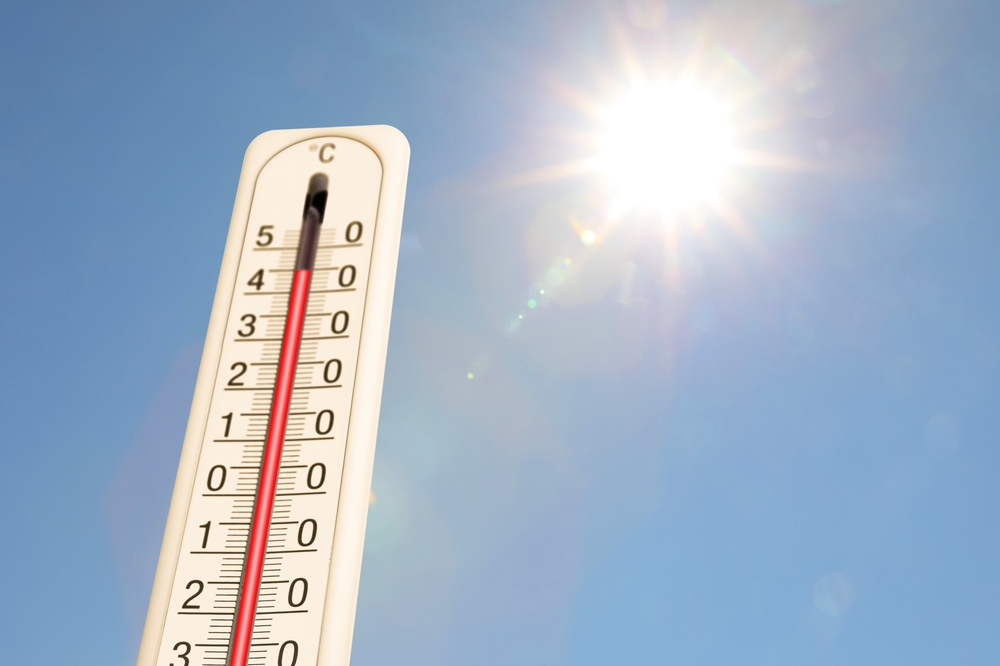
A number sat unconfirmed for more than a year, waiting on scientists who wanted proof before they’d put it in the record books. Verkhoyansk, a town roughly 115 kilometers north of the Arctic Circle, had logged a reading that belonged nowhere near a place known for permafrost and polar bears. Investigators spent months checking equipment, cross-referencing nearby stations, and combing through satellite data before they’d say the number was real. What they found reshaped how the world tracks heat at the top of the planet.
Contents
show
A Reading That Broke the Mold
On June 20, 2020, a weather station in Verkhoyansk, Russia, logged 38°C, or 100.4°F. Nine days short of a year and a half later, on December 14, 2021, the World Meteorological Organization confirmed the figure as a new Arctic temperature record. Spokesperson Clare Nullis laid out the finding to reporters in Geneva.
“We have recognised a temperature of 38C which is a staggering 100.4F in the Russian town of Verkhoyansk,” Nullis said.
WMO itself described the number as something you’d expect from the Mediterranean, not from a spot within the Arctic Circle’s reach.
A Brand New Category, Not a Broken Record

Nobody actually broke a previous record here, because none existed. WMO had never tracked a category for “highest recorded temperature at or north of 66.5°, the Arctic Circle” before this case pushed the agency to create one. Antarctica had carried an equivalent category since 2007, so the new Arctic entry finally gave both poles a spot in the archive.
Verkhoyansk’s own station has logged readings since 1885, so researchers had over a century of comparison data sitting on hand. That depth of record made the town a strong candidate for verification once the 2020 heatwave produced a number this far outside normal range.
Scientists Spent a Year Checking One Number

A committee dug through equipment logs, station siting details, and reanalysis data from the European Centre for Medium-Range Weather Forecasts before they’d sign off. They checked whether nearby stations recorded comparable spikes. Yakutia’s Roshydromet department had certified the equipment and logistics, and a strong upper-level ridge sitting over the region matched conditions a reading like this would require.
Once the panel confirmed Verkhoyansk, they went further and searched national records across Arctic countries for any past reading that might rival it. Canada’s archives turned up nothing close. Committee member Dr. Blair Trewin, from Australia’s Bureau of Meteorology, framed the stakes of that kind of scrutiny plainly, saying verification work builds a dependable base of evidence for tracking how the planet’s extremes shift over time.
A Heatwave Stretched Far Past One Day
Verkhoyansk’s number didn’t come from an isolated fluke. Average temperatures across Arctic Siberia sat roughly 10°C above normal for much of that summer. Heat on that scale fed wildfires, pushed sea ice loss further, and helped make 2020 rank among the three warmest years humans have ever recorded. A storage tank collapse tied to melting permafrost also spilled 20,000 tons of diesel across northern Siberia that year, a disaster researchers link to ground destabilized by the same warming trend.
Ground Temperatures Hit 118°F One Year Later
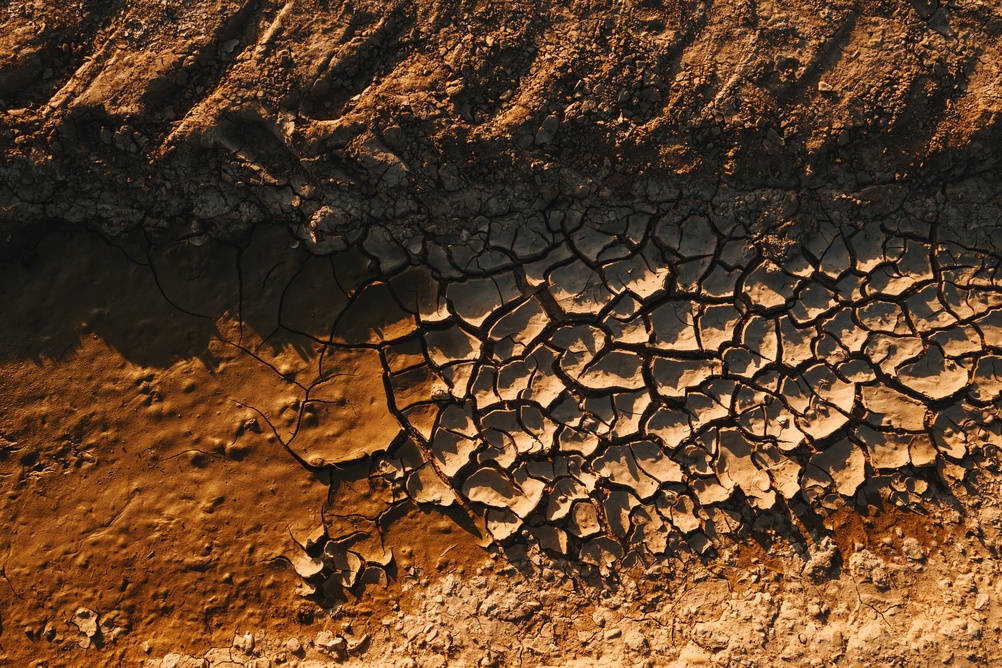
Exactly one year after Verkhoyansk’s reading, on June 20, 2021, European Union Copernicus satellites recorded ground temperatures of 118°F, or 48°C, in the same Sakha Republic. Copernicus researchers drew a distinction worth keeping in mind here: satellites measured heat radiating off the ground surface itself, not the air temperature people would feel walking around, which sat closer to 86°F that day. Nobody submitted the 118°F figure for official record status. Still, a reading that far past normal, arriving on the same date one year after Verkhoyansk, pointed toward a pattern rather than a coincidence.
Zombie Fires Keep the Cycle Turning
Spring 2021 brought hundreds of wildfires across Siberia before summer even started, and many carried a name that sounds almost invented: zombie fires. These blazes smolder underground through winter, fed by carbon-rich peat beneath the snow, then reignite once spring melt arrives and oxygen reaches the buried embers again. Researchers tie the pattern directly to permafrost loss, since thawing ground releases stores of ancient carbon and methane that have sat locked away for thousands of years.
A Region Warming Faster Than Nearly Anywhere Else
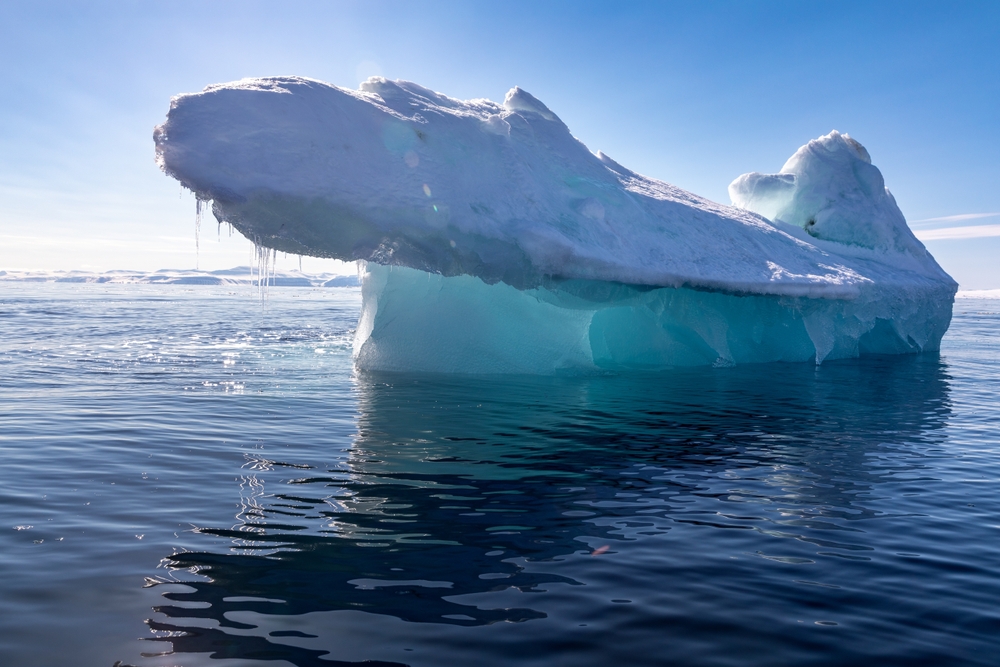
WMO places Arctic warming at more than double the global average. A separate report presented at an American Geophysical Union meeting pushed that figure further, finding the region warming four times faster than the rest of the planet. WMO Secretary-General Petteri Taalas tied the Verkhoyansk reading directly to that broader trend, describing it as one entry in a growing list of observations reported to the agency’s Archive of Weather and Climate Extremes.
Other Extremes Under Review at the Same Time
Verkhoyansk wasn’t sitting alone on the investigation list. WMO worked through several other candidate records at once, including an 18.3°C reading at Argentina’s Esperanza base that would set an Antarctic mark, a 54.4°C (129.9°F) reading logged in Death Valley, California in both 2020 and 2021, and a reported 48.8°C (119.8°F) reading from Sicily. Taalas noted the scale of that workload directly, saying the agency’s Archive of Weather and Climate Extremes had never carried so many open investigations running at once.
The Arctic’s Coldest Extreme, for Comparison
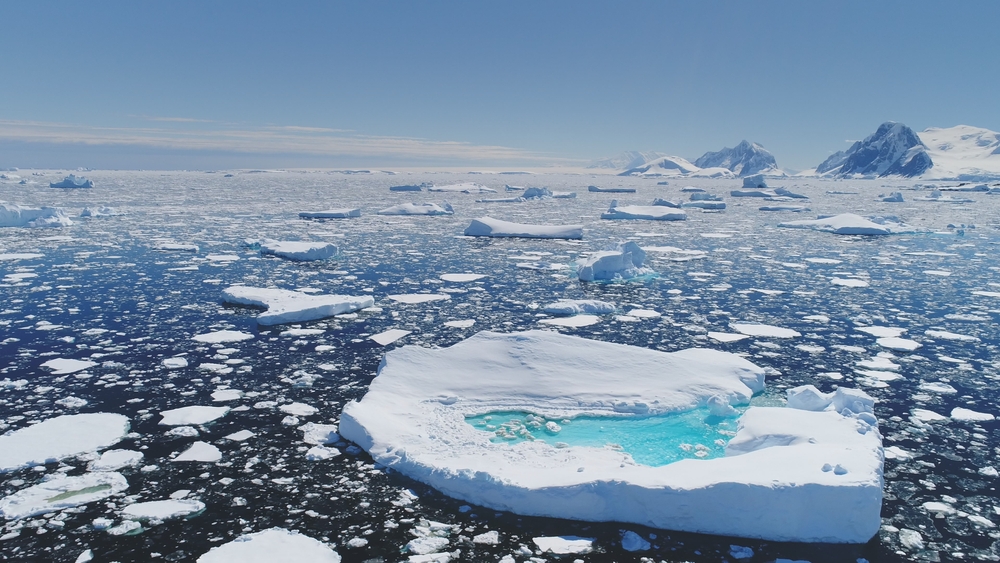
Heat sits at one end of the Arctic scale, and cold sits at the other. WMO’s archive lists -69.6°C (-93.3°F) as the lowest confirmed temperature ever recorded at or north of the Arctic Circle, measured on December 22, 1991, at Klinck AWS in Greenland. That reading doubles as the coldest temperature ever confirmed anywhere in the Northern Hemisphere, a fact that makes Verkhoyansk’s summer spike land even harder against the region’s usual range.
What Scientists Say the Number Actually Means
WMO built its evaluation panel from climate researchers across several countries, and their assessment of Verkhoyansk landed without hedging. Climatologist Dr. Phil Jones, a committee member from the UK, put the reading in blunt terms.
“The record is clearly indicative of warming across Siberia,” Jones said. Panel rapporteur Professor Randall Cerveny tied the finding to a longer view, arguing for the value of keeping careful watch on numbers like this one over time.
“It highlights the need for sustaining long-term observations which provide us benchmarks of the state of the climate system,” Cerveny said.
WMO frames every entry in its extremes archive as a snapshot rather than a ceiling. Researchers expect future Arctic readings to push past 38°C eventually, and when that happens, a fresh evaluation panel will form to check the claim the same way this one did, station by station, record by record, until the number holds up.
Antarctic temperature, Arctic Circle, Arctic heat record, Arctic warming, Climate Data, climate extremes, climate monitoring, Death Valley heat record, extreme weather, Global Warming, permafrost thaw, polar climate, sea ice loss, Siberia heatwave, Sicily heat record, Verkhoyansk, WMO archive, World Meteorological Organization, Yakutia, zombie fires