
Your cart is currently empty!
New Poll Reveals America’s Most Popular Politicians And The Results May Surprise You
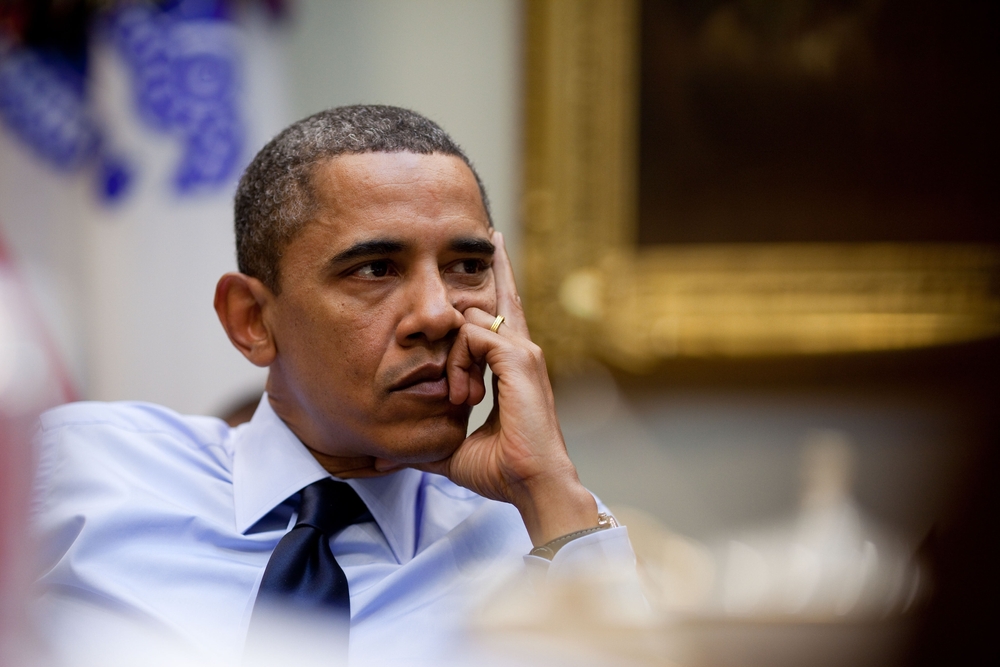
A new national poll has revealed which political figures Americans view most favorably, and the results are likely to spark fresh debate across the political spectrum. While the country remains deeply divided, several Democratic leaders topped the rankings, led by former President Barack Obama.
Contents
show
The survey arrives during a period of growing political change, particularly within the Democratic Party, where progressive candidates have recently secured several high-profile primary victories. Together, the poll results and recent election outcomes offer another glimpse into where public sentiment may be heading as attention slowly turns toward the 2028 presidential election.
Obama Remains America’s Highest-Rated Political Figure
The June Strength In Numbers/Verasight survey asked Americans to rate leading political figures using a “feeling thermometer” ranging from 0 to 100. A score of zero represented the coldest possible opinion, while 100 represented the warmest.
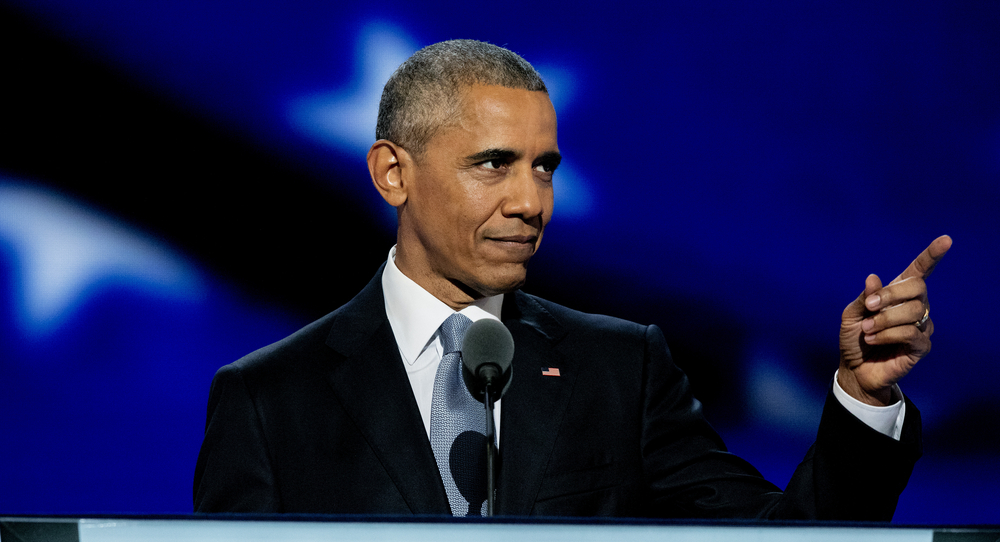
Among all politicians tested, former President Barack Obama earned the highest average score at 54. He was the only figure in the survey to finish above the halfway mark, suggesting his public image remains stronger than any other major political figure included in the poll.
Although Obama has been out of office for years, he continues to hold significant influence within Democratic politics. His popularity has remained relatively stable in public opinion surveys, and he continues to be one of the party’s most recognizable and widely respected figures.
Sanders And Mamdani Continue To Build Strong Support
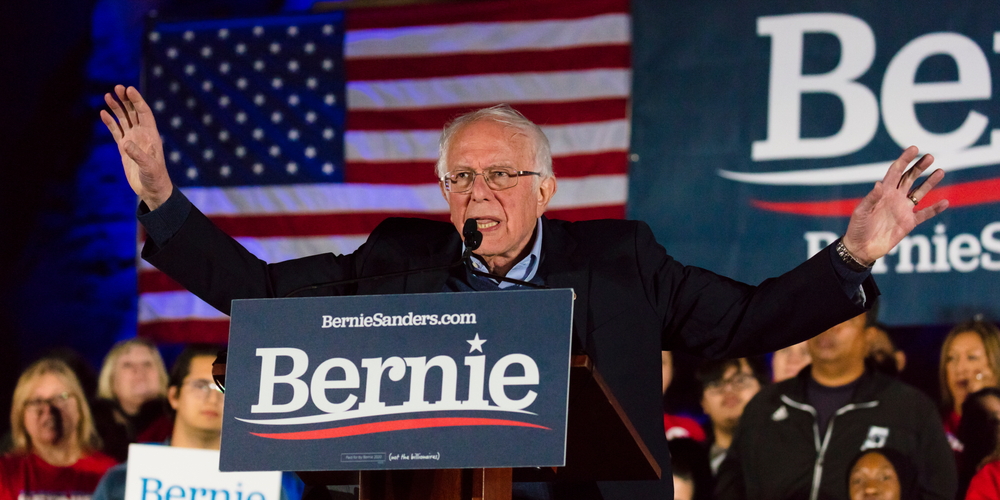
Following Obama was Vermont Senator Bernie Sanders with an average score of 45.
Sanders has spent decades building a national following through his advocacy for universal healthcare, campaign finance reform, labor rights, and economic inequality. Despite never winning the Democratic presidential nomination, he remains one of the country’s most recognizable progressive politicians.
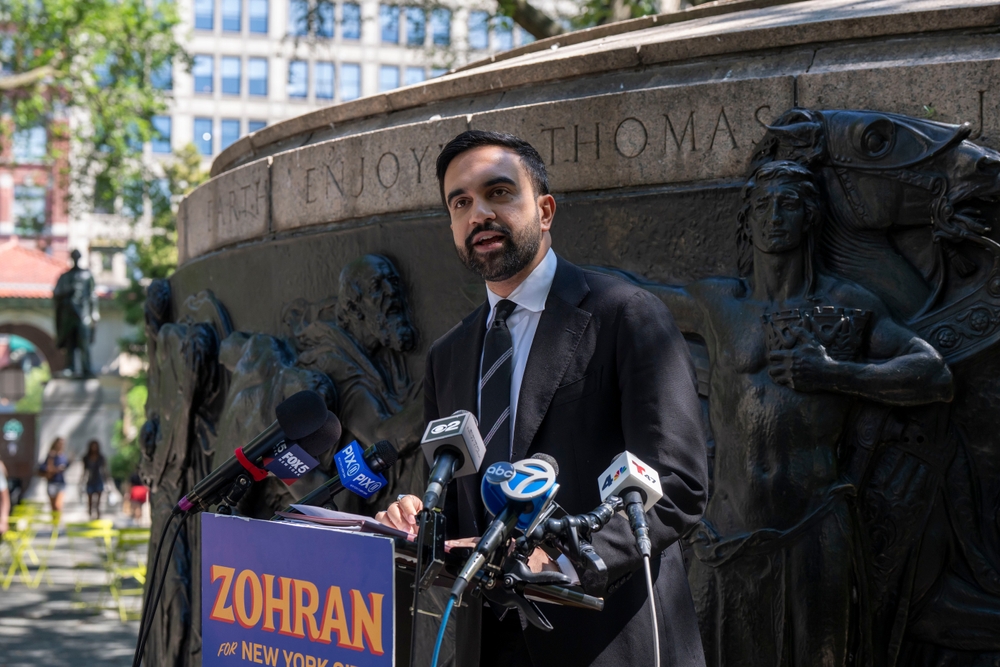
Close behind Sanders was New York City Mayor Zohran Mamdani, who received an average rating of 44.
Mamdani’s appearance near the top of the rankings comes shortly after several candidates backed by him and aligned with the Democratic Socialists of America scored significant victories in New York primary elections. His growing national profile has made him one of the most closely watched progressive leaders in American politics.
Progressive Democrats Dominate The Upper Tier
Several other Democratic figures also received relatively strong ratings from respondents.
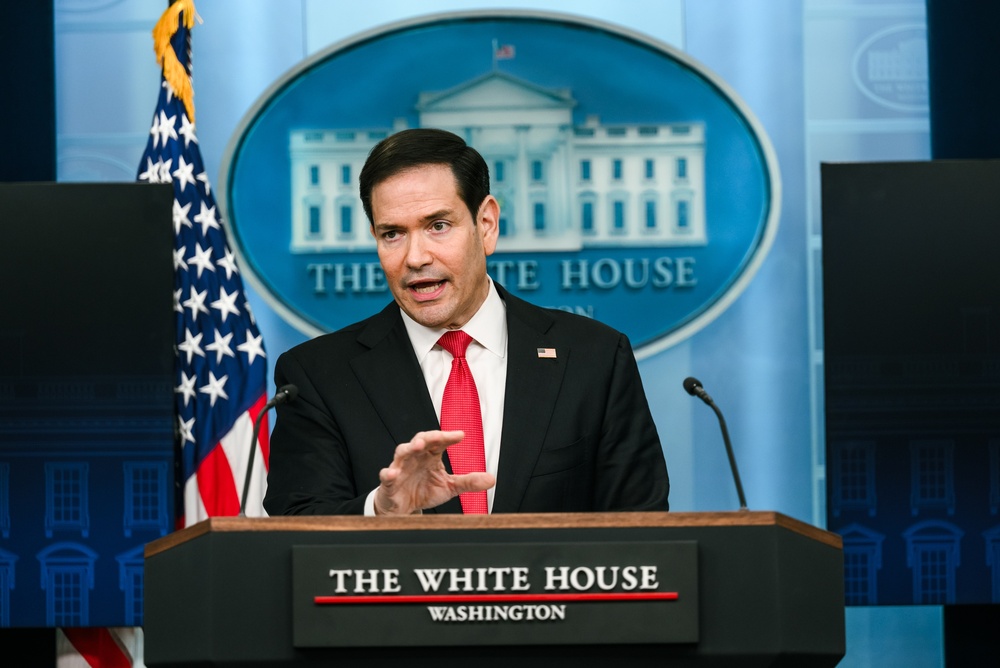
Former Transportation Secretary Pete Buttigieg and the Democratic Party each received average ratings of 43, while Georgia Senator Jon Ossoff followed with 42. Representative Alexandria Ocasio-Cortez and Secretary of State Marco Rubio each earned ratings of 41.
The results suggest that progressive and younger Democratic figures continue to generate considerable national interest, even as the party debates its future direction.
Among the highest-rated politicians were:
- Barack Obama: 54
- Bernie Sanders: 45
- Zohran Mamdani: 44
- Democratic Party: 43
- Pete Buttigieg: 43
- Jon Ossoff: 42
- Alexandria Ocasio-Cortez: 41
- Marco Rubio: 41
The survey measured overall public warmth rather than voting intention, making it a snapshot of public perception instead of electoral support.
Republicans Trail In Overall Public Ratings
Republican politicians generally received lower average scores than their Democratic counterparts.
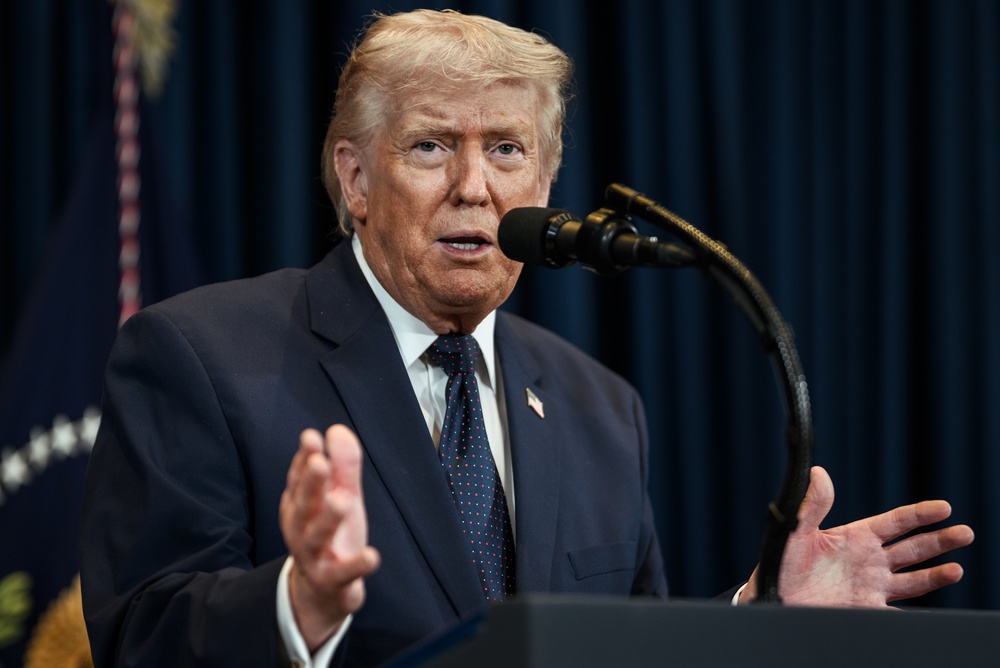
Marco Rubio finished as the highest-rated Republican with a score of 41, making him the only GOP figure to reach the survey’s upper tier.
President Donald Trump and Vice President JD Vance each received average ratings of 38, placing them well behind the survey’s top performers. House Speaker Mike Johnson, entrepreneur Elon Musk, and former Fox News host Tucker Carlson all received scores below 36.
Those numbers reflect opinions across the entire survey population rather than Republican voters alone. Within the Republican Party, support for many of these figures remains significantly stronger than national averages suggest.
Democratic Leadership Faces A Different Challenge
While many progressive Democrats performed well, the survey painted a less encouraging picture for some of the party’s congressional leadership.
House Minority Leader Hakeem Jeffries received an average rating of 36, while Senate Minority Leader Chuck Schumer recorded 30, making him the lowest-rated Democrat included in the poll.
The findings arrive after establishment-backed candidates suffered several notable defeats in New York primaries. Progressive challengers supported by Mamdani and allied organizations defeated candidates backed by senior Democratic leadership, raising new questions about the balance of power inside the party.
Political observers have increasingly pointed to a growing divide between Democratic establishment figures and the party’s progressive wing. Recent primary results suggest many Democratic voters are willing to support candidates promising a different direction.
Why Recognition Matters In Polling
The poll’s organizers also highlighted an important point when interpreting the results.
Not every politician enjoys the same level of public recognition. Respondents only rated politicians they were familiar with, meaning lesser-known figures may see their scores shift as more Americans become familiar with them.
Jon Ossoff provides one example. More than half of respondents reported they did not know enough about him to offer a rating. As his national profile grows, his overall favorability could change significantly.
By comparison, politicians such as Barack Obama, Donald Trump, Bernie Sanders, and Joe Biden have spent years in the national spotlight, making their ratings more reflective of broad public opinion.
What The Results Could Mean For The Political Landscape
Popularity surveys are not election forecasts, but they can offer useful insight into how voters currently view political leaders.
For Democrats, the poll suggests that well-known progressive figures continue to attract positive public sentiment while some longtime party leaders struggle to generate similar enthusiasm.
For Republicans, the results indicate that even their most recognizable national figures remain highly polarizing among the broader public.
The survey also highlights how personality, visibility, and public image continue to shape American politics alongside ideology. Candidates who build strong personal brands often outperform their political parties in public perception, an important factor as both parties begin looking ahead to the next presidential election cycle.
With the 2028 campaign already becoming part of the national conversation, future polls will help reveal whether these standings remain stable or whether emerging candidates can reshape the political landscape over the next two years.
2028 election, Alexandria Ocasio-Cortez, American politics, Barack Obama, Bernie Sanders, Birds Advice, Chuck Schumer, Democrats, Donald Trump, Elon Musk, Hakeem Jeffries, JD Vance, Jon Ossoff, Marco Rubio, Mike Johnson, Pete Buttigieg, political poll, political rankings, popularity poll, Republicans, Strength In Numbers, trending politics, Tucker Carlson, U.S. politics, Verasight poll, Zohran Mamdani