
Your cart is currently empty!
Trump Posts Image of a $100 Bill With His Signature for the 250th Anniversary
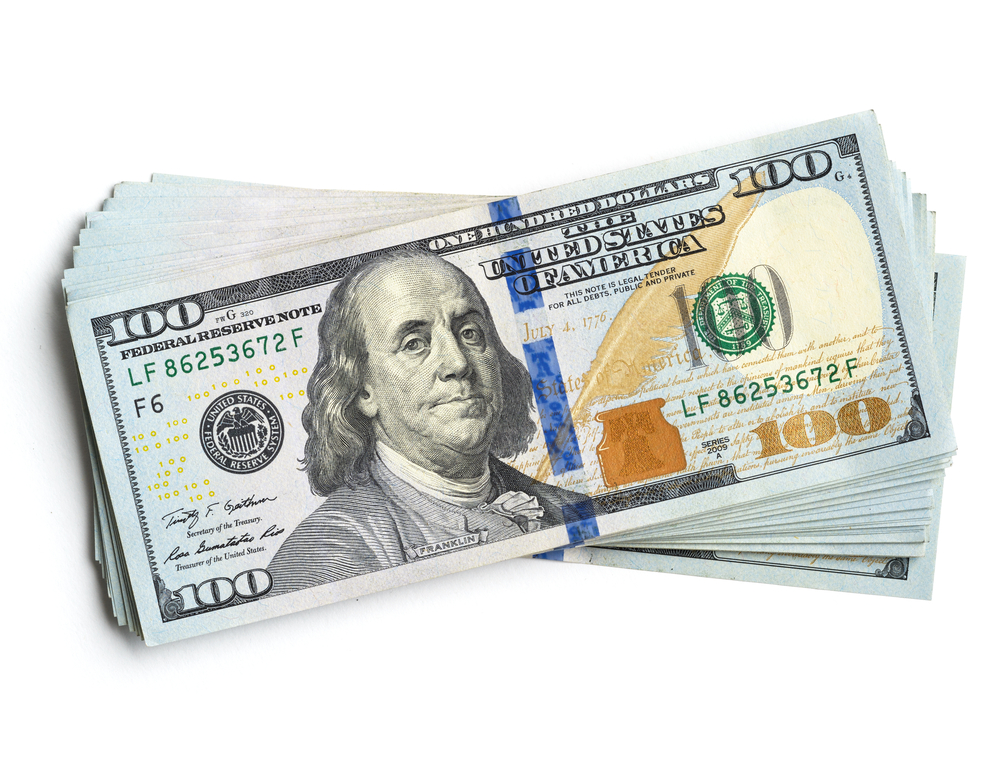
At the bottom of every American bill sit two signatures most people walk past without a glance. They belong to the Treasury Secretary and the Treasurer of the United States, the two offices that certify a note as legal money. Over the Fourth of July weekend, President Donald Trump posted an image online that changed what those signatures look like, and a name never before printed on U.S. paper money appeared where tradition said it should not.
Contents
show
What Trump shared, and how far his administration plans to take it, has drawn praise from Treasury officials and disapproval from much of the public. A separate push in Congress would go even further, though a law standing since the founding era blocks the way. Here is what has actually happened, what remains only a plan, and why a signature has turned into a national argument.
What Trump Posted And When
Trump shared an image on his Truth Social account of a $100 bill carrying his signature, tied to Fourth of July and the country’s 250th birthday. Treasury announced the plan back in March, Treasury Secretary Scott Bessent confirmed and promoted it over the holiday weekend, and Trump posted the bill image around the Fourth. His signature sits above Bessent’s on the note.
Bessent said in March that the administration planned to feature Trump’s signature on U.S. currency to mark the 250th anniversary. U.S. Treasurer Brandon Beach posted on Saturday that officials look forward to the $100 notes soon being in circulation. Trump, a former New York businessman, has wanted his name and likeness on documents and landmarks across Washington and the country, and currency became the latest place he put it.
How This Breaks With Currency Tradition
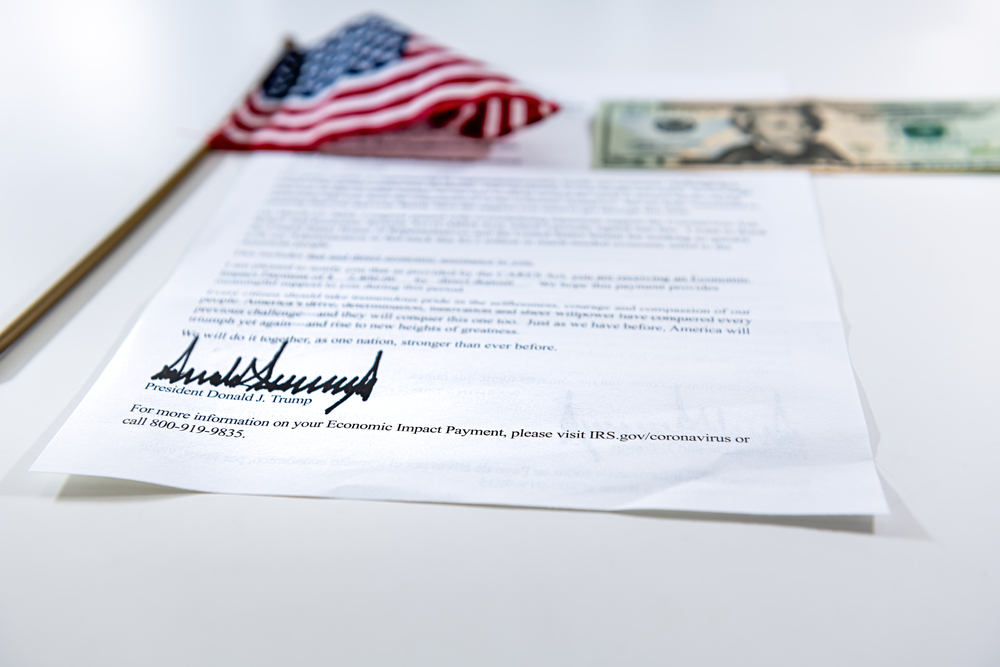
American paper money carries two signatures at the bottom, the Treasury Secretary and the Treasurer of the United States, not the sitting president. Placing a president’s signature on a bill departs from a practice that has held for generations. No sitting president’s signature had appeared on U.S. paper currency before this plan.
Both offices behind those signatures rank among the most powerful financial positions in the country. Their names certify that the money is good for use as legal tender in wallets across the nation. Trump’s signature does not replace them. His mark sits above Bessent’s, adding a third name to a spot that carried two.
What Treasury Officials Say About It
Bessent framed the currency as a fitting way to mark the semiquincentennial and recognize Trump’s record. “There is no more powerful way to recognize the historic achievements of our great country and President Donald J. Trump than U.S dollar bills bearing his signature, and it is only appropriate that this historic currency be issued at the Semiquincentennial,” Bessent wrote.
Beach praised the move in similar terms when the plan first went public in March. “The President’s mark on history as the architect of America’s Golden Age economic revival is undeniable. Printing his signature on the American currency is not only appropriate, but also well deserved,” Beach said. Both men presented the signature as recognition Trump had earned through his economic record. Readers should weigh those characterizations as the officials’ own words rather than settled fact, since the administration’s account of that record faces plenty of dispute.
The Debate The Move Has Stirred
Reaction split along familiar lines. Supporters read the signature as a patriotic tribute tied to the 250th anniversary. Critics call it a personalization of a trusted public symbol that money did not need. Polling data points toward public resistance. A recent Economist/YouGov poll found that 59% of respondents disapproved of adding Trump’s signature to U.S. currency.
Disagreement over currency reaches back to how Americans think about their money and who gets remembered through it. Supporters see a commemoration. Critics see politicization of a symbol meant to belong to everyone. Neither reading has settled the matter, and the poll numbers suggest the public leans against the change even as the administration moves ahead.
Trump’s Pattern Of Putting His Name On Institutions
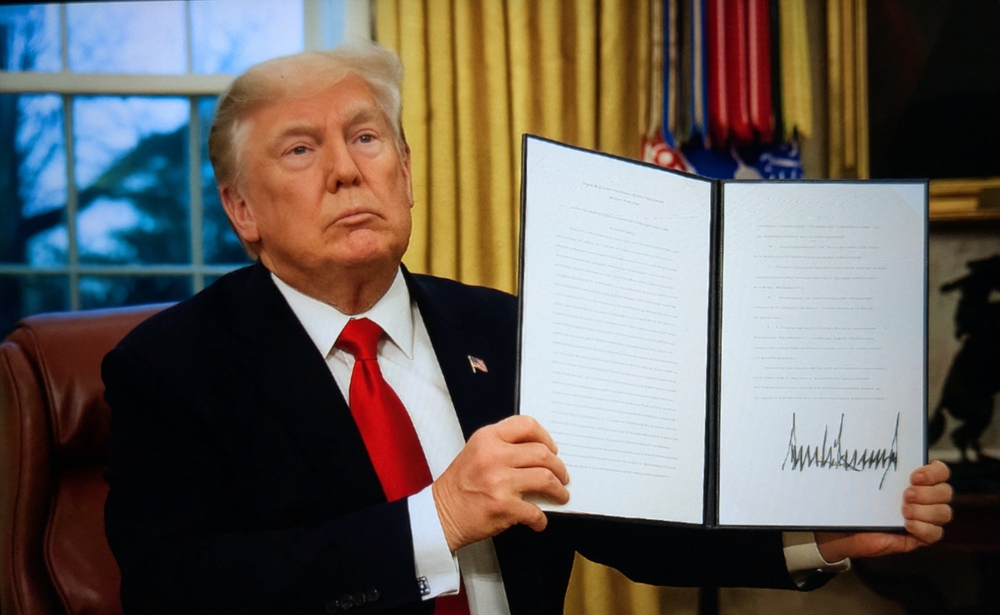
Currency joins a long list of places Trump has worked to attach his name and image. His administration added his name to the U.S. Institute of Peace last year. He took over the board of the John F. Kennedy Center for the Performing Arts at the start of his second term, though a judge later ruled that his name come down from the arts complex. Palm Beach International Airport in Florida is being renamed for him.
Other examples reach across federal life. His image, name, or both have appeared on commemorative U.S. passports, national parks passes, banners on agency buildings in Washington, and special investment accounts for babies. Each addition followed the same pattern of a president eager to mark institutions with his own name, and currency became the newest entry in that record.
The Separate Push For Trump’s Portrait On A $250 Bill
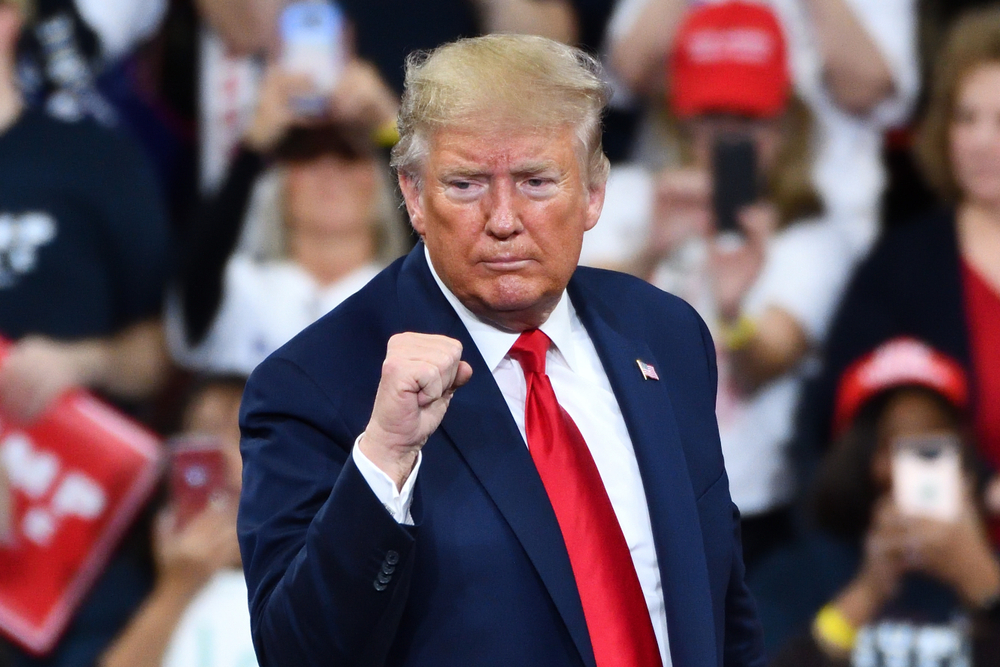
Some members of Congress want to go past a signature and put Trump’s likeness on a $250 anniversary bill. A House bill would do exactly that. A legal obstacle stands in the way, though. U.S. code states that only the portrait of a deceased individual may appear on United States currency and securities, and the House bill seeks to create an exception for individuals who are or were president.
That outcome looks far less likely than the signature, since it would need support from Democratic senators in Congress. Staff at the Bureau of Engraving and Printing prepared prototypes for the $250 bill featuring Trump’s portrait and signature earlier in the year. Bessent told CNN’s Kaitlan Collins in May that he did not think there was anything untoward about putting Trump’s portrait on U.S. currency. Asked whether political appointees were involved, Bessent responded, “Yeah, of course. But we prepare for everything if it gets passed.”
The Signatures Most Americans Never Notice
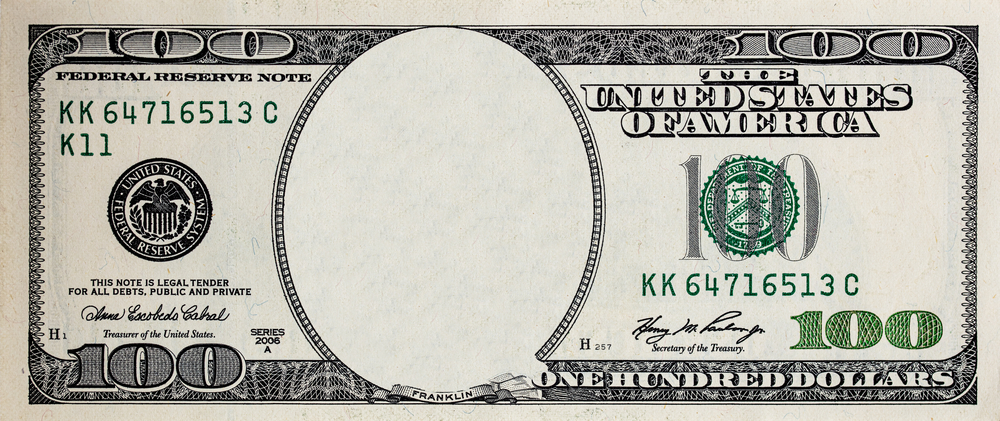
Behind the argument over Trump’s name sits a quieter story about whose signatures currency has carried. In recent years, four women’s names traveled to the front of roughly $1.8 trillion of the about $2.2 trillion of U.S. currency in circulation, over 85% of the total. Nearly every American has held the names of at least one of these four women without knowing their stories.
Those women are Janet Yellen, Lynn Malerba, Azie Taylor Morton, and Rosa Gumataotao Rios. Yellen became the first woman to serve as U.S. Treasury Secretary in 2021. Malerba, lifetime chief of the Mohegan Tribe, became the first Native American to serve as Treasurer of the United States in 2022. Morton became the first Black woman to serve as Treasurer in 1977 under President Jimmy Carter. Rios, a Filipina American, served as Treasurer during the Obama administration from 2009 to 2016. Their names circulated on the nation’s money in a country that once denied women full financial independence, a history that gives the current signature debate a longer backdrop than the politics of one president.
The Notes Head Toward Wallets
The signature plan is moving forward. Officials describe the $100 notes as heading into circulation soon rather than already out in wallets. The $250 portrait proposal remains a separate long shot that would need a change in law and Democratic votes it does not appear to have. Two threads run at once, one close to reality and one far from it.
Argument over the change will likely play out through partisan lenses, with one side calling it commemoration and the other calling it politicization. How and when the notes actually reach people’s hands stays ahead rather than settled. For now, a posted image of a $100 bill has put a president’s signature where none had been, and a country marking 250 years finds itself debating what its money should say about who it is.
$100 bill, $250 bill, 250th anniversary, Brandon Beach, Bureau of Engraving and Printing, currency portrait law, currency tradition, Janet Yellen, legal tender, Lynn Malerba, paper currency, presidential signature, Scott Bessent, semiquincentennial, Treasury Secretary signature, Trump signature currency, Truth Social, US dollar bills, US Treasurer, US Treasury