
Your cart is currently empty!
Scotland Makes History as the First Country to Offer Free Period Products to Everyone
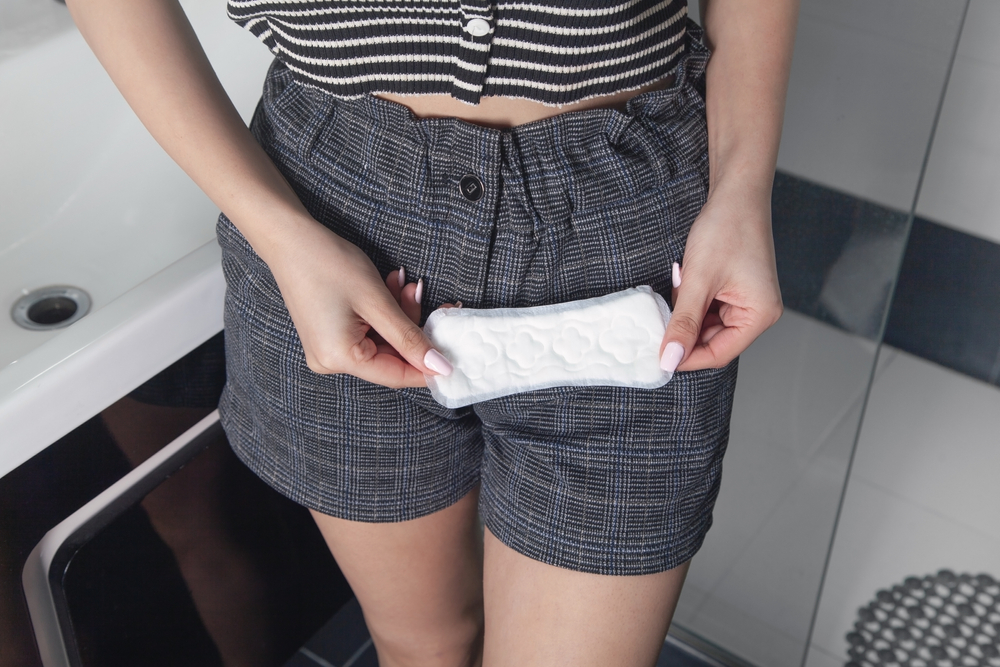
For millions of people, buying period products is simply another monthly expense. But for many others, it can mean making an impossible choice between purchasing basic hygiene products or putting food on the table.
Contents
show
Scotland has now become the first country in the world to make period products legally free for everyone who needs them. The landmark move is being hailed as a major victory in the fight against period poverty, with campaigners hoping it will inspire governments around the world to follow suit.
A Landmark Law That Makes History
Scotland’s Period Products (Free Provision) Act officially places a legal duty on local authorities and education providers to ensure anyone who requires period products can access them free of charge. The legislation covers essential menstrual items such as tampons and sanitary pads, making Scotland the first nation to guarantee universal access through law rather than a temporary government scheme.
The legislation was unanimously approved by Members of the Scottish Parliament (MSPs) in November 2020 after years of campaigning. Following extensive planning by Scotland’s 32 local councils, the law officially came into force, creating a permanent right to free period products for anyone who needs them.
Unlike many assistance programs that require applications or financial assessments, the new law is designed to be simple, accessible, and respectful. People can obtain products without proving financial hardship or explaining their circumstances, helping remove the stigma that often surrounds menstruation.
Labour MSP Monica Lennon, who has led Scotland’s campaign against period poverty since 2016, described the legislation as a significant achievement for campaigners and communities across the country.
She said:
“Local authorities and partner organisations have worked hard to make the legal right to access free period products a reality.”
Lennon also emphasized the importance of introducing the legislation during a period of rising household costs.
“This is another big milestone for period dignity campaigners and grassroots movements which shows the difference that progressive and bold political choices can make. As the cost-of-living crisis takes hold, the Period Products Act is a beacon of hope which shows what can be achieved when politicians come together for the good of the people we serve.”

What Period Poverty Really Means
For many people, menstruation is an unavoidable part of everyday life. Yet access to basic hygiene products remains a challenge for thousands of families who are already struggling to make ends meet.
Period poverty refers to the inability to afford or consistently access menstrual products, appropriate sanitation facilities, or education about menstrual health. While a packet of sanitary pads or tampons may seem inexpensive to some shoppers, the costs accumulate every month. With an average period lasting around five days, menstrual products can cost as much as £8 each month, creating another financial burden for households already coping with rising living expenses.
Campaigners say the issue goes far beyond simple inconvenience. Without access to suitable products, many people experience embarrassment, anxiety, missed school days, reduced confidence, and increased health risks. The financial pressure often forces families to prioritize food, heating, or rent over menstrual hygiene, leaving many people without safe and appropriate products.
Georgie Nicolson, from the Scottish social enterprise Hey Girls, described period poverty in stark but relatable terms during an interview with BBC Radio Scotland.
She explained:
“There’s a very simple way to describe period poverty: you go to the supermarket and you have to actually choose whether you can buy a bag of pasta or a box of tampons. It’s that basic.”
Nicolson also revealed some of the desperate measures people have taken when they cannot afford period products.
“We hear of a lot of mothers going without their period protection just so they can feed their children and using things such as newspaper stuffed into socks or bread because they’re cheaper than period products.”
For campaigners, stories like these demonstrate why access to menstrual products should be treated as a basic necessity rather than a luxury.

How the New Law Works
One of the defining features of Scotland’s legislation is its focus on dignity. Rather than creating complicated procedures, lawmakers wanted the process to be as straightforward and accessible as possible.
Each of Scotland’s local councils has flexibility in deciding exactly how products are distributed within their communities. However, the legislation clearly states that people must be able to obtain different types of period products “reasonably easily” and with “reasonable dignity.”
No Applications or Eligibility Checks
The law specifically prevents unnecessary bureaucracy when accessing products. People should not have to explain why they need menstrual products, justify the quantity they require, or complete lengthy forms before receiving assistance.
Instead, the legislation encourages direct and convenient access through councils, schools, colleges, universities, and other public institutions.
Some of the key principles include:
- No financial eligibility requirements.
- No application forms or lengthy registration.
- No requirement to explain personal circumstances.
- Easy access through councils and educational institutions.
- Availability of different types of period products.
Campaigners believe removing these barriers will encourage more people to seek the products they need without fear of embarrassment or judgment.
Reducing the Stigma Around Menstruation
The legislation also aims to normalize conversations about menstruation. Rather than hiding products behind locked cupboards or requiring people to ask staff members for assistance, organizations are encouraged to display products openly where appropriate.
Supporters argue that making menstrual products visible helps reduce stigma while reinforcing the message that periods are a normal part of life rather than something that should remain hidden.
The Numbers Show Why Action Was Needed
The decision to introduce free period products was supported by years of research highlighting the widespread impact of period poverty across Scotland.
In 2018, a survey conducted by Young Scot involving more than 2,000 students found that approximately one in four respondents attending schools, colleges, or universities had struggled to access period products.
That same year, Scotland became the first government in the world to provide free menstrual products to students. Since then, additional research has demonstrated the benefits of expanding access.
According to a follow-up Young Scot survey, around two-thirds of respondents said they had received free period products through their educational institution during the previous year. Among those who accessed the scheme, 84 percent reported that it had made a positive difference in their lives.
Researchers have also found that financial barriers are only one part of the problem. Many young people continue to experience embarrassment when purchasing menstrual products, while fears about leaks and limited access can affect attendance at school.
Research cited alongside the legislation found:
- 64% of girls surveyed in the UK had missed school because of their period.
- 34% worried about leaking during the school day.
- 22% experienced anxiety linked to menstruation.
- 13% had missed an entire school day at least once every month.
Campaigners believe that easier access to period products can help improve confidence, reduce anxiety, and ensure fewer students miss valuable classroom time.
Scotland Had Already Been Leading the Way
Although the new legislation has attracted international attention, Scotland’s commitment to tackling period poverty did not begin overnight.
Since 2017, the Scottish Government has invested around £27 million to improve access to free period products across schools, colleges, universities, community centers, libraries, and other public spaces. The country also became the first government in the world to provide free menstrual products to students when the initiative launched in 2018.
Long before the legislation became law, many local businesses, cafés, restaurants, and community organizations had already begun providing free products voluntarily. While these initiatives were widely welcomed, access depended on individual businesses choosing to participate.
The new law removes that uncertainty by making access a legal responsibility rather than an act of goodwill.
How Other Countries Are Responding
Scotland may be the first country to guarantee free period products through national legislation, but governments around the world have been taking steps to improve menstrual health in recent years.
England introduced free period products in state schools in January 2020, while several U.S. states have passed laws requiring schools to provide free menstrual products to students. Other countries have focused on reducing the financial burden by removing taxes on sanitary products.
The UK also abolished the so-called “tampon tax” in January 2021 after Brexit allowed VAT on sanitary products to be removed. Previously, period products had been taxed as non-essential items under European Union rules.
Beyond the UK, countries including Canada, Australia, India, Kenya, Colombia, Malaysia, Jamaica, Nigeria, Uganda, Lebanon, Nicaragua, and Trinidad and Tobago have either reduced or eliminated taxes on menstrual products in an effort to improve affordability.
While these reforms represent meaningful progress, Scotland remains the first nation to establish a legal right guaranteeing free access to period products for anyone who needs them.
A Model Other Countries May Soon Follow
Scotland’s decision extends beyond providing free sanitary products. It recognizes that menstrual health is closely connected to education, public health, financial wellbeing, and personal dignity.
For campaigners, the legislation demonstrates what can be achieved when governments treat period products as essential items rather than optional purchases. Removing financial barriers means fewer people are forced to choose between buying food and managing their periods, while normalizing access helps reduce the stigma that still surrounds menstruation.
As more countries look for ways to tackle period poverty, Scotland has already secured its place in history by becoming the first nation to guarantee free period products for everyone who needs them. Whether others choose to adopt similar policies remains to be seen, but the country’s landmark legislation has already set a new global standard for menstrual equality.