
Your cart is currently empty!
Central Park Visitors Warned as Deadly Bacterial Outbreak Hits Upper East Side

Something is drifting through the air over the Upper East Side, and you cannot see it, smell it, or taste it. It rides on mist. It settles into the lungs of the people who breathe it in, and for some of them, it has meant a hospital bed, a ventilator, and a stay in intensive care. Health officials have traced it to a single square mile of Manhattan, one of the most densely populated stretches in the entire city, and they have issued a pointed warning to anyone who spent time there in recent weeks.
Contents
show
If you walked the east side of Central Park between 76th and 97th Streets, if you live or work in the neighborhoods just beyond it, or if you passed through at all since late June, officials want you watching your body closely for a set of symptoms that can look, at first, like nothing more than a summer cold.
The illness has a name that New Yorkers have learned to dread over the past decade. What it is, where it is coming from, and why the source has been so maddeningly hard to pin down is a story still unfolding block by block.
How Many Are Sick and How Fast It Grew
The outbreak has moved quickly. When the first cases surfaced on July 2, there were only two. Within a day the count climbed to ten. Then came fourteen, then eighteen, then twenty-three, each update landing faster than the last. By July 7, the city’s health department dashboard listed 28 cases and 21 hospitalizations. Because reports were filed at different hours as the numbers rose, some outlets published lower figures that were accurate at the time, which is why the count varies depending on where you look.
No deaths have been tied to the cluster so far, which is the one piece of good news in an otherwise unsettling picture. Not everyone has been lucky, though. Several patients have landed in critical condition, some of them in the intensive care unit on ventilators. There has been at least one bright spot. As Health Commissioner Dr. Alister Martin put it, “Luckily, we’ve had our first discharge — meaning someone who’s made it through the cycle. But I will say we’re early, right? We’re still early in this process.”
That phrase, still early, hangs over everything. The people managing this response are not treating it as a situation under control.
The Neighborhoods Caught in the Zone
The outbreak is concentrated in two Upper East Side neighborhoods, Carnegie Hill and Yorkville, covered by ZIP codes 10028, 10128, and 10075. Drawn on a map, the affected area runs roughly from East 74th to East 96th Streets, stretching from Central Park all the way east to the river.
That may sound contained, but the reality on the ground is anything but small. Valerie Mason, chair of Community Board 8, laid out the scale for anyone picturing a narrow slice of the city. “The three zip codes actually cover a substantial amount of the Upper East Side,” she said. “It’s from 76th to 96th, from Central Park all the way to the river, that’s a lot of people.”
A lot of people, packed into apartment towers, walking the same sidewalks, sharing the same air. That density is exactly what makes an airborne threat in this part of Manhattan so hard to shrug off.
What Legionnaires’ Disease Actually Is

The illness is Legionnaires’ disease, a serious form of pneumonia caused by a bacterium called Legionella that thrives in warm water. Despite occasional confusion, it is bacterial, not viral, and that distinction matters because it shapes both how it spreads and how it is treated.
People get sick by breathing in mist or water vapor carrying the bacteria. The symptoms tend to arrive like a bad flu: fever, chills, a persistent cough, muscle aches. Some people also develop headaches, fatigue, loss of appetite, confusion, or diarrhea. Left untreated, those flu-like signs can turn into something far more dangerous.
The numbers from the Centers for Disease Control put the stakes in perspective. Roughly one in every ten people who develop Legionnaires’ disease will die from complications. For those who catch it during a stay in a healthcare facility, where patients are already fragile, that figure climbs to about one in four.
One crucial reassurance runs through everything officials have said. Legionnaires’ is not contagious. You cannot catch it from another person, and no amount of distance from a sick neighbor changes your risk, because the danger is in the air from a contaminated source, not in human contact.
Who Faces the Greatest Danger
Most people who breathe in the bacteria never get sick at all. Illness usually follows high or repeated exposure, and it tends to strike hardest at people whose bodies are already under strain.
The higher-risk groups are well defined. Anyone 50 or older faces greater danger, as do people who smoke or vape. Those living with chronic lung disease are especially vulnerable, along with anyone whose immune system is weakened, whether by illness or by medications that suppress immune function. For these New Yorkers in particular, officials are urging speed. Waiting out symptoms is exactly the wrong move.
Chasing the Source Among the Cooling Towers
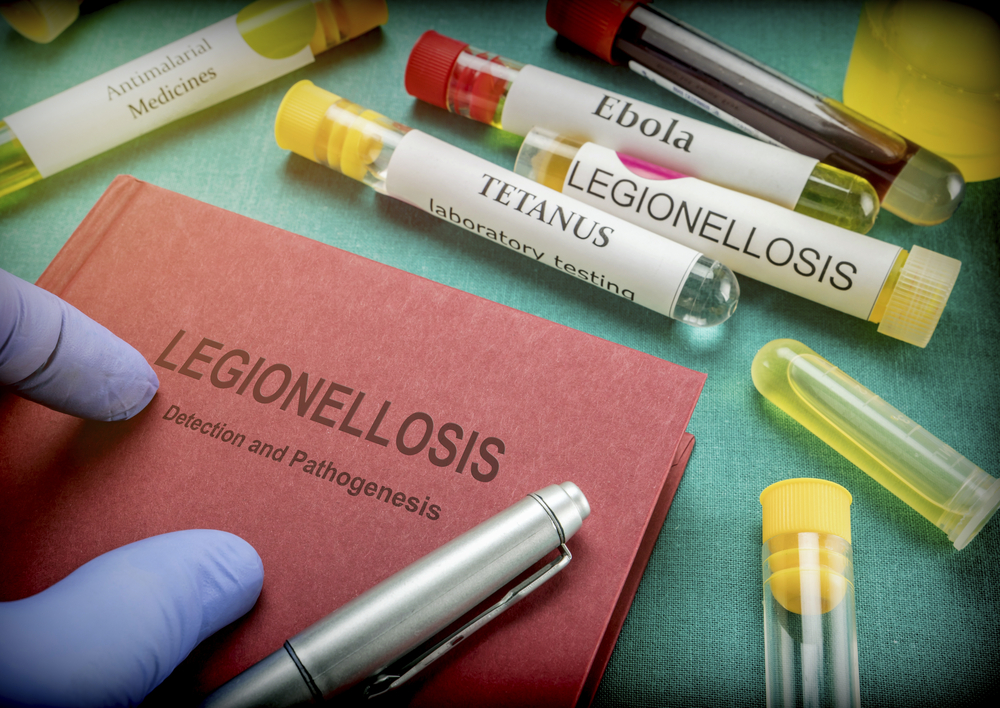
Here is the part that has officials working around the clock. They are fairly confident about the type of source, even if they have not yet found the exact one. The likely culprit is a cooling tower, the large rooftop equipment that helps regulate building temperatures and, when poorly maintained, can spray out a fine mist seeded with Legionella. The pattern fits what experts call a community cluster, where multiple people across a neighborhood fall ill from a shared environmental source rather than from any single building.
The problem is the sheer number of candidates. More than 160 cooling towers sit within the investigation zone, and as of the latest updates, only about a third had been tested. Commissioner Martin described the hunt in blunt terms, framing it as a search for a smoking gun while making clear the city is not standing still. Officials say they will treat anything connected to a positive test rather than wait to isolate one guilty tower, and remediation work has already begun.
What the City Says Is Safe
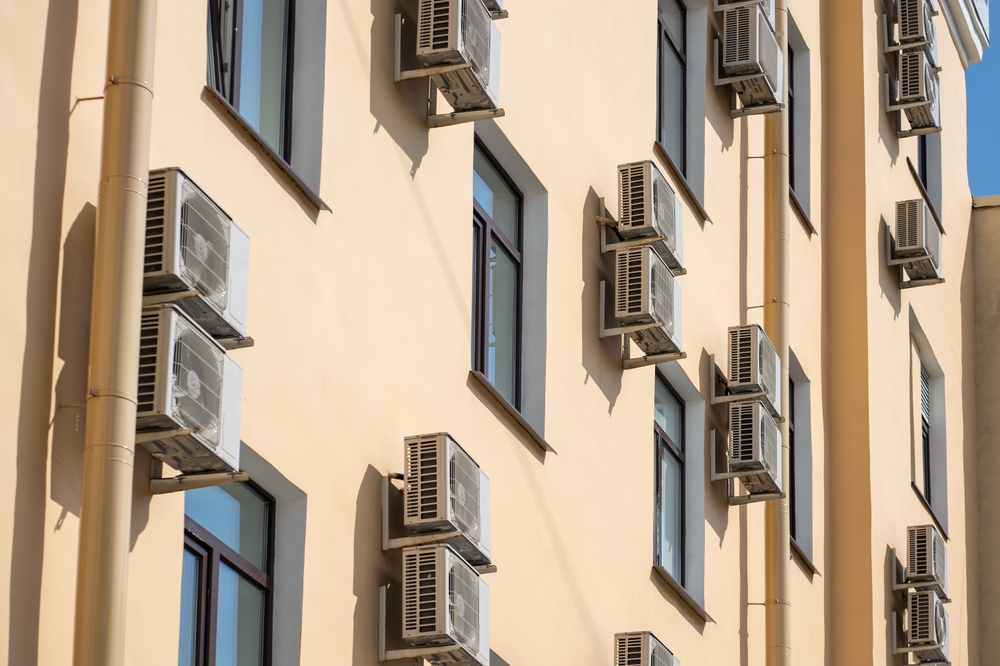
With an invisible threat in the air, residents have flooded officials with the same practical questions. Can I drink the water? Can I shower? Is my air conditioner blowing bacteria into my living room?
The answers, according to the health department, are reassuring on nearly every count. Tap water remains safe to drink, cook with, and bathe in. Showering is fine. Sprinklers are fine. Air conditioners are fine, and importantly, the bacteria do not travel through the cooled air that an AC unit pushes into a room. The outbreak has no connection to any building’s plumbing or hot water system, which is often the culprit in smaller building-specific clusters but is not the issue here.
A Neighborhood on Edge
Official reassurance and lived anxiety, it turns out, are two very different things. Even with the health department stressing that the risk to most people is low, the mood in Carnegie Hill and Yorkville tells another story.
Miguel Castro, a doorman in the area, has watched the worry play out in real time among the residents he sees every day. “They’re scared to shower,” he said, describing tenants so unsettled that some have decamped to hotels or left the neighborhood entirely to wait things out. The gap between what the data says and what people feel is wide, and in a neighborhood where an unseen illness has already put people in intensive care, that fear is not hard to understand.
What to Do If You Have Symptoms
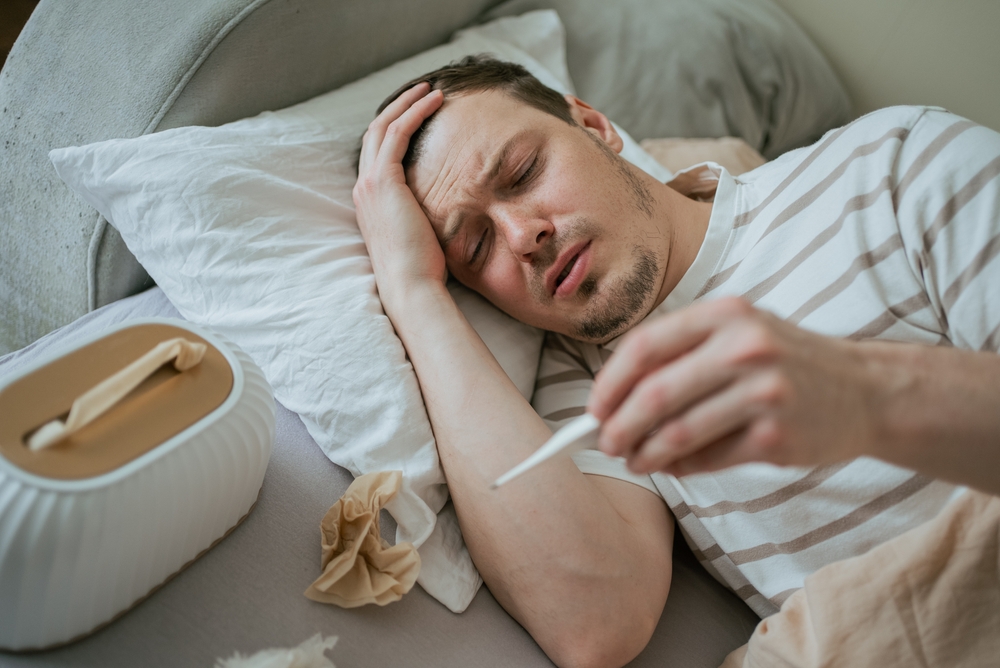
For anyone caught in the affected zone, the guidance is direct. The disease is treatable with antibiotics, and most people recover well when they are diagnosed early, though there is no vaccine to prevent it in the first place. Early treatment is the single biggest factor in a good outcome.
Anyone who has lived in, worked in, or visited the affected neighborhoods since late June and develops flu-like symptoms should contact a healthcare provider right away and specifically mention a concern about Legionnaires’ disease, which helps guide testing and treatment. For those who need help finding care, the city has made access available regardless of immigration or insurance status, reachable through NYC Health + Hospitals, by calling 311, or by dialing 844-NYC-4NYC.
A City Haunted by Past Outbreaks
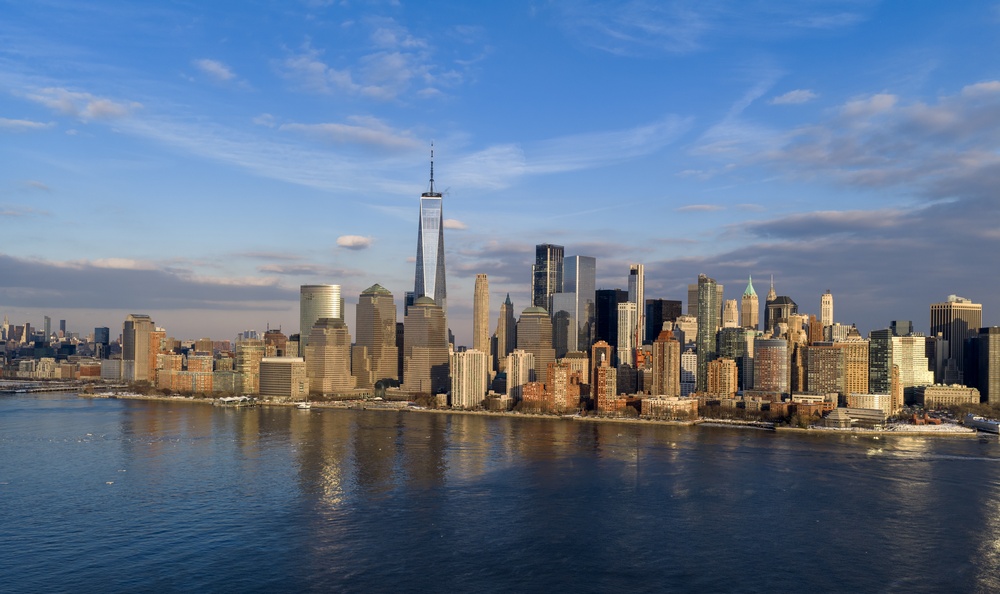
This is not New York’s first brush with Legionnaires’, and the memory of what came before is precisely why the current cluster has officials moving so fast.
In 2014, an outbreak in the Bronx killed 16 people and pushed the city to require the registration and regular inspection of cooling towers across the five boroughs. Then came last summer’s outbreak in Harlem, which killed seven people and hospitalized more than 90, prompting tougher rules that now require building owners to test cooling towers for Legionella every 31 days while the equipment is in active use. New York has thousands of these towers, and each one is a potential breeding ground if maintenance slips.
Questions Over Who Followed the Rules

With the source still unidentified days into the outbreak, attention has turned to whether the existing safeguards were actually working. City Council Speaker Julie Menin said she is deeply concerned that the origin has not been pinned down, and she pointed to a law the council passed requiring buildings to test for Legionnaires’ and report the results directly to the health department, a measure that took effect on May 8. The obvious question now is how many buildings actually complied, tested their towers, and handed over the data, and how many did not.
The city is pouring resources into the response. An additional $13 million has been directed to the health department to expand its ranks of cooling-tower inspectors to 54, alongside new community engagement efforts under Mayor Zohran Mamdani, building on a recommendation from the prior administration. At the state level, legislation that would require minimum disinfectant levels in water tanks, rather than leaning solely on periodic inspections, has sat dormant since September 2025.
Where to Turn for Updates

Officials have tried to keep residents informed as the situation develops, holding town hall events, including a virtual session, where health leaders fielded questions directly from the community. The health department is also maintaining a public dashboard that tracks the case count as it changes, which has been updated repeatedly as new cases are confirmed.
For a neighborhood breathing uneasily right now, the message from officials is a balance of calm and urgency. The water is safe, the air from your AC is safe, and most people will be fine. But the source is still out there somewhere on a rooftop, the case count is still climbing, and the smartest thing anyone in the zone can do is pay attention to their body and act fast if something feels wrong.
Carnegie Hill, Central Park warning, cooling towers, disease cluster, Dr. Alister Martin, Harlem Legionnaires outbreak, Julie Menin, Legionella outbreak, Legionnaires symptoms, Legionnaires’ disease, Manhattan health alert, Mayor Mamdani, NYC health department, NYC news, pneumonia outbreak, public health NYC, Upper East Side, waterborne bacteria, Yorkville