
Your cart is currently empty!
An Ebola Strain With No Vaccine Is Spreading and Europe Is Watching
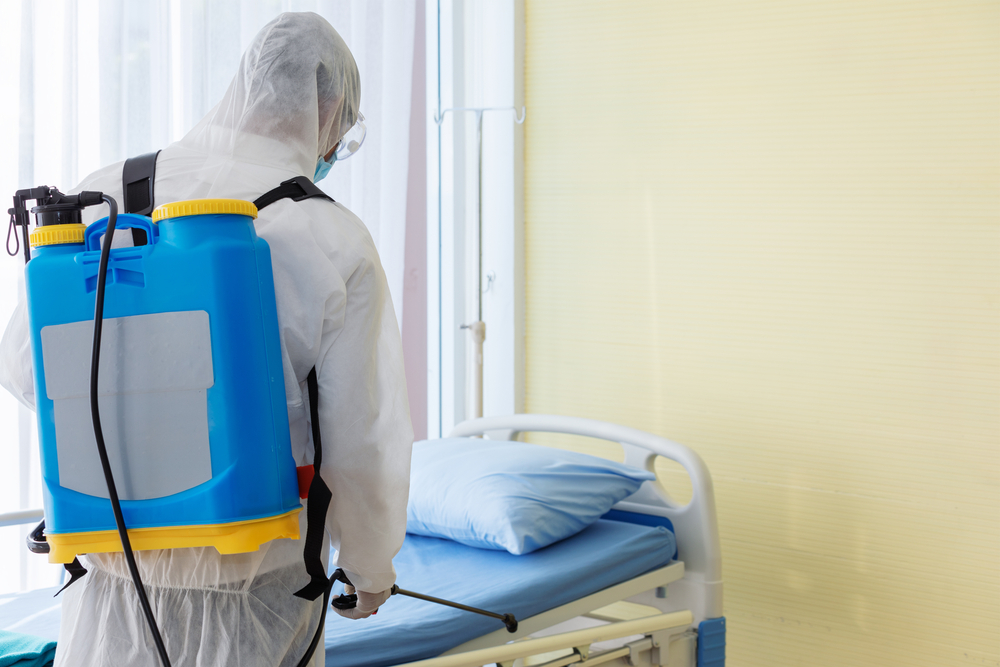
Something felt wrong when two Italian humanitarian aid workers returned to Lombardy from Uganda in late May 2026. Both had spent roughly three months working in East Africa. Both developed symptoms after landing. When those symptoms began to resemble what doctors associate with hemorrhagic fever, a sequence of protocols that European health systems keep ready for moments like this one clicked into motion.
Contents
show
Whether or not the word Ebola belonged in this story would take laboratory testing to determine. What was already clear, before those results came back, was that a strain of Ebola with no approved vaccine had been spreading rapidly through central Africa for weeks, had already crossed at least one international border, and that two aid workers now sitting in isolation at a specialist hospital in Milan had been working in a country that shared a border with the outbreak’s epicenter.
Two Patients and a Protocol Activation
Both patients had returned from Uganda as part of a group that included other family members. She was from Lurate Caccivio in Como province, he from nearby Bulgarograsso. After approximately three months in Uganda, they flew home over the weekend and within days were in the hospital.
Her condition was considered more serious. She developed a very high fever alongside neurological symptoms serious enough that doctors began considering cerebral malaria as a possible diagnosis, and discussion of intensive care admission had started. His symptoms were milder, a temperature around 38°C, and gastrointestinal problems, but still consistent enough with concern to warrant transfer.
Both were moved to the Sacco Hospital in Milan, a facility built to manage high-risk infectious diseases and equipped for exactly this kind of isolation scenario. Family members who had traveled back from Uganda with them were placed under monitoring. Lombardy’s regional welfare minister, Guido Bertolaso, confirmed that emergency procedures had been activated while making clear that nothing had yet been confirmed clinically.
“There is still no certainty that this is Ebola,” Bertolaso said at a press conference, adding that he remained hopeful the tests would return negative results.
Bertolaso also took issue with communications that had circulated before any official clinical confirmation arrived, arguing that premature statements and images had amplified alarm around what were, at that stage, standard precautionary measures laid down in international health protocols. By his account, public anxiety had been stoked before medicine had reached any conclusion.
What the Tests Found
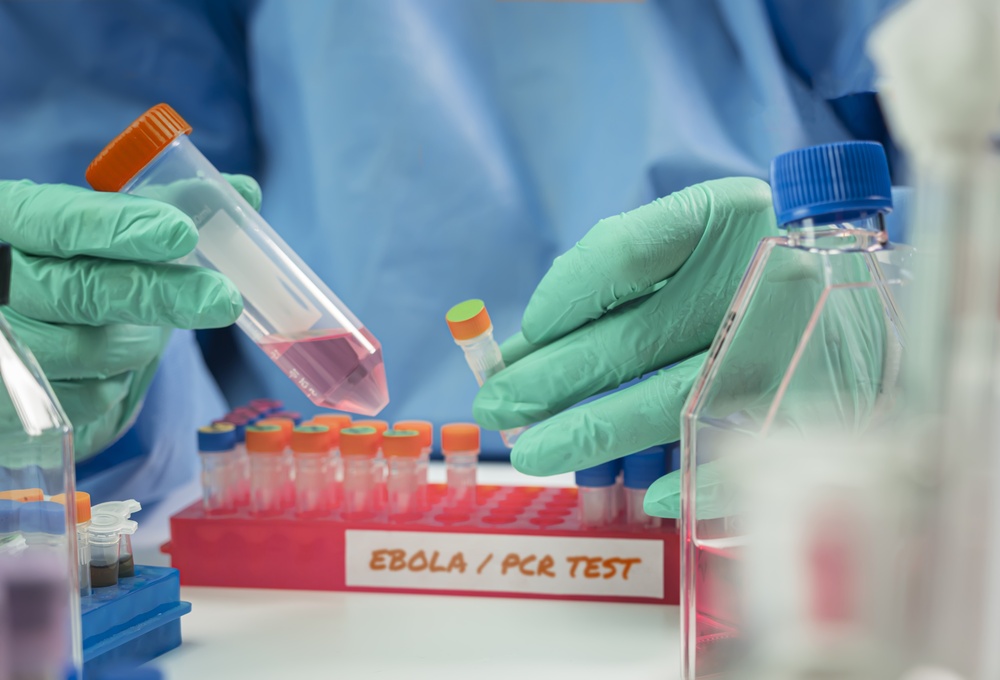
Both patients tested negative for Ebola. Italy’s Health Ministry confirmed the results and issued a formal statement stressing that the risk of Ebola in the country “remains very low,” while confirming the national system for preparedness and response to infectious emergencies remained fully operational. Monitoring of family members who had returned with the two patients from Uganda would continue.
Relief followed the announcement. Protocols had worked exactly as designed, with suspected cases isolated, tested under national and international guidelines, and cleared. What did not change after those results were published was everything that had made the protocols necessary to begin with.
The Outbreak Driving the Concern
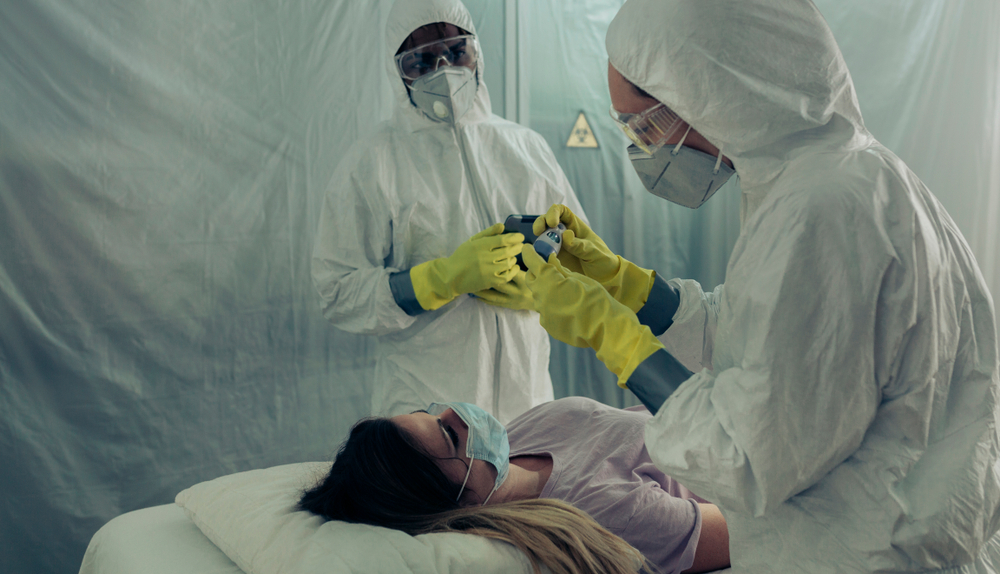
Ituri province in the eastern Democratic Republic of Congo, a region bordering Uganda, sits at the center of a growing Ebola crisis. By the time the Italian health alert was issued, more than 900 suspected cases and 234 deaths had been reported in the DRC. Among the dead were three Red Cross volunteers believed to have contracted the virus while managing bodies during outbreak response operations.
Uganda had recorded seven confirmed cases as of that week, verified by officials in Kampala. All flights to and from Bunia, the eastern DRC city where most cases and deaths had been concentrated, were grounded. Experts warned that the virus may have already traveled beyond those flight restrictions, with South Sudan named as a country of particular concern.
A meeting of the European Commission’s Health Security Committee was convened to address the situation. WHO raised its risk assessment for the DRC to “very high” while holding to its position that global spread risk remained low. That assessment was consistent with Italy’s test results, but health experts elsewhere were already questioning whether it captured the full picture.
A Strain Without a Vaccine
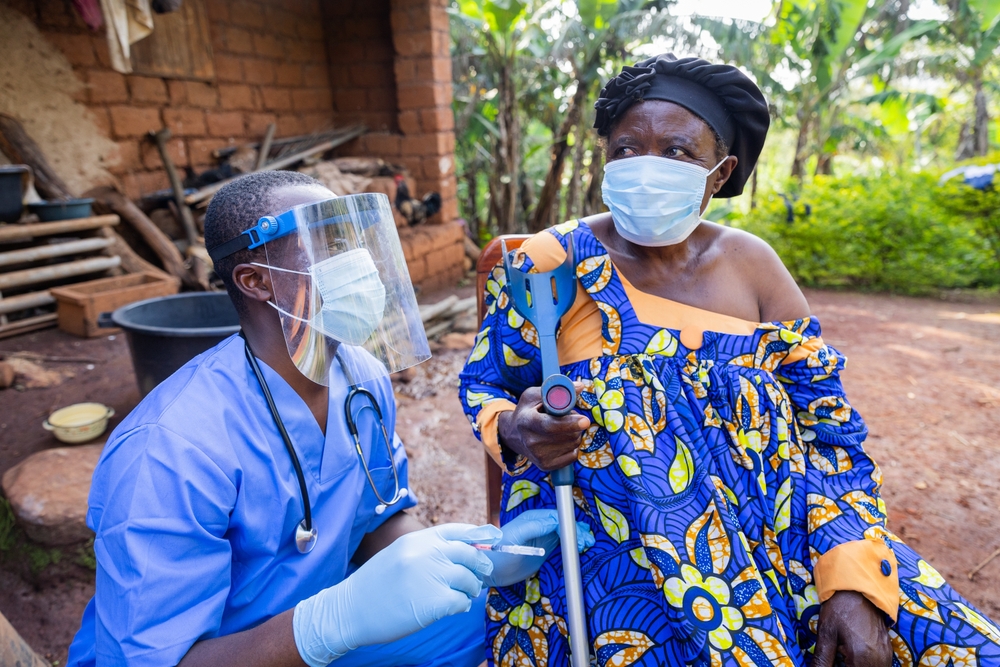
What separates the current outbreak from previous Ebola crises is the specific strain responsible. An approved vaccine already exists for the Zaire variant, the form most commonly associated with major outbreaks in West and Central Africa. Scientists spent years developing it, and it has been deployed in the field during previous emergencies with measurable effect.
Bundibugyo is the strain now spreading through Ituri province. No approved vaccine exists for it.
Scientists at Oxford University were working to develop one as of late May 2026, but the timelines involved offered little reassurance for the populations most immediately at risk. Researchers warned it would take two to three months before the experimental vaccine could even begin human trials, meaning patients in affected African communities were unlikely to have access to it within the next six months at minimum. Whether the jab would prove effective once it reached clinical testing remained an open and unanswered question.
In previous Ebola outbreaks, the virus killed more than half of those infected, with death in severe cases coming through internal bleeding and organ failure. Symptoms follow a consistent pattern across all known strains, beginning with fever, headache, muscle pain, vomiting, and diarrhea before advancing to the hemorrhagic phase. A person can carry the virus for up to 21 days before any symptoms appear, and experts believe infectiousness begins when symptoms start rather than during that incubation window. A potential three-week gap between exposure and detection creates the core challenge for monitoring returning travelers and managing the risk at borders during any active outbreak.
How Europe Has Responded
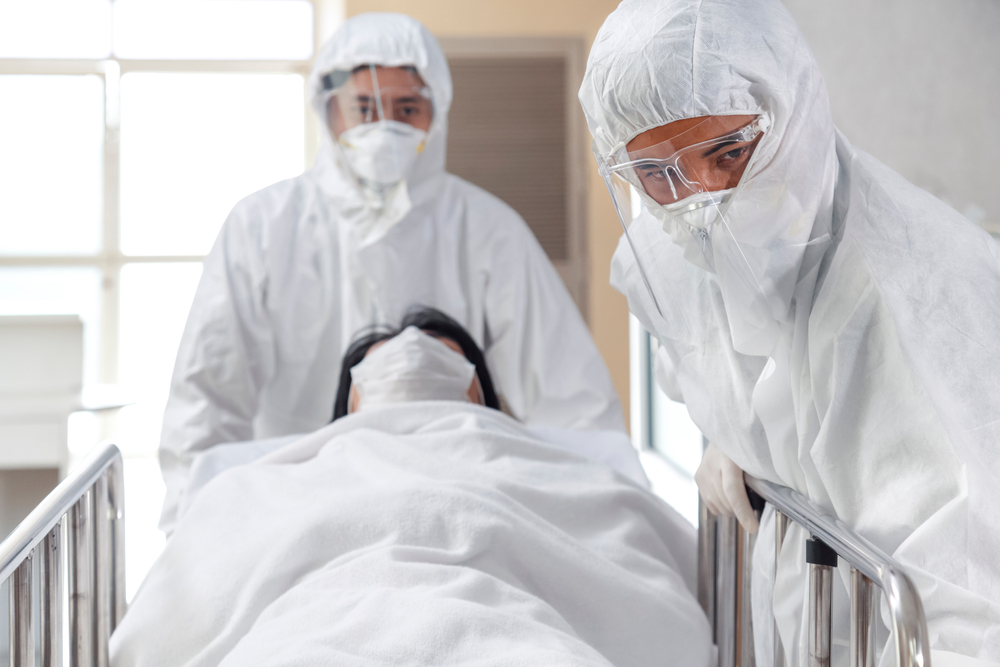
In the UK, the government announced up to £20 million to support containment efforts in eastern DRC and activated a Returning Workers Scheme requiring healthcare workers returning from Ebola-affected regions to be monitored for signs of disease. Italy’s emergency response infrastructure was placed on active status. European Commission health security officials held urgent discussions over the weekend.
None of those measures amounts to certainty. Each represents a system doing what it was built to do, and doing it with considerably more precision than was possible during any previous Ebola outbreak. What no monitoring scheme can fully prevent is a virus with a three-week incubation period traveling inside a person who does not yet know they are carrying it. That gap between exposure and detectability is structural and does not close, regardless of how well-designed the protocols surrounding it are.
What Experts Say About Preparedness
Italy’s two suspected cases tested negative, and the immediate alert passed. But the episode renewed a debate that infectious disease specialists had been pressing on governments for years about whether preparedness funding has genuinely kept pace with the risks posed by an interconnected world.
Dr. Derek Sloan, an infectious disease expert at St Andrews University and a spokesman for UK-Med and Healthy World, Secure Britain, placed the Ebola situation alongside recent Hantavirus cases on a cruise ship and meningitis infections in the UK as part of a pattern that demanded sustained attention rather than episodic, reactive responses.
“Infectious disease outbreaks such as these in our interconnected world cannot be dismissed as someone else’s problem,” Dr. Sloan said. “These examples show how important it is to maintain this expertise and underline the need to preserve funding for global health and international aid.”
His wider argument was that cuts to global health funding erode the infrastructure needed to detect, track, and contain outbreaks before they cross borders. A crisis in Ituri province may seem remote from Milan or London until two aid workers land at an airport with a fever, and how well the response functions when that happens depends entirely on investment decisions made years in advance.
Where Things Stand
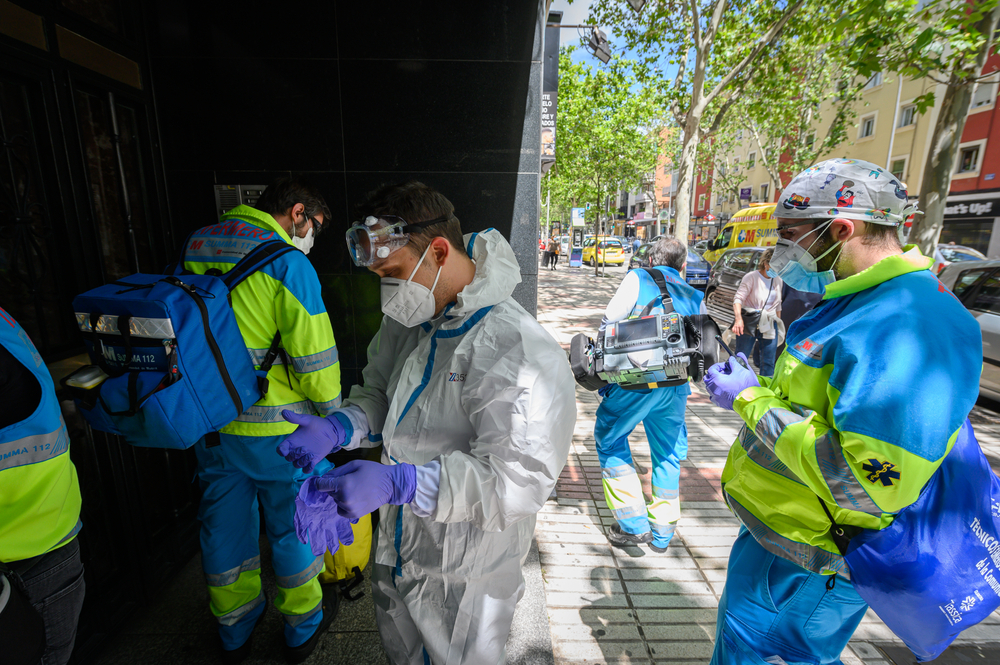
Italy’s two suspected cases tested negative, and the immediate alert has passed. DRC’s outbreak continues with more than 900 suspected cases, 234 deaths, and a viral strain for which no approved vaccine yet exists. Oxford’s experimental Bundibugyo vaccine remains months away from human trials, with no guarantee of efficacy waiting at the other end of that process.
WHO’s official stance holds that the global spread risk remains low. European health authorities have their monitoring systems active, response protocols in place, and emergency funding announced. Aid workers returning from affected regions are being tracked. Emergency meetings have been held.
What the Italian episode demonstrated, even in a scenario that resolved without a confirmed case, is how quickly the distance between a remote African outbreak and a European hospital ward can close. Two people returning from humanitarian work, a flight home, the onset of a fever, and a region’s entire emergency health infrastructure activates within hours. It worked this time. Whether it remains adequately funded and staffed to keep working when the next test arrives is a question that the people who run these systems have been asking for years, and that governments have not yet answered to their satisfaction.
Bundibugyo Ebola strain, Ebola Europe alert, Ebola hemorrhagic fever, Ebola incubation period, Ebola Italy Milan, Ebola No Vaccine, Ebola outbreak 2026, Ebola Zaire vaccine, European Commission health security, global health preparedness, humanitarian aid workers Ebola, Oxford Ebola vaccine, Sacco Hospital Milan, Uganda Ebola cases, WHO Ebola risk assessment