
Your cart is currently empty!
Florida Teen Needs 50 Units of Rare Blood, and Only 1 in 1,000 Donors Can Help
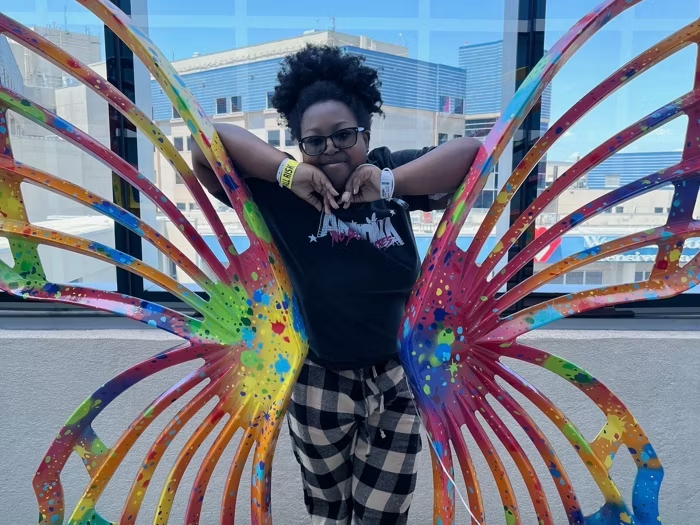
In a hospital in South Florida, an eighteen-year-old girl is waiting. She is not waiting for a surgeon to become available, and she is not waiting for an insurance approval or a bed to open up. Everything that needs to happen for her to survive is already in place, with one exception. What she is waiting for is blood, and not just any blood, but a specific kind so uncommon that the laboratory searching for it has resorted to testing donations around the clock.
Contents
show
Her name is Gigi Felix, and she lives in Fort Lauderdale. Doctors have identified a treatment that could give her a normal life, free from the illness that has kept her in and out of hospitals since childhood. They have a donor lined up for the procedure itself. What they do not have is enough of the right blood to safely proceed, and until they do, the transplant will not happen.
Fifty units. That is the number standing between Gigi and the rest of her life. Reaching it may require tens of thousands of people to walk into a donation center, and only a fraction of those people, statistically speaking, will turn out to be of any use to her at all.
The reason her blood is so difficult to match has less to do with bad luck than with everything the medical system has already done to keep her alive.
What Gigi Needs and Who Can Give It
The criteria are narrow, and OneBlood, the organization leading the search, has been direct about them.
To be a potential match for Gigi, a donor must be African American or of African descent. They must also be blood type O negative. That second requirement alone eliminates most people before the search even begins, because only about seven percent of the population carries O negative blood.
If you fall into the first category but have no idea what your blood type is, OneBlood is urging you to come in anyway. The organization will perform the necessary testing to determine whether you are a match. Nobody is expected to arrive with their medical history in hand. They are simply asking people to show up.
That is the practical ask. Understanding why it is so specific requires looking at what Gigi has been living with.
Living With Sickle Cell Disease
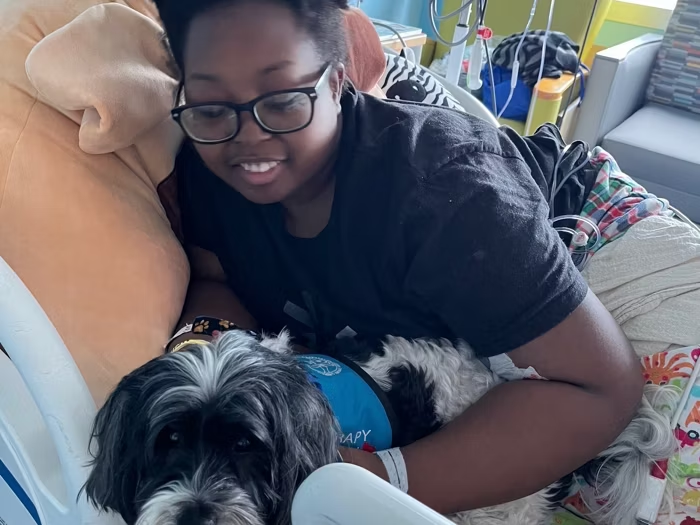
Sickle cell disease is an inherited blood disorder, which means Gigi did not develop it or catch it. She was born with it, and she has never known life without it.
The illness distorts red blood cells, turning them from round discs into rigid crescent shapes. Those misshapen cells do not travel smoothly through blood vessels. They snag and pile up, blocking blood flow, and the result is severe pain that can arrive without warning and last for days. Patients also contend with anemia and a heightened risk of serious infection. In extreme cases, the disease kills.
For Gigi, this has meant much of her life spent in hospital rooms, enduring constant pain and the cascade of complications that follow. The disease primarily affects the African American community and people of African ancestry, and many patients require frequent blood transfusions across their lifetimes simply to manage it. Those transfusions kept her alive. They also, over the years, made her nearly impossible to match.
Why Gigi’s Blood Is So Difficult to Match
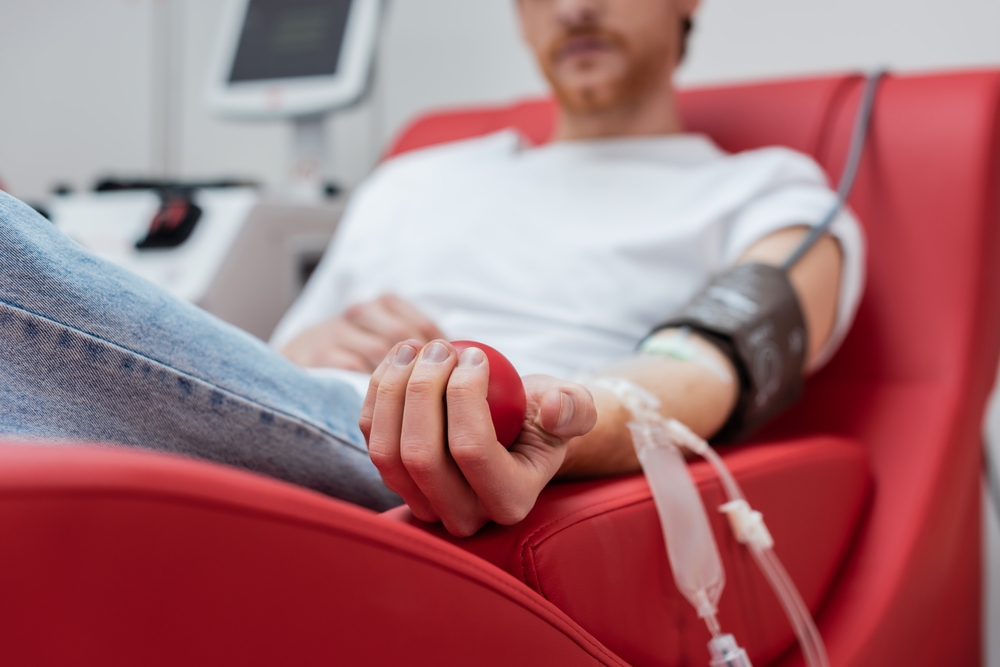
The obstacle comes down to antigens, which are the proteins and sugars that sit on the surface of red blood cells. Think of them as name tags. Your immune system reads those tags, recognizes what belongs in your body, and mobilizes antibodies against anything it does not recognize.
Genetics determine which antigens a person carries and which they lack. For blood to be safely transfused, a donor and recipient need more than a shared blood type. They need a compatible antigen profile, or the recipient’s body will attack and reject the incoming cells.
Gigi’s particular antigen combination is found almost exclusively within one ethnic group. Dr. David Crawford, the pediatric hematology and oncology physician who will perform her transplant at Holtz Children’s Hospital at UHealth Jackson Children’s Care in Miami, put it without hedging.
“Essentially every suitable donor for Gigi is going to be of African descent. We need the African American and Afro-Caribbean community to step up to help save Gigi’s life,” he said.
The Transfusions That Narrowed Her Odds
Here is the cruel mechanism at the heart of Gigi’s situation, and it is worth sitting with for a moment.
Every time a person receives a blood transfusion, their immune system sees foreign red blood cells and responds by producing antibodies. Those antibodies linger. The next transfusion introduces new cells, the body builds new antibodies, and the cycle repeats. With each additional transfusion, the odds of developing more antibodies climb, and the pool of blood that the body will accept shrinks.
Gigi has had countless transfusions throughout her life. She now carries so many different antibodies to red blood cells that most blood on earth is simply incompatible with her. The very treatments that carried her through eighteen years of sickle cell disease have progressively locked the door on the treatment she needs now.
The Numbers Behind the Search
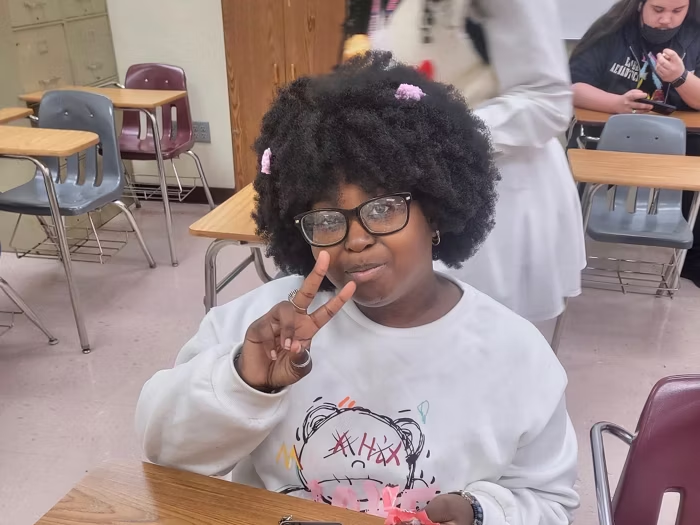
The statistics on her odds are difficult to absorb. Among people of African descent, only about one in a thousand will be a blood match for Gigi. She needs fifty units. Susan Forbes, OneBlood’s senior vice president of corporate communications and public relations, laid out what that arithmetic actually demands. Reaching fifty units will likely require somewhere in the neighborhood of fifty thousand people to donate.
Fifty thousand donations to produce fifty usable units. That is the ratio, and it explains why this has become a public appeal rather than a routine hospital request.
Some good news exists inside those numbers. A portion of the compatible units have already been located and set aside, reserved exclusively for Gigi. The search is not starting from zero. But the gap between what has been secured and what is required remains wide, and it will not close on its own.
Inside OneBlood’s Around-the-Clock Search
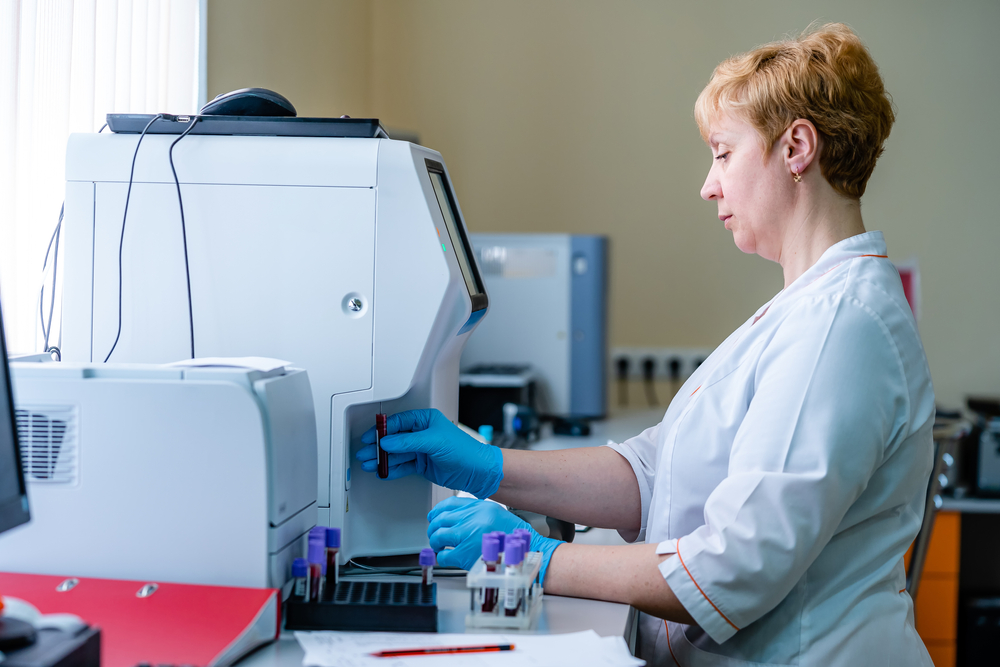
At OneBlood’s reference laboratory, the work has not stopped. Nancy Benitez, the organization’s vice president of immunohematology reference laboratories, described the effort in terms anyone can picture. It is, she said, like looking for a needle in a haystack. Her team is testing donations from individuals of African ancestry continuously, day and night, screening each one against Gigi’s antigen profile in hopes of a match.
Dr. Brian Cauff, chief of pediatric hematology and oncology at Joe DiMaggio Children’s Hospital, characterized what has been asked of them as a herculean undertaking, one that will take an incredible effort to complete. The scale of the testing, Benitez said, is enormous, driven by a single goal of finding those fifty rare units.
It is an extraordinary amount of institutional machinery aimed at one teenager. Which raises a reasonable question. Why must all fifty units be sitting in a refrigerator before doctors will even begin?
Why the Blood Must Be Secured Before the Transplant
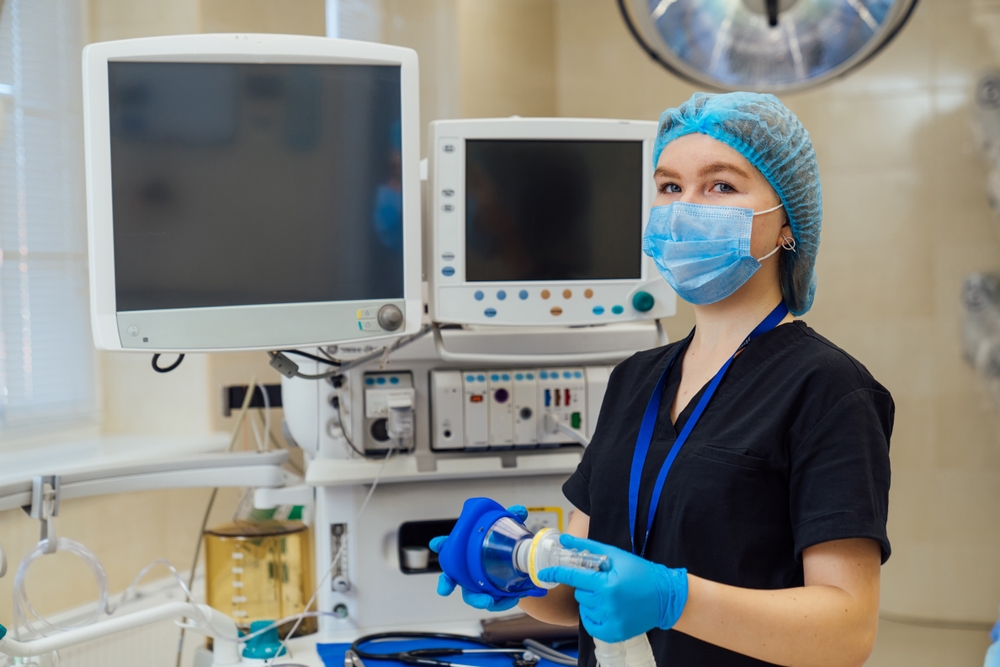
The answer lies in what happens to a patient’s body during and after a bone marrow transplant. Once Gigi undergoes the procedure, there will be a period before her body starts producing red blood cells on its own again. During that window, she will depend entirely on transfusions to survive. Given her extensive antibody profile, doctors are also worried she could suffer transfusion complications during the transplant itself, which means the specially matched blood has to be on hand and ready, not ordered as needed.
Attempting the transplant without the full supply would mean starting a procedure with no guarantee of being able to finish it safely. Dr. Cauff has been blunt that the risks of proceeding without enough blood are simply too high to accept.
He has also been clear about the alternative. Without the transplant, he expects Gigi will continue experiencing life-threatening complications, and he fears those complications will eventually prove fatal.
Her Brother, and the Chance at a Cure
For all the difficulty surrounding the blood, one crucial piece of Gigi’s treatment fell into place without a search at all. Her brother is a perfect match for the bone marrow transplant. The donor problem that stalls so many transplant patients for months or years does not apply here. He is ready.
And the outcome, should the procedure go forward, is remarkable. Almost every patient who receives a bone marrow transplant for sickle cell disease is cured of the disease. Not managed. Not stabilized. Cured. For Gigi, that would mean the end of the pain crises, the hospital stays, the transfusions, and the constant threat that has shadowed her since birth.
She knows exactly what is on the table. “To me it just seems like my last golden ticket,” she said.
A Wider Shortage in the Blood Supply
Gigi’s case is unusual in its specificity, but the shortage underneath it is not unusual at all. Fewer than four percent of African Americans donate blood. Because sickle cell patients receive the safest, most compatible transfusions from donors of the same ethnicity, that low participation rate creates a persistent problem across the entire patient population. Gigi is not the only person waiting on blood that is hard to find. She is simply the one whose situation has become urgent enough to make headlines.
Compounding matters, OneBlood is contending with an emergency blood shortage affecting every type. Summer has always been a difficult stretch for collections, with regular donors traveling and school drives on pause. Right now hospitals in the region are operating on what amounts to a one-day supply, and the call has gone out for all blood types, with particular urgency around type O.
How to Donate
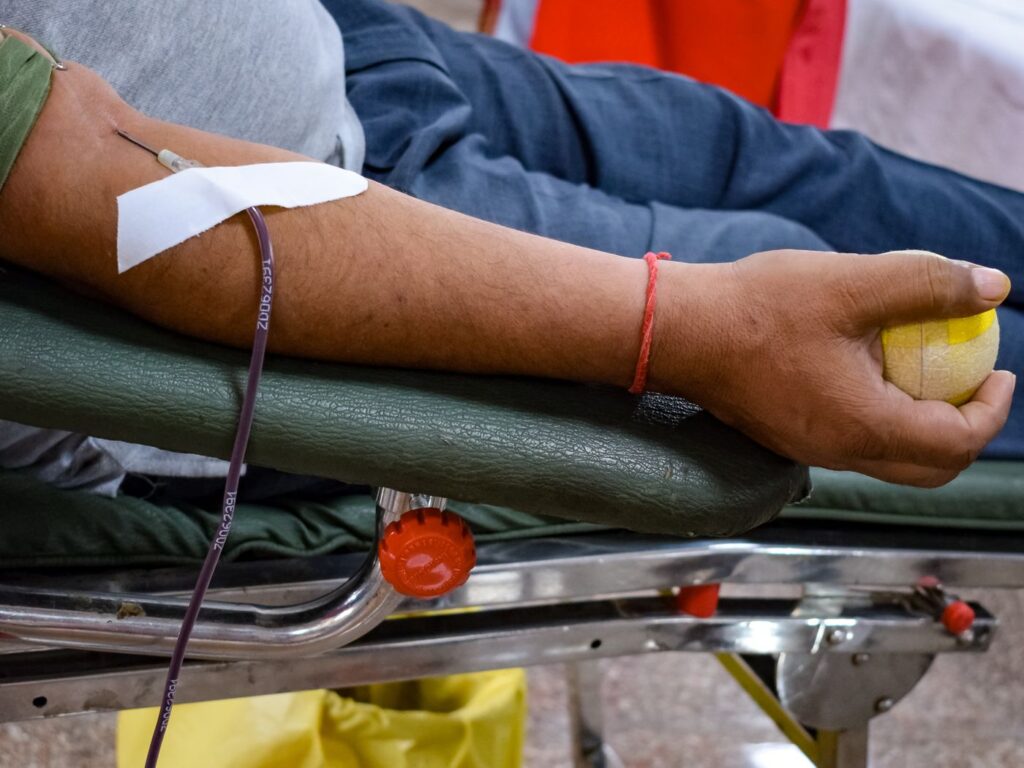
The barrier to helping, compared with the scale of the need, is almost absurdly low. No appointment is necessary. Donors can walk into any OneBlood donation center or step onto one of the organization’s Big Red buses, which circulate throughout the service area. OneBlood’s website lists donation locations and provides information for anyone who wants to organize a blood drive.
If you are African American or of African descent and you do not know your blood type, that is not a reason to stay home. It may be the single best reason to go. The testing happens on OneBlood’s end, and the only thing required of you is the decision to sit down and roll up a sleeve.
Somewhere in South Florida, an eighteen-year-old is counting on strangers she will never meet to make that decision. As Gigi herself put it, she is just asking for help, and it would mean a lot to her.
Featured Image source: One blood
oneblood.org/pages/saving-gigi.html
African American blood donors, blood antigens, blood donation, blood drive, blood shortage, bone marrow transplant, donate blood, Dr. Brian Cauff, Dr. David Crawford, Fort Lauderdale, Gigi Felix, Holtz Children’s Hospital, Joe DiMaggio Children’s Hospital, O negative blood, OneBlood, rare blood type, sickle cell cure, sickle cell disease, South Florida