
Your cart is currently empty!
Bad Bunny’s Super Bowl Show Earns 9 Emmy Nods, the Most in Halftime History
For nine years, a record set by a woman who dropped from the roof of NRG Stadium stood untouched. Lady Gaga’s Super Bowl LI halftime performance collected six Emmy nominations in 2017, a haul no other halftime show had come close to matching. Artists came and went from that stage, some of them among the biggest names in music, and none of them moved the number. The record looked less like a target than a ceiling.
Contents
show
On Wednesday, July 8, the Television Academy announced the 78th Primetime Emmy nominations, and the ceiling gave way. The Apple Music Super Bowl LX Halftime Show starring Bad Bunny landed nine nominations, the most any halftime performance has ever received.
There is a small piece of poetry buried in that fact. Gaga, whose record he broke, stood onstage beside him during the very show that broke it.
The Audience Behind the Nominations
Emmy voters were not responding to a niche performance. They were responding to one of the most-watched pieces of television of the year.
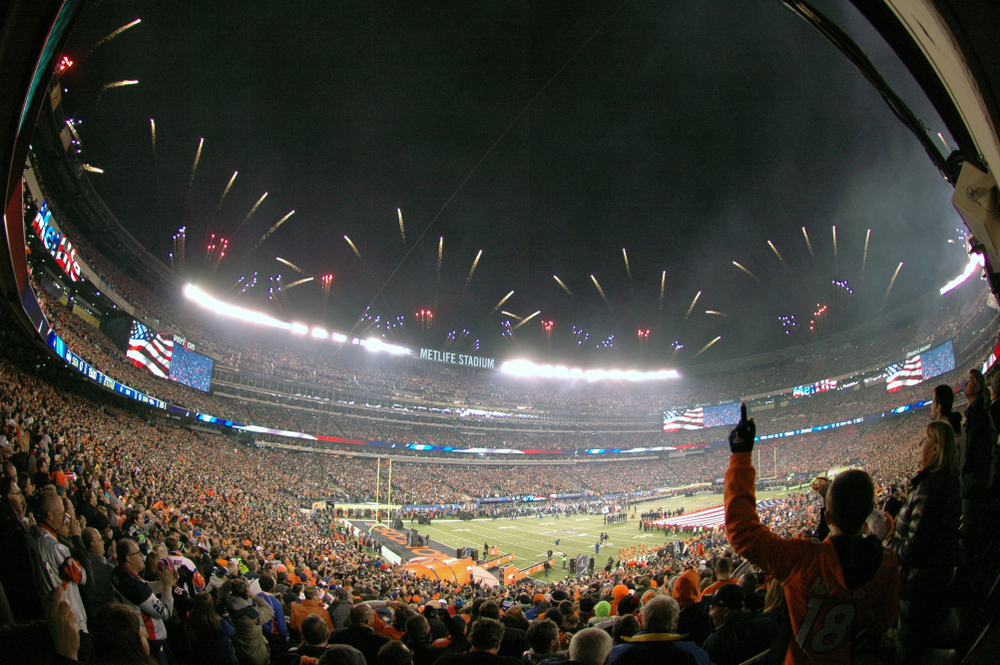
The show, which aired on NBC from Levi’s Stadium in Santa Clara, California, on February 8, 2026, drew 128.2 million viewers. That figure places it fourth on the all-time list of most-watched Super Bowl halftime shows, an extraordinary result for a performance delivered largely in Spanish and one that made the subsequent industry recognition harder to dismiss as a matter of taste.
Numbers of that scale change how a performance gets read. A halftime show is not a concert that people choose to attend. It arrives in the middle of the most-watched broadcast on American television, in front of an audience that includes people who have never listened to a Bad Bunny record and never intended to. Whatever happened during those minutes, an enormous number of people saw it.
Which Categories the Show Landed
The nine nominations are spread across performance and craft categories, which is where a halftime show tends to make its case.
The headline nod is Outstanding Variety Special (Live), the category that recognizes the production as a whole. Alongside it came recognition for production design for a variety special, choreography for variety or reality programming, technical direction and camerawork for a special, directing for a variety special, hairstyling for a variety, nonfiction or reality program, lighting design and lighting direction for a special, and music direction.
That spread tells you something about how the show was regarded. Nominations in lighting, camerawork, production design, and choreography are not gestures toward a star’s popularity. They are votes cast by the people who do that work professionally, evaluating whether it was done well. Bad Bunny himself appears on only one of the nine, the Outstanding Variety Special (Live) nomination, which happens to be the biggest one.
Bad Bunny’s Dual Credit and the Producers Behind Him
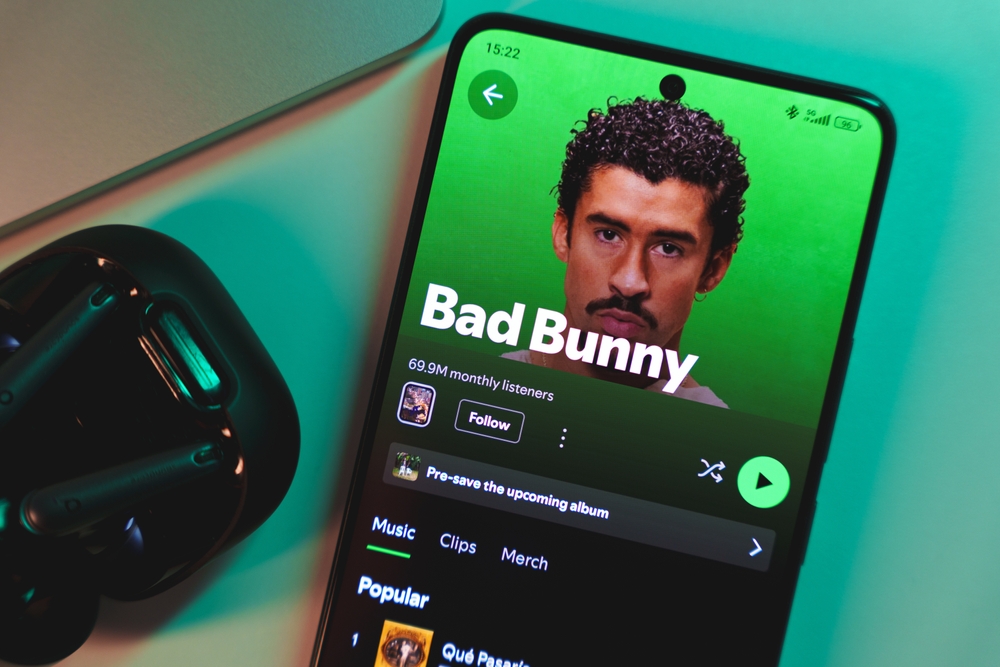
Under his birth name, Benito Antonio Martínez Ocasio, Bad Bunny is recognized twice within that single category. He is nominated as the lead performer and as a producer, meaning the Emmy would credit him both for what happened onstage and for the decisions that put it there.
He shares the nomination with a roster that reflects the scale of the operation. The executive producers are Shawn Carter, better known as Jay-Z, along with Desiree Perez, Jesse Collins, and Noah Assad. Dave Meyers is credited as co-executive producer. Jody Kolozsvari served as supervising producer. Jana Fleishman and Darren Pfeffer are listed as producers, with Chelsea Gonnering and John Kilgore as line producers.
Jay-Z’s presence is not incidental. His entertainment company has shaped the halftime show’s booking and creative direction for several years, and the run of critical recognition the show has enjoyed during that period is part of the story of how these performances came to be treated as television rather than as an intermission.
Seven Straight Years of Halftime Recognition
Bad Bunny’s nomination in Outstanding Variety Special (Live) continues a streak that has quietly become one of the more reliable patterns in awards season.
His is the seventh consecutive halftime show nominated in that category. The run began with Jennifer Lopez and Shakira in 2020, continued through The Weeknd in 2021, the all-star hip-hop show in 2022, Rihanna in 2023, Usher in 2024, and Kendrick Lamar in 2025. Seven years, seven nominations, no gaps.
What was once a spectacle discussed mainly in terms of wardrobe and set changes now competes as a produced television special. Whether that reflects a genuine elevation in the form or simply the Emmy’s recognition of where the audience is could be argued either way. The nominations, at minimum, are no longer a surprise.
Only One Halftime Show Has Ever Won
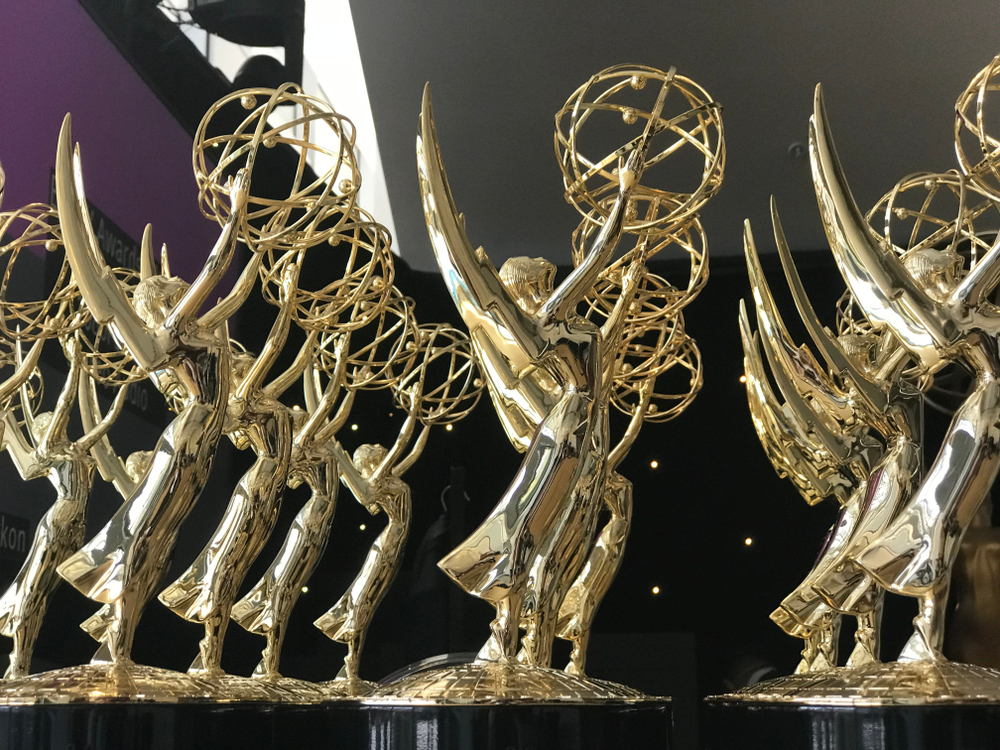
Here is where the streak runs into a harder wall. Across all seven of those consecutive nominations, exactly one halftime show has won Outstanding Variety Special (Live). The Pepsi Super Bowl LVI Halftime Show, starring Dr. Dre, Snoop Dogg, Mary J. Blige, Eminem, Kendrick Lamar, and 50 Cent, took the trophy in 2022. That victory made every billed artist on the bill an Emmy winner in a single stroke.
Six other halftime shows have gone home without one. Nomination has become routine. Winning has not, and the reason has less to do with the quality of the performances than with what these shows are asked to beat.
The Competition in the Top Category
In Outstanding Variety Special (Live), the halftime show is not up against other concerts. It is up against the awards industry itself.
The four other nominees are the 83rd Annual Golden Globe Awards, the 68th Annual Grammy Awards, the Oscars, and the 78th Annual Tony Awards. These are the ceremonies that hand out trophies, now competing for one.
Two of them carry storylines worth noting. This is the Golden Globes’ first nomination in the category since 2020, arriving after a scandal over the organization’s membership and ethics pulled the show off the air for a year and forced a reckoning and rebuild. The Grammys, for their part, have never won a top program Emmy, though the ceremony has taken home Emmys in other categories.
A thirteen-minute halftime performance is being asked to outperform four multi-hour live broadcasts with decades of institutional standing. That is the arithmetic behind the single win in seven years.
The Backlash That Preceded the Performance
The Emmy recognition arrives after a booking that generated substantial political opposition before a single note was performed.
Prominent Republicans criticized the NFL’s decision to select Bad Bunny as the headliner. President Donald Trump commented publicly on the choice, saying he was unfamiliar with the artist. “I never heard of him. I don’t know who he is … I don’t know why they’re doing it, it’s crazy, and then they blame it on some promoter that they hired to pick up entertainment. I think it’s absolutely ridiculous.”
Turning Point USA responded by organizing an alternative broadcast it called “The All-American Halftime Show,” positioned as counterprogramming to the official performance. After the show aired, criticism focused on Bad Bunny performing primarily in Spanish, his native language, as well as on the choreography and lyrical content. The Federal Communications Commission received more than 2,000 complaints regarding the broadcast.
That the same performance now holds the record for Emmy nominations does not resolve any of those objections, and it is not intended to. The two things happened, and they happened to the same show.
A Grammy Year, and a Path Toward EGOT
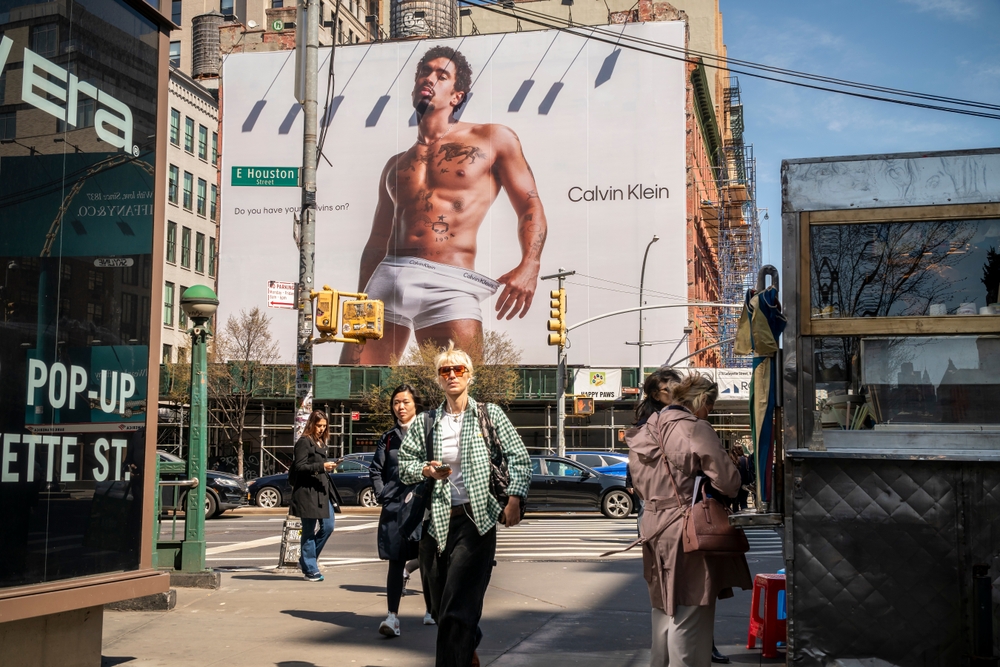
The Emmy nominations close out a year in which Bad Bunny had already rewritten part of the record. Earlier in 2026, he won three Grammy Awards. Two came for Debí Tirar Más Fotos, which took Album of the Year and Best Música Urbana Album, and a third went to “EOO,” a track from that record, for Best Global Music Performance. The Album of the Year victory carried weight beyond his own career, as it marked the first time a non-English-language album won the Recording Academy’s top prize.
With Grammys secured, an Emmy would place him within reach of EGOT status, the rare combination of Emmy, Grammy, Oscar, and Tony wins. It remains a distant prospect. He would still need an Oscar and a Tony, and the halftime show is competing against four established ceremonies for the trophy that would begin the climb. Still, the possibility now exists in a way it did not a year ago.
The Rest of the Music World at the Emmys
Bad Bunny was not the only musician recognized in this round of nominations. Taylor Swift earned her second Emmy nomination for the concert film “The Eras Tour: The Final Show,” competing in the variety special (pre-recorded) category, where she is credited as a producer. The film also picked up nominations in picture editing for variety programming, directing for a variety special, technical direction and camerawork for a special, and sound mixing for a variety series or special.
Sabrina Carpenter added an Emmy nomination to her credits as well, recognized for Disney’s “The Muppet Show” in the same variety special (pre-recorded) category.
The pattern across all three is worth noticing. Music performance, whether staged at a stadium, filmed across a global tour, or built around felt puppets, is increasingly being judged as television production rather than as something adjacent to it.
When the Winners Are Announced
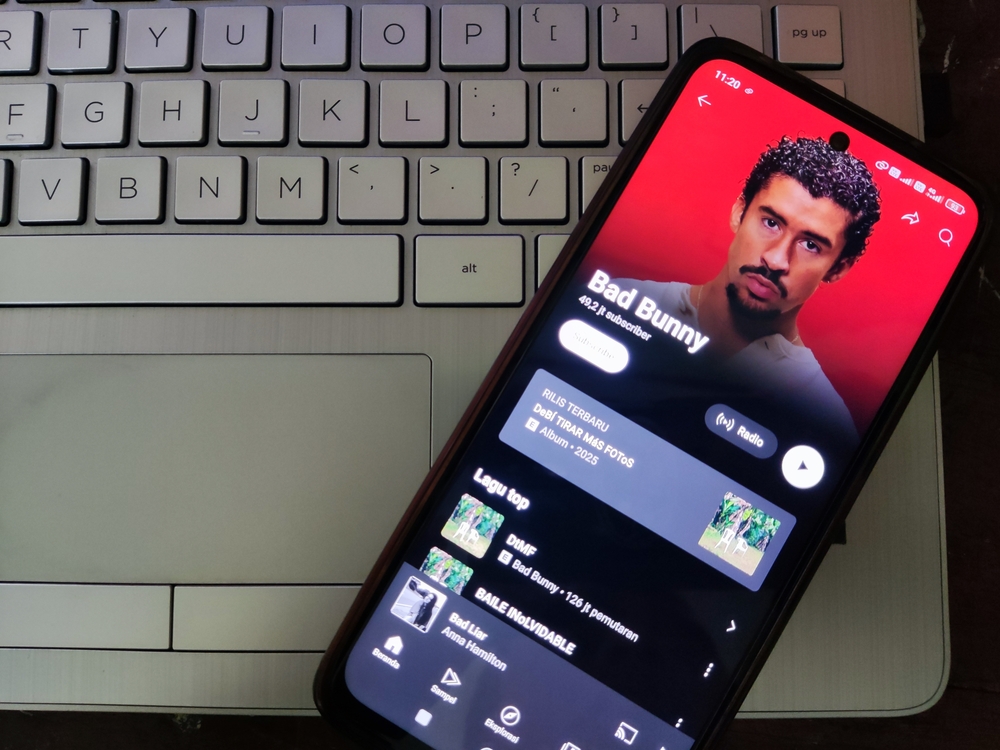
The timeline from here is short. Emmy voting closes on August 26. The Creative Arts Emmys, where most of the halftime show’s nine nominations will be decided, are handed out on September 5 and 6. The 78th Primetime Emmy Awards follow on Monday, September 14, 2026, broadcast live from the Peacock Theater in Los Angeles.
Mariska Hargitay hosts. The ceremony airs on NBC and streams on Peacock at 8 p.m. ET and 5 p.m. PT, which means the network that broadcast the halftime show in February will be the one to announce whether it made history twice.
78th Primetime Emmys, Apple Music halftime show, Bad Bunny, Benito Antonio Martinez Ocasio, Creative Arts Emmys, Debí Tirar Más Fotos, EGOT, Emmy nominations, Grammy Awards, Halftime Show, Jay-Z, Lady Gaga, Levi’s Stadium, NBC, Outstanding Variety Special Live, Roc Nation, Sabrina Carpenter, Super Bowl LX, Taylor Swift