
Your cart is currently empty!
The Brief 90s Swing Craze That Turned Gen X Into Dance-Floor Traditionalists
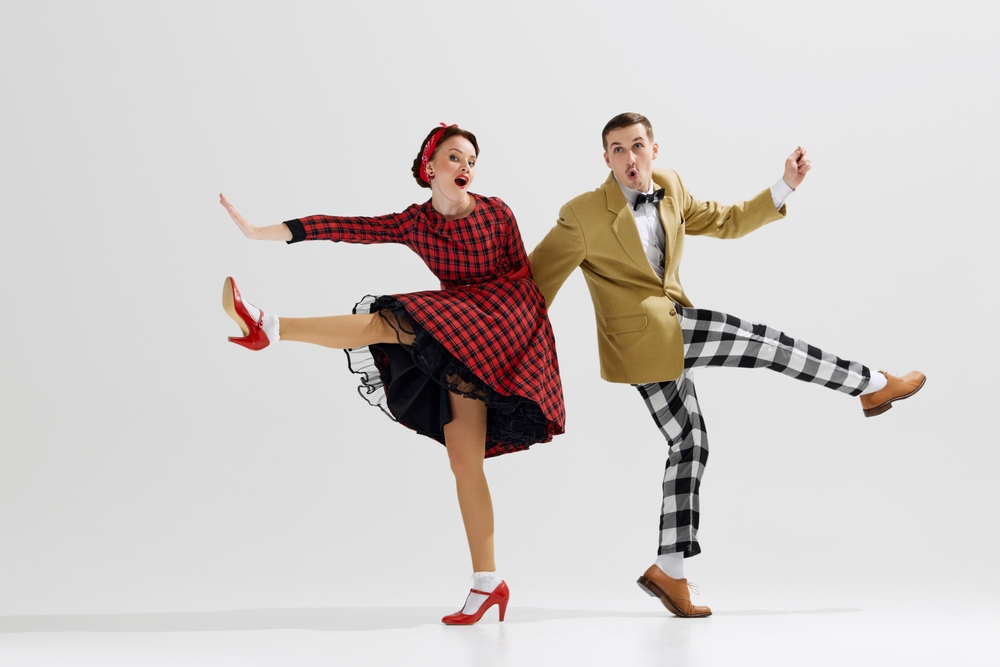
For a short stretch in the late 1990s, American pop culture took a strange and stylish turn.
Contents
show
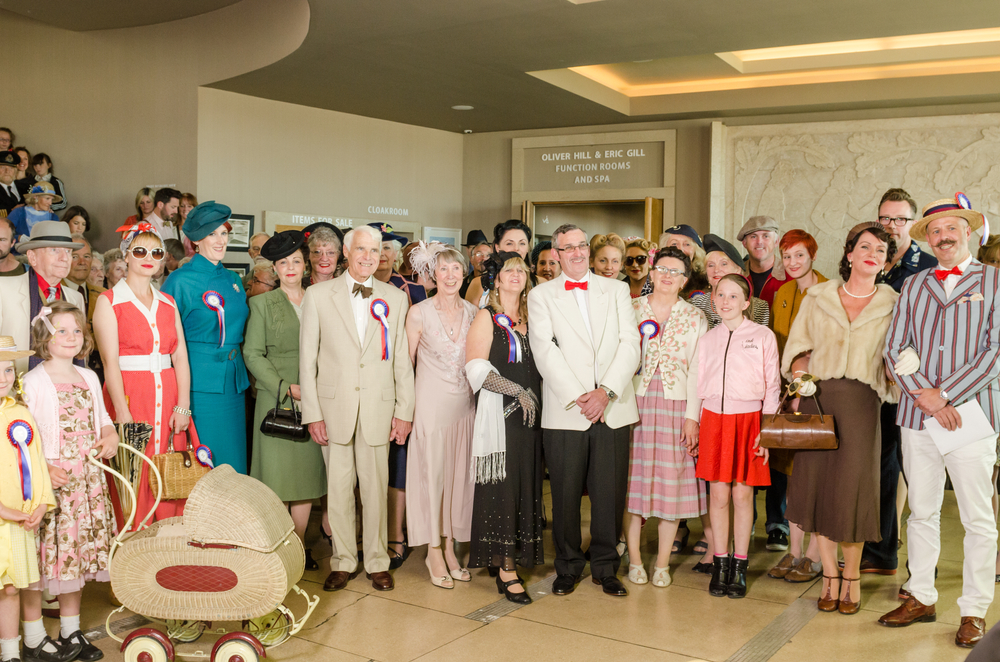
Young people who had grown up on grunge, punk, ska, hip-hop, and alternative rock suddenly started learning the Lindy Hop. MTV played horn-heavy videos. Gap made khakis look like dancewear. Then, almost as quickly, the moment vanished.
A Viral Question Reopened A Very 90s Mystery
The conversation resurfaced after film editor Simone Smith asked Gen X to explain why swing music became so popular for such a brief period in the late 1990s.
Her question landed because the memory is oddly specific. For many people who came of age during that era, swing was not some niche historical interest. It briefly became part of mainstream youth culture.
Between 1996 and 1998, swing went from being nearly absent from pop radio to feeling unavoidable in alt-rock-era spaces. Then it slipped away from the center of culture almost overnight.
That short window produced a recognizable scene: dance studios filled with beginners, retro suits reappeared, fedoras came back, and bands with horns landed on television in a way few would have predicted only a few years earlier.
The Bands That Made Old Music Feel New
The late-90s swing revival did not come from nowhere. It had roots in underground scenes, especially in Los Angeles, where retro style and punk attitude crossed paths.
According to Billboard, Royal Crown Revue helped light the fuse after forming in 1989. The band’s connection to the punk scene mattered because it gave swing a harder edge than nostalgia alone could offer.
Royal Crown Revue’s 1940s-inspired look and sound were not presented as museum culture. They felt theatrical, sharp, and youthful.
The band’s Wednesday night residency at The Derby in Los Angeles became closely tied to the revival. That residency helped turn swing from a record collection curiosity into something physical.
People were not only listening. They were showing up, dressing up, and learning steps.
For a generation raised on scenes, clubs, and visible subcultures, that mattered. Swing offered a complete world: music, fashion, dancing, and attitude.
How Hollywood Helped Swing Reach The Mainstream
Big Bad Voodoo Daddy helped push that world beyond the club circuit. The band’s appearance in Jon Favreau’s 1996 film “Swingers” gave the revival one of its most durable pop-culture moments.
The movie followed young men drifting through Los Angeles nightlife, with a soundtrack that blended older standards and contemporary swing revival acts. It made the scene look cinematic without making it feel overly polished.
For many viewers, “Swingers” became a gateway. It gave the movement a setting, a mood, and a cast of characters who made retro cool feel like a modern identity.
By the time “Swingers” arrived, Hollywood had already been warming audiences up to older styles. Films including “A League of Their Own” from 1992, “Swing Kids” from 1993, and “The Mask” from 1994 had already brought vintage clothes, older musical forms, and energetic dance scenes to modern audiences.
Those films did not all serve the same audience, but they shared a fascination with stylized nostalgia. That helped swing to avoid feeling remote.
“The Mask” gave Royal Crown Revue’s “Hey Pachuco!” a cartoon-bright showcase. For younger viewers, swing did not arrive as something dusty from an older record cabinet. It appeared in a comic, kinetic, brightly colored mainstream hit.
“Swingers” worked differently. It was smaller, cooler, and more conversational. It made swing feel like part of a nightlife code, where the clothes, the music, and the dancing became signals of taste.
Gap Turned A Subculture Into A Commercial Image
The moment swing became truly unavoidable may have come from a clothing commercial.
In 1998, Gap released its “Khakis Swing” ad, showing dancers moving through crisp choreography to Louis Prima’s “Jump, Jive an’ Wail.” The New Yorker covered the campaign that year in “Dept. of Salesmanship,” placing the ad within the broader swing revival then filtering through advertising and youth culture.
The ad was short, clean, and instantly readable. It sold pants, but it also sold movement.
That was the commercial genius of the spot. Gap did not need to explain the revival. It only needed to show attractive young people making khakis look alive.
The ad worked because it connected several trends at once:
- Retro Style: Vintage-inspired clothing already had a foothold in 90s fashion.
- Dance Culture: Rave culture, club culture, and music-video choreography had made movement central to youth identity.
- Mainstream Simplicity: The ad made swing look easy to understand, even if the dancing itself required practice.
- A Memorable Song: Louis Prima’s recording gave the spot instant energy.
- Visual Contrast: Khakis, often treated as plain basics, suddenly looked playful and sharp.
Advertising did what advertising often does best. It compressed a cultural trend into a few seconds that millions of people could recognize.
Why The Sudden Pivot Made Sense
The swing revival also made sense emotionally.
By the mid-1990s, grunge had lost some of its early cultural force. Alternative rock remained dominant, but the mood was changing. A brighter, more playful current was moving through music, fashion, and nightlife.
Swing offered release. It was social, structured, and upbeat. It gave people a reason to dress carefully and dance with another person in public.
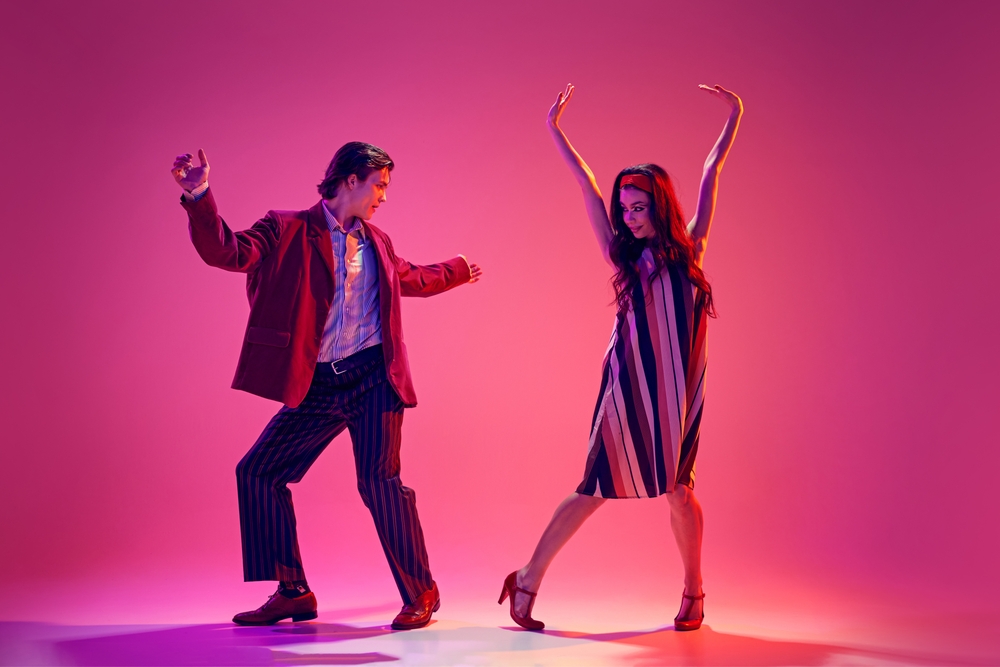
That last part should not be overlooked. Much of late-20th-century youth music centered on watching bands, moshing, or dancing individually. Swing required contact, timing, and cooperation.
One commenter offered a generational reading of the trend: “Two more things: 1. The 90s had a broader affection for 40s/late 30s fashion, kind of like the 80s had for the 50s, and 2. The boomers would never shut up about how the 60s were the one true youth culture, which made it extra appealing to embrace their parents’ music over theirs.”
That explanation is playful, but it points to something real. Gen X often defined itself in opposition to inherited cultural narratives.
Embracing swing gave young adults a way to sidestep the 1960s nostalgia that dominated so much Boomer self-mythology. Instead, they reached further back, to a period with different codes of dress, dance, and public performance.
Why The Craze Burned Bright And Faded Fast
Swing’s mainstream peak was always likely to be brief.
Once a subculture becomes a commercial shorthand, it gains visibility but loses some of the mystery that made it appealing. By the time swing was in clothing ads, movie soundtracks, and major-label marketing, it had already reached the stage where mass culture could flatten it.
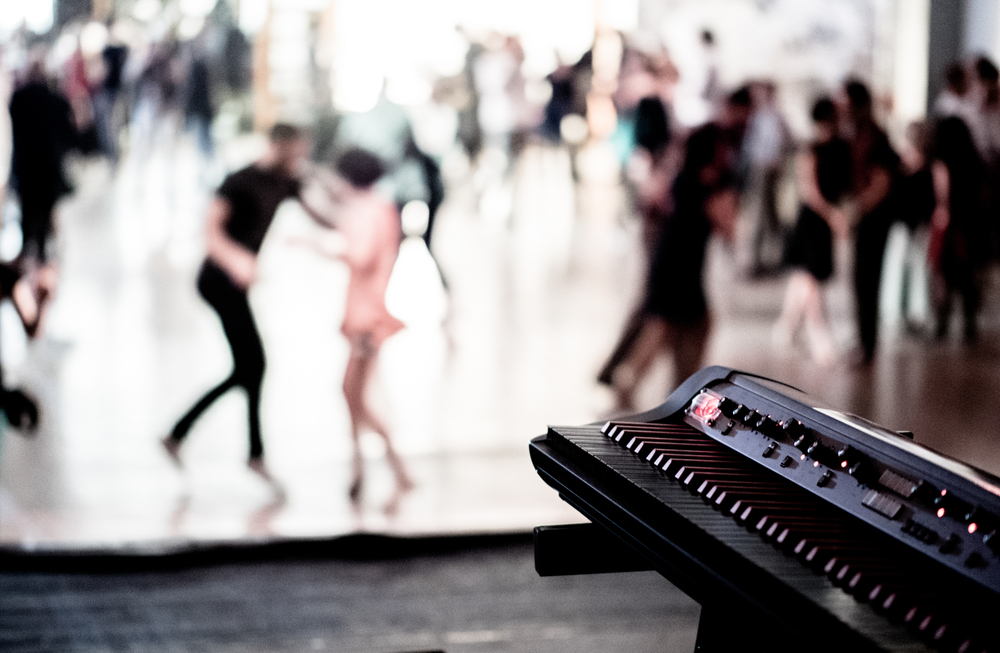
The music also faced a practical problem. Swing dancing takes effort. It is easier for a trend to survive passively than to keep asking people to learn steps, find partners, and go to specialized venues.
That does not mean the revival failed. It succeeded on its own terms. It created a vivid cultural snapshot and brought many people into contact with older American musical traditions.
Several forces came together at the right time:
- Underground Credibility: Bands like Royal Crown Revue connected vintage sound to punk-era attitude.
- Movie Exposure: “Swingers” gave the scene a story and a recognizable Los Angeles setting.
- Fashion Timing: Retro suits, dresses, and lounge aesthetics fit 90s style experiments.
- Advertising Power: Gap made swing instantly legible to mainstream audiences.
- Generational Appetite: Gen X was ready for something stylish, social, and distinct from Boomer nostalgia.
- Dance-Floor Novelty: The Lindy Hop offered an alternative to standing at shows or dancing alone.
The result was a revival that felt sudden because most people only noticed it once it had already reached its most visible stage.
The Other Strange 90s Throwback Craze
Swing was not the decade’s only unexpected musical revival.
In 1994, “Chant” by the Benedictine Monks of Santo Domingo de Silos became a major commercial success in the United States. Rolling Stone later revisited the unusual phenomenon in “Flashback: Spanish Monks Ignite Gregorian ‘Chant’-Mania,” noting that the album turned decades-old Gregorian chant recordings into a pop-market surprise.
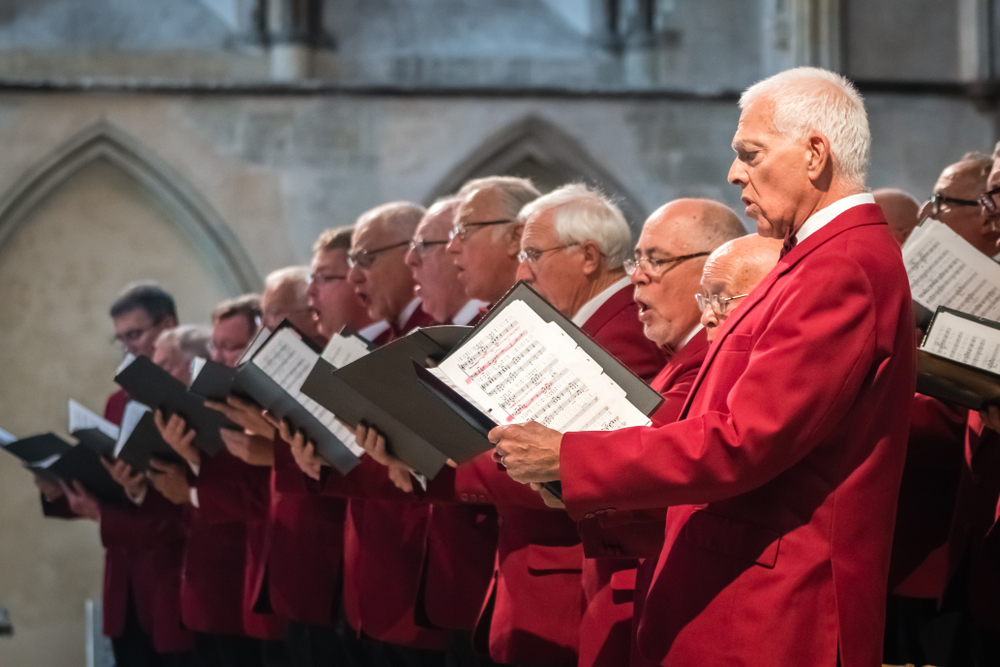
The New Yorker also reflected on the chant craze in “Chant Craze,” connecting it to a recurring public appetite for music marketed as calm, ancient, and spiritually restorative.
That context makes the swing revival feel less isolated. The 1990s had a remarkable ability to turn older forms into mainstream curiosities, especially when they offered a strong mood.
Swing gave people motion. Chant gave people stillness. Both gave the decade a way to borrow from the past while repackaging it for modern stress, style, and identity.
What The Swing Revival Says About 90s Pop Culture
The late-90s swing craze looks odd from a distance because it does not fit the simplified version of the decade.
The 1990s are often remembered through grunge flannel, hip-hop’s commercial expansion, teen pop, rave culture, and alternative rock. Swing complicates that picture in the best way.
It shows how restless the decade really was. People were not only chasing the future. They were remixing the past, sometimes with sincerity and sometimes with a wink.
That may be why the memory still sticks. Swing was theatrical, communal, and brief enough to remain unspoiled by overexposure.
For a few years, Gen X made the old-school dance floor feel new again. Then the mainstream moved on, leaving behind a strange, stylish footnote that still makes people ask how it happened in the first place.