
Your cart is currently empty!
Someone Had a Brilliant Idea for AI Data Centers But There Is One Huge Problem
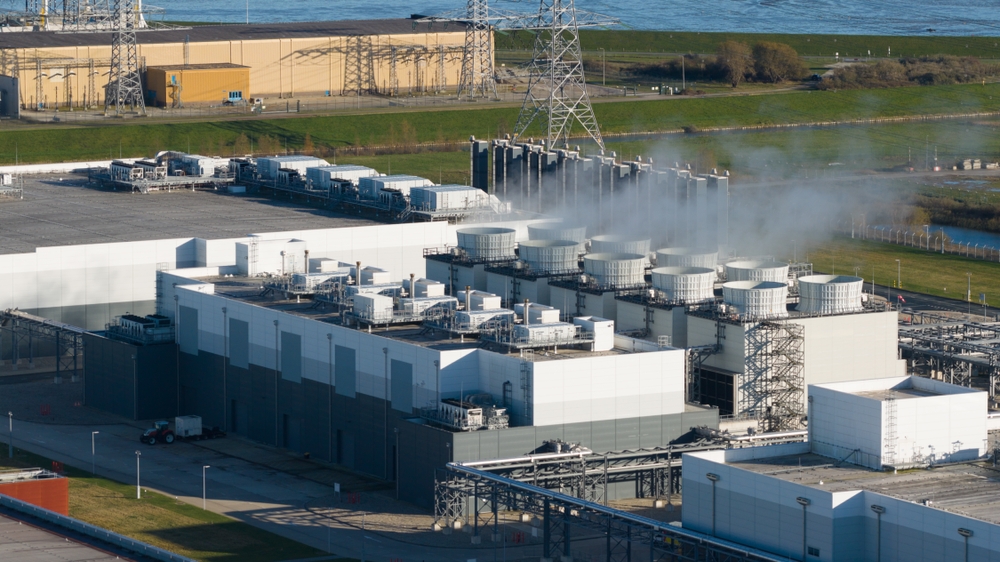
It started with a question that sounds almost too obvious to dismiss.
Contents
show
If data centers spend enormous amounts of money cooling their servers, why don’t companies simply build them in Antarctica? The continent is already one giant freezer, so wouldn’t nature do most of the work for free?
The idea has spread across social media countless times, usually accompanied by the same conclusion: someone must have overlooked the simplest solution imaginable. But once engineers, physicists, and infrastructure experts begin unpacking the proposal, it becomes clear that Antarctica solves only one problem while creating a dozen others. The answer reveals something surprising about how the internet actually works.
Why Antarctica Sounds Like the Perfect Home for Data Centers
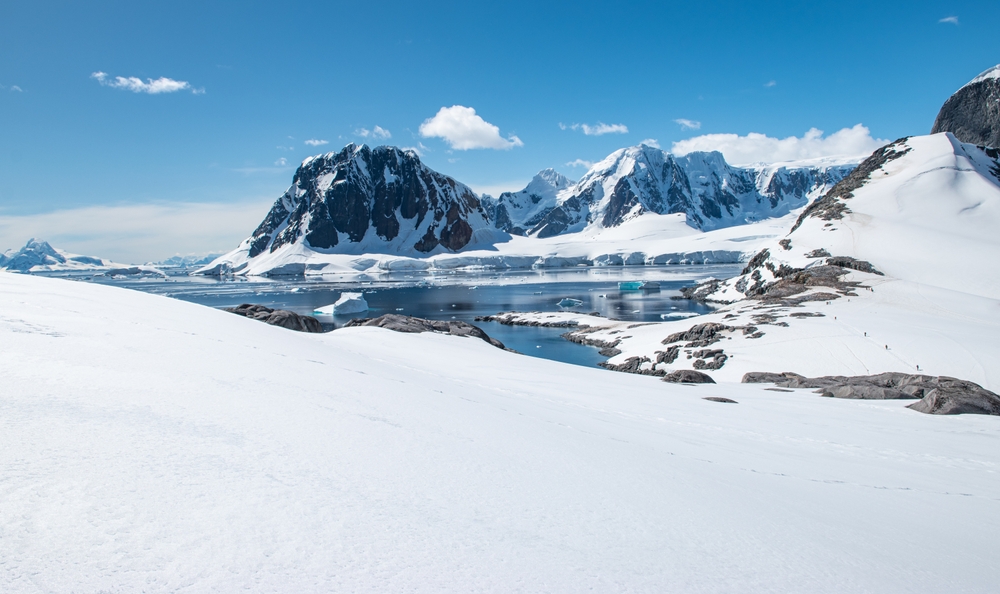
On the surface, the proposal makes complete sense.
Modern data centers produce extraordinary amounts of heat. Thousands of servers operate around the clock, performing everything from processing bank transactions to training artificial intelligence models and streaming movies to millions of people simultaneously. Almost every watt of electricity those machines consume eventually becomes heat, and that heat has to be removed before equipment starts slowing down or shutting off.
Cooling has become one of the industry’s biggest operational expenses. Depending on the facility, keeping servers at safe temperatures can account for between 30 and 55 percent of total electricity consumption. As AI systems become larger and more demanding, cooling requirements continue to rise alongside them.
That is exactly why the Antarctica idea feels so convincing.
Instead of spending vast amounts of electricity powering industrial cooling equipment, why not let one of the coldest places on Earth handle the job naturally? With temperatures remaining below freezing throughout much of the year, Antarctica appears to offer unlimited cold air at no additional cost.
Many people imagine rows of servers operating beneath the ice while the surrounding environment quietly absorbs the excess heat. Compared with building expensive cooling infrastructure in warmer climates, the concept seems elegant, efficient, and surprisingly practical.
The question has become one of the internet’s favorite engineering thought experiments because it appears to solve one of AI’s fastest-growing problems with nothing more than geography.
The Viral Idea Leaves Out Almost Everything a Data Center Actually Needs
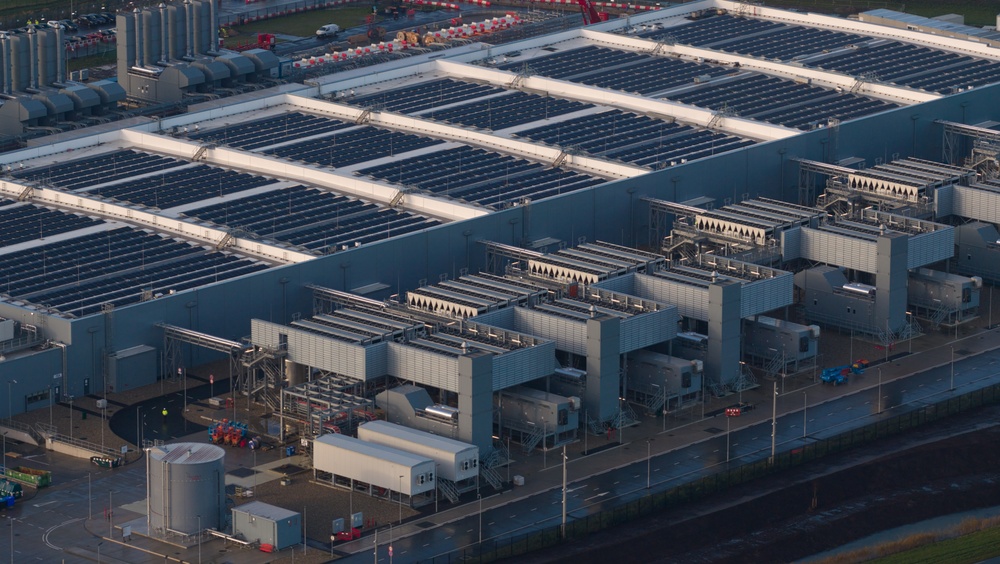
The problem is that cooling is only one requirement on a very long checklist.
A data center is not simply a warehouse filled with computers. It is part of an enormous digital ecosystem that depends on infrastructure most people never think about.
Every facility needs a constant supply of electricity, multiple high-speed internet connections, backup power systems, replacement hardware, security, maintenance teams, transportation networks, and engineers who can respond immediately when something goes wrong. Servers fail every day. Hard drives wear out. Network equipment requires upgrades. Software must be patched. New hardware has to arrive on schedule.
None of that happens automatically.
The internet may feel invisible, but the infrastructure supporting it is deeply physical. Every search, video stream, online purchase, and AI prompt depends on thousands of people maintaining millions of pieces of equipment across the globe.
Antarctica offers exceptional cold.
It offers very little of everything else.
Unlike major technology hubs, the continent has no cities supporting large technical workforces, no industrial supply chains capable of replacing failed equipment quickly, and no transportation network built for continuous commercial operations. Even reaching research stations often depends on carefully planned seasonal shipments because weather conditions can delay aircraft and ships for days or even weeks.
If a critical server component failed inside one of the world’s largest AI facilities, replacing it would be dramatically more difficult than driving a few hours from a nearby warehouse.
That alone begins to change the economics of the idea.
Electricity Is the First Deal Breaker
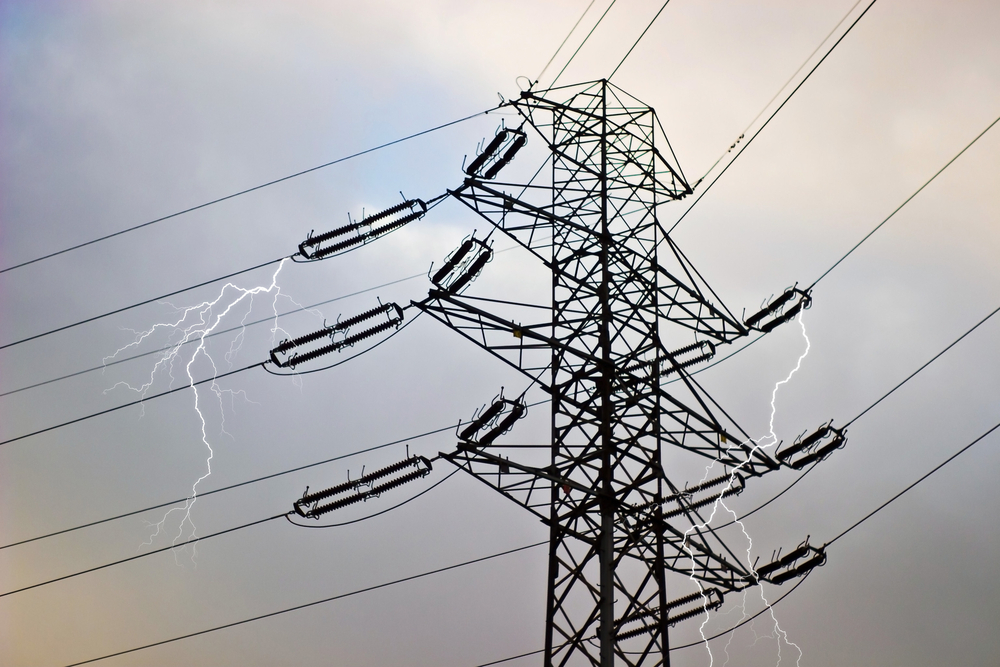
Even if Antarctica could cool servers for free, those servers would still need enormous amounts of electricity.
Modern AI data centers consume power on a scale that rivals small cities. Some facilities operated by major technology companies use enough electricity to supply tens of thousands of homes, and future AI campuses are expected to demand even more as computing requirements continue to grow.
Antarctica has nothing resembling the electrical infrastructure required to support that demand.
The continent’s research stations generate enough power for scientific missions and small communities of researchers. They were never designed to supply hundreds of megawatts to industrial computing facilities operating twenty-four hours a day.
Creating that capacity would mean constructing an entirely new energy system from the ground up.
Power plants would need to be built.
Transmission infrastructure would have to stretch across one of the harshest environments on Earth.
Fuel or renewable energy systems would require continuous maintenance despite freezing temperatures, high winds, and months of darkness during the Antarctic winter.
Every piece of supporting infrastructure would increase costs that quickly erase many of the savings gained from natural cooling.
Suddenly, the simple solution no longer looks quite so simple.
Fast Internet Matters Just As Much As Cold Weather
Even if Antarctica somehow solved the electricity problem, another obstacle would quickly appear.
Data centers exist to serve people, and people expect answers almost instantly.
Every time you open a website, ask an AI chatbot a question, upload a photo, or watch a video online, your request travels through a network of fiber-optic cables before reaching a server. Those servers process the information and send a response back in fractions of a second. The shorter that journey is, the faster the experience feels.
That is why technology companies rarely build massive data centers in remote locations without excellent connectivity. Speed matters almost as much as computing power.
Antarctica sits thousands of miles away from the regions where most internet users actually live.
Unlike North America, Europe, and Asia, the continent is not connected by a dense network of undersea fiber-optic cables capable of carrying enormous volumes of internet traffic. Communications there rely largely on satellite links, which have far less capacity and significantly higher latency than fiber networks.
For scientific research stations, that limitation is manageable.
For a hyperscale AI data center serving millions of users every minute, it would be a disaster.
Imagine asking an AI assistant a question or starting a video conference, only to wait noticeably longer because every request has to travel to the bottom of the world before coming back. Modern cloud services compete on milliseconds, and even tiny delays can affect online gaming, financial trading, video streaming, and real-time AI applications.
In other words, building a data center in Antarctica could make the internet feel slower for much of the planet.
Running a Data Center Means Running a Small City

One misconception behind the Antarctica proposal is that data centers can simply be left alone once construction is finished.
In reality, they require constant attention.
Thousands of servers are installed, monitored, repaired, upgraded, and replaced every year. Storage drives eventually fail. Network switches need updates. Backup systems must be tested. Cooling equipment requires servicing. Security teams monitor both physical and digital threats around the clock.
Every one of those tasks depends on people.
Large facilities employ engineers, electricians, mechanical specialists, network technicians, cybersecurity professionals, logistics coordinators, and operations staff. Around them sits an entire support network of suppliers, manufacturers, contractors, and transportation companies that keep everything functioning without interruption.
That ecosystem barely exists in Antarctica.
Outside a handful of research stations, there are no permanent cities, no industrial warehouses stocked with replacement hardware, and no nearby factories capable of manufacturing specialized equipment. Even routine deliveries can become major logistical operations because weather windows are limited and transportation options are scarce.
If a critical component failed unexpectedly, replacing it could take days or even weeks instead of hours.
For companies whose businesses depend on uninterrupted uptime, those delays are unacceptable.
Cloud providers promise customers that their services will remain available almost every second of the year. Meeting that standard becomes much harder when your nearest supply chain is thousands of kilometers away.
Antarctica Is Protected for a Reason

Even if engineers solved every technical challenge, there would still be another major hurdle.
Much of Antarctica is protected by international agreement.
The Antarctic Treaty System, first signed in 1959, designates the continent as a place dedicated to peaceful purposes and scientific research. Environmental protection plays a central role in how the region is managed, with strict rules governing construction, resource use, and commercial activity.
Building one of the world’s largest AI campuses would almost certainly face years of legal, political, and environmental scrutiny.
Unlike developing land in an industrial zone, companies cannot simply purchase property, secure permits, and begin construction.
Any proposal would need to consider its impact on one of Earth’s most fragile ecosystems.
Heavy construction equipment, fuel deliveries, shipping traffic, roads, power generation, and long-term industrial operations could disturb wildlife, increase pollution, and alter landscapes that have remained largely untouched for centuries.
That environmental responsibility is one reason Antarctica has avoided the kind of commercial development seen elsewhere.
Scientists work there because it remains one of the few places on Earth where natural systems can be studied with relatively little human interference.
Turning it into a global technology hub would fundamentally change that mission.
Companies Already Found a Better Alternative
Ironically, those proposing Antarctica are pointing in roughly the right direction. Technology companies have been migrating toward colder climates for years—they simply stopped well before reaching the South Pole. Nations like Finland, Norway, Sweden, and Iceland have emerged as premier destinations for modern data centers because they offer Antarctica’s primary advantage without its overwhelming drawbacks.
In these Nordic regions, ambient temperatures allow operators to use “free cooling” for much of the year, drastically reducing their reliance on energy-intensive refrigeration. In parts of Finland, naturally cool air and nearby bodies of water can efficiently draw heat away from servers for thousands of hours annually, slashing both electricity consumption and operating costs.
Crucially, these countries already possess everything Antarctica lacks. Instead of building from scratch in a barren wasteland, tech companies can plug into reliable, renewable energy grids and high-speed transcontinental fiber-optic networks. They gain immediate access to developed transportation, established supply chains, skilled engineering workforces, and stable legal systems that protect long-term investments. For data center operators, the ultimate goal isn’t just finding the coldest place on Earth. While natural cooling is incredibly helpful, having a modern, functioning society surrounding the facility is indispensable.