
Your cart is currently empty!
America Seals an iPhone 17 Pro Max in a Time Capsule to Be Opened in 2276
The objects we choose to preserve often reveal as much about the present as they do about the past. For America’s 250th anniversary celebrations, one of the most recognizable pieces of modern technology has been placed alongside historical artifacts that tell the nation’s story.
Contents
show
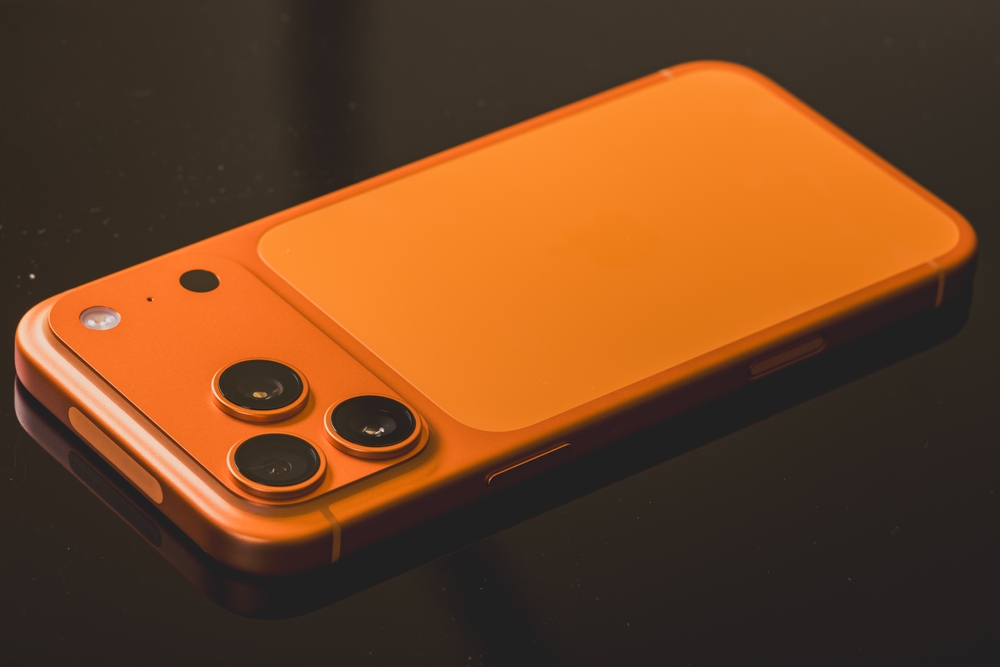
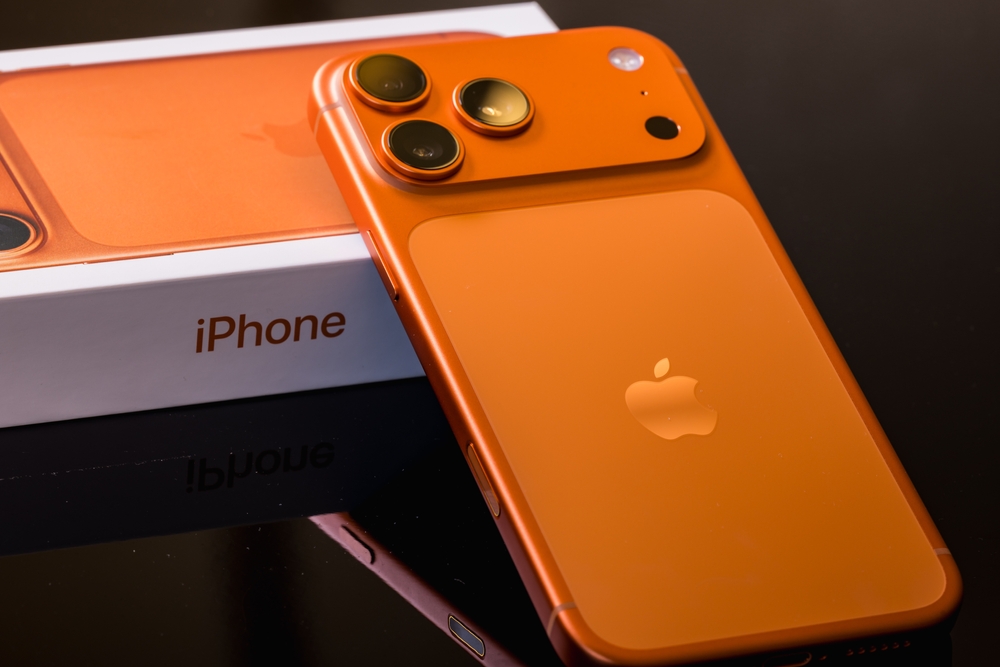
When the massive stainless steel time capsule is finally opened in 2276, future Americans will discover a pristine Cosmic Orange iPhone 17 Pro Max sitting beside centuries of history. Whether anyone will be able to switch it on is another question entirely.
A Smartphone Has Joined America’s Most Ambitious Time Capsule
As part of the America250 celebrations marking the 250th anniversary of the Declaration of Independence, organizers officially sealed “America’s Time Capsule” beneath Independence National Historical Park in Philadelphia on July 4, 2026. The capsule is scheduled to remain unopened for another 250 years, with its contents intended for Americans celebrating the nation’s 500th birthday in 2276.
The project is far more ambitious than a traditional time capsule filled with newspaper clippings and handwritten letters. Built with guidance from preservation experts at the National Institute of Standards and Technology (NIST) and the Library of Congress, the container was specifically engineered to survive two and a half centuries underground.
The capsule itself weighs nearly 900 pounds and is made from precision-milled stainless steel. Engineers sealed it using indium, a soft metal capable of filling microscopic gaps when compressed, helping create an airtight environment. A second stainless steel bell jar weighing approximately 1,100 pounds surrounds the capsule, forming an additional protective barrier against moisture.
The engineering reflects one simple goal: giving every artifact inside the best possible chance of surviving until 2276.
Among those artifacts is one object that millions of people around the world carry every day.
An Apple iPhone 17 Pro Max.
Why the iPhone 17 Pro Max Was Chosen
At first glance, including a smartphone in a centuries-long archive might seem unusual. Consumer electronics are designed to evolve every few years, not survive for generations.
America250 viewed the iPhone differently.
The device was selected through the organization’s “America Innovates” initiative, which highlights technologies that helped define American innovation during the early twenty-first century. Organizers described the smartphone as representing advances in communication, photography, computing, and digital creativity that transformed daily life.
For billions of people, smartphones became the primary way to communicate, capture memories, work remotely, consume entertainment, navigate cities, and document history.
That cultural significance makes the iPhone more than another gadget.
It becomes a snapshot of how people actually lived in 2026.
The sealed phone reportedly contains digital artifacts stored inside Apple’s Notes application. Rather than serving as a museum display, the device is intended to provide future generations with a direct glimpse into everyday life during the digital era.
Those notes may eventually become the equivalent of letters, journals, or diaries from previous centuries.
If someone can read them.
The Time Capsule Holds Far More Than Modern Technology

The iPhone shares its resting place with dozens of artifacts contributed by all 56 states and territories, along with all three branches of the U.S. federal government.
The collection combines American history, scientific achievement, and cultural identity into one archive designed to tell a much broader story than any single object could.
Among the notable items included are:
- Fabric from the Wright brothers’ 1903 aircraft contributed by Ohio.
- A feather from Wisconsin’s famous Civil War bald eagle mascot, Old Abe.
- A Pocket Constitution signed by members of the U.S. Supreme Court.
- A stainless steel rosary from Puerto Rico.
- Synthetic DNA data storage samples.
- An AI-generated vision of California’s future created using Anthropic’s Claude.
Together, these objects represent everything from aviation history and military heritage to artificial intelligence and constitutional government.
The iPhone stands out because it bridges many of those themes at once.
It is simultaneously a communication tool, a camera, a computer, a creative platform, and perhaps the defining consumer technology of its era.
A Device That Captured the Spirit of 2026

Supporters of the decision argue that few inventions better represent modern society than the smartphone.
Unlike earlier technological breakthroughs that served one purpose, today’s flagship phones have become central to almost every aspect of daily life.
The iPhone 17 Pro Max reflects that transformation.
Its cameras record family milestones, breaking news, and historic events.
Its processors rival computers that once filled entire rooms.
Artificial intelligence features help users write, organize, edit, and communicate in ways that would have seemed extraordinary only a generation ago.
For curators, preserving the phone was less about honoring Apple than documenting the habits of modern civilization.
Future historians may learn just as much from how people interacted with technology as they do from government documents or preserved artifacts.
In that sense, the smartphone becomes an archaeological object before it is even considered vintage.
The Biggest Obstacle Is Hidden Inside the Phone
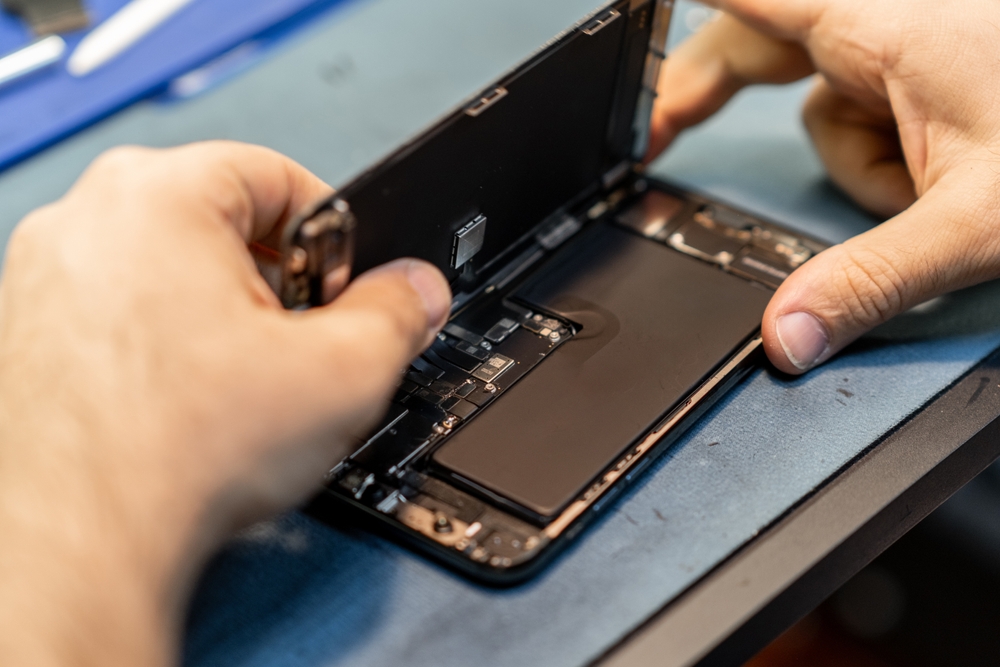
While the time capsule itself has been designed to withstand centuries underground, experts say the iPhone faces a problem that no amount of stainless steel can completely solve.
Like every modern smartphone, the iPhone 17 Pro Max relies on a lithium-ion battery. These batteries gradually degrade even when they are not being used. Unlike mechanical watches or printed books, they depend on complex chemical reactions that naturally break down over time.
Under normal storage conditions, lithium-ion batteries begin losing capacity within a few years. Manufacturers generally recommend storing them at partial charge and periodically recharging them to maintain their health. Left untouched for decades, let alone centuries, they eventually become unusable.
That creates an obvious question.
Even if the phone itself survives in perfect condition, how will anyone power it on in 2276?
The America250 project reportedly took several precautions. The device was stored at a stable charge level inside an airtight environment filled with inert gas, reducing the risk of corrosion and slowing chemical degradation.
Those measures improve the phone’s chances compared with leaving it inside an ordinary box.
Still, no one has ever tested whether a modern smartphone battery can remain functional after 250 years.
The answer simply does not exist today.
A Symbol of the Digital Age More Than a Working Device
Whether the iPhone ever powers on again may ultimately become a secondary issue.
Its inclusion inside America’s Time Capsule says something about the role smartphones played in modern civilization. Few inventions have influenced work, education, entertainment, photography, commerce, and personal relationships as profoundly as the smartphone.
The iPhone represents a generation that carried powerful computers in their pockets and relied on them countless times each day.
That makes it a fitting companion to historical documents, aviation relics, constitutional records, and scientific achievements preserved inside the same capsule.
If future Americans manage to unlock its digital memories, they may discover something far more valuable than an old piece of electronics.
They will discover how ordinary people lived.
And if the screen never lights up again, the silent device will still tell its own story.
It will remind future generations that every era believes its technology represents the pinnacle of progress, even though history eventually turns today’s cutting-edge innovations into museum pieces.
When the massive stainless steel capsule is finally opened in 2276, the iPhone 17 Pro Max may no longer be the marvel it once was. Yet its presence beside centuries of American history will still mark one unmistakable truth. In 2026, no object captured everyday life more completely than the smartphone millions of people reached for every single day.