
Your cart is currently empty!
Young Friends Break Down a Door to Save a Family From a July 4th House Fire
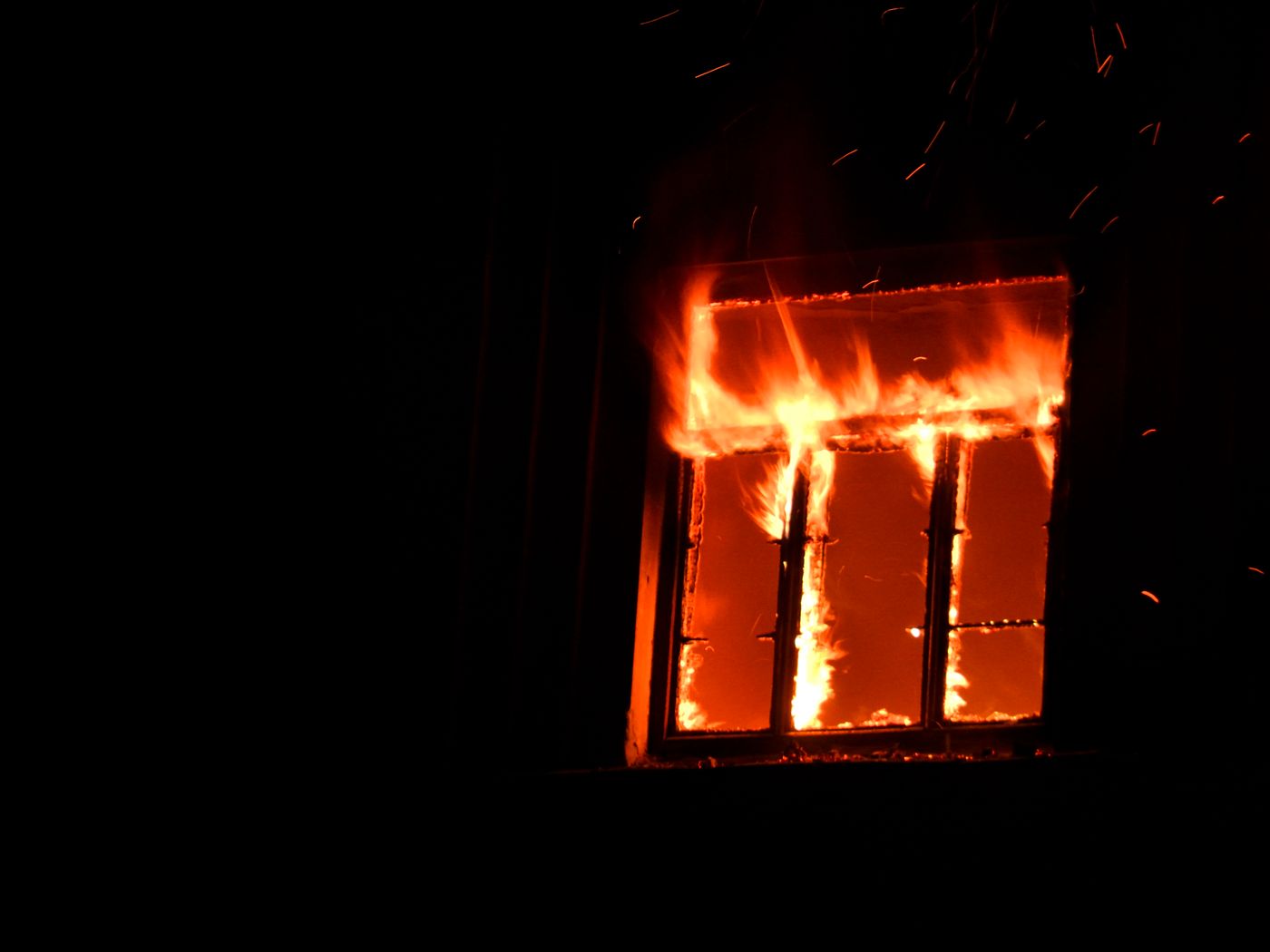
The friends had spent the Fourth of July the way a lot of young people in Wisconsin spend it, out on the water all day, then gathered in a garage as the evening wound down. From where they sat, they had a clear view across the street, and at some point the back of a neighbor’s house began to glow.
Contents
show
Their first thought was the most ordinary one available. Somebody was having a bonfire. “The back of the house was all red and smoky, and we’re like, ‘That’s not a bonfire,’” Gavin Klahn recalled.
It took only a moment more for the explanation to fall apart, and what the group did in the minutes that followed would leave a fire chief with 45 years on the job saying he had never seen anything like it.
The Night and the Call
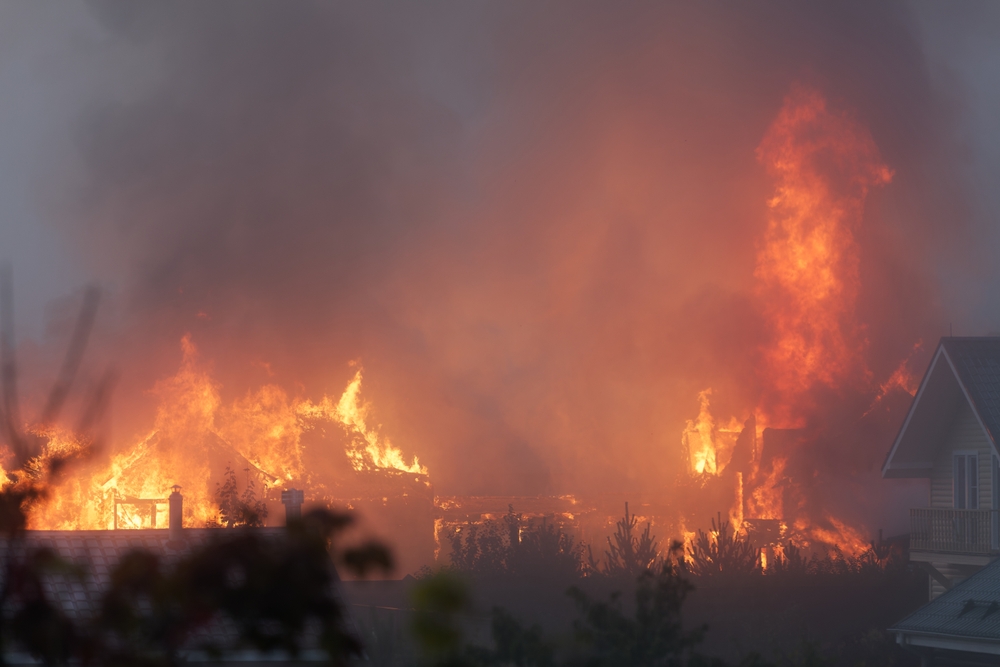
Emergency crews were dispatched to a home on Rodney Drive in Lodi, Wisconsin, at around 10:45 p.m. on July 4. The Lodi Fire Department later attributed the blaze to heavy use of fireworks in the surrounding area, the kind of detail that turns a celebration into an emergency without much warning on a holiday night.
When the call came in, at least two people were believed to be inside the home. That count would prove low. By the time the night was over, the number of people pulled from the house would be closer to five or six, and none of them would owe their escape to the fire department, because the people who reached them first had been sitting in a garage across the street.
Realizing It Was Real
The group’s disbelief did not last. What had looked from a distance like a large bonfire kept growing, and the color of it was wrong.
“And then we noticed all the orange, and we thought it was a huge bonfire,” Reese Romens said. “And then we walked around back and then realized that it was a huge fire.”
That walk around the back of the house was the moment the evening changed. There was no longer any way to mistake what they were looking at, and no time to stand around debating it. The friends stopped being spectators and started moving.
Splitting Up and Getting In
Faced with a burning home and no idea how many people were inside, the group did something that, in hindsight, looks almost trained. They split up.
Some went to the front, some to the back. They banged on windows as they went, trying to rouse anyone inside and trying to find a way in. When knocking failed, they forced their way through, breaking down a door to get into the house.
For Rhylan Nehls, there was no deliberation involved, and no competing concern loud enough to slow him down. “Honestly, at that point, that was the only thing that crossed my mind, because we need to get these people out and they need to be safe before anything else gets done,” he said.
Calling Into the Smoke
Inside, visibility was gone. The friends could not see the people they were trying to reach, so they did the only thing that made sense. They shouted, and they listened for anything shouting back.
“We started calling out for people and asking if anybody was in there,” Lucas Opper said. “And then we ended up getting quite a bit of responses. There ended up being five or six people in the house.”
The responses gave them something to move toward. Klahn described navigating by sound and touch, working through a house he could not see in order to find the voices answering his. “You are kind of just feeling around, yelling, and then I heard a couple in the room on the left. So I went in there and got them out,” he said.
One room at a time, one voice at a time, the group located the occupants and guided them toward the exits. Among those inside was an elderly couple, and getting them out of a smoke-filled house was not a simple matter of pointing them toward a door.
Minutes From Disaster
The margin, by the friends’ own account, was terrifyingly thin. Ayden Schroud said that as the last person cleared the house, the fire surged, as if the building had been waiting for everyone to get clear before fully giving way. He is convinced that a short delay would have changed the entire story.
“We showed up any time later – five minutes later, and it would have been all smoked out,” Schroud said. He resisted casting himself or his friends as heroes, framing the whole thing as a matter of chance rather than courage. It happened, he said, that they were together, that they were looking in the right direction, that they stuck with each other and got everyone out. Where someone else might reach for a grander explanation, Schroud kept landing on the same modest word.
“It all comes down to luck. Like it just happens that we’re walking down the street and we see the fire and all stuck together and got them all out,” he said.
A 91st Birthday That Turned to Emergency
The house belonged to a man named Jim, and July 4 had been his day in more ways than one. According to a fundraising page set up to help the family afterward, Jim was celebrating his 91st birthday at home, surrounded by relatives, when the fire broke out.
A gathering meant to mark nine decades of a life became, in the space of a few minutes, an evacuation. The friends across the street reached the family in time, and everyone inside made it out unharmed before firefighters arrived on scene. Given the speed at which the fire took hold, that outcome is remarkable, and it very nearly went the other way.
A Veteran Fire Chief’s Reaction
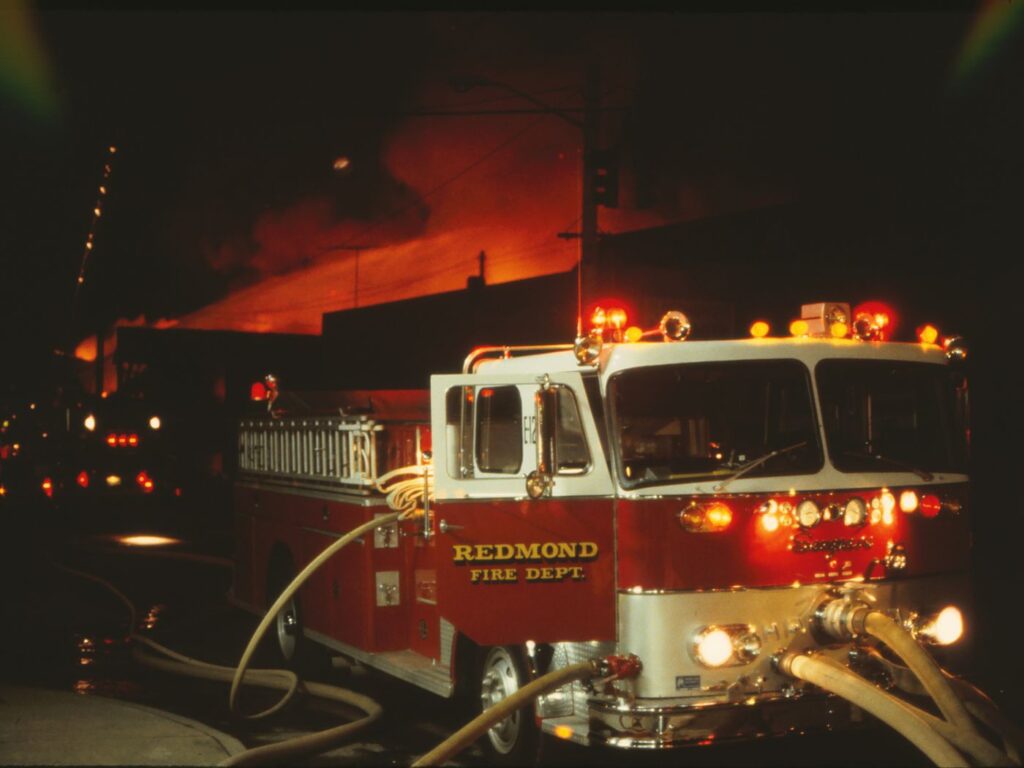
When the professionals did arrive, they were dealing with a fire that impressed even the most experienced person on the scene.
Lodi Deputy Fire Chief John Lehr said that in 45 years on the job, he had never seen anything like what caused this one. Coming from someone who has spent nearly half a century responding to emergencies, that is not a casual observation.
Lehr also made a point of crediting the people who fought the blaze, thanking the crews and the mutual-aid departments that responded. On a hot summer night, battling a house fire is punishing work, and he noted the effort it took to rotate personnel and coordinate across departments to bring it under control.
The Aftermath and the Road Ahead
The rescue was the end of the danger but not the end of the hardship. The home on Rodney Drive is no longer livable because of the damage, and its residents have been displaced from the place where, hours earlier, they had been celebrating.
For now, family members are caring for those who lived there, and the fundraising page is gathering support to help them recover what they can and figure out what comes next. The house may be gone, but the people who were inside it are not, and that distinction rests almost entirely on a group of friends who looked across a street, questioned what they were seeing, and decided to find out for themselves.
birthday fire, community heroes, displaced family, elderly couple rescue, fire safety, firefighters, fireworks fire, Fourth of July fire, GoFundMe, good samaritans, heroic teens, home fire, house fire rescue, house fire survivors, John Lehr, July 4th, Lodi Wisconsin, neighbors helping neighbors, rescue story, Wisconsin news