
Your cart is currently empty!
Woman Finds Lasting Memory With Late Friend On Google Maps

Sometimes the most meaningful photographs are the ones nobody intended to take. They are not carefully posed portraits or snapshots saved in a family album. Instead, they are ordinary moments captured by chance, only revealing their true value years later.
Contents
show
That is exactly what happened to Emily Watlington. While browsing Google Maps, she came across an old Street View image showing herself dancing with a close friend who had died the previous year. What had once been an unremarkable afternoon suddenly became a lasting reminder of someone she missed every day.
An Ordinary Search Became Something Much More
Google Street View has spent years documenting roads, neighborhoods, and cities across the world. Its camera-equipped vehicles quietly capture millions of images every day, preserving streets exactly as they appeared at a particular moment in time.
Most people use the feature simply to check directions or revisit familiar places before traveling. Few expect to discover a deeply personal memory waiting for them.
Emily was doing nothing unusual when she opened Google Maps and explored a location she already knew well. As she moved through Street View, she noticed something unexpected.
There, frozen in time, was an image of herself and one of her closest friends standing on the sidewalk.
The pair were not walking or waiting patiently. Instead, they were laughing, moving, and dancing together as the Google camera car happened to pass by.
Neither of them had realized they were being photographed.
The image had quietly existed online for years without Emily ever knowing it.
By the time she found it, everything had changed.
Her friend had passed away the previous year.
A simple Street View image had suddenly become one of the few surviving records of a carefree afternoon they shared together.
A Photograph That Captured Pure Joy

What makes the image so moving is how natural it feels.
There are no forced smiles or carefully arranged poses. Nobody was trying to create a keepsake.
Instead, it shows two friends completely absorbed in the moment.
Shopping bags rest nearby as the pair dance together on the sidewalk, seemingly unconcerned about who might be watching. Their body language reflects genuine happiness, making the photograph feel alive despite being frozen in time.
Moments like these often disappear without anyone realizing their significance.
Friends laugh together countless times.
They make spontaneous jokes.
They dance for no reason.
Years later, those ordinary moments often become the ones people wish they could revisit.
Emily’s discovery offered something many grieving people long for.
It gave her one unexpected chance to return to a day filled with happiness instead of loss.
“We Are Dancing Together Forever”

After discovering the image, Emily decided to share it on social media.
Alongside the screenshot, she wrote a short message that quickly resonated with people across the internet.
“I lost a close friend last year and I miss him badly but we are dancing together forever on Google Maps.”
Those few words transformed what could have been another interesting Google Maps discovery into something deeply personal.
The image spread rapidly as thousands of people recognized the emotions behind it.
Grief rarely announces itself in dramatic ways.
Sometimes it appears through a familiar song playing unexpectedly in a store.
Sometimes it comes from finding an old voicemail.
Sometimes it arrives through an image hidden on a website visited by millions of people every day.
Emily’s story reminded readers that memories often survive in places we never think to look.
Why Small Memories Often Become the Most Powerful

People often imagine that the biggest milestones define a relationship.
Birthdays.
Vacations.
Graduations.
Weddings.
Yet psychologists have long observed that grief is frequently connected to everyday routines and seemingly insignificant moments.
A shared walk.
A favorite café.
An inside joke.
A familiar street corner.
These ordinary experiences become emotionally significant because they represent real life rather than carefully planned celebrations.
Emily’s Google Maps discovery carried that same feeling.
It was not documenting an extraordinary event.
It simply preserved two friends enjoying each other’s company during an ordinary day.
Ironically, that ordinary quality made the photograph even more meaningful.
The image captured exactly who they were together.
Not performers.
Not people posing for social media.
Just friends enjoying each other’s company without realizing anyone was watching.
Google Street View Has Quietly Preserved Millions of Personal Histories

Street View was originally designed for navigation.
Google launched the service to help people explore roads and neighborhoods before visiting them in person.
Over time, however, it has become something else entirely.
Every image acts like a tiny time capsule.
Buildings change.
Businesses disappear.
Trees grow taller.
Children become adults.
Cars are replaced.
Entire neighborhoods evolve.
Yet the archived images often remain available, allowing people to step back into earlier versions of familiar places.
For many users, these archives have unexpectedly become personal historical records.
Someone may discover an old family home before it was renovated.
Others might find a beloved pet sitting in a front yard years before it passed away.
Parents occasionally stumble across photographs of children who have since grown up.
In Emily’s case, Street View preserved something impossible to recreate.
It saved a friendship in motion.
Thousands of People Saw Their Own Stories in Emily’s Discovery

As Emily’s post gained attention, something remarkable happened.
People did not simply respond with sympathy.
Many began sharing similar discoveries from their own lives.
The comments quickly filled with screenshots showing loved ones who were no longer alive.
One woman shared an image of herself walking alongside her mother and sister while taking the family dog for a walk. Her mother had since passed away, turning an ordinary Street View capture into one of her most treasured photographs.
Another person revealed an image of a brother photographed years earlier before his death.
Others described finding grandparents watering gardens, parents sitting outside family homes, or relatives standing in driveways completely unaware they had become part of Google’s vast photographic archive.
Although every story was different, they shared one common theme.
The pictures had never seemed important until loss gave them new meaning.
Many readers also offered words of comfort to Emily.
One person wrote that it was wonderful she had discovered such a special memory that would remain preserved.
Another commented that beautiful memories like these become priceless over time.
The responses showed that Emily’s experience was far from unique.
Many families have unknowingly left tiny pieces of their history scattered across digital services, waiting to be rediscovered years later.
Digital Memories Have Changed the Way We Remember
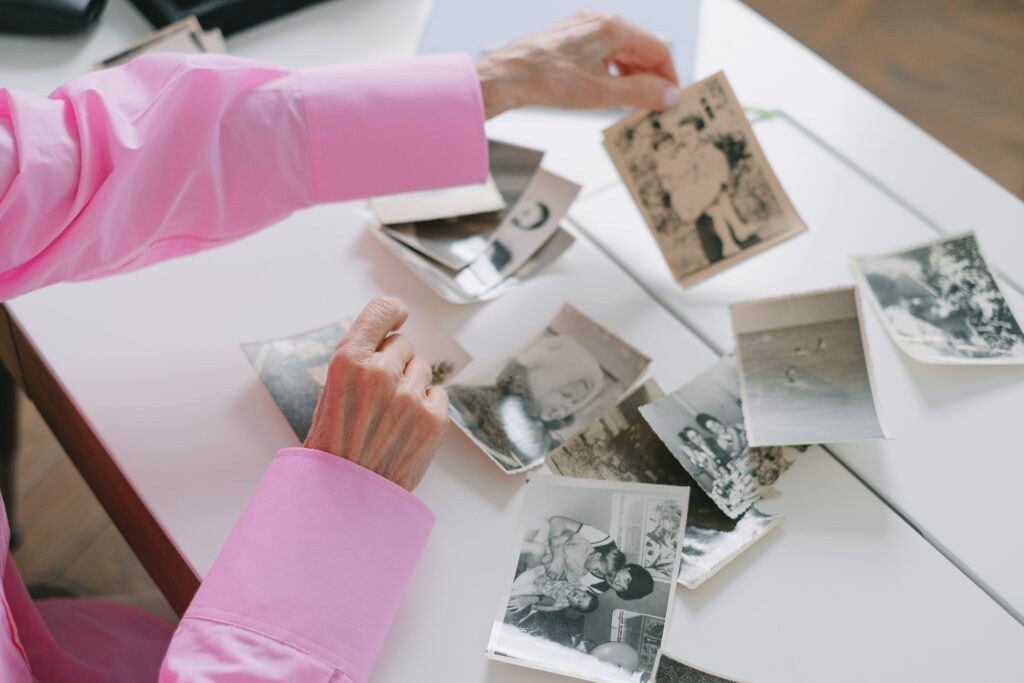
Only a few decades ago, preserving memories depended largely on printed photographs.
Families carefully organized albums, stored negatives in boxes, and hoped nothing would be damaged by time.
Today, countless moments are recorded automatically.
Security cameras operate continuously.
Smartphones capture thousands of photographs every year.
Dashcams document daily commutes.
Satellite imagery updates neighborhoods.
Street View vehicles quietly photograph public roads around the world.
This constant documentation has transformed memory itself.
Many people now discover forgotten moments they never intentionally recorded.
Instead of opening a dusty photo album, they may find an old image while searching online or scrolling through archived digital services.
For some, these discoveries bring laughter.
For others, they reopen grief.
Sometimes they do both at once.
Emily’s experience illustrates how technology can preserve far more than maps and buildings.
Without intending to, it also preserves fragments of human lives.
Tiny moments that once seemed forgettable can later become deeply meaningful because they capture something impossible to recreate.
Her discovery also highlights an unexpected truth about modern life.
The internet often feels temporary, with endless streams of new content replacing yesterday’s posts within hours.
Yet hidden beneath that constant flow are digital archives quietly preserving moments that might otherwise have disappeared forever.
For Emily, one ordinary Street View image became something far greater than a navigation tool.
It became a doorway back to a friendship that still lives on in a single joyful frame.
Why Unexpected Discoveries Can Help During Grief
There is no single way people experience grief. Some hold tightly to photographs, while others find comfort in letters, clothing, or familiar places. What often surprises people is how powerful an unexpected reminder can be.
Unlike planned memorials, accidental discoveries arrive without warning. They reconnect people with a moment that existed before illness, loss, or heartbreak entered the picture.
That is one reason Emily’s story resonated with so many readers. The image was never intended to become a memorial. It was simply a slice of everyday life that survived long enough to take on a completely different meaning.
Experts who study grief often note that maintaining an emotional connection with someone who has died is a natural part of healing. Rather than forgetting the person, many people gradually build new ways of remembering them.
Sometimes that connection comes through traditions.
Sometimes through photographs.
And sometimes through an image captured by a passing Google camera.
For Emily, the photograph represents a version of life untouched by tragedy. It preserves laughter instead of loss, movement instead of stillness, and friendship instead of farewell.
The Internet Is Quietly Becoming a Digital Time Capsule
Few people think of Google Maps as an archive.
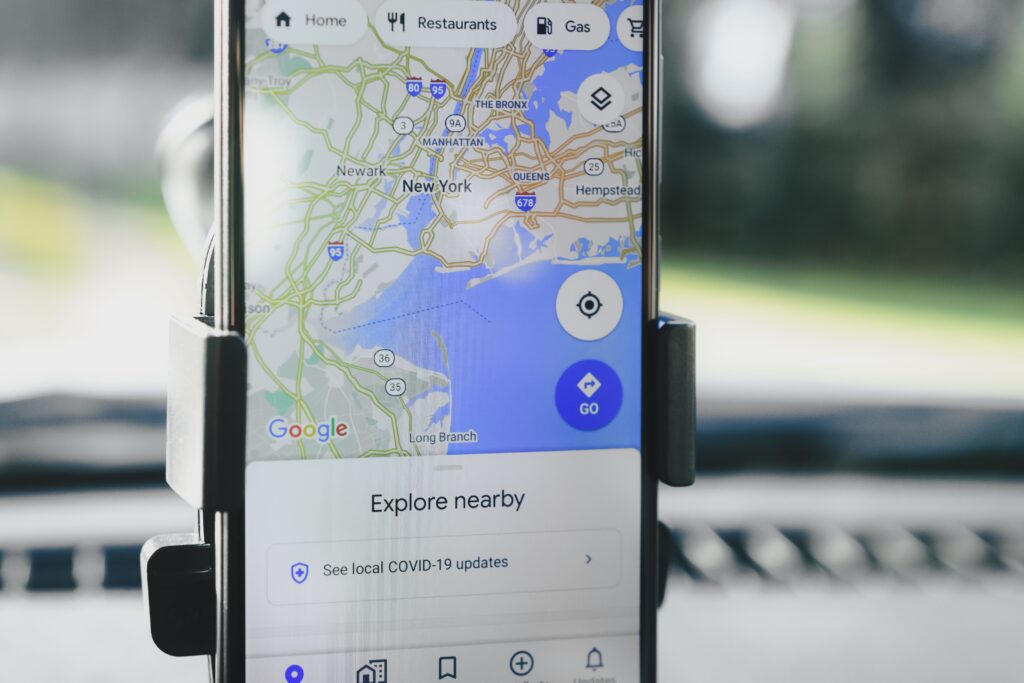
Its purpose is practical. It helps people find businesses, explore neighborhoods, and plan journeys.
Yet after more than a decade of photographing streets around the world, the platform has unintentionally documented countless everyday moments that might otherwise have disappeared forever.
Children playing basketball in a driveway.
Neighbors chatting across a fence.
Families unloading groceries.
Friends walking home after lunch.
Pet owners strolling through local parks.
None of these people expected to become part of a digital record viewed by millions.
Years later, those ordinary scenes often become windows into the past.
Google also allows users in many locations to view historical Street View imagery, making it possible to travel backward through different years and see how familiar places have changed.
For many families, those archived images have become surprisingly emotional.
They offer one last glimpse of a childhood home before it was renovated.
A favorite neighborhood café before it closed.
A parent tending flowers outside the house they once called home.
Unlike traditional photographs, these moments feel almost accidental, making them seem even more authentic.
Small Moments Often Become the Biggest Memories
It is easy to believe the most important memories are the ones carefully planned.
Birthdays are photographed.
Vacations fill entire camera rolls.
Graduation ceremonies generate hundreds of pictures.
Yet ask many people about someone they have lost, and they rarely begin with those milestone events.
Instead, they remember ordinary habits.
The way someone laughed at their own jokes.
How they always waved from across the street.
The little dance they did while waiting in line.
The familiar walk home after work.
These are the details that shape everyday relationships.
Emily’s photograph captures exactly that kind of memory.
Nothing extraordinary was happening.
There was no celebration or special occasion.
Two friends simply decided to dance for a few seconds on a sidewalk.
That spontaneity is what gives the image its emotional weight today.
It feels genuine because it was never meant to impress anyone.

Thousands Found Comfort in Sharing Their Own Stories
As Emily’s post continued circulating online, the conversation became much larger than one photograph.
People from around the world began searching Google Maps for familiar places.
Some found old houses.
Others discovered long-forgotten vacations.
Many were surprised to see loved ones who had since passed away still appearing in archived Street View images.
The replies created an unexpected collection of memories.
One person shared an image of a parent outside the family home.
Another posted a screenshot showing a sibling standing in the driveway years before their death.
Others found grandparents sitting on porches, children who had since grown into adults, and beloved pets wandering through front gardens.
Each image told a different story, but together they illustrated something universal.
Everyday life leaves behind traces that people rarely notice until much later.
Many commenters also thanked Emily for encouraging them to revisit places connected to happy memories.
Some admitted they had spent hours exploring neighborhoods from their childhood after reading her story.
Others said they had called family members simply because the post reminded them how precious ordinary days can become.

Technology Was Never Designed for This Purpose
Google never intended Street View to become part of people’s grieving process.
Its goal was simple.
Help users explore roads more easily.
Improve navigation.
Support local businesses.
Yet technology often develops meanings far beyond its original purpose.
Text messages become treasured keepsakes.
Voicemails become irreplaceable recordings of someone’s voice.
Old emails preserve conversations people thought they had forgotten.
Social media posts become digital scrapbooks spanning decades.
Street View images now belong to that growing collection of accidental archives.
Each platform captures pieces of life without knowing which moments will later matter most.
That may be why Emily’s story feels so relatable.
Almost everyone has experienced the sudden appearance of a forgotten photograph or message that instantly transports them back to another time.
Technology cannot erase grief.
It cannot replace the people who are gone.
But it can preserve fragments of life that help memories remain vivid.
A Lasting Reminder Hidden in Plain Sight
Emily’s discovery reminds us that some of life’s most meaningful treasures are found when we are looking for something entirely different.
She did not open Google Maps expecting to revisit one of the happiest moments she shared with her close friend.
She simply stumbled upon it.
The image now exists as a permanent record of a friendship defined not by loss, but by joy.
Years from now, the sidewalk may look different.
Buildings may change.
Trees may grow taller.
Businesses may come and go.
But that single frame continues to show two friends dancing together, completely unaware that their carefree afternoon would one day comfort thousands of strangers.
It is a powerful example of how ordinary moments often become life’s most valuable memories.
No camera was intentionally pointed at them.
No one asked them to smile.
There was no countdown before the shutter clicked.
Life simply happened, and for one brief second, it was preserved forever.
For Emily, that unexpected discovery transformed an everyday navigation tool into something far more personal.
It became a place where friendship still exists exactly as she remembers it.
A place where laughter never fades.
A place where, as she beautifully described it herself, they are dancing together forever.