
Your cart is currently empty!
People Are Only Just Learning What A Three-Dot Tattoo Really Means

Getting a tattoo is a huge commitment. For most people, it’s about expressing their personality, honoring someone they love, or simply choosing a design they think looks good. But while thousands spend hours deciding on fonts, placement, and artwork, many never stop to ask a simple question: Could this tattoo already mean something completely different?
Contents
show
That’s exactly why tattoo artists, former inmates, and people familiar with prison culture are urging anyone planning new ink to do their homework first. A growing discussion online has revealed that several popular tattoo designs have long been associated with prisons and criminal organizations, carrying messages that most people outside those circles would never recognize. Among them, one of the smallest tattoos imaginable, three tiny dots, has sparked the biggest debate after social media users warned people to “run as far as you can” from anyone displaying the symbol. While experts say that advice is far too simplistic, they also agree that the tattoo has a long and complicated history that shouldn’t be ignored.

Why Three Tiny Dots Have Become So Controversial
The renewed interest in prison tattoos began after social media users started discussing hidden meanings behind seemingly harmless designs. One tattoo kept appearing throughout the conversation: three small dots, most commonly tattooed between the thumb and index finger. At first glance, the minimalist design looks no different from countless modern tattoos that have become fashionable over the past decade. Its simplicity is exactly what makes it so easy to overlook.
According to tattoo historians and prison experts, however, those three dots have carried symbolic meaning for decades. In the United States, the tattoo is commonly associated with the Spanish phrase Mi Vida Loca, translated as “My Crazy Life.” Rather than identifying membership in one specific gang, the design has traditionally represented an affiliation with the criminal lifestyle itself. That distinction is important because someone wearing the tattoo isn’t necessarily declaring loyalty to a single organization, but they may be signaling something much broader.
The same symbol carries an even heavier reputation in parts of Eastern Europe. Within Russian prison culture, three dots have historically been linked to criminal status and trust between inmates. Russian prison tattoos are known for functioning almost like a personal biography, with each symbol communicating information about a prisoner’s history, rank, or experiences. Because of that tradition, a tattoo that seems insignificant elsewhere can carry considerable weight inside prison walls.
Those associations prompted some dramatic reactions online. One X user wrote, “If you see someone with a three-point tattoo, run as far as you can,” while another joked, “Imagine explaining this to your grandma.” The comments quickly spread across social media, although tattoo experts have pointed out that modern interpretations are often far more complicated than internet posts suggest. Plenty of people now choose minimalist dot tattoos for artistic reasons alone, completely unaware of the design’s historical baggage.
The Reddit Warning That Started A Bigger Conversation
Much of the latest discussion can be traced back to a Reddit thread where tattoo enthusiasts began sharing examples of designs with hidden prison meanings. The original poster explained that they loved stick-and-poke tattoos and had collected several themselves, but wanted newcomers to understand that some seemingly innocent designs had complicated histories before attempting homemade tattoos.
“I love stick and pokes,” the user wrote, adding that most of their tattoos had been done by hand. They followed that with a warning many readers admitted they had never considered: “Make sure you do some research before poking yourself. I’ve come across many folks who didn’t know their tattoos had double meanings for folks who have been to prison.”
The conversation quickly filled with examples of symbols that carry completely different meanings depending on who is looking at them. Many commenters admitted they had previously considered getting some of the designs because they liked how they looked, without realizing they were recognized inside correctional facilities across different parts of the world.
Tattoo artists often echo the same advice. While body art has become increasingly mainstream, prison tattoo symbolism hasn’t disappeared. Some designs have crossed into popular culture through musicians, celebrities, and fashion trends, but that doesn’t necessarily erase the meanings they still hold within prison systems. For anyone considering permanent ink, a few minutes of research could prevent years of awkward questions or unwanted assumptions.
Other Popular Tattoos That Carry Hidden Prison Meanings
The three-dot tattoo may receive the most attention, but it is far from the only design with a reputation rooted in prison culture. Across different countries, certain symbols have been used for decades to communicate a prisoner’s background, criminal history, or standing within an organization. While many of these tattoos have since entered mainstream tattoo culture, they can still carry very different meanings among people familiar with their origins.
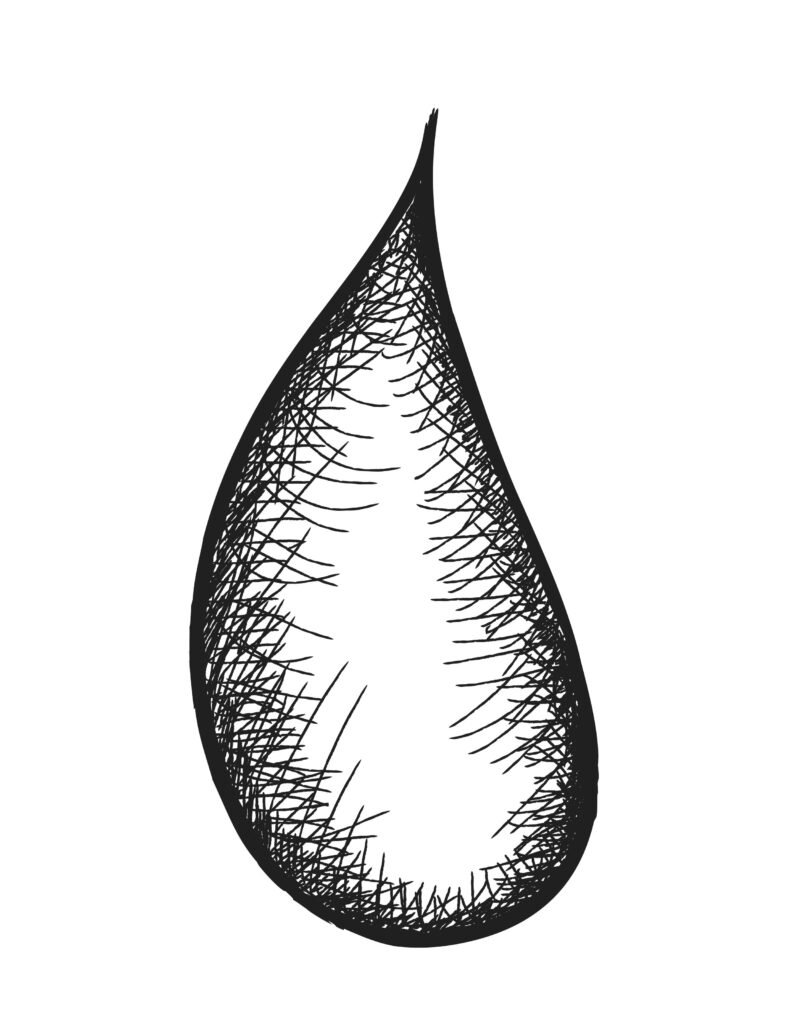
One of the best-known examples is the teardrop tattoo beneath the eye. Few designs have become as recognizable, thanks in part to celebrities and musicians adopting the look over the years. Despite its growing popularity, the tattoo continues to hold serious significance in many prison systems. According to prison experts, its meaning varies depending on the country and even the specific correctional facility where it appears.
In some cases, the teardrop is believed to indicate that the wearer has served a lengthy prison sentence. Elsewhere, it has been associated with someone who has taken another person’s life. If the teardrop appears only as an outline rather than being fully filled in, it can represent an attempted murder or symbolize that the wearer lost someone close to violence and is seeking revenge. Because interpretations vary so widely, experts say it remains one of the prison tattoos most likely to attract attention from those familiar with its history.
Playing card tattoos are another example of artwork that can mean far more than many people realize. While poker-themed tattoos are often chosen simply because someone enjoys gambling or card games, they have long carried symbolic meanings inside Russian prisons. According to discussions shared by people familiar with prison tattoo traditions, each suit represents a different role, with spades linked to thieves, clubs to criminals, diamonds to informants, and hearts sometimes indicating that someone is looking for romance while incarcerated.

Some Designs Are Linked To Criminal Organizations
Beyond prison symbolism, certain tattoos have become closely associated with organized crime and street gangs. These designs are generally far less common among casual tattoo enthusiasts because of the strong reputations they have built over decades. Law enforcement agencies have frequently highlighted them when discussing gang identification, although experts stress that context always matters.
One example is the large cross tattooed across the chest. Within Russian criminal culture, this design has historically been associated with individuals known as the “Prince of Thieves.” Rather than serving as a decorative religious symbol, the tattoo has traditionally represented one of the highest positions a prisoner could achieve inside the criminal hierarchy. It is generally reserved for respected figures within organized crime rather than ordinary inmates.
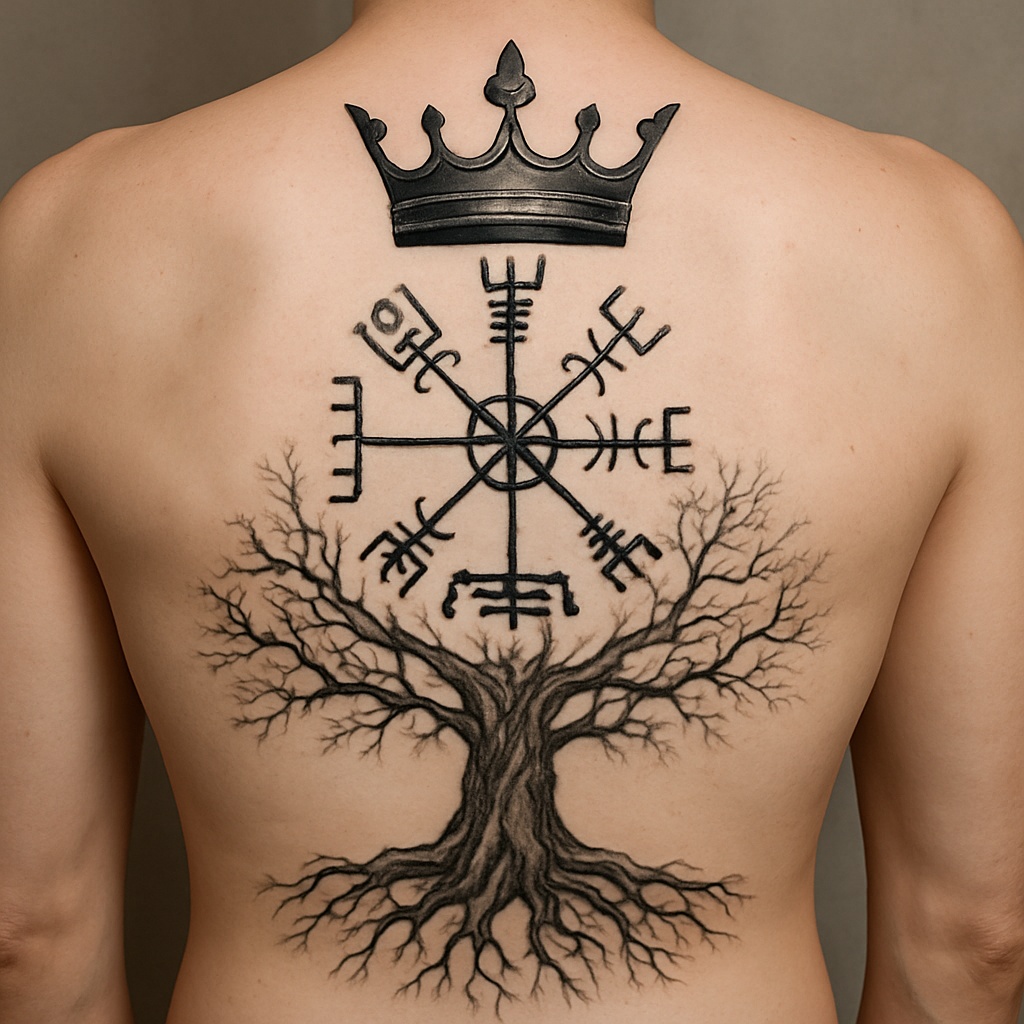
Another tattoo that frequently appears in law enforcement guides is the five-point crown. The symbol has long been connected to the Latin Kings, one of the largest Hispanic gangs in the United States. It is often accompanied by the initials ALKN, representing Almighty Latin Kings Nation, while the five points themselves symbolize the gang’s connection to the wider People Nation alliance. Even details such as the colors used within the crown can carry meanings understood only by members.
These examples highlight why tattoo artists often encourage clients to research designs before committing to permanent ink. A symbol that appears stylish on social media may have a completely different reputation among people who recognize its origins.
Five Dots Mean Something Completely Different
Because both designs involve small dots placed on the hand, people often confuse the three-dot tattoo with the five-dot version. Despite their similar appearance, they represent entirely different ideas and come from separate traditions within prison culture.
The five-dot tattoo, commonly known as the quincunx, features four outer dots surrounding a single dot in the middle. Rather than referring to a criminal lifestyle, the arrangement is meant to symbolize life inside prison. The four outside dots represent the prison walls, while the center dot represents the inmate confined within them. The tattoo is most commonly found between the thumb and index finger, although it can appear elsewhere on the body.
Another design that has long been associated with incarceration is the cobweb tattoo, usually placed on the elbow. The imagery is meant to suggest someone has remained in one place for so long that a spider could build a web around them, symbolizing an extended prison sentence. According to prison experts, authentic prison-made cobweb tattoos are typically black because colored ink is rarely available behind bars, making brightly colored versions more likely to have been created outside prison.
Context Matters More Than The Tattoo Itself
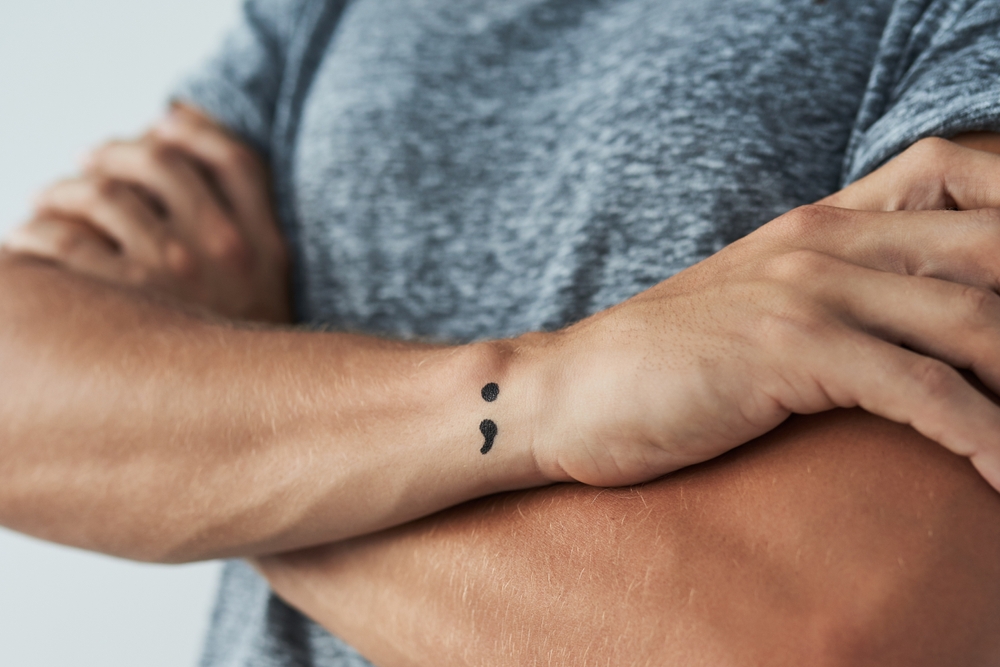
Although these tattoos carry well-documented histories, experts repeatedly caution against making assumptions based solely on someone’s body art. Tattoo meanings evolve over time, and many symbols that once existed almost exclusively inside prisons have gradually entered mainstream culture through music, fashion, and social media. Someone with a three-dot tattoo today may simply like minimalist artwork and have no connection whatsoever to gangs or prison life.
Even so, understanding the background of a design before getting tattooed is a sensible precaution. Permanent ink can spark conversations for decades, and some symbols continue to carry powerful meanings in places where prison traditions remain influential. Spending a little time researching a design could save years of explaining that your tattoo wasn’t intended to send a message you never knew existed.
For most people, a tattoo is meant to tell their own story. Making sure it doesn’t accidentally tell someone else’s is a step worth taking before the needle ever touches the skin.
Birds Advice, body art, criminal symbols, five dots tattoo, gang symbolism, gang tattoos, hidden tattoo meanings, ink meanings, prison symbols, prison tattoos, tattoo culture, tattoo history, tattoo meanings, tattoo trends, tattoo warning, tattoos, teardrop tattoo, three dot tattoo, trending news, viral news