
Your cart is currently empty!
Trump Unveils Massive New Tariffs on 60 Trade Partners in Sweeping Global Trade Shake-Up
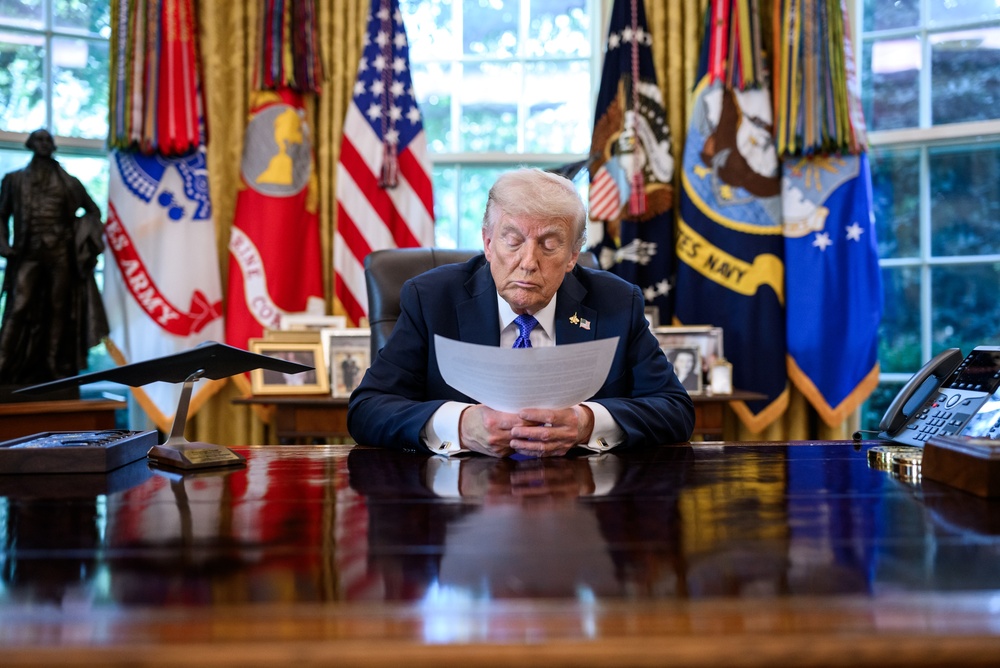
President Donald Trump’s administration is moving ahead with one of its broadest trade actions yet, imposing new tariffs on 60 trading partners just hours after a temporary 10% global tariff expired. The move reaches nearly every major U.S. trading partner, including the European Union, Canada, Mexico, India, the United Kingdom, China, Japan, and Australia, marking another major escalation in the administration’s effort to reshape global trade.
Contents
show
The tariffs, which range from 10% to 12.5%, officially took effect at 12:01 a.m. ET on Friday under Section 301 of the Trade Act of 1974. Administration officials say the action follows months of investigations into foreign labor practices after the Supreme Court struck down many of Trump’s previous tariffs earlier this year. While the White House argues the new duties are aimed at combating forced labor abroad, several key allies have already challenged that justification, setting the stage for fresh trade tensions with some of America’s closest economic partners.
Trump Administration Rolls Out New Tariff Plan
The new tariff package replaces the temporary 10% levy that had been imposed on nearly all imports after the Supreme Court invalidated many of the administration’s earlier tariffs in February. Rather than relying on emergency economic powers, the White House has now turned to Section 301 of the Trade Act of 1974, a law that allows tariffs in response to unfair foreign trade practices.
According to the Office of the United States Trade Representative (USTR), officials spent months investigating trading partners before determining which countries would face the new duties. The administration argues that dozens of economies have failed to adopt or effectively enforce restrictions against goods produced with forced labor.
U.S. Trade Representative Jamieson Greer defended the decision in a statement, saying, “The United States has had a forced labor import ban for nearly a century, and rigorously enforces it; it’s well past time for our trading partners to do the same.”
The announcement closely mirrors a proposal first introduced in June and represents the administration’s latest attempt to preserve its broader tariff agenda despite legal setbacks earlier this year.
Which Countries Are Affected?
The new measures divide trading partners into two separate tariff categories based on the administration’s findings.
Seventeen economies will receive a 10% tariff after officials said they have made commitments to adopt and enforce restrictions on forced labor imports. Those countries include Canada, Mexico, India, the United Kingdom, Bangladesh, Malaysia, Pakistan, Indonesia, Cambodia, Argentina, Ecuador, Guatemala, Honduras, Jordan, Sri Lanka, El Salvador, and Trinidad and Tobago.
Products imported from the European Union and Taiwan will also face a 10% tariff under agreements reached during previous trade negotiations. The European Union’s rate appears lower than the 15% ceiling that had previously been discussed between Trump and European Commission President Ursula von der Leyen.
Meanwhile, 41 other economies will face the higher 12.5% tariff after the administration concluded they had not adopted comparable forced labor import prohibitions.
Major Countries Facing The 12.5% Tariff Include:
- China
- Japan
- Australia
- Brazil
- South Korea
- Vietnam
- Thailand
- Singapore
- Switzerland
- New Zealand
- Saudi Arabia
- United Arab Emirates
- South Africa
- Norway
- Israel
- Chile
- Philippines
- Russia
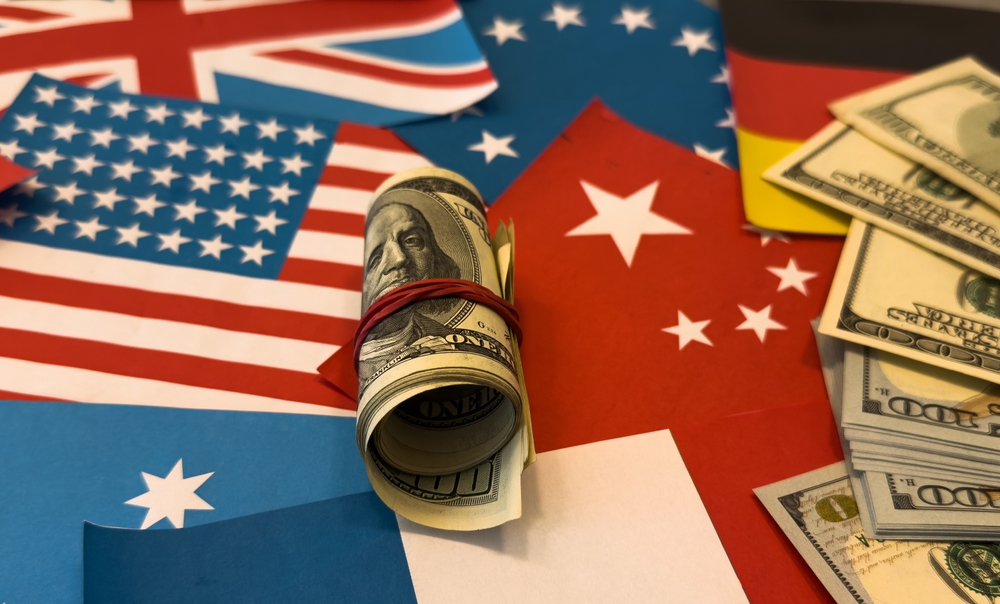
Together, the affected economies account for roughly 99% of total U.S. imports, making this one of the most extensive tariff programs introduced during Trump’s presidency.
Forced Labor Claims Become The Centerpiece Of The New Policy
Unlike previous rounds of tariffs that largely focused on trade imbalances, the administration is framing the latest measures around labor standards.
Officials argue that many trading partners have failed to implement effective bans on products made with forced labor. The White House says strengthening global enforcement is necessary to prevent unfair competition against American businesses while encouraging higher labor standards internationally.
Not everyone agrees with that assessment.
European Union officials quickly rejected the administration’s accusations. Speaking to Reuters during ASEAN meetings in Manila, EU foreign policy chief Kaja Kallas disputed the claim that European labor protections fall short.
“You can’t say that for the European Union,” Kallas said. “If you compare our labor laws to the ones of the United States, I mean, we have paid vacations, we have very good labor conditions for our employees, so it’s not really grounded.”
The disagreement highlights what could become the next flashpoint between Washington and several of its largest trading partners as governments evaluate whether to challenge the new measures through diplomatic or legal channels.
Key Products Will Be Exempt From The New Duties
Although the tariffs apply to a vast majority of U.S. trading partners, the administration has carved out several exemptions designed to reduce pressure on consumers and key industries.
According to the Office of the U.S. Trade Representative, products such as fertilizers and certain fuels will not be subject to the new duties. Those exemptions come as energy markets continue to experience volatility following the conflict involving Iran, which has contributed to higher fuel prices worldwide.
Several other categories have also been excluded from the tariff package, including some foods, automobiles, metals and pharmaceutical products. The exemptions are expected to soften the immediate impact on supply chains that rely heavily on imported materials and consumer goods.
Trump also announced earlier this week that imported generic drugs will continue to face a zero percent tariff for the next two years. The decision was presented separately from the broader tariff package and is intended to prevent higher medication costs while the administration develops its longer-term pharmaceutical trade strategy.
Businesses And Consumers Could Still Feel The Effects
While the exemptions remove some products from the tariff list, economists say many imported goods will still become more expensive once the new duties take effect.
Tariffs are paid by importers bringing products into the United States, but businesses frequently pass those additional costs along to consumers through higher prices. Depending on the industry, the increases could eventually affect everything from electronics and clothing to household products and manufacturing supplies.
Previous economic analyses have estimated that broad-based tariffs can add hundreds of dollars in annual costs for the average American household. Although this latest package differs from earlier proposals because of its exemptions, many analysts believe shoppers could still see price increases if businesses absorb the additional import costs.
Companies that rely heavily on international supply chains may also need to adjust sourcing strategies or negotiate with suppliers to offset the new expenses. Those decisions could influence pricing and inventory levels over the coming months.
The Tariffs Follow A Major Supreme Court Setback
The administration’s latest trade strategy comes after the Supreme Court ruled in February that many of Trump’s earlier tariffs exceeded the authority granted under the International Emergency Economic Powers Act.
That decision forced the White House to look for an alternative legal pathway if it wanted to continue imposing broad import duties. Officials ultimately turned to Section 301 of the Trade Act of 1974, which authorizes tariffs in response to certain foreign trade practices following a formal investigation.
The U.S. Trade Representative’s investigation began in mid-March and focused on whether trading partners had implemented meaningful restrictions on goods produced with forced labor. Administration officials say the findings justified the new tariffs announced this week.
By shifting to a different legal framework, the White House hopes the latest measures will be more resilient if they are challenged in court. Even so, legal experts expect the policy could face renewed scrutiny as affected countries weigh their options.
Global Trade Partners May Push Back
Several governments have already questioned the administration’s justification for the tariffs, particularly the claim that many trading partners have failed to enforce adequate labor protections.
European Union officials were among the first to reject the allegations, arguing that European labor standards rank among the strongest in the world. Other affected economies could also seek consultations or explore legal challenges through international trade mechanisms.
The latest measures also arrive at a time when many countries are still adjusting to recent U.S. tariffs targeting Canadian goods, Brazilian imports and future pharmaceutical products. The growing number of country-specific trade actions has added uncertainty for businesses operating across multiple international markets.
Whether negotiations follow or additional retaliation emerges remains to be seen, but the announcement signals that trade policy is once again becoming one of the administration’s most aggressive economic tools.
A New Chapter In Trump’s Trade Agenda
The sweeping tariffs represent one of the broadest trade actions of Trump’s second term, covering roughly 99% of U.S. imports through a combination of 10% and 12.5% duties.
Supporters argue the policy strengthens enforcement against forced labor and encourages trading partners to adopt higher standards. Critics, however, warn that the additional costs could eventually ripple through supply chains and reach American consumers despite the numerous exemptions.
As the new tariffs begin taking effect, governments, businesses and shoppers alike will be watching closely to see whether the measures reshape global trade or trigger another round of economic and diplomatic disputes in the months ahead.
business news, Canada, china, consumer prices, Donald Trump, economic policy, European Union, forced labor, global economy, global trade, import taxes, imports, India, Inflation, International Trade, Jamieson Greer, Japan, Mexico, Section 301, tariffs, trade policy, trade war, Trump administration, Trump tariffs, U.S. Economy, U.S. tariffs, United Kingdom, White House, World News