
Your cart is currently empty!
Schoolboy Mocked for Reading Becomes an Internet Inspiration
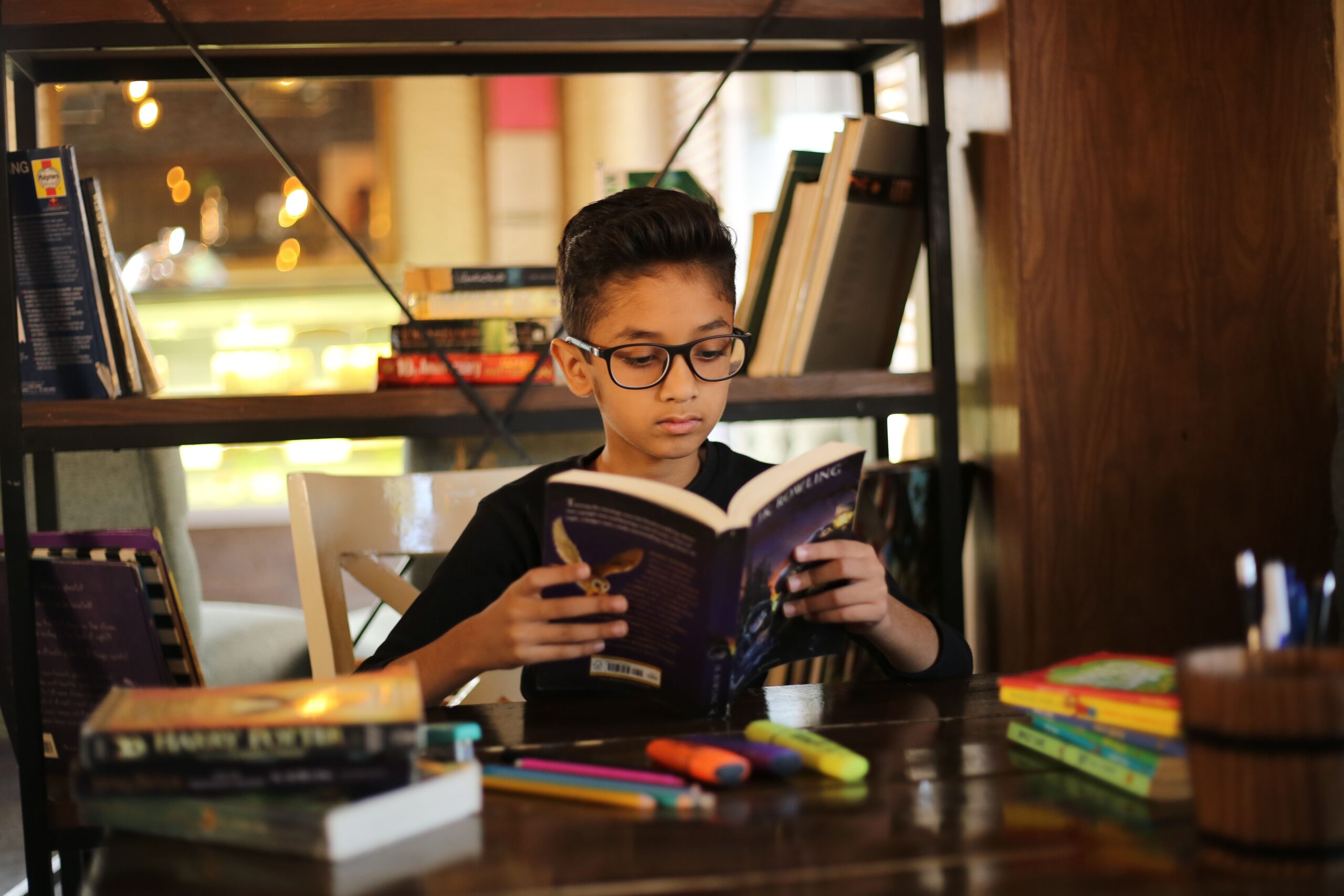
Starting at a new school is hard enough without becoming the target of a group chat designed to tear you down. For 13-year-old Callum Manning, what made him stand out was not the clothes he wore or the way he spoke. It was his love of books.
Contents
show
Within days, that same passion became the reason hundreds of thousands of strangers rallied behind him. What began as a cruel attempt to embarrass a young reader quickly transformed into one of the internet’s most heartwarming stories, proving that kindness can spread just as quickly as cruelty when people decide to speak up.
A Simple Instagram Page Became the Target of Bullies
Callum Manning, from South Shields in northeast England, had recently started a new school when he decided to create an Instagram account dedicated to reviewing books he loved. Known as Cal’s Book Account, the page was simply a place where he could share recommendations and discuss everything from classic literature to modern novels.
His reading list surprised many adults, let alone teenagers. Alongside popular titles such as Harry Potter and Twilight, Callum reviewed works by Jane Austen, George Orwell and Mary Shelley. According to his mother, Carla Landreth, he had also taken on demanding classics such as Crime And Punishment.
“He reads everything and anything,” she said. “He’s been reading since he was really young but he reads like Crime And Punishment and stuff that probably not your average 13-year-old would be interested in reading.”

Instead of finding classmates who appreciated his enthusiasm, Callum became the subject of ridicule.
Students at his new school discovered his Instagram account and created a group chat dedicated to mocking him. They invited him into the conversation but blocked him from replying, forcing him to watch the insults without being able to defend himself.
According to his family, messages described him as “a sad weirdo” and a “creep” simply because he enjoyed reading and wanted to talk about books online.
His mother later explained that being unable to respond made the experience even more painful.
By the time he arrived home from school, the emotional impact had become impossible to hide.
“That Was the First Time in a While I’d Actually Cried”

The bullying hit far harder than Callum expected.
“I don’t tend to cry that often but I think that was the first time in a while I’ve actually cried,” he recalled after the incident.
For Carla Landreth, watching her son read the messages was heartbreaking.
She described him as “absolutely devastated” after seeing classmates ridicule something he genuinely loved.
Rather than making fun of a prank or a joke, the bullies had singled out a teenager whose only goal was encouraging others to read.
His older sister, Ellis Landreth, decided something had to be done.
Hoping to cheer him up, she posted a screenshot of his Instagram page on social media along with an explanation of what had happened.
She wrote:
“Can’t believe how awful kids are.
“My little brothers made an Instagram reviewing and talking about books and kids in his new school have seen it and have created a group chat calling him a creep slagging him off about it and added him to it so he could see.”
Ellis later explained that she expected only a handful of friends to show some encouragement.
She thought perhaps 20 or 30 people might follow his page or leave a few positive comments.
Instead, the internet responded in a way nobody in the family could have imagined.
Thousands of Readers Stepped In Almost Overnight

What happened next completely changed the story.
Within hours of Ellis sharing her post, Callum’s follower count exploded.
He had started the day with only a few dozen followers.
By the following day, tens of thousands of people had found his account.
Soon the numbers climbed beyond 85,000.
Then 150,000.
Before long, they passed 170,000, with later reports showing his audience growing to more than 360,000 followers.
Alongside the new followers came an avalanche of encouragement.
According to Ellis, Callum also received around 15,000 direct messages from people wanting him to know there was nothing strange about loving books.
Instead of seeing insults every time he opened Instagram, he was greeted with messages from readers, teachers, parents and complete strangers thanking him for sharing his passion.
Reflecting on the sudden change, Callum said:
“People saw it and people just thought ‘it’s not right’ because it isn’t. Then I started getting loads of comments from everyone showing their support. I just think it’s really nice that there’s still people in the world who are nice.”
He also admitted he could hardly believe how quickly everything had happened.
“Yesterday I had 39 followers, now I have more than 85,000. It’s bizarre, but nice to know that people care.”
Bestselling Authors Made Sure Callum Knew He Wasn’t Alone
Support did not come only from everyday readers.
Many of the authors Callum admired saw his story and decided to reach out personally.
Among the first was Caroline Kepnes, the bestselling writer behind You and one of Callum’s favourite authors.
Receiving a message from someone whose books he already loved felt almost unreal.
“She’s one of my favourite authors,” Callum said. “She texted us, which was really cool. Obviously I’m a really big fan so I was kind of nervous but that was really cool.”
Other celebrated writers soon followed.
Matt Haig offered to send signed copies of his books and revealed that Callum’s experience reminded him of his own childhood.
“I remember being 13 and hiding my love of books from some of the lads at school who mocked you for it,” Haig said.
He believed the story captured both the worst and best sides of life online.
“I think this is about the best and worst of the internet. Yes there are always going to be cyber-bullies but there are moments like this who swamp out that bullying with kindness.”
Author Malorie Blackman also joined those supporting the young reviewer.
Neil Gaiman reflected on how many passionate readers once found themselves in similar situations while growing up.
“All the interesting people I know were once considered weird kids with books. Including me.”
The messages carried extra weight because they came from writers whose careers had been built on the very passion that classmates had mocked.
For Callum, they were proof that loving books was something to celebrate rather than hide.
Publishers, Bookshops and Celebrities Joined the Campaign

The support continued spreading far beyond the literary world.
Bookshops quickly offered to help expand Callum’s growing library.
Waterstones in Gateshead publicly encouraged him to continue reviewing books and invited him to pick out a free title the next time he visited.
The company wrote:
“We’re so sad to hear this. Talking about books is a great way to make friends and discover books you might never have otherwise read. Please tell your brother to keep up with the reviews.”
Publishers also offered to send books for him to review, ensuring his reading list would continue growing.
His mother joked that the family would soon need extra shelves to store everything arriving at their home.
“I don’t know where we’re going to put all these books,” she laughed. “I think we’re going have to go to Ikea and get some bookcases.”
The attention spread beyond the publishing industry.
Celebrities, including stars from Geordie Shore, sent private messages of encouragement, while supporters reached out from countries around the world.
Carla Landreth recalled receiving a message wishing Callum luck from a woman in Iraq, something she never imagined would happen after one painful afternoon at school.
Even Instagram itself noticed the remarkable response and invited Callum to visit the company’s headquarters.
For a teenager who had simply wanted to recommend books online, the transformation was astonishing.
A Passion for Reading That Started Long Before the Headlines

The attention may have arrived overnight, but Callum’s love of books had been years in the making.
His mother described him as a child who had always been drawn to reading. While many teenagers stuck to books assigned in school, Callum explored everything from classic literature to modern horror. His Instagram reviews reflected those wide-ranging interests, featuring authors as varied as Stephen King, Jane Austen, George Orwell, Mary Shelley and the creators of Harry Potter and Twilight.
That curiosity was what made the bullying so painful.
The account had never been created to chase followers or become popular online. It was simply a place where Callum could talk about stories that excited him and perhaps encourage friends to pick up a book themselves.
Instead, he found himself criticised for doing something many teachers and parents spend years trying to encourage.
His mother’s description of him painted a picture that contrasted sharply with the insults thrown around in the group chat.
“He’s a very, very clever kid,” Carla Landreth said.
More importantly, she hoped the attention surrounding her son’s story would encourage people to think differently about bullying.
“On Friday night he was in tears, and since this has been happening, his confidence has just soared. He’s a lovely kid, he’s a very loving kid, and he’s just saying, ‘I can’t believe these people want to follow me on Instagram and want to send me stuff.’”
For Callum, the experience completely changed how he viewed the online world.
The same internet that had exposed him to cyberbullying also introduced him to hundreds of thousands of people who valued exactly what his classmates had mocked.
When One Act of Kindness Sparked Thousands More

Ellis Landreth never expected her social media post to become international news.
Her original goal was simple.
She wanted her younger brother to realise he was not strange for enjoying books.
Instead, the response snowballed into something much larger than one family’s attempt to comfort a devastated teenager.
Readers recommended novels.
Teachers shared his page with students.
Parents encouraged their children to follow his reviews.
Authors offered signed books.
Bookshops promised gifts.
Complete strangers filled his inbox with encouragement.
Even people who had never met Callum recognised something familiar in his story.
Many adults admitted they had hidden their own interests while growing up because they feared being mocked for standing out.
Matt Haig’s response captured that feeling perfectly.
“I remember being 13 and hiding my love of books from some of the lads at school who mocked you for it.”
His words highlighted why the story resonated so widely.
For countless readers, Callum’s experience was not just about one boy who loved books.
It brought back memories of school years when being different often felt like a reason to become a target.
The Story Became a Powerful Anti-Bullying Message
While the headlines focused on Callum’s soaring follower count, his family hoped people would remember the reason the story spread in the first place.
Bullying remains one of the biggest challenges many young people face, particularly as social media allows hurtful comments to follow students beyond the classroom.
In Callum’s case, the group chat became even more upsetting because he had been added to it but prevented from responding.
Watching insults appear without having any way to defend himself left him feeling powerless.
His mother believed the overwhelming public response showed young people that cruelty does not have to be the loudest voice.
“It has made him feel so good, and sends out a really strong anti-bullying message. A case of who’s getting the last laugh now.”
Ellis later echoed a similar sentiment when speaking about the response.
She explained that her mother had been deeply moved by the thousands of supportive messages because even incidents that seem small can stay with children for years.
That perspective transformed the story from a viral moment into a wider conversation about how people respond when they witness bullying.
Instead of scrolling past, thousands chose to do something positive.
Many viral sensations disappear almost as quickly as they arrive.
Callum chose a different path.
Rather than changing the focus of his Instagram account, he continued doing exactly what he had started doing before anyone knew his name.
He kept talking about books.
His growing audience discovered reviews covering both timeless classics and modern favourites, giving readers of all ages new recommendations to explore.
Among the books he later highlighted for World Book Day was The Boy in the Striped Pyjamas.
Callum described it as a story that “proves that things you don’t expect to happen can and the ending really takes you by surprise.”
It was another reminder that his account had always been about sharing a genuine enthusiasm for reading rather than chasing online fame.
His success also challenged a common stereotype that teenagers have lost interest in books.
The response suggested something different.
Thousands of people were eager to celebrate someone who spoke passionately about reading, particularly when that enthusiasm felt authentic.
Why Callum’s Story Continues to Resonate
Years after the story first captured attention, people still return to Callum Manning’s remarkable journey because it offers something rarely found in viral news.
The beginning is painfully familiar.
A young person is singled out for being different.
The ending, however, takes a very different direction.
Instead of allowing the insults to define him, Callum found an audience that appreciated exactly what others had mocked.
His account grew from a handful of followers into a community that included bestselling authors, publishers, celebrities and readers from around the world.
Looking back on the whirlwind experience, Callum summed it up with simple honesty.
“I never thought this would ever happen, this just happened out of the blue, and it’s just showed that there are good people in the world.”
The numbers were extraordinary, but they were never the most important part of the story.
What people chose to celebrate was a teenager who refused to give up something he loved.
For every young person who has ever been laughed at for enjoying books, art, science, music or any other passion, Callum’s experience offers quiet reassurance that fitting in is not the same as finding your people. Sometimes, all it takes is one moment for the right audience to discover you.