
Your cart is currently empty!
The Three Reasons Earth Is Warming So Quickly
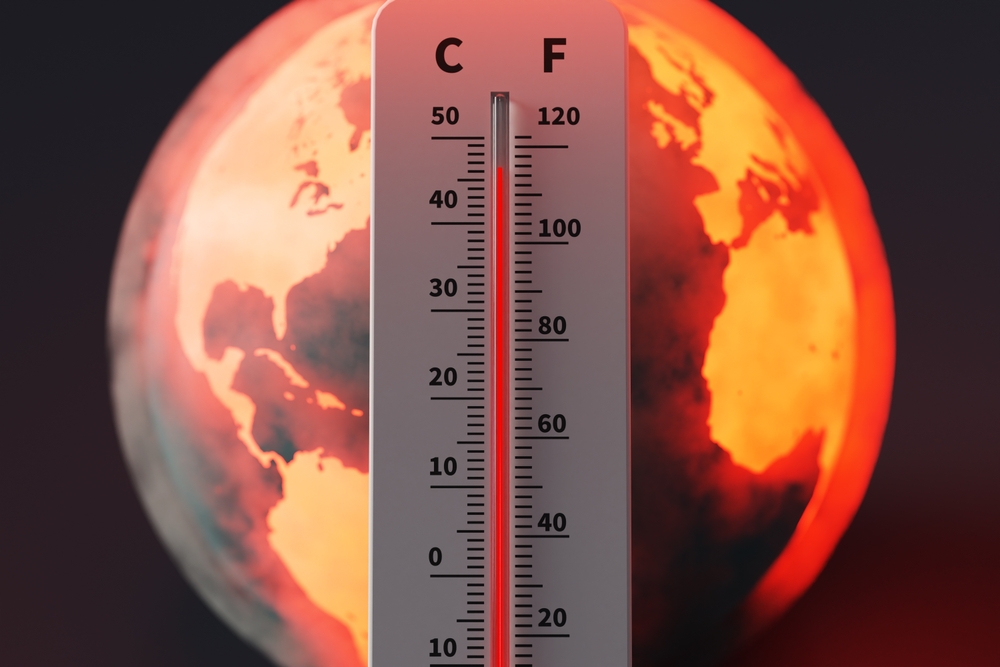
Europe has endured blistering summers. Wildfires have spread across continents. Oceans have recorded temperatures that scientists once thought would take decades to reach. Each new record seems to replace the last within months, leaving many wondering whether the climate crisis has entered a new and more dangerous phase.
Contents
show
Researchers say the answer may be yes. Multiple studies now indicate that the planet is warming at a pace unmatched in modern human history, with recent research suggesting the rate of global heating has almost doubled compared with much of the late twentieth century. The trend is not being driven by a single event. Instead, three powerful forces are working together, pushing Earth into territory that scientists have struggled to find parallels for in the geological record.
Scientists Say the Planet Is Warming Faster Than Before
For decades, Earth’s average surface temperature rose at a relatively steady pace. Between 1970 and 2015, global temperatures increased by about 0.2°C every decade. That alone represented a significant shift from the stable climate that supported modern civilisation.
According to new research published in Geophysical Research Letters, that pace has changed dramatically. After filtering out temporary influences such as El Niño, volcanic eruptions and changes in solar activity, researchers found that the warming rate has climbed to around 0.35°C every decade since 2015. That makes the current period the fastest sustained warming recorded since reliable observations began in 1880.
Statistician Grant Foster, one of the study’s co-authors, said the evidence has become increasingly difficult to dismiss.
“We can now demonstrate a strong and statistically significant acceleration of global warming since around 2015,” Foster explained after the study’s release. The researchers achieved this by removing natural climate fluctuations from the data, allowing the long-term human-driven warming trend to emerge more clearly.
The findings carry significant implications. If the current warming rate continues, scientists warn the world could exceed the Paris Agreement’s long-term goal of limiting warming to 1.5°C above pre-industrial levels before 2030. Although one unusually hot year does not officially breach that threshold, repeated years above it suggest the margin for avoiding long-term overshoot is rapidly shrinking.
Looking Into Earth’s Past Reveals Just How Unusual Today Really Is
Our planet has experienced warmer climates before. Millions of years ago, forests grew near the poles, sea levels stood far higher than they do today and tropical conditions extended across much larger parts of the globe.
The difference is not simply how warm Earth becomes. It is how quickly it is getting there.
Professor Bill McGuire argues that today’s warming rate has little comparison in the geological record. While ancient climate shifts unfolded over thousands of years, the current surge has happened within just a few generations. That leaves ecosystems, wildlife and human societies with far less time to adapt.
One of the closest ancient comparisons is the Palaeocene-Eocene Thermal Maximum, an intense warming event about 56 million years ago. Scientists believe global temperatures rose sharply during that period after enormous amounts of carbon entered the atmosphere.
Even then, today’s warming appears to be unfolding roughly ten times faster.
Compared with the natural warming that ended the last Ice Age, the difference becomes even more striking. Modern temperature increases are estimated to be at least twenty times faster than those ancient changes.
That extraordinary speed explains why researchers are increasingly concerned. Cities, agriculture, water supplies and natural ecosystems developed under a relatively stable climate. Rapid change compresses centuries of adaptation into a few decades.
Reason One: Greenhouse Gases Continue to Trap More Heat
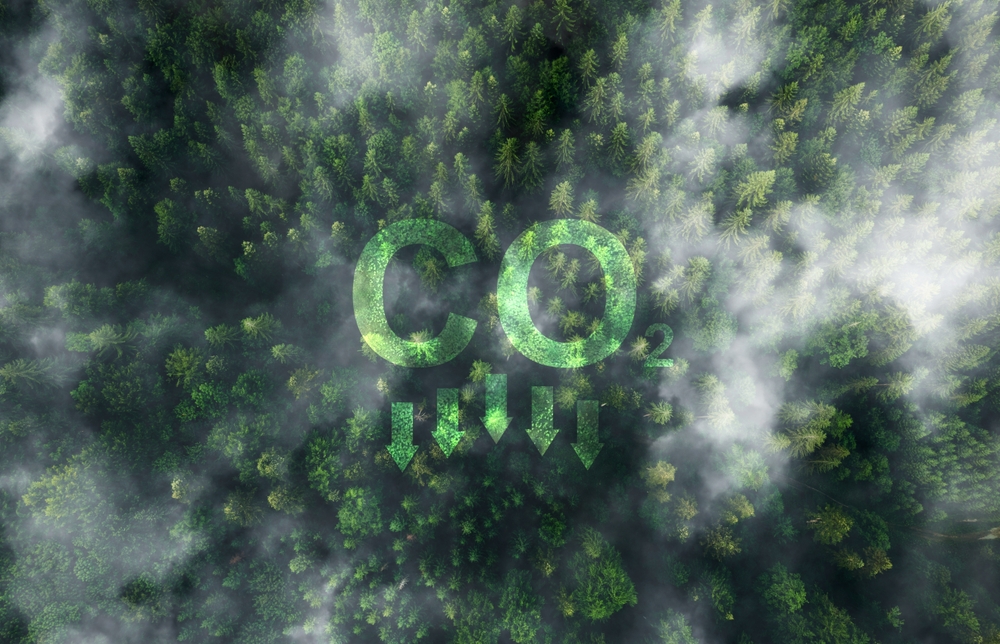
The biggest driver behind accelerating warming remains the same one scientists have identified for decades. Human activity continues adding greenhouse gases to the atmosphere faster than natural systems can remove them.
The greenhouse effect itself is not harmful. Without gases such as carbon dioxide, methane and water vapour, Earth would be far too cold for life. These gases naturally trap some of the heat that would otherwise escape into space, creating the conditions that allow plants, animals and people to survive.
Problems arise when concentrations increase rapidly.
Since the Industrial Revolution, burning coal, oil and natural gas has released enormous amounts of carbon dioxide into the atmosphere. Forest clearing has reduced Earth’s ability to absorb that carbon, while agriculture and industry have increased emissions of methane and nitrous oxide.
Measurements collected over decades illustrate how dramatic the rise has become. Carbon dioxide concentrations have increased by more than 40 percent compared with pre-industrial levels, while methane has risen by more than 150 percent. Ice core records show atmospheric carbon dioxide remained below 300 parts per million for hundreds of thousands of years before rapidly climbing during the past two centuries.
Scientists have also identified chemical fingerprints linking this additional carbon directly to fossil fuels rather than natural sources. Together, these observations provide strong evidence that human activities are responsible for the overwhelming share of the increase.
The result is an atmosphere that traps progressively more heat. Earth continues warming until it reaches a new energy balance, but that balance keeps shifting as greenhouse gas concentrations continue to rise.
Reason Two Is Beginning to Worry Scientists Even More
Increasing greenhouse gases explain why the climate is warming. They may not fully explain why the warming appears to be speeding up.
Scientists have observed that several natural cooling influences have weakened during recent years. Cleaner shipping fuels have reduced sulphur pollution, which previously reflected a small amount of sunlight back into space. While reducing harmful air pollution benefits public health, it also removes some of the temporary masking effect that had hidden part of greenhouse warming.
Researchers are also paying close attention to Earth’s energy imbalance.
Satellite observations indicate the planet continues absorbing more energy from the Sun than it releases back into space. Professor McGuire argues this growing imbalance suggests additional warming could still be locked into the climate system, even if temperatures fluctuate from one year to another.
Natural climate cycles still influence individual years. Strong El Niño events, volcanic eruptions and changes in solar activity can temporarily raise or lower global temperatures.
However, after removing these influences from the observations, researchers still detected the same accelerating trend. That gives scientists greater confidence that the underlying warming is not simply the result of short-term natural variability.
Climate scientist Zeke Hausfather said there is now widespread agreement that warming has accelerated, although researchers continue studying exactly how much comes from long-term human forcing versus shorter-term natural variability. Continued monitoring over the next several years will help answer that question more clearly.
Reason Three: Nature’s Safety Nets Are Showing Signs of Strain
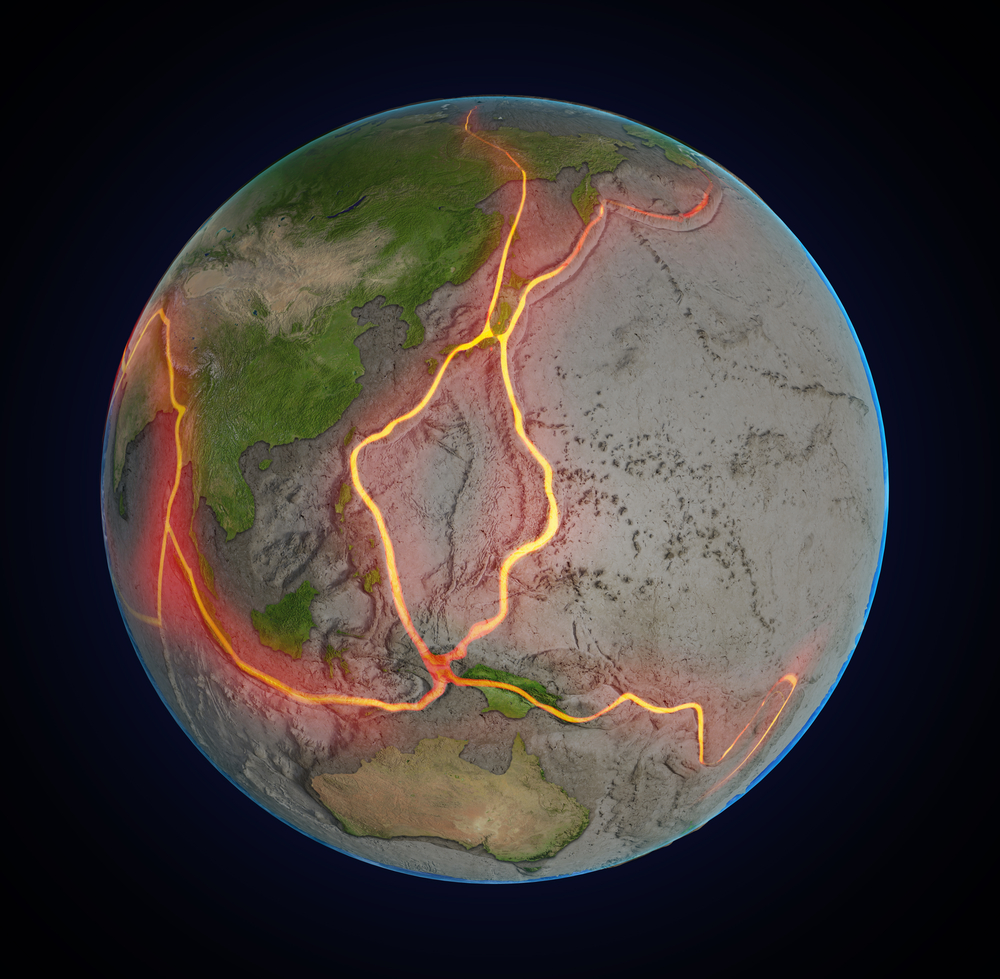
For decades, Earth’s natural systems have acted as a buffer against climate change.
Forests, oceans and soils absorb enormous amounts of carbon dioxide every year, slowing the pace of global warming. Without them, atmospheric carbon dioxide levels would be far higher than they are today.
Scientists estimate that the ocean alone has absorbed much of the excess heat generated by greenhouse gas emissions. This has prevented even higher air temperatures, but it has come at a cost. Ocean waters are warming, sea levels are rising through thermal expansion, and increasing amounts of carbon dioxide are making seawater more acidic.
Researchers are becoming increasingly concerned that some of these natural carbon sinks may be losing efficiency.
Recent observations have raised questions about whether forests and other ecosystems can continue absorbing carbon dioxide at the same pace if they are exposed to repeated droughts, heatwaves and wildfires. The source material notes that scientists have begun expressing concern that these systems may be starting to fail under mounting pressure.
If that trend continues, more carbon dioxide would remain in the atmosphere instead of being absorbed by nature. That would strengthen the greenhouse effect even further and make future warming more difficult to slow.
Scientists are still studying how significant this risk may become, but it represents another reason why emissions reductions remain urgent.
A Climate Unlike Anything Human Civilisation Has Known
Looking deep into Earth’s history gives scientists an idea of where the current trajectory could lead.
If emissions peak within the coming decades and then decline rapidly, some climate models suggest future generations could inherit conditions similar to the Late Pliocene, around three million years ago. During that period, temperatures were roughly 2.5°C to 4°C higher than before the Industrial Revolution, while sea levels stood between 15 and 25 metres above modern levels. Parts of that climate could begin appearing across continental interiors as early as the 2030s.
If emissions remain high or warming is amplified by additional climate feedbacks, researchers say the planet could resemble the Miocene, between 15 and 17 million years ago.
During that era, carbon dioxide concentrations ranged between roughly 400 and 600 parts per million, yet global temperatures were estimated to be 6°C to 8°C above nineteenth-century averages. Sea levels may have been around 50 metres higher than today. Scientists believe additional warming mechanisms were probably involved, though they are still working to understand them fully.
Professor Bill McGuire also warns that, if warming continues unchecked for centuries, Earth could eventually resemble the early Eocene, around 50 million years ago. Much of the planet would become extremely difficult for humans to inhabit because of persistent heat.
Researchers stress that these ancient periods are not exact forecasts. They serve as comparisons that help scientists understand how Earth’s climate has responded to similar greenhouse gas concentrations in the past.
Why 1.5°C Matters So Much
The figure of 1.5°C has become one of the most recognised numbers in climate science.
It is not a point where the planet suddenly changes overnight. Instead, it represents a threshold beyond which many climate risks become increasingly severe.
The Paris Agreement committed countries to pursue efforts to limit long-term warming to 1.5°C above pre-industrial levels. While global temperatures briefly exceeded that level during 2024, climate scientists explain that the agreement refers to long-term average warming over approximately 20 years rather than a single exceptionally warm year. Even so, repeated annual breaches indicate that the world is approaching that limit far more quickly than expected.
As temperatures rise further, the likelihood of extreme weather increases.
Heatwaves become hotter and more frequent. Heavy rainfall events become more intense because warmer air holds more moisture. Rising oceans threaten coastal communities, while changing rainfall patterns affect farming and freshwater supplies.
Scientists are also watching several potential climate tipping points. These involve large-scale systems, such as ice sheets and major ocean currents, that could undergo lasting changes if warming passes certain thresholds. Although significant uncertainty remains about exactly when those tipping points could occur, researchers agree that the risks increase as temperatures continue climbing.
Climate Models Show the Future Is Still Being Written
One important message appears consistently throughout the scientific research.
The current trend is alarming, but it is not fixed.
Climate models cannot predict every detail because future warming depends on several factors, including greenhouse gas emissions, technological advances and the complex feedback processes operating throughout Earth’s climate system. Natural climate variability will also continue influencing temperatures from year to year.
Researchers emphasise that stabilising carbon dioxide emissions can stabilise temperatures over time.
Stefan Rahmstorf, one of the authors of the recent warming study, summarised the challenge clearly.
“How quickly the Earth continues to warm ultimately depends on how rapidly we reduce global CO₂ emissions from fossil fuels to zero.”
That conclusion is echoed throughout decades of climate research. Human activities have driven the overwhelming share of modern warming, meaning human decisions will largely determine how much additional warming follows.
The Next Few Decades Could Shape Centuries
Climate change is often described as a problem for future generations, yet many of its effects are already unfolding.
The hottest years on record have all occurred within the past decade. Sea levels continue rising, glaciers continue shrinking, and heat records continue falling. These changes match what scientists have expected from increasing greenhouse gas concentrations, but the pace now appears to be accelerating.
Looking back through millions of years of Earth’s history offers a sobering perspective. The planet has survived climates far warmer than today’s. Human civilisation, however, developed during an unusually stable period. The challenge is not simply that Earth is getting hotter. It is that the change is happening faster than societies, ecosystems and infrastructure were built to handle.
The coming decades will determine whether today’s acceleration becomes a temporary surge or the beginning of an even steeper climb. Scientists continue refining their models, but one conclusion has remained remarkably consistent: the faster greenhouse gas emissions are reduced, the greater the chance of limiting the most severe consequences of a rapidly warming world.