
Your cart is currently empty!
Trump Administration Targets Two School Districts Over Secret Gender Transition Policies
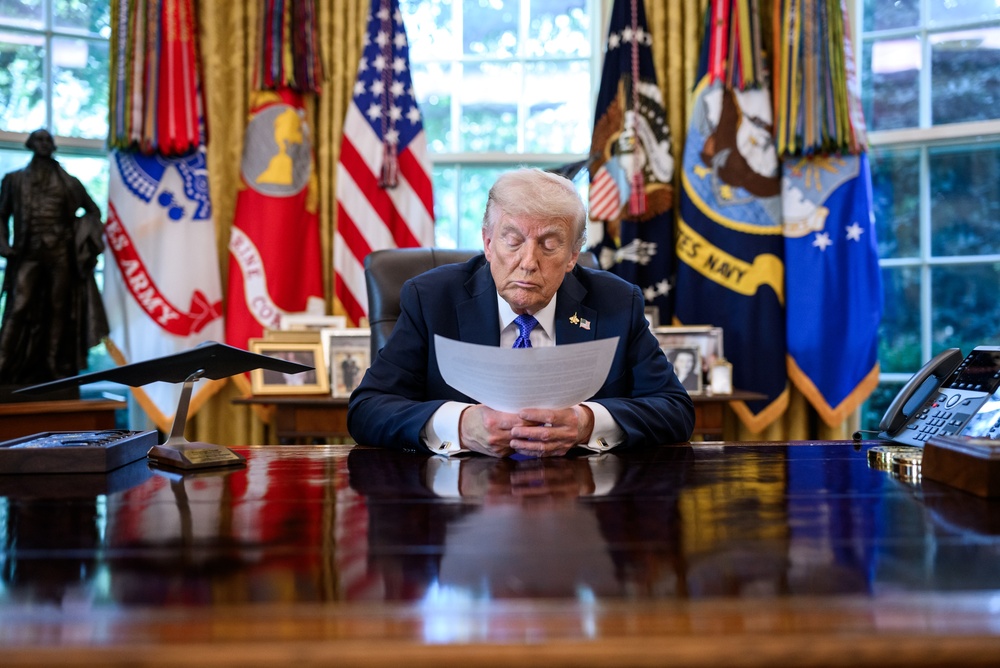
The Trump administration has opened new investigations into two public school districts accused of hiding students’ gender transitions from their parents, marking its latest effort to reshape how schools handle gender identity issues. The announcement, made on National Parents’ Day, signals that the administration is prepared to use federal funding as leverage against districts it believes are violating parents’ rights under federal law. If the allegations are substantiated, the schools involved could face serious financial consequences while adding fuel to one of the nation’s most divisive education debates.
Contents
show
The move reflects a broader campaign by President Donald Trump to roll back policies his administration describes as promoting “radical gender ideology” in schools. Since returning to office, Trump has repeatedly argued that parents should be fully informed about significant decisions involving their children, including matters related to gender identity. The latest enforcement actions place that promise at the center of a legal battle that could influence school policies across the United States, especially as more districts adopt guidelines aimed at balancing student privacy with parental involvement.

Trump Administration Launches Federal Investigations
The Department of Education announced that it is working alongside the Department of Justice to investigate Anne Arundel County Public Schools in Maryland and Ann Arbor Public Schools in Michigan for possible violations of the Family Educational Rights and Privacy Act, better known as FERPA. According to the department, both districts are accused of withholding important information from parents regarding their children’s gender identity while at school. Officials say such practices may conflict with federal laws designed to protect parents’ access to their children’s educational records.
Education Secretary Linda McMahon described the alleged conduct as unacceptable, arguing that parents should never be excluded from major decisions affecting their children. In a statement provided to Fox News Digital, McMahon said, “As a mother and a grandmother, it is unconscionable that any school district would hide the most sensitive information about children in their care from their own parents. This is not only an affront to basic moral principles, but also to parents’ rights under federal law.”
McMahon also warned that the administration intends to pursue aggressive enforcement if violations are confirmed. “Today, ED and DOJ are putting districts on notice that we will use every tool available to hold them to account for this egregious behavior,” she said. “Under the Trump Administration, ED and DOJ are working together to vigorously uphold parents’ federal protections, and we will work to ensure that no parent is ever kept in the dark about important matters relating to their children.”
The announcement reinforces a pattern that has emerged since Trump returned to the White House, with several school districts already facing scrutiny over policies involving transgender students. Rather than treating the issue as a local education matter, the administration has increasingly framed it as a question of federal civil rights and parental authority.

What The Government Says Happened In Maryland
One of the investigations focuses on Anne Arundel County Public Schools after a Maryland family claimed school staff socially transitioned their daughter without informing them. According to the Department of Education, school employees referred to the student using male pronouns and presented the child as male during the school day, despite the parents saying they had never approved or even known about those actions.
The parents reportedly became aware of the situation only after receiving an email from the school that referred to their daughter using male pronouns. Surprised by the language, they contacted administrators seeking answers about what had been taking place inside the school. According to federal officials, the family requested records relating to the student’s gender transition but says those requests were denied.
The Education Department alleges that an assistant principal declined to provide documents connected to the child’s gender identity at school. Those allegations now form part of the federal investigation into whether the district violated FERPA by withholding records that parents are legally entitled to access. At this stage, investigators have not announced any conclusions, and the inquiry remains ongoing.
While supporters of parental notification policies argue that schools should always inform families about significant changes involving their children, others have defended confidentiality policies for students who may not feel safe disclosing their gender identity at home. That broader debate now sits behind the legal questions federal investigators are examining.
Michigan District Also Faces Scrutiny Over Gender Identity Policy
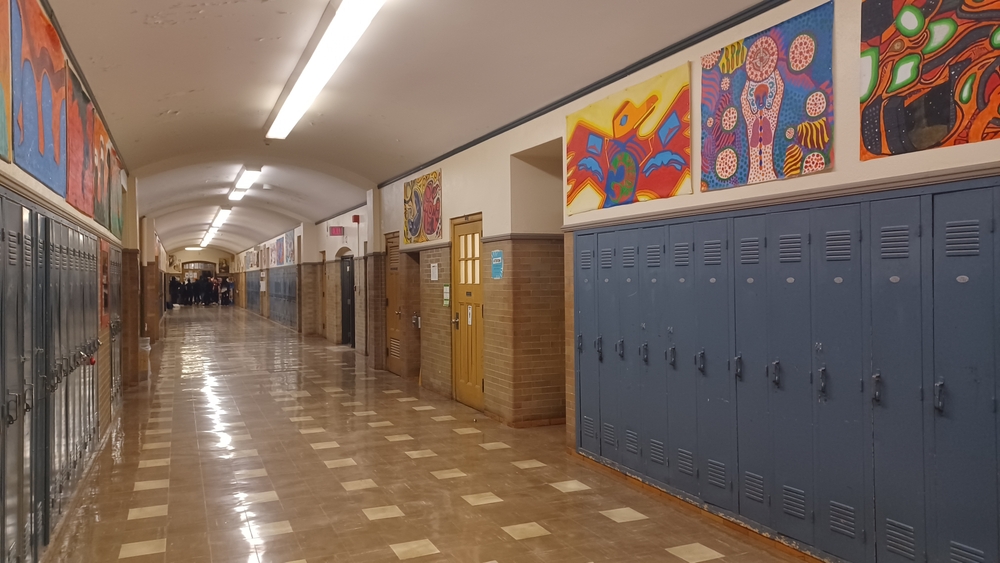
A separate investigation has been opened into Ann Arbor Public Schools in Michigan, where federal officials are examining a district policy that allegedly allows teachers and staff to withhold information about a student’s transgender status from parents. According to the Department of Education, the policy permits school employees to support a student’s preferred gender identity at school without automatically informing the student’s family.
Federal officials also point to another provision that allegedly requires records relating to a student’s gender identity to be stored separately from traditional educational files. Investigators are reviewing whether maintaining separate records in this way could violate parents’ rights under FERPA by restricting access to information about their own children.
The Education Department has directed Ann Arbor Public Schools to explain and justify its policy by August 11, 2026. If the district fails to satisfy federal officials or is ultimately found to have violated federal law, it could face enforcement actions that include the loss of federal education funding.
The investigation has attracted national attention because the outcome may affect how other school districts approach similar policies. Many districts around the country have adopted guidance addressing transgender students in recent years, but those policies vary widely depending on state laws and local school board decisions.

What Is FERPA And Why Does It Matter?
At the center of both investigations is the Family Educational Rights and Privacy Act (FERPA), a federal law enacted in 1974 to protect the privacy of student education records while giving parents certain rights over their children’s school information. Under FERPA, parents generally have the right to inspect and review their child’s education records, request corrections to inaccurate information, and control who has access to those records until the student reaches adulthood or enrolls in higher education.
The Trump administration is examining whether the policies adopted by the two school districts prevented parents from exercising those rights. According to the Department of Education, if school officials intentionally withheld records or maintained separate files that parents could not access, those actions could constitute violations of federal law. The investigations will seek to determine whether the districts’ policies crossed that legal threshold.
Supporters of the administration’s position argue that parents should never be excluded from major decisions involving their children, particularly when those decisions relate to health, identity, or emotional well-being. They contend that schools exist to educate students, not to replace parents in making deeply personal decisions. Administration officials have repeatedly framed parental involvement as both a legal requirement and a fundamental principle of public education.
Critics of mandatory parental notification policies, however, have argued that some students may not feel safe disclosing their gender identity at home and that educators should have flexibility to support vulnerable children. Those arguments have shaped policies in several districts across the country, setting the stage for legal disputes like the ones now unfolding in Maryland and Michigan.
Federal Funding Could Be At Risk
Although the investigations remain in their early stages, the consequences could be significant if federal officials conclude that either district violated FERPA. The Department of Education has the authority to pursue enforcement actions against schools that fail to comply with federal education laws, including the potential withholding of federal funding. While such penalties are relatively uncommon, the Trump administration has shown a greater willingness to use financial pressure to enforce its education priorities.
The latest actions are part of a broader series of investigations launched since President Trump returned to office. His administration has challenged school districts, universities, and athletic organizations over policies involving transgender students, arguing that many conflict with federal law or undermine parental rights. Officials have also emphasized that federal funding comes with responsibilities, and they say schools that accept taxpayer dollars must comply with federal requirements.
For school districts, the stakes extend beyond finances. A finding that a district violated FERPA could force administrators to rewrite policies governing student privacy, staff training, and recordkeeping. Other districts with similar practices may also face pressure to review their own policies to avoid becoming the next target of a federal investigation.
The outcome could have implications far beyond Maryland and Michigan. School boards across the country have adopted a wide range of approaches to gender identity issues over the past several years, and federal enforcement in these cases may influence how those policies evolve moving forward.
School Districts Have Yet To Respond
At the time Fox News Digital published its report, both Anne Arundel County Public Schools and Ann Arbor Public Schools had been contacted for comment but had not responded. Without statements from either district, many questions surrounding the allegations remain unanswered, including how school officials interpreted their legal obligations under both state and federal law.
Because the investigations are ongoing, no determination has been made that either district violated FERPA or any other federal law. The Education Department’s announcement represents the beginning of the investigative process rather than its conclusion. Federal officials will review district policies, examine records, and determine whether enforcement action is warranted.
The districts may also have opportunities to respond to the allegations, explain their policies, and demonstrate compliance with federal law before any final decisions are reached. In Ann Arbor’s case, the district has been instructed to justify its policy to the Education Department by August 11, 2026, a deadline that could play a key role in determining the next phase of the investigation.
As the legal process unfolds, educators, parents, and advocacy groups on both sides of the debate will be watching closely. The investigations have already become another flashpoint in the national conversation over parental rights, student privacy, and the role schools should play when questions about gender identity arise.
A Debate That Shows No Signs Of Slowing
The Trump administration’s latest enforcement actions illustrate how disputes over education policy continue to shape the national political landscape. While supporters see the investigations as a necessary defense of parents’ legal rights, opponents argue that schools must also consider the safety and well-being of students who may not be ready to discuss their gender identity at home.
Whatever the investigations ultimately conclude, their impact is likely to extend beyond the two districts currently under review. School systems across the country will be paying close attention as federal officials define how existing education laws apply to one of the most contested issues facing America’s classrooms today.
Ann Arbor Public Schools, Anne Arundel County Public Schools, Department of Education, Department of Justice, Donald Trump, education news, education policy, federal funding, FERPA, gender transition, Linda McMahon, parental rights, parents’ rights, Political News, school policies, schools, transgender students, Trump administration, US Schools