
Your cart is currently empty!
Trump and Netanyahu Face New Challenges Over Iran
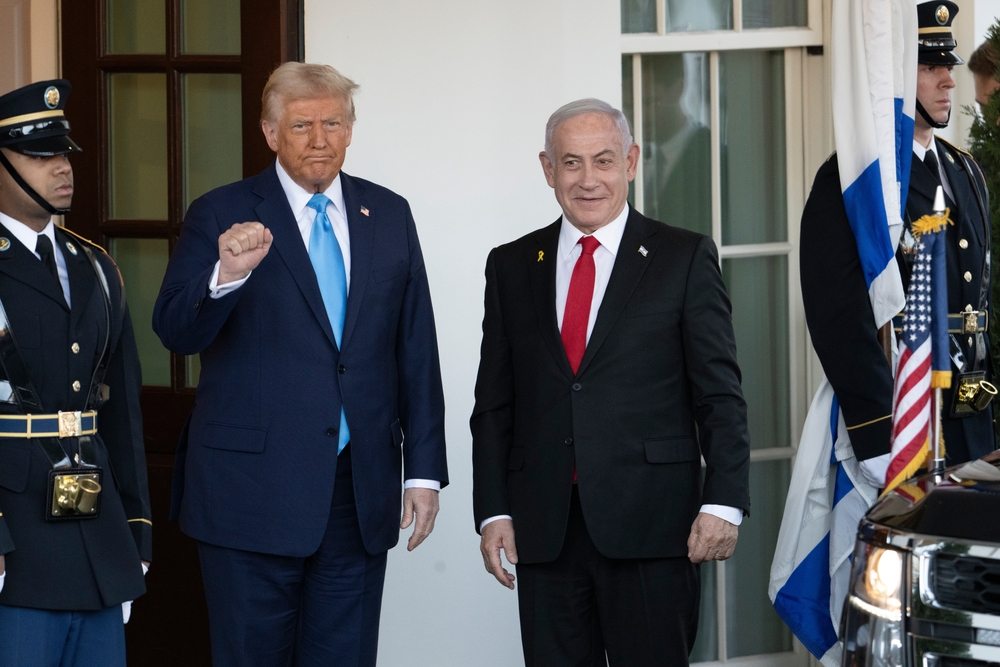
There was a time when a meeting between Donald Trump and Benjamin Netanyahu followed a familiar script. Cameras captured warm handshakes, both leaders praised the strength of the US-Israel alliance, and every public appearance reinforced the image of two governments moving in complete lockstep.
Contents
show
This visit to Washington feels markedly different. The alliance remains one of the closest in international politics, but months of war with Iran, disagreements over military strategy and growing political pressure on both leaders have created a far more complicated backdrop. Behind the public statements of unity lies a relationship that is being tested by competing priorities, domestic politics and uncertainty over what comes next in the Middle East.
A White House Meeting That Comes at a Critical Moment
Benjamin Netanyahu’s latest visit marks his seventh trip to Washington since Donald Trump returned to the White House, making him the foreign leader who has met the American president more than any other during this administration. Previous visits often served as opportunities to showcase close coordination between the two governments. This meeting, however, arrives after months of reports describing increasing friction behind closed doors.
According to officials cited in multiple reports, Netanyahu had spent weeks trying to secure another White House invitation. Trump was reportedly reluctant to schedule the meeting, while some administration officials grew frustrated by what they believed were attempts by Israeli officials to pressure the White House through media reports suggesting a meeting was imminent. Eventually, both leaders found themselves in Washington for the funeral of Senator Lindsey Graham, creating an opportunity for a face-to-face discussion that had previously proved difficult to arrange.
Although the meeting was officially described as part of ongoing coordination between two close allies, the circumstances surrounding it reflected a relationship that no longer appeared as straightforward as it once had.
Trump publicly dismissed reports suggesting Netanyahu intended to brief him on new intelligence regarding Iran’s nuclear programme before they even met.
“I don’t need Bibi to tell me that,” Trump said during an interview on Fox News. “Bibi is telling me that because he wants me to stay involved.”
The remark stood out because it contrasted sharply with the public praise that had characterised many previous meetings between the two leaders.
From Military Partnership to Strategic Differences

When Israel and the United States launched military operations against Iran earlier this year, both governments presented the campaign as an unprecedented example of cooperation. Trump and Netanyahu repeatedly praised one another, highlighting the close coordination between their armed forces and intelligence agencies.
At the beginning of the campaign, officials believed military pressure could significantly weaken Iran’s nuclear infrastructure within weeks. Expectations of a relatively short conflict shaped decisions in both Washington and Jerusalem.
That optimism faded as the fighting continued.
Instead of producing a decisive outcome, the conflict settled into a prolonged confrontation that placed increasing political and military pressure on both governments. Iran continued rebuilding elements of its military capabilities while regional instability spread beyond the original battlefield.
According to officials quoted by CNN, Trump became increasingly frustrated as the conflict dragged on without producing the rapid outcome many had anticipated. Private conversations reportedly became heated as the president expressed anger over the growing costs of a war that appeared to have no clear conclusion.
Those differences gradually produced two distinct approaches.
Netanyahu continued arguing that sustained military pressure remained essential if Iran’s nuclear ambitions were to be eliminated permanently. Trump, meanwhile, appeared more interested in limiting American involvement and exploring diplomatic options that could prevent an even wider regional conflict.
The disagreement was never presented as a public rupture, but several reports indicate it increasingly shaped discussions between both governments.
Iran Remains the Central Issue
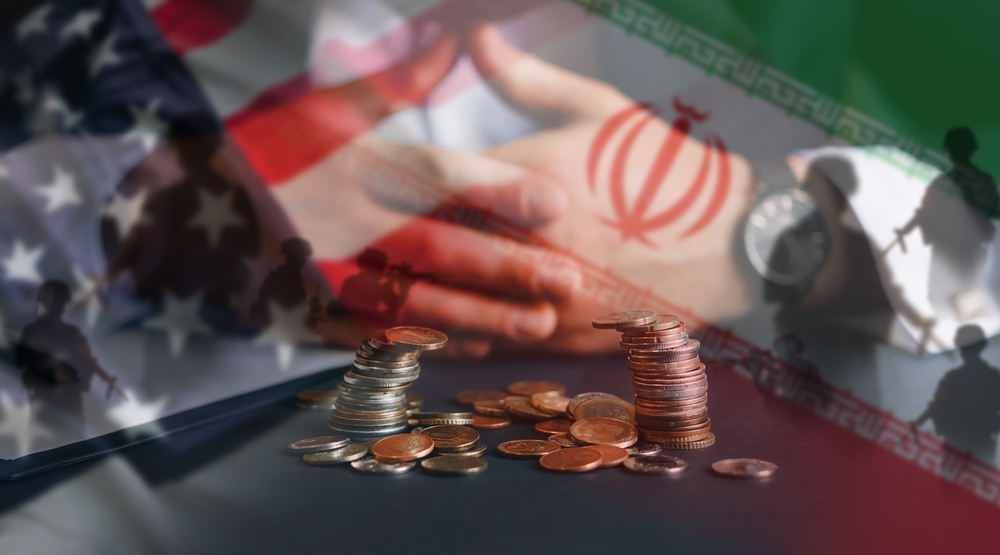
Despite disagreements over tactics, neither leader has publicly softened their position on Iran’s nuclear programme.
Officials familiar with the meeting said Netanyahu planned to present fresh intelligence regarding Iran’s efforts to rebuild parts of its military and nuclear infrastructure following months of strikes.
Israeli officials continue to argue that Tehran will use any reduction in military pressure to restore capabilities damaged during the conflict. From Israel’s perspective, maintaining pressure remains essential to preventing Iran from re-establishing its strategic position.
The Trump administration appears to share the broader objective while differing over how aggressively that objective should be pursued.
A senior administration official described Trump as maintaining a strong relationship with Netanyahu while insisting that the United States remained committed to preventing Iran from developing a nuclear weapon. The official also praised the military cooperation between both countries during the conflict.
Even so, officials quoted in several reports suggested Trump currently has little appetite for expanding American military involvement before the upcoming US elections.
That calculation creates an obvious challenge for Netanyahu.
Israeli officials believe Iran will continue rebuilding unless military pressure resumes. Washington appears increasingly focused on avoiding another prolonged military commitment that could dominate the political landscape heading into November.
Those competing priorities explain why this meeting carried greater significance than many previous visits.
Political Pressure Is Shaping Every Decision
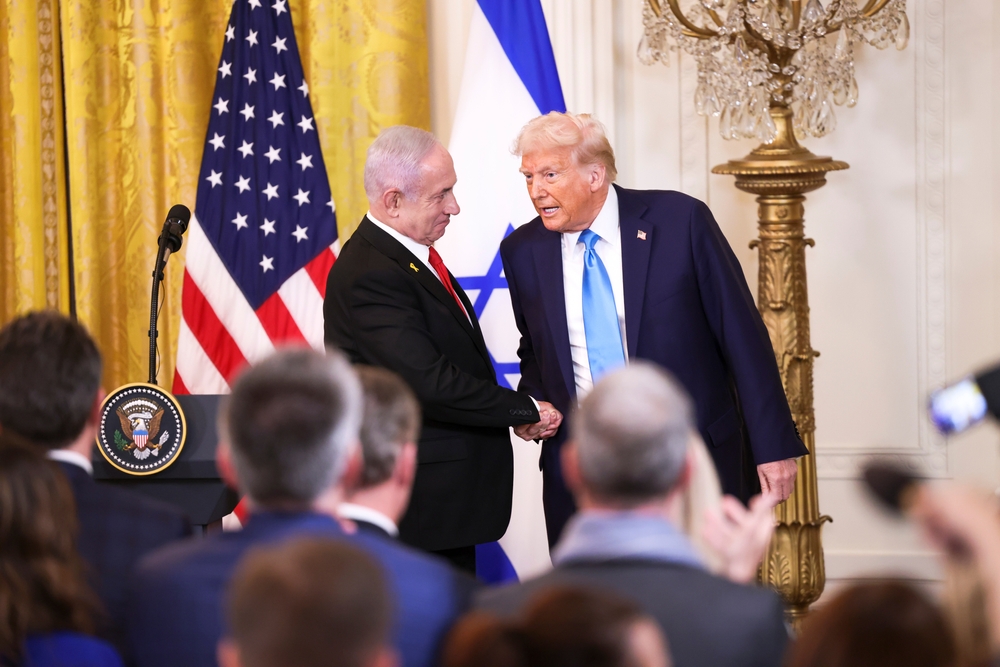
Foreign policy rarely exists in isolation from domestic politics, and both leaders arrive at this meeting facing unusually difficult political circumstances.
For Netanyahu, the timing could hardly be more important.
Israel is expected to hold national elections later this year, and recent opinion polls suggest his coalition remains well short of securing a governing majority. After years of presenting himself as the leader best equipped to manage Israel’s relationship with Washington, maintaining visible support from the White House has become an important part of his political message.
Officials familiar with Netanyahu’s thinking believe he hopes to demonstrate that, despite recent tensions, he remains the Israeli leader with the strongest relationship inside the American administration. Reports also suggest he would welcome a future visit by Trump to Israel before voters head to the polls.
Trump faces a different political calculation.
The war with Iran has become increasingly unpopular among parts of his political coalition, particularly within the America First movement that has consistently argued against prolonged overseas military commitments.
Several prominent Trump allies have openly questioned whether continued involvement serves American interests.
Former White House strategist Steve Bannon offered one of the strongest criticisms before the meeting.
“I think all of President Trump’s most ardent non-‘Israel First’ supporters are furious,” Bannon said, arguing that Netanyahu’s repeated visits to Washington had become “a disaster for America First.”
Curt Mills, executive director of The American Conservative, described the meeting as “DEFCON 1”, warning that Netanyahu would almost certainly argue for greater military escalation against Iran.
Not everyone within Trump’s political orbit shares those concerns.
Former National Security Council chief of staff Alex Gray argued that Netanyahu would naturally advocate for Israel’s interests but rejected suggestions that Trump could easily be pressured into military decisions that conflicted with American priorities.
“I have no concern that Donald Trump is going to be manipulated by any leader into doing something that’s not compatible with America’s interest first,” Gray said.
Those competing voices illustrate the broader debate unfolding inside Washington as the administration considers its next steps.
Public Unity Masks Growing Friction
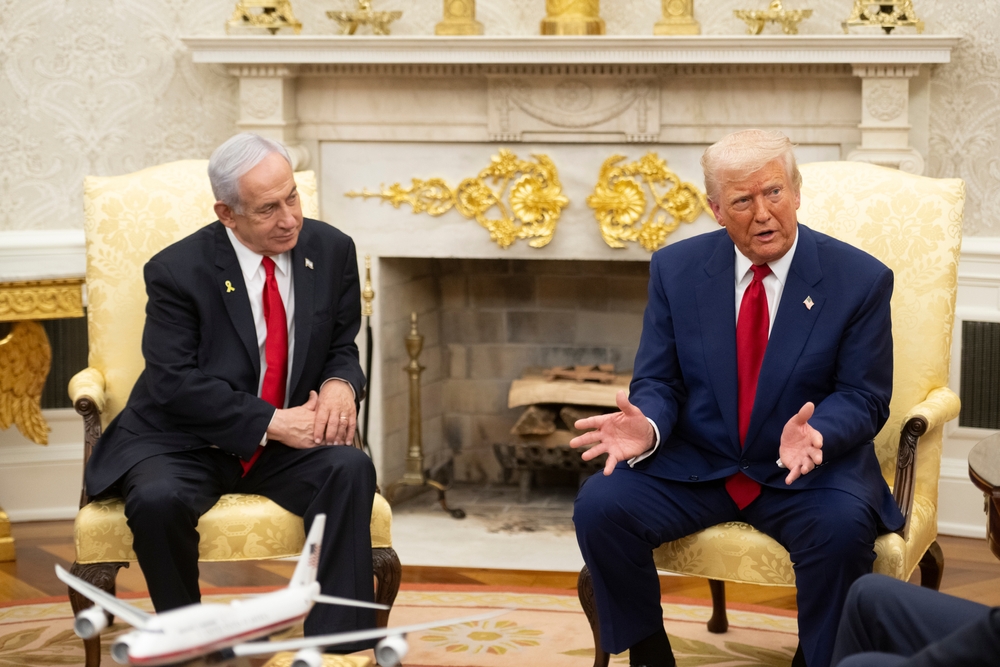
Despite reports of disagreement, neither government has publicly suggested that the alliance itself is weakening.
Following their White House meeting, Netanyahu described the discussions in positive terms.
“When I say excellent, I don’t mean it in a superficial way,” he said. “A conversation with full partnership, with mutual support, with an understanding of the common goal of ensuring that Iran does not have nuclear weapons, and other goals as well.”
White House Press Secretary Karoline Leavitt similarly described the discussions as “positive and productive,” although officials released few details about the private conversations.
Those public statements projected stability, but they did little to eliminate questions surrounding the future direction of US policy in the Middle East.
As the conflict continues and political pressure intensifies on both sides, the real test may not be whether Trump and Netanyahu continue talking. It may be whether they still agree on how the next phase of the crisis should unfold.
Lebanon, Gaza and Syria Add More Pressure

Although Iran dominated the agenda, it was far from the only issue capable of creating tension between Washington and Jerusalem.
Trump’s efforts to reduce military activity across the region have increasingly collided with Netanyahu’s security priorities, particularly in Lebanon. During recent discussions, the American administration reportedly pushed for further Israeli withdrawals from southern Lebanon following the trilateral agreement brokered between the United States, Israel and Lebanon.
According to officials familiar with Netanyahu’s security cabinet discussions, the Israeli prime minister indicated that he intends to resist any move that would require Israel to withdraw before Hezbollah has been fully disarmed. Israeli leaders continue to argue that maintaining military positions near the border remains essential to preventing renewed attacks from the armed group.
Trump has shown growing frustration with the continued fighting.
According to reports cited by CNN, the president complained directly to Netanyahu during a telephone conversation earlier this year.
“Everybody hates you now. Everybody hates Israel because of this,” Trump reportedly told the Israeli leader while urging him to reduce military operations in Lebanon.
The disagreement illustrates how both governments increasingly share strategic objectives while differing over the pace and methods used to achieve them.
Gaza presents another difficult challenge.
The humanitarian situation continues to draw international attention, while Washington remains involved in efforts to support diplomatic arrangements that could eventually stabilise the territory. According to reports, Israel’s security cabinet recently approved measures that could allow members of an international stabilisation force to enter parts of Gaza under limited conditions as part of an earlier US-backed ceasefire framework.
Implementation remains uncertain because relatively few countries have committed troops, and Israel intends to approve deployments individually. At the same time, Israeli military operations against Hamas continue, with officials insisting strikes remain focused on militant targets despite civilian casualties that have fuelled criticism abroad.
Syria also remains part of the broader regional discussion.
Israeli officials have expressed concern that any significant reduction in military pressure could allow hostile groups backed by Iran to strengthen their presence near Israel’s northern border. While Syria did not dominate the meeting in Washington, it formed part of wider conversations about regional security and American expectations regarding future Israeli deployments.
New Strategic Concerns Beyond the Battlefield
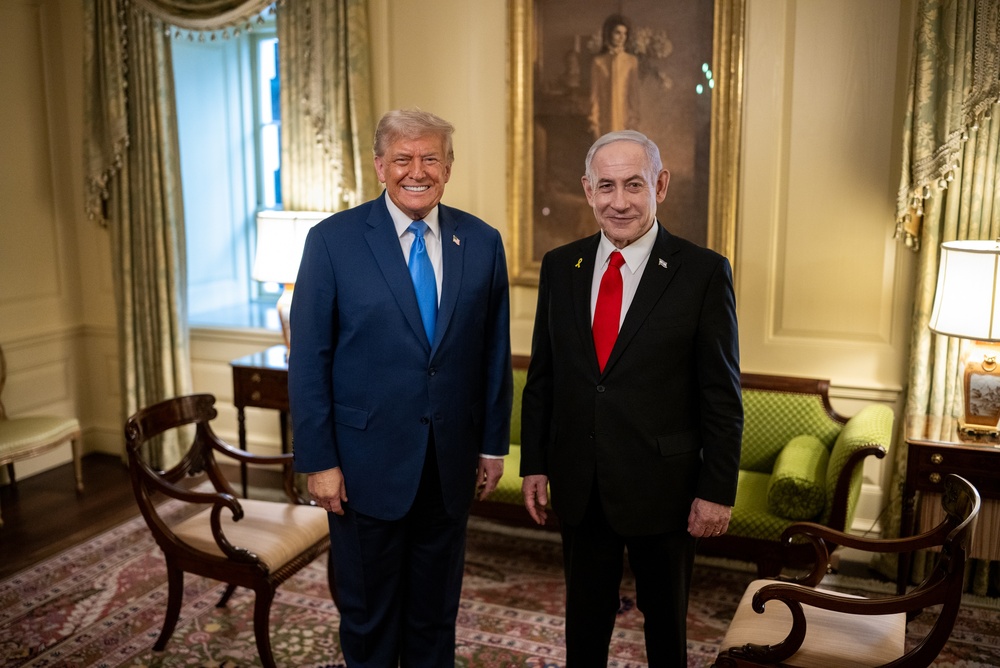
The White House meeting also reflected growing disagreements over long-term security issues extending beyond the current conflict.
One concern involves reports that the United States is considering selling advanced F-35 fighter jets to Turkey.
Israeli officials have privately warned that such a sale could weaken Israel’s long-standing qualitative military edge in the region. Trump, however, made clear that any decision would ultimately rest with him.
Asked about Netanyahu’s reported opposition, Trump responded that “nobody” dictates American arms sales except the president, while describing Turkey as “a tremendous ally.”
Another sensitive issue involves discussions surrounding a possible US-Saudi civil nuclear agreement.
Israeli officials fear that expanded nuclear cooperation with Saudi Arabia could encourage other countries in the region to pursue similar capabilities, potentially increasing long-term security risks.
Trump has publicly linked any agreement with Saudi Arabia to broader efforts aimed at expanding the Abraham Accords, the diplomatic agreements that normalised relations between Israel and several Arab states.
For Netanyahu, those negotiations represent both an opportunity and a political necessity.
A successful expansion of the Abraham Accords would allow him to present voters with another major diplomatic achievement before Israel heads to the polls. At the same time, he wants assurances that future American agreements with regional partners will not weaken Israel’s military position. Reports suggest Israeli officials also hope to begin discussions on a new long-term US-Israel defence agreement to replace the memorandum negotiated during the Obama administration, which is due to expire in the coming years.
Domestic Politics Continue to Shape Foreign Policy
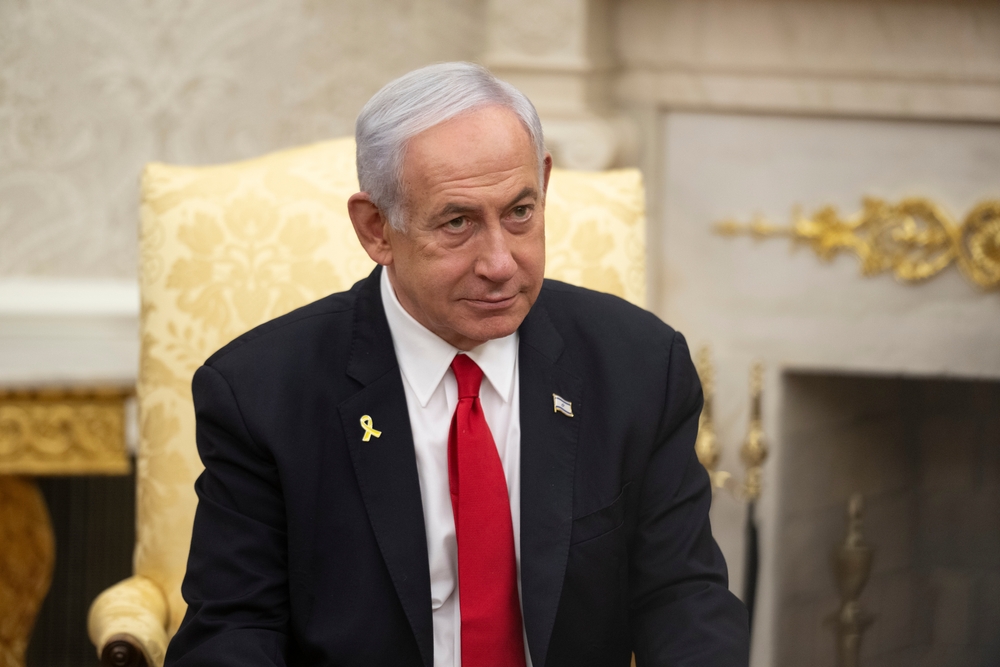
The timing of the meeting highlights how closely foreign policy and electoral politics have become intertwined for both leaders.
Netanyahu enters the coming election campaign facing one of the toughest political environments of his career. Polling suggests his governing coalition remains well short of securing another parliamentary majority, while the prolonged regional conflict has become an increasingly divisive issue inside Israel.
Throughout much of his political career, Netanyahu has pointed to his close relationship with successive American administrations as evidence of his diplomatic experience. Maintaining visible access to Trump therefore carries significance that extends well beyond foreign policy.
Trump faces his own political calculations.
The conflict with Iran has become a source of debate within the Republican Party, particularly among supporters who backed his promise to reduce American involvement in overseas wars. Rising military costs, uncertainty over how long the conflict could continue and concerns about broader regional instability have all contributed to growing scepticism within parts of his political base.
Some Republican figures continue to argue that preventing Iran from obtaining a nuclear weapon remains a vital American interest regardless of political costs.
Matt Brooks, chief executive of the Republican Jewish Coalition, argued there remained “zero daylight” between Trump and Netanyahu on the issue of Iran’s nuclear ambitions.
“The one constant and the one area in which there is zero daylight between the prime minister and the president is that under no circumstances will Iran ever have a nuclear weapon,” Brooks said.
Others have urged caution.
Several prominent voices associated with the America First movement continue to warn that further military escalation could draw the United States into another prolonged conflict across the Middle East, precisely the outcome many Trump supporters hoped to avoid.
Those competing pressures help explain why every public comment surrounding the White House meeting attracted intense scrutiny.
A Positive Meeting Does Not Remove the Difficult Questions
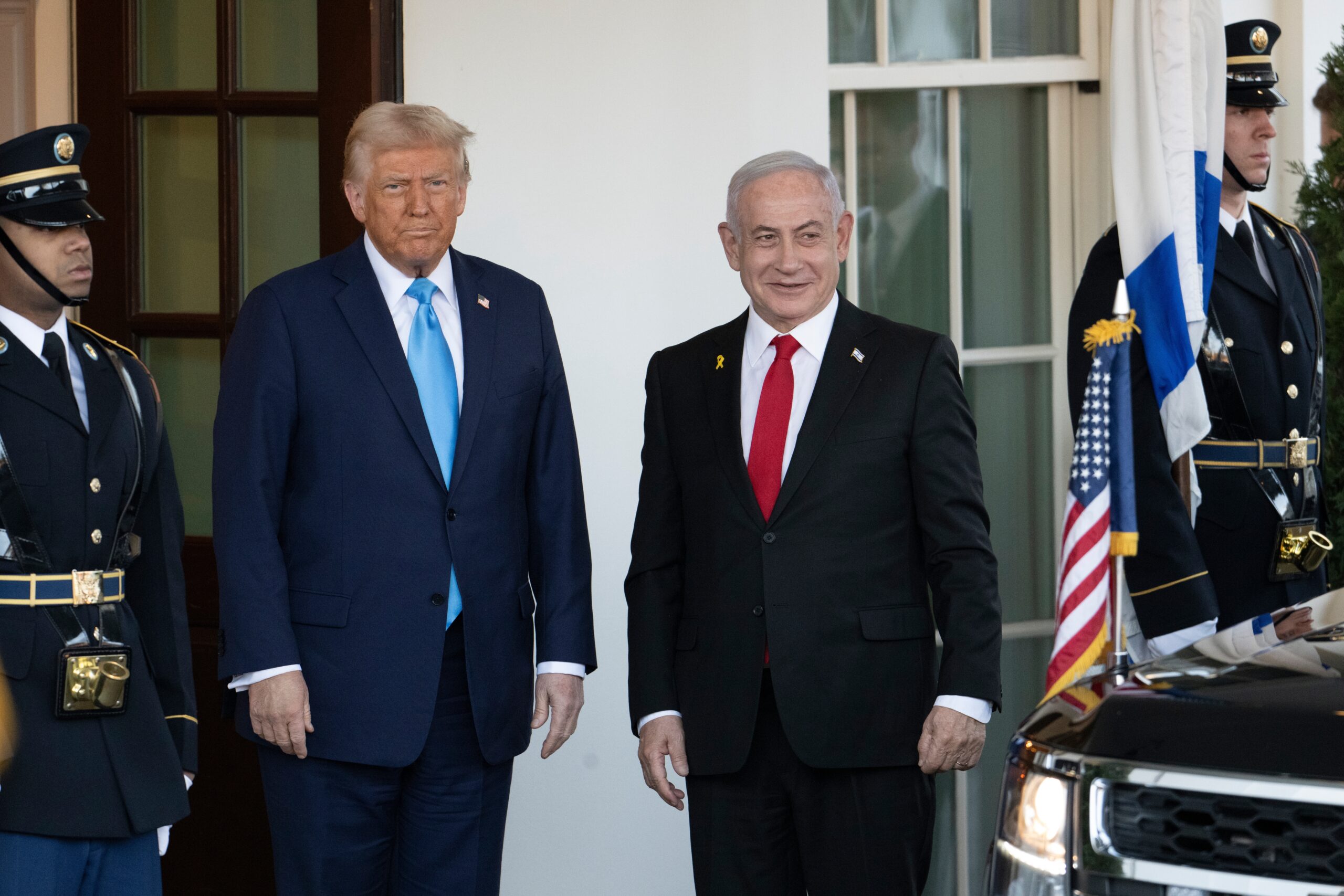
Following nearly ninety minutes of private discussions, both governments presented the meeting as productive.
White House Press Secretary Karoline Leavitt described the talks as “positive and productive,” while Netanyahu later praised what he called an “excellent” conversation that demonstrated continued partnership between both governments.
Yet developments only hours later served as a reminder that diplomacy alone may not determine events.
According to reports, Iran launched multiple ballistic missiles toward US forces in the Middle East later that day. American military officials said all of the missiles were intercepted, but the attack underscored how quickly regional tensions can escalate despite ongoing diplomatic efforts.
Israeli officials indicated that Netanyahu assured Trump Israel would respond if directly attacked while also recognising that decisions regarding broader American military involvement ultimately rest with the US president.
That acknowledgement reflected a political reality that has become increasingly clear throughout the conflict.
While Netanyahu continues advocating for Israel’s security priorities, Trump now controls many of the decisions that will determine whether the conflict moves toward diplomacy or returns to wider military escalation.
The Future of the Alliance May Depend on What Happens Next
The relationship between Donald Trump and Benjamin Netanyahu remains one of the most consequential partnerships in global politics.
Both leaders continue to share core objectives, particularly their determination to prevent Iran from developing a nuclear weapon and their commitment to maintaining close security cooperation. Those shared interests remain the foundation of the US-Israel alliance.
Even so, recent months have shown that close allies can disagree over how those objectives should be achieved.
Trump appears increasingly focused on limiting American involvement in another prolonged regional war while balancing domestic political pressures ahead of the November elections. Netanyahu, preparing for a difficult election of his own, believes sustained pressure on Iran and continued security operations across the region remain necessary to protect Israel’s long-term interests.
Those differences do not signal the end of the partnership, but they do suggest that future meetings may no longer follow the carefully choreographed script that once defined the relationship.
The latest White House talks ended with both leaders emphasising unity. Whether that unity survives the next phase of the Iran conflict, negotiations across the Middle East and the political pressures awaiting both men will shape not only their own futures, but also the direction of one of the world’s most closely watched alliances.