
Your cart is currently empty!
The Medical Breakthrough That Quietly Saved Millions of Lives
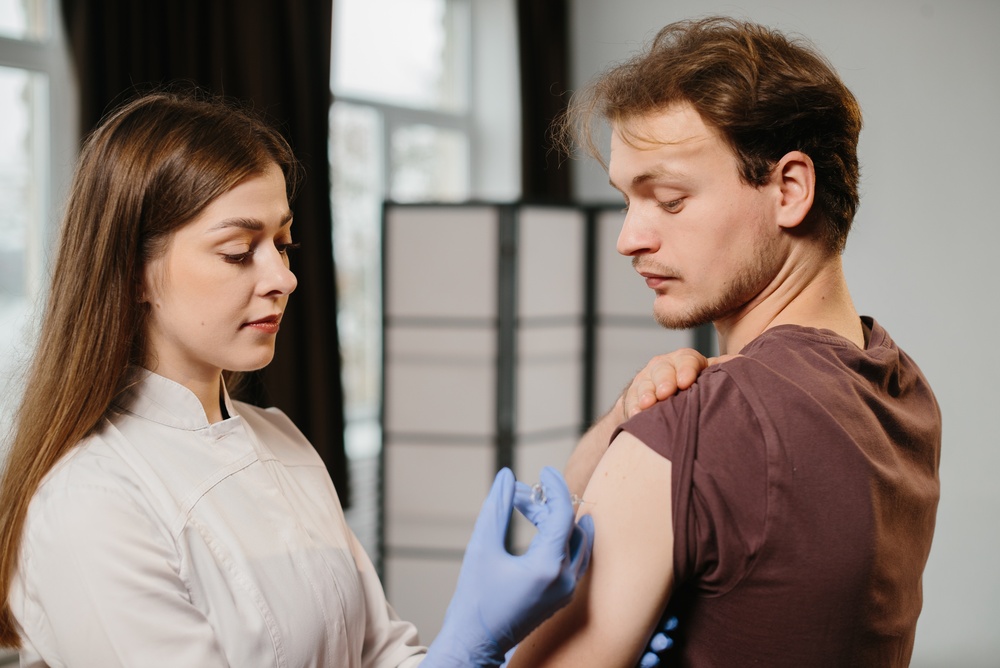
Vaccines rarely dominate the news unless a major health crisis puts them back into the spotlight. Their greatest achievements are often invisible because successful vaccination programs prevent outbreaks before they begin, allowing millions of people to live healthy lives without ever experiencing diseases that once devastated entire communities. That quiet success has made vaccines seem routine, even though they remain one of the most significant medical advances in modern history.
Contents
show
The COVID-19 pandemic reminded the world just how much society depends on vaccines. While debates around vaccination often attract attention, the broader picture is far less controversial among public health experts. For decades, vaccines have prevented millions of deaths, reduced pressure on hospitals, protected children from life-changing illnesses, and helped communities recover from dangerous outbreaks. Their impact extends far beyond individual protection, influencing education, economies, healthcare systems, and the future of global medicine.

Vaccines Have Changed Global Health Forever
Few medical discoveries have transformed human health as dramatically as vaccines. Public health experts frequently describe them as one of the most effective and cost-efficient medical technologies ever developed. According to the reference material, only access to clean water has had a greater impact on improving global health. That comparison highlights just how fundamental vaccination has become in reducing illness and extending life expectancy across the world.
Before vaccines became widely available, infectious diseases regularly claimed millions of lives every year. Parents feared illnesses like smallpox, measles, diphtheria, and polio because they spread rapidly and often left survivors with permanent disabilities. Entire communities experienced repeated outbreaks that overwhelmed healthcare systems and changed the course of countless families’ lives. Today, many younger people have never witnessed these diseases firsthand because vaccination programs have dramatically reduced their presence.
Innovation has steadily expanded the list of diseases that vaccines can prevent. The reference notes that vaccines now provide protection against more than 30 diseases, including malaria, pneumonia, Ebola, COVID-19, and cancers linked to the human papillomavirus (HPV). Rather than focusing only on childhood illnesses, modern vaccine research continues to address infectious diseases that affect people throughout every stage of life.
This progress did not happen overnight. It reflects decades of scientific research, international cooperation, and continuous improvements in manufacturing and distribution. Each advancement has helped make vaccines safer, more effective, and more accessible, allowing billions of people worldwide to benefit from protection that earlier generations simply did not have.

COVID-19 Put Vaccines Back in the Spotlight
For many years, vaccines quietly did their job without attracting much public attention. That changed dramatically when COVID-19 spread across the globe, forcing scientists, governments, and healthcare workers to respond to one of the largest public health emergencies in modern history. The pandemic reminded people how quickly infectious diseases can disrupt everyday life when no immunity exists.

A Turning Point During the Pandemic
The development and rollout of COVID-19 vaccines became one of the fastest scientific efforts ever undertaken. According to the reference, these vaccines helped prevent serious illness and deaths while protecting healthcare systems from becoming overwhelmed. By reducing the number of severe cases requiring hospitalization, they also helped frontline medical staff continue treating patients with many other health conditions.
Vaccination also played a major role in allowing societies to reopen. Families who had spent months separated by travel restrictions and lockdowns were finally able to reunite. Schools resumed classroom learning, businesses welcomed employees back, and many aspects of daily life gradually returned. Although the pandemic presented enormous challenges, vaccines became one of the key tools that helped countries move beyond the crisis.
The experience also demonstrated how scientific collaboration can accelerate medical innovation when resources and expertise are shared across borders. Researchers, pharmaceutical companies, healthcare professionals, and governments worked together at an unprecedented scale, producing new technologies that may also benefit future vaccine development.
Vaccination Benefits Every Stage of Life
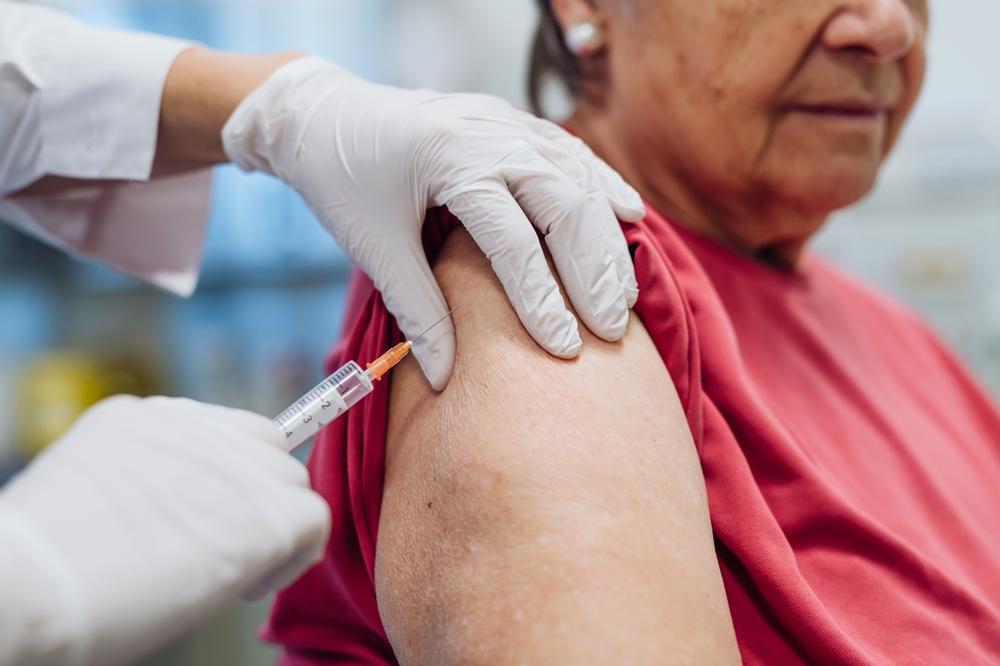
Many people associate vaccines primarily with infants and young children, but their value extends well beyond childhood. Health experts emphasize that immunization provides protection throughout a person’s lifetime, helping reduce illness, disability, and hospitalization across every age group.
For children, vaccination means far more than avoiding temporary illness. Preventing diseases early in life reduces the risk of long-term complications that could affect education, development, and quality of life. Children who remain healthy are less likely to miss school, allowing them to learn, grow, and participate fully in everyday activities without interruptions caused by preventable diseases.
Adults also experience significant benefits. Fewer serious infections mean fewer days away from work and greater opportunities to remain active within their families and communities. As populations continue to age around the world, vaccines have become increasingly important for helping older adults maintain their health and independence. Protecting people throughout adulthood reduces pressure on healthcare services while supporting healthier aging across entire populations.

Declining Vaccination Rates Have Become a Growing Concern
While COVID-19 vaccines became the focus of global health efforts, another challenge quietly emerged in the background. Routine immunization programs faced significant disruptions as schools closed, healthcare services were interrupted, and many families delayed or missed regular medical appointments. Public health organizations now warn that these setbacks could have lasting consequences if vaccination coverage is not restored.
According to data from the World Health Organization (WHO) and UNICEF cited in the reference material, 23 million children missed basic vaccines through routine immunization services during 2020. That represented approximately 3.7 million more children than in 2019, marking one of the largest setbacks in childhood vaccination in decades. Health experts noted that this could be the first decline in annual childhood immunization rates seen in nearly 28 years.
Lower vaccination coverage does not simply affect individuals. Many vaccine-preventable diseases rely on high community vaccination rates to stop transmission. When fewer people are immunized, diseases that were once under control can begin spreading again, placing newborns, elderly adults, and people with weakened immune systems at greater risk. This is why international health organizations continue encouraging governments to strengthen routine vaccination programs and organize catch-up campaigns for those who missed scheduled immunizations during the pandemic.

Why Hospitals Benefit From Higher Vaccination Rates
The advantages of widespread vaccination extend beyond preventing infections. When fewer people develop severe disease, hospitals have more resources available to care for patients with other urgent medical needs.
Throughout the COVID-19 pandemic, healthcare systems around the world faced enormous pressure. As vaccination reduced the number of severe infections requiring hospitalization, hospitals gradually regained capacity to treat patients living with conditions such as cancer, diabetes, heart disease, and other chronic illnesses. Maintaining strong vaccination programs helps healthcare systems remain resilient, even when new outbreaks occur.
Another important benefit involves antimicrobial resistance (AMR), which health experts consider one of the greatest medical challenges of the future. Vaccines help prevent certain bacterial infections before they begin, reducing the need for antibiotics. Fewer antibiotic prescriptions can slow the emergence of antibiotic-resistant bacteria, often referred to as “superbugs,” making existing treatments more effective for longer.
Scientists Are Already Building the Next Generation of Vaccines
The rapid development of COVID-19 vaccines demonstrated how quickly science can respond when faced with an urgent global threat. Researchers are now applying many of those lessons to improve existing vaccines while preparing for diseases that may emerge in the future.
Scientists are working to create vaccines that provide longer-lasting protection, require fewer doses, and remain effective against evolving viruses. Researchers are also exploring new technologies that make vaccines more heat-stable, allowing them to be transported and stored more easily in regions where refrigeration remains a challenge. These improvements could significantly expand access to lifesaving vaccines in lower-resource communities around the world.
Manufacturing is also evolving. Developers are reducing production complexities while designing systems capable of rapidly increasing vaccine output during future emergencies. Distribution strategies are being refined as well, with greater attention given to overcoming the “last mile” challenge of delivering vaccines safely to remote populations where healthcare infrastructure may be limited.
Hundreds Of New Vaccines Are In Development
The future of vaccine research extends well beyond COVID-19. According to the reference material, approximately 260 vaccine candidates are currently being developed to protect against diseases that still lack effective vaccines or where better protection is needed.
Among the conditions being targeted are:
- HIV
- Norovirus
- Alzheimer’s disease
- Lyme disease
- Respiratory Syncytial Virus (RSV)
- Group B streptococcus
- Zika virus
- Dengue fever
Many of these vaccine candidates remain in clinical development, meaning additional research is still required before they become widely available. Nevertheless, the growing pipeline reflects continued investment in preventing diseases before they create widespread health crises.
Researchers are also developing rapid-response platforms designed to combat future “Disease X” outbreaks. These systems aim to accelerate vaccine development when previously unknown infectious diseases emerge, helping countries respond faster than was possible in previous pandemics.
Vaccines Continue To Shape A Healthier Future
Vaccines rarely receive recognition for the countless illnesses that never occur, yet their influence can be measured across nearly every part of modern society. They help children reach adulthood, allow older adults to remain healthier for longer, reduce strain on healthcare systems, and support economies by keeping communities healthier and more productive.
As countries continue rebuilding healthcare services after the COVID-19 pandemic, restoring routine immunization programs and investing in new vaccine technologies remain central priorities. Diseases evolve, new health threats will emerge, and future outbreaks cannot always be predicted. The continued progress of vaccine research offers one of the strongest tools available to protect future generations and reduce the impact of infectious diseases worldwide.