
Your cart is currently empty!
Thousands of 9/11 Families Want NYC Mayor Zohran Mamdani to Stay Away From 25th Anniversary Ceremony
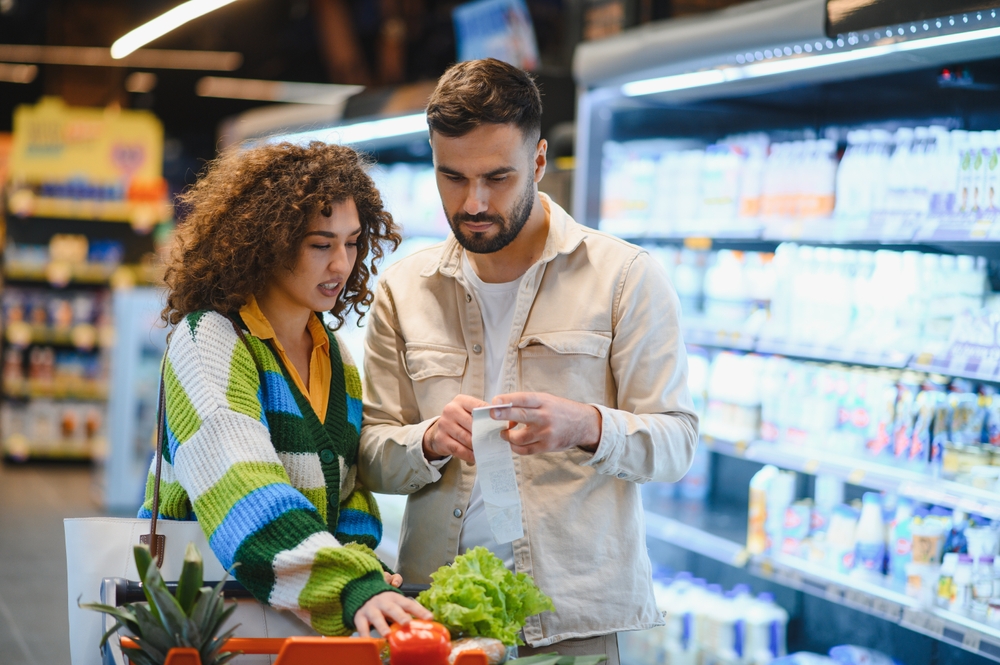
For millions of Americans, a routine trip to the grocery store has become a constant reminder of how dramatically everyday life has changed. Items that once fit comfortably into a weekly budget now force shoppers to rethink their purchases, compare prices between stores, and leave favorite products behind. While inflation has slowed compared with its peak during the COVID-19 pandemic, grocery bills remain stubbornly high, creating financial pressure that families continue to feel every week.
Contents
show
New data shows that food prices in the United States have climbed by 33% over the past seven years, marking the largest increase in grocery costs in roughly 50 years. What worries economists even more is that these elevated prices are no longer viewed as a temporary consequence of the pandemic. Instead, experts believe Americans are entering a new era where paying significantly more for basic food items has become the standard, with forecasts suggesting additional price increases are still on the horizon.

Grocery Prices Have Reached Levels Many Families Never Expected
The sharp rise in grocery costs accelerated during the pandemic, when global supply chains broke down and labor shortages disrupted nearly every part of the food industry. Transportation became more expensive, production slowed, and retailers faced mounting costs that eventually reached consumers at the checkout counter.
Although inflation has eased since those turbulent years, food prices have shown little sign of returning to previous levels. According to Scott D. Martin, a partner at Kingsview Wealth Management, shoppers hoping prices would eventually fall back to what they remembered before the pandemic are likely to be disappointed.
“While inflation has cooled from its peak, grocery prices have not returned to where consumers remember them,” Martin told the New York Post.
He explained that years of supply chain disruptions, labor shortages, higher transportation expenses, and widespread inflation have effectively reset grocery prices to a permanently higher level. Instead of seeing temporary spikes disappear, consumers are now facing what experts describe as a long-term shift in the cost of everyday essentials.
Ground Beef Has Become a Symbol of America’s Grocery Crisis
Few products illustrate rising food costs better than ground beef. Once considered one of the more affordable proteins for American households, its price has climbed dramatically in recent years.
According to the U.S. Bureau of Labor Statistics, the average price of ground beef reached $6.82 per pound in June, representing a staggering 79% increase since 2019. That increase has transformed one of the country’s most common grocery staples into an example of just how expensive everyday meals have become.
The surge has been driven by several overlapping challenges rather than a single cause. Reduced cattle herds across the United States have limited beef supplies, while disease affecting livestock has added further pressure. Rising costs for feed, transportation, and labor have also contributed to higher prices throughout the meat industry.
Douglas Holtz-Eakin, president of the American Action Forum, said the problem extends beyond inflation alone. He noted that shrinking cattle herds, unfavorable growing conditions, and the war in Ukraine have all played important roles in keeping food prices elevated long after the worst of the pandemic passed.
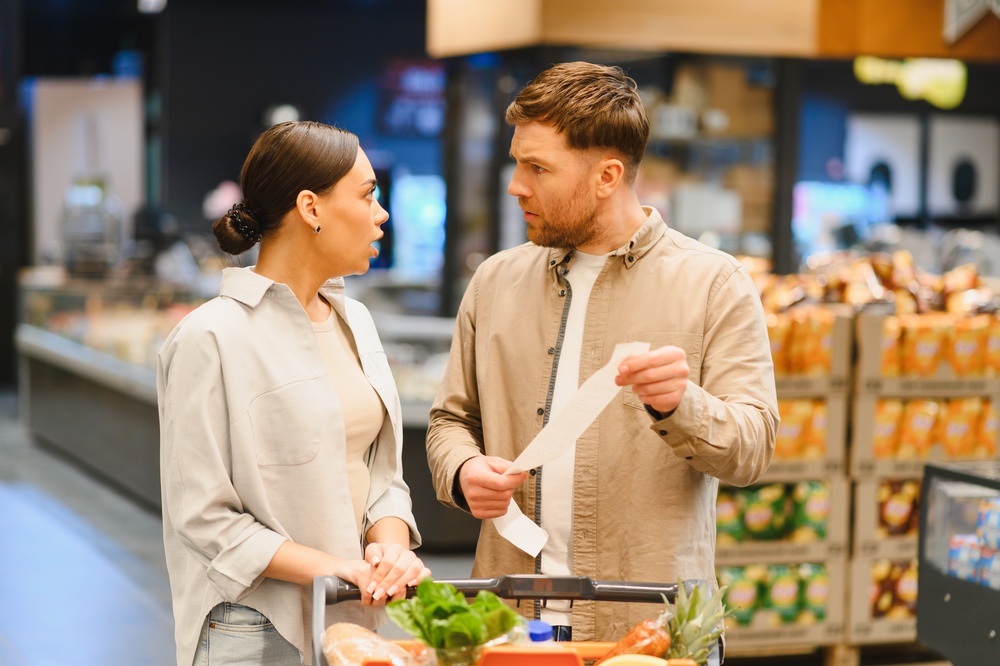
The Pandemic Changed the Grocery Market Faster Than Anyone Expected
Government data highlights just how dramatically the market shifted over a relatively short period. Between 2012 and 2019, food prices increased by only 6.4% in total, allowing shoppers to experience years of relatively stable grocery bills.
That trend changed almost overnight once COVID-19 disrupted the global economy. Between January 2021 and January 2023 alone, food prices surged by approximately 21%, with increases continuing afterward by nearly another 10%.
Several factors combined to create this unprecedented jump:
- Global supply chain disruptions delayed food production and distribution.
- Labor shortages increased operating costs across farms, factories, and retailers.
- Higher transportation and fuel costs made shipping significantly more expensive.
- The war in Ukraine disrupted grain exports from one of the world’s largest agricultural regions.
- Reduced livestock production pushed meat prices substantially higher.
Rather than experiencing a quick recovery after inflation cooled, consumers have found that these pressures permanently altered pricing across much of the grocery industry.
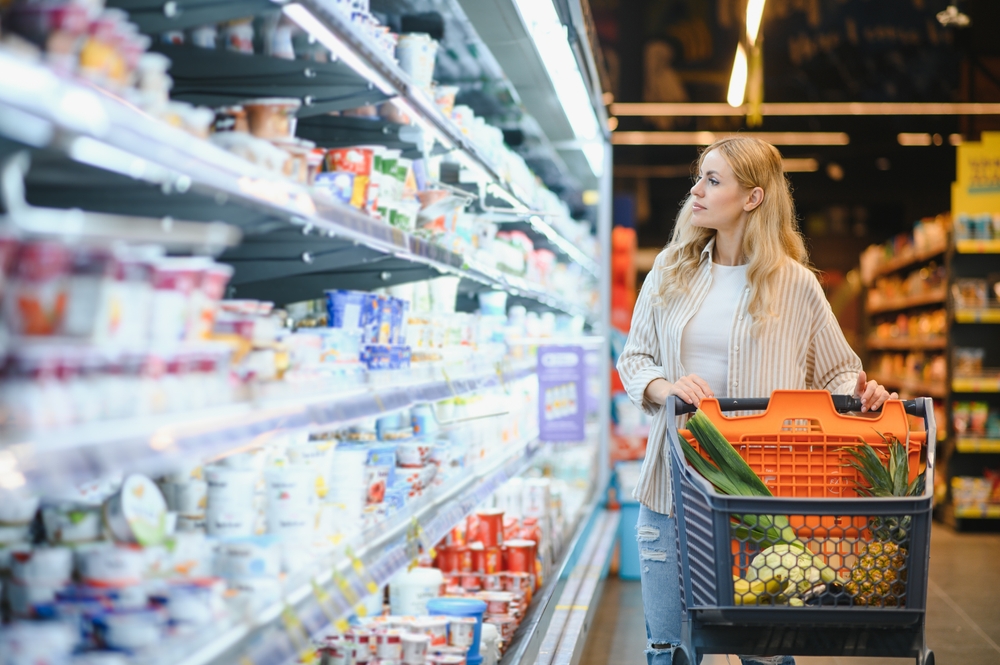
mericans Are Changing the Way They Shop to Keep Up
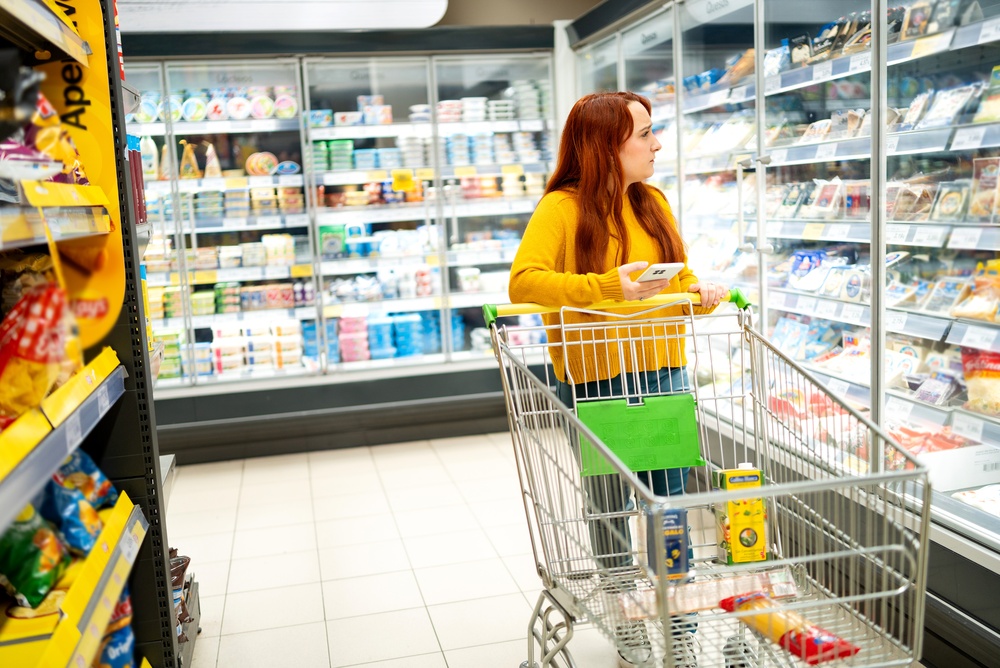
The continued rise in grocery prices has forced many households to rethink how they buy food. Instead of sticking to familiar brands or making impulse purchases, shoppers are becoming increasingly strategic. Consumers are spending more time comparing prices, searching for weekly promotions, and visiting multiple stores in hopes of stretching their grocery budgets further.
Scott D. Martin said these changes are happening across nearly every income level. Households are increasingly choosing private-label products over national brands, buying larger quantities when discounts are available, and reducing purchases of non-essential food items. Even families that previously paid little attention to grocery prices are now watching every dollar they spend.
“Households are increasingly purchasing private-label brands, comparing prices across multiple retailers, buying in bulk when discounts are available, and cutting back on discretionary food purchases,” Martin explained.
He added that grocery shopping has become one of the most visible signs of rising living costs because people encounter food prices every week. Unlike other expenses that may fluctuate less frequently, the grocery bill constantly reminds consumers how much everyday necessities now cost.
Experts Say Relief Is Unlikely to Arrive Anytime Soon
While many Americans continue hoping food prices will eventually return to pre-pandemic levels, economists say that outcome appears increasingly unlikely. Several long-term factors continue to put upward pressure on food costs, making another major drop difficult to achieve.
Martin noted that new tariffs, along with rising transportation and energy costs, are expected to keep grocery prices elevated. These expenses affect every stage of the food supply chain, from production and packaging to shipping and retail distribution. As businesses absorb higher operating costs, many continue passing those increases on to consumers.
Government forecasts paint a similar picture. According to the U.S. Department of Agriculture’s Economic Research Service, overall food prices are projected to increase by another 3.1% in 2026, followed by an additional 3.1% increase the following year. While these annual increases are far smaller than those seen during the height of inflation, they still represent continued upward movement rather than meaningful relief.
For families already adjusting to years of higher grocery bills, those projections suggest careful budgeting may remain necessary well into the future.
A Higher Grocery Bill Has Become America’s New Reality
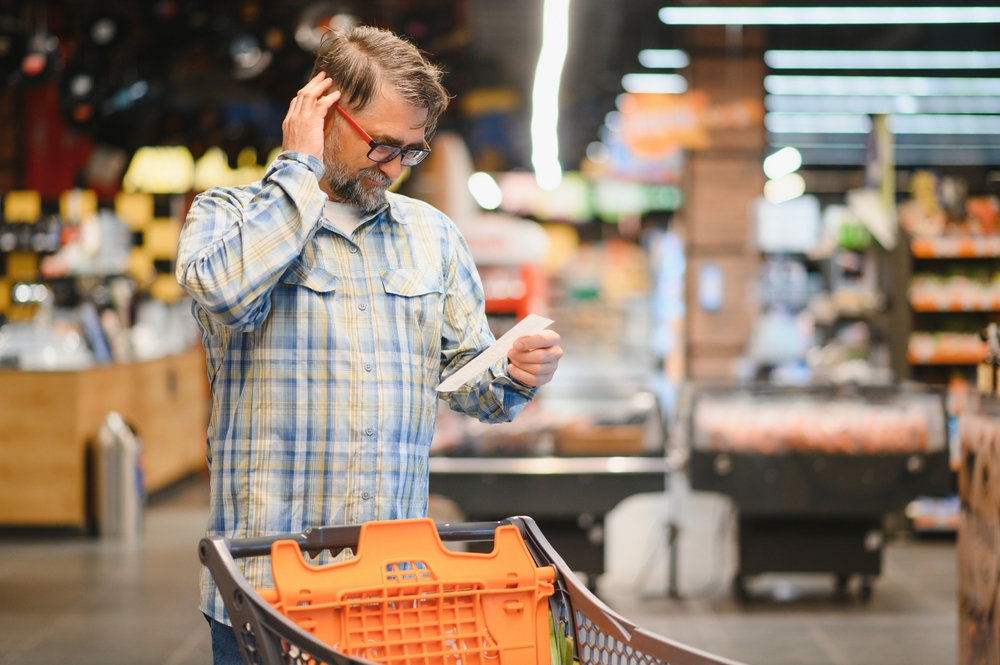
The dramatic increase in food prices is no longer viewed as a temporary consequence of the pandemic. Instead, economists increasingly describe today’s grocery costs as the new baseline from which future prices will continue to rise.
That shift carries consequences beyond household budgets. Higher grocery expenses leave families with less money for housing, healthcare, transportation, savings, and other everyday necessities. Even modest weekly increases add up over months and years, placing additional pressure on consumers already facing higher costs across much of the economy.
Although inflation has slowed considerably compared with its peak, grocery prices have not followed the same path downward. Instead, Americans are adapting to a marketplace where careful planning, bargain hunting, and smarter shopping have become everyday habits rather than occasional money-saving strategies.
For now, experts believe shoppers should prepare for food prices to remain elevated. While future increases may be smaller than those experienced during the pandemic, the era of significantly cheaper groceries appears to be over, making affordability one of the biggest financial challenges facing American households today.
American consumers, consumer spending, cost of groceries, Cost of Living, Economic News, food costs, food industry, food inflation, food prices, grocery bills, grocery inflation, grocery prices, grocery shopping, ground beef prices, household budget, Inflation, inflation crisis, inflation news, Personal Finance, rising prices, supermarket prices, Supply Chain, US Bureau of Labor Statistics, US economy