
Your cart is currently empty!
Trump Administration Unveils Sweeping Plan to Expand ICE Detention Network Across the U.S.
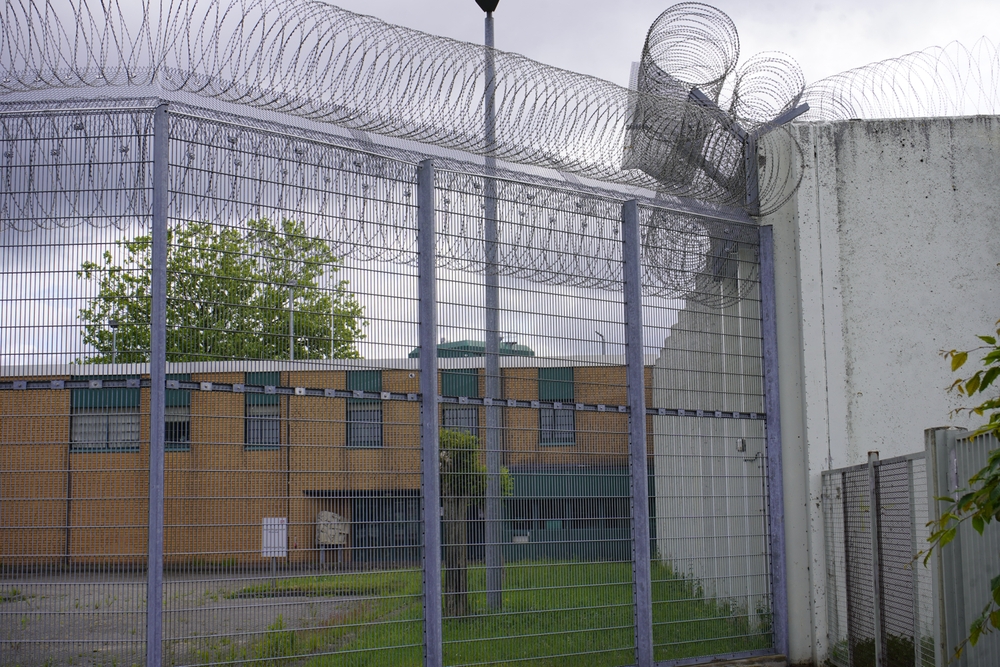
The Trump administration is preparing for another significant expansion of the nation’s immigration detention system, unveiling plans that could dramatically increase ICE’s capacity to hold migrants across the United States. Newly released government documents show the administration is seeking construction companies to develop new detention facilities and expand existing ones in multiple locations, marking one of the largest detention infrastructure initiatives since President Donald Trump returned to office.
Contents
show
The proposal comes as Immigration and Customs Enforcement (ICE) pushes to support a renewed enforcement strategy focused on increasing daily immigration arrests and deportations. While officials argue additional space is necessary to meet operational demands, the proposal has already reignited debate over detention conditions, government spending, and the legal challenges that have slowed previous expansion efforts. If approved, the construction program could reshape ICE’s detention network over the coming years while costing taxpayers billions of dollars.
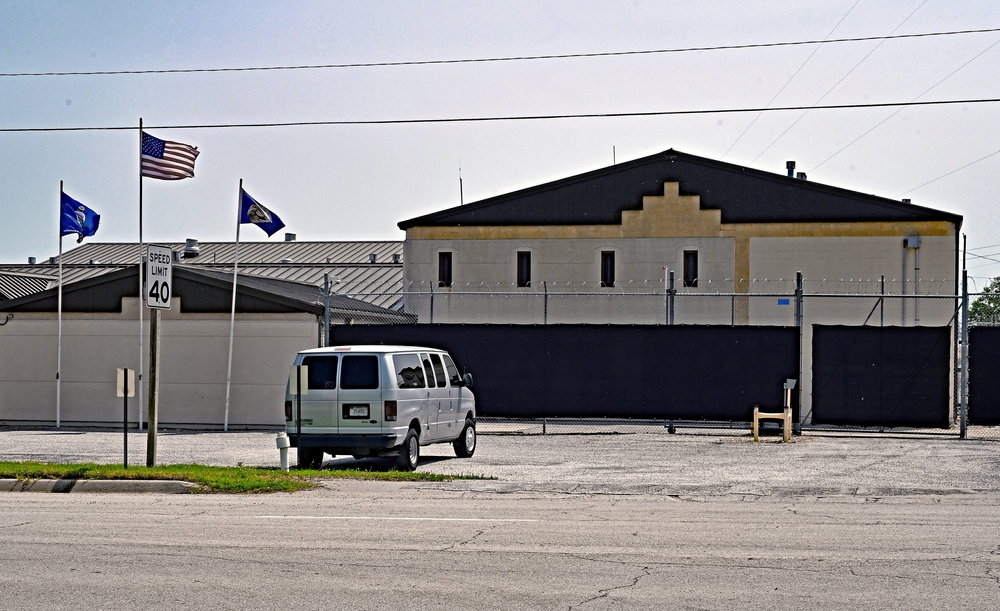
ICE Unveils Plans for Widespread Detention Expansion
According to procurement documents published by Immigration and Customs Enforcement, the agency is requesting proposals from construction companies to build or expand detention facilities at up to 14 locations throughout the country. The largest confirmed project involves expanding the detention center in Port Isabel, Texas, one of ICE’s busiest facilities near the U.S.-Mexico border.
The documents also identify numerous potential locations where new facilities could be constructed or existing detention centers enlarged. These include Miami, Honolulu, Florence in Arizona, Batavia in New York, Broadview in Illinois, Oakdale in Louisiana, El Paso and Huntsville in Texas, Aguadilla in Puerto Rico, and St. Thomas in the U.S. Virgin Islands. The Virgin Islands currently do not operate an ICE detention facility, making the proposal a significant expansion into a new U.S. territory.
One of the more notable proposals involves reopening a detention center in El Centro, California, which closed more than a decade ago in 2014. Another calls for a new immigration detention facility at Guantanamo Bay, Cuba, reviving plans first announced by President Trump earlier this year as part of his broader immigration agenda.
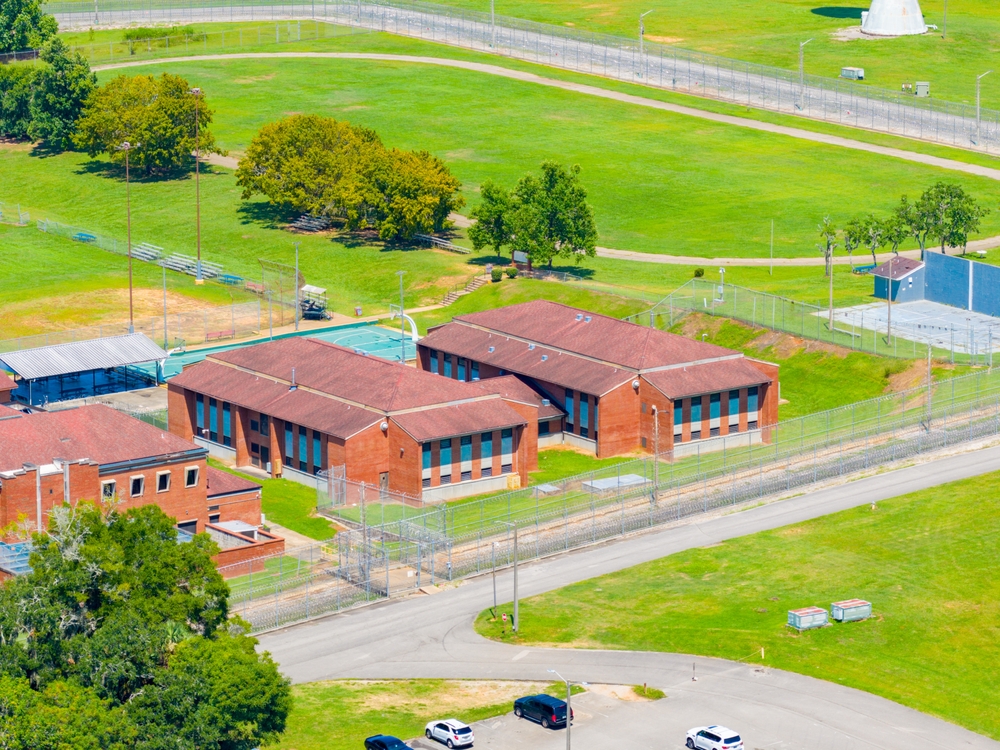
Guantanamo Bay Returns to the Spotlight
The proposal for Guantanamo Bay has drawn particular attention because it revisits one of the administration’s most ambitious immigration enforcement plans. In January 2025, President Trump announced that the military base would eventually house immigration detainees, describing it as a facility capable of accommodating thousands of individuals awaiting removal proceedings.
At the time, Trump claimed the base had “30,000 beds” available and said it would be used to detain what he described as “the worst criminal illegal aliens.” However, the project has faced considerable operational challenges since that announcement.
A report by CBS News in May found that the federal government was spending approximately $73 million annually to operate the Guantanamo immigration detention facility despite having only around 400 available beds. Fewer than 2% of those beds were reportedly occupied, raising questions about the facility’s efficiency and long-term viability.
Even so, the newly released procurement documents indicate the administration continues to view Guantanamo as part of its broader detention strategy, suggesting the concept remains under active consideration despite the slow rollout.

Construction Could Begin Later This Year
ICE’s procurement documents indicate that contractors selected for the work could receive awards before the end of September, although the agency emphasizes that construction will proceed only if it is determined to be “in the government’s best interest.”
Rather than designing unique facilities for each location, ICE has proposed a standardized construction model that would be replicated nationwide. The approach could speed up construction timelines while reducing overall design costs, allowing the agency to expand detention capacity more quickly if funding and approvals move forward.
The preliminary design outlines a single-story detention building containing 26 detention cells equipped with security cameras. Under the proposed layout, detainees housed within the building would share three communal shower facilities, reflecting a standardized operational model intended for deployment across multiple states and territories.

Legal Challenges Continue to Slow Previous Expansion Efforts
The latest detention proposal follows an earlier attempt by ICE to rapidly increase detention capacity after Congress appropriated more than $100 billion to strengthen immigration enforcement and deportation operations. While the funding provided the agency with significant resources, many of its previous construction efforts have encountered obstacles that prevented projects from moving forward as planned.
Earlier expansion plans included purchasing nearly a dozen commercial warehouses with the intention of converting them into detention facilities. However, several of those projects became the subject of lawsuits, with local communities and advocacy groups arguing that the facilities could have significant environmental and public health impacts. As litigation progressed, construction stalled in multiple states.
One of the most prominent setbacks occurred in April when a federal judge halted construction of a planned immigration detention center in Williamsport, Maryland. The court cited major concerns surrounding the site’s sewage infrastructure, adding another delay to ICE’s expansion strategy. Similar legal disputes remain active in Arizona, New Jersey, and Michigan, where several proposed detention projects continue to face judicial review.

As a result of these legal challenges, ICE has reportedly abandoned several warehouse conversion projects altogether, choosing to sell or transfer ownership of some properties rather than continue lengthy court battles. The agency’s latest proposal appears designed around purpose-built detention facilities instead of warehouse conversions, potentially avoiding some of the problems that affected earlier plans.
Overcrowding Has Increased Pressure on ICE Facilities
The renewed construction effort comes as ICE faces growing pressure to create additional detention space amid a sharp rise in the number of people being held nationwide. According to data from the watchdog organization Transactional Records Access Clearinghouse (TRAC), ICE is currently detaining more than 60,000 individuals across its network of facilities.
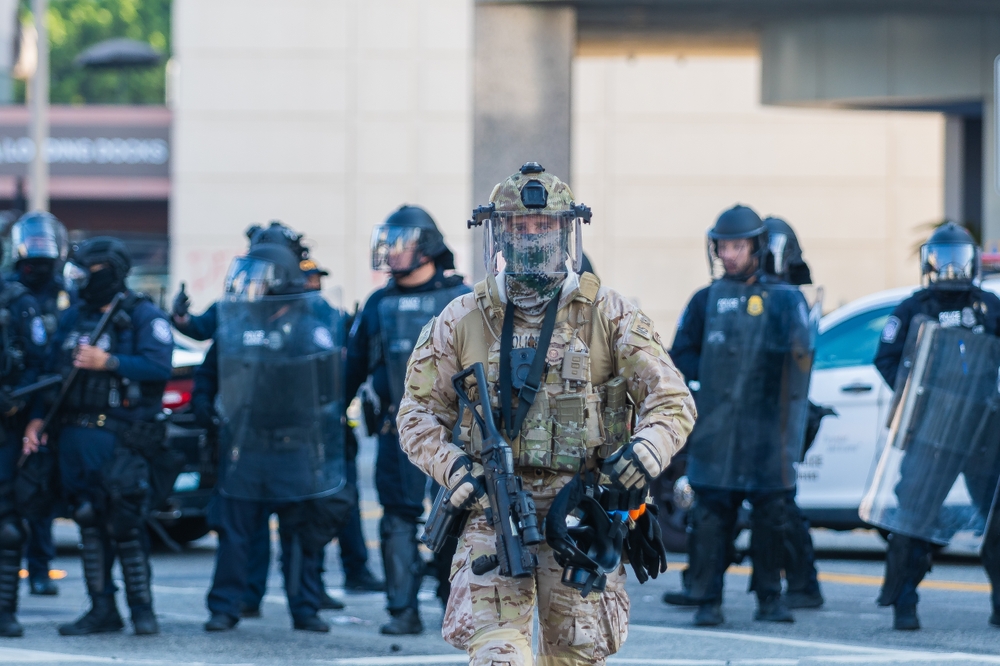
That growing population has intensified concerns about overcrowding. Over the past year, reports from several detention centers have documented problems ranging from expired food and air conditioning failures to medical negligence and outbreaks of infectious diseases, including measles. Critics argue these incidents demonstrate the strain placed on facilities operating near or above capacity.
Supporters of the expansion maintain that increasing available detention space could help reduce overcrowding by distributing detainees across more locations. Opponents, however, argue that simply building additional facilities does not address broader concerns surrounding detention standards, oversight, and long-term immigration policy.
With enforcement activity expected to remain a central focus of the administration, detention capacity has become an increasingly important operational issue for ICE. The agency’s latest proposal reflects an effort to expand infrastructure while attempting to avoid some of the legal pitfalls that complicated previous construction efforts.
Standardized Facilities Could Cost Billions
Documents released with the request for proposals provide a detailed look at the type of facilities ICE hopes to construct. Rather than creating different designs for individual locations, each expansion would follow the same basic blueprint, allowing projects to move through construction more efficiently if approved.
Each proposed building would consist of 26 detention cells monitored by security cameras throughout the facility. The preliminary floor plan also includes three shared shower areas that would serve everyone housed within the building. While relatively modest in size compared with some existing detention centers, the design is intended to be replicated across numerous locations nationwide.
The projected cost for each expansion ranges from approximately $24 million to $40 million depending on the location and construction requirements. Overall, ICE has established a spending ceiling of $10 billion for the broader expansion initiative, making it one of the agency’s most significant infrastructure investments in recent years.
Although procurement documents outline an ambitious construction schedule, government officials note that the projects will only proceed if they are determined to be in the government’s best interest. The final number of facilities approved remains uncertain, leaving questions about how extensively the administration’s detention network will ultimately grow.
Proposed ICE Expansion at a Glance
The current proposal includes several key elements:
- Potential locations: Up to 14 sites across the United States and U.S. territories.
- New facilities: Plans include St. Thomas in the U.S. Virgin Islands and Guantanamo Bay.
- Reopened location: El Centro, California, which closed in 2014.
- Facility design: Standardized one-story buildings with 26 detention cells.
- Estimated project cost: Between $24 million and $40 million per facility.
- Maximum program budget: Up to $10 billion for nationwide expansion.
- Expected contract awards: By the end of September, subject to government approval.
Immigration Enforcement Remains a Central Administration Priority
The proposed detention expansion reflects the administration’s continued focus on strengthening immigration enforcement as it seeks additional capacity to support increased arrests and deportations nationwide. While officials view expanded infrastructure as necessary to meet operational goals, the initiative is expected to remain under close public and legal scrutiny as projects move through the approval process.
Whether all of the proposed facilities are ultimately built will likely depend on funding decisions, contractor selection, ongoing court challenges, and future policy developments. Even so, the latest proposal signals that expanding ICE’s detention network remains one of the administration’s most significant immigration priorities.
border security, deportation policy, detention centers, detention expansion, Donald Trump, federal government, Guantanamo Bay, ICE detention facilities, ICE expansion, ICE facilities, ICE news, immigration detention, Immigration Enforcement, immigration news, immigration policy, Port Isabel Texas, Trump administration, U.S. immigration, U.S. politics