
Your cart is currently empty!
Woman Says Routine Hospital Procedure Left Her With Permanent Nerve Damage
A routine hospital stay is supposed to end with relief, recovery, and a return to everyday life. For Amy Pohl, it marked the beginning of a life she never imagined, one defined by relentless pain, years of rehabilitation, and a condition so severe that it has earned one of the most unsettling nicknames in medicine.
Contents
show
Today, the 33-year-old from northeast England has millions of followers on social media, where she shares both the realities and the humor of living with a disability. But behind those uplifting videos is a story that began with a medical complication and unfolded into a battle that continues every single day.
A Routine Hospital Visit Took an Unexpected Turn
In the autumn of 2017, Pohl was a primary school teacher looking forward to continuing the career she had always wanted. She had been feeling unwell with what was initially diagnosed as a respiratory infection. After suffering a severe allergic reaction to medication used during an examination of her throat, she was admitted to intensive care for treatment.
According to Pohl, the event that altered her life happened while doctors were attempting to insert a cannula so medication could be administered.
She says the doctor struggled to find a suitable vein and used the same cannula repeatedly across different insertion attempts before finally placing it into a vein in her left hand. Pohl later alleged that this decision led to a serious infection that spread rapidly through her hand.
“I wish I had spoken up, but he was a doctor, and I never expected what was to come from his poor decision not to follow the appropriate procedures,” she told PEOPLE. “Once these needles fully exit the skin, they should never go back in; the chances of an infection as serious as mine happening are low, but that risk still exists.”
At first, there appeared to be little cause for alarm. Nurses noticed inflammation around the cannula site, and she was prescribed antibiotics before being sent home. Within hours, however, her condition deteriorated.
The redness continued spreading beyond the area doctors had marked to monitor the infection. Her fever worsened, and she returned to hospital, where surgeons performed emergency procedures to drain a growing abscess from her hand. Despite multiple operations and increasingly powerful intravenous antibiotics, the infection proved difficult to control.
The Infection Ended, But the Pain Never Did
Eventually, doctors managed to eliminate the infection itself. What remained was something far more difficult to explain.
Instead of healing, Pohl’s hand became increasingly swollen, sensitive, and unpredictable. It changed color without warning. Open sores appeared unexpectedly. The slightest movement or touch caused pain that far exceeded what doctors would normally expect after an infection.
Even a gentle breeze entering through an open window became unbearable.
She recalled that the symptoms made little sense at first, leaving both her and her medical team searching for answers.
“It didn’t get easier. It got worse,” she said. “My hand would swell, change color, sores would come from nowhere, and the slightest touch, even the light breeze from an open window, would cause unimaginable pain.”
The persistent symptoms eventually prompted specialists to investigate further. Their conclusion was one that would permanently alter the course of her life.
Pohl had developed Complex Regional Pain Syndrome, commonly known as CRPS.
Understanding Complex Regional Pain Syndrome
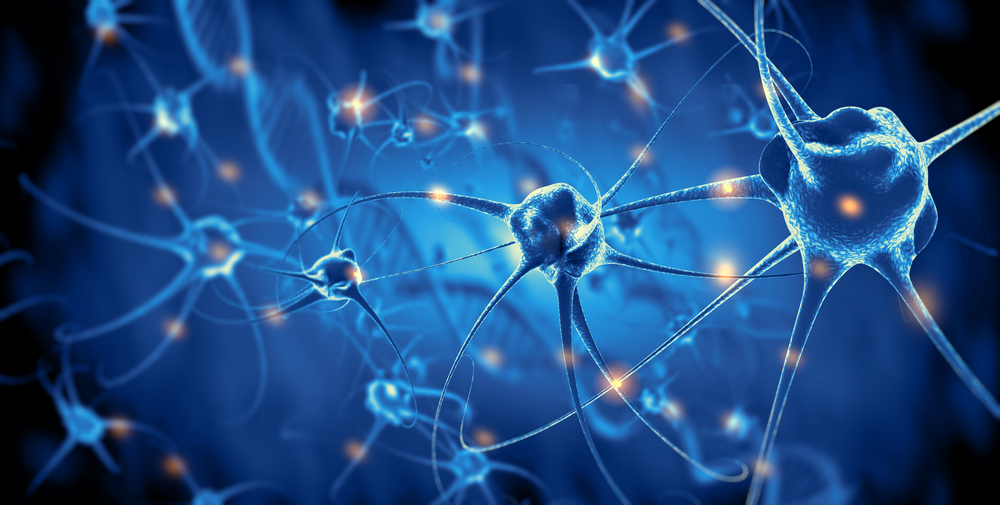
Complex Regional Pain Syndrome is a chronic neurological pain condition that typically develops after an injury, surgery, or trauma. While researchers continue studying its exact causes, it is generally believed to result from an abnormal response by the nervous system following damage or injury.
One of the defining characteristics of CRPS is that the pain experienced is far greater than would normally be expected from the original injury.
Patients may develop burning pain, swelling, changes in skin temperature and color, extreme sensitivity to touch, muscle weakness, stiffness, and loss of movement. Symptoms often fluctuate, making the condition difficult to predict or manage.
In Pohl’s case, the damage became permanent.
Her wrist remains bent because of contracture caused by years of CRPS, although surgery and physiotherapy have helped restore some movement. She continues daily stretching exercises in an effort to preserve as much function as possible.
Despite improvements, she says pain has never disappeared.
“Imagine the worst pain imaginable and then just times it by 10,” she told PEOPLE. “I’m a lot better now, but the pain is still there every minute of every day. It’s just that I’ve learned how to live with it and how to adapt.”
Why Some People Call CRPS the “Suicide Disease”
Among people living with chronic pain, CRPS has gained a disturbing reputation because of the intensity of the suffering it can produce.
Pohl said discovering that the condition was sometimes referred to as the “suicide disease” left her devastated shortly after receiving her diagnosis. Reading those words convinced her that the future she had imagined for herself had disappeared.
She later described pain unlike anything she had experienced before.
In interviews, she compared the sensation to having “millions of angry ants” crawling through her arm, while at other times she likened it to bones being forced through a meat grinder. During the worst periods, she required large amounts of morphine simply to endure each day.
The agony eventually reached a point where she pleaded with doctors to remove her arm altogether.
“I can’t live like this, just take it off,” she recalled telling medical staff during one of the darkest periods of her illness.
Doctors refused.
They warned her that amputating a limb affected by CRPS can sometimes make the condition worse by causing pain to spread elsewhere in the body or by triggering severe phantom limb pain. The operation she desperately wanted offered no guarantee of relief and could have left her facing even greater suffering.
When Pain Became More Than Physical
The physical challenges were only one part of Pohl’s ordeal.
As months passed, repeated hospital admissions became her new reality. The teaching career she had worked so hard to build came to an abrupt halt as she spent increasing amounts of time moving between hospital wards, rehabilitation units, surgeries, and specialist appointments.
The uncertainty proved almost as exhausting as the pain itself.
Doctors could explain some of what was happening, but many aspects of her condition remained unpredictable. Treatments that offered hope often failed to provide lasting relief. Every setback made it harder to imagine returning to the life she had once planned.
During one particularly difficult period, Pohl said she blamed herself for not questioning the procedure that preceded her infection. Over time, however, she began working with mental health professionals who encouraged her to stop directing that anger inward and instead focus on coping with the future that lay ahead.
Her challenges became even more complicated less than a year later when she developed paralysis affecting the lower part of her body because of thoracic spinal degeneration and damage linked to prolonged vitamin B12 deficiency, a condition she says was unrelated to the cannula incident. The diagnosis meant she would also become a wheelchair user, adding another life-changing adjustment to an already overwhelming journey.
By the time the COVID-19 pandemic arrived, hospitals had become as familiar to her as home.
Yet it would also be during this difficult chapter that an unexpected accident with a social media app would begin changing her life in ways she never anticipated.
An Accidental TikTok Post Opened a Door She Never Expected

By 2020, Pohl’s world had become much smaller than she had ever imagined.
Much of her time was spent in rehabilitation, managing appointments, and adapting to life with chronic pain and limited mobility. The future she had pictured as a classroom teacher had disappeared, replaced by a daily routine focused on recovery and learning how to live with a body that no longer behaved the way she expected.
During the COVID-19 lockdown, she was staying in a neuro-rehabilitation unit, separated from many of the people she cared about. Looking for a way to stay connected, she downloaded TikTok and recorded a lighthearted lip-sync video intended only for family members.
She believed the account was private.
Instead, the video was posted publicly.
What seemed like a small mistake quickly became the beginning of an entirely new chapter. As strangers discovered her videos, many asked about her visibly injured hand and her wheelchair. Rather than ignore the questions, she decided to answer them honestly.
“I felt so isolated and so bored,” she told PEOPLE. “I made those videos to send to my family, and then it just so happened it wasn’t private, but it was the best accident.”
The conversations that followed gave her something she had been missing for years.
Connection.
Finding Purpose Through Sharing Everyday Life

As her audience grew, Pohl realized people were interested in much more than her diagnosis.
They wanted to know how she completed ordinary tasks, adapted her home, managed painful therapy sessions, and maintained her sense of humor despite constant challenges. Rather than focusing exclusively on medical updates, she began documenting everyday life with honesty and wit.
Her content includes practical demonstrations of stretching exercises for her hand, glimpses into physiotherapy, accessibility challenges, and humorous moments that show disability is only one part of who she is.
“I like to have fun as well. I love a bit of comedy. I’m just a normal person,” she said. “If there’s something that I feel needs to be spoken about, I will speak about it.”
That balance has helped her build an audience of more than 3.7 million followers on TikTok, many of whom say her videos have changed how they think about disability and chronic illness.
For people living with similar conditions, her page has become a reminder that severe illness does not erase personality, ambition, or the ability to find joy.
Recovery Took On a New Meaning
Although the infection permanently damaged her hand, Pohl says her understanding of recovery has changed dramatically over the years.
Early on, recovery meant returning to the person she had been before entering hospital.
Eventually, she accepted that some injuries cannot simply be reversed.
Instead, progress became measured through smaller victories.
Physiotherapy gradually restored movement she once believed was gone forever. Surgery in 2022 improved some function in her wrist, and daily stretching continues to help preserve mobility despite the lasting contracture caused by CRPS.
“Recovery isn’t always about being ‘fixed,’ sometimes it’s about adapting, celebrating the progress you make and refusing to let your disability define your future,” she told PEOPLE.
That perspective also shaped how she approached life outside medical settings.
She began trying activities she once assumed would never be possible again, including skiing, water skiing, horse riding, and quad biking, often with adaptive equipment and support. Each experience challenged assumptions about what someone living with chronic pain could still achieve.

Raising Awareness About an Often Misunderstood Condition
CRPS remains one of the least understood chronic pain disorders, and many patients report delays before receiving a diagnosis.
Symptoms vary widely from person to person, making treatment especially challenging. Specialists often recommend a combination of physiotherapy, occupational therapy, pain management, and psychological support, but there is currently no universal cure.
By documenting both difficult days and encouraging moments, Pohl has helped bring wider attention to a condition that many people had never heard of before discovering her videos.
She has also spoken openly about the importance of setting boundaries online.
While she initially shared nearly every aspect of her life, she later realized protecting parts of her private life was essential for her own wellbeing.
That balance has allowed her advocacy to remain sustainable while still giving followers an honest picture of life with disability.
Looking Ahead With a Different Definition of Success
Pohl often says she wishes someone had shown her, during the darkest days of her illness, that life after a devastating diagnosis could still hold meaning.
She no longer measures success by returning to the exact future she once planned.
Instead, she measures it by independence, personal growth, and the ability to encourage others facing their own struggles.
Reflecting on the years since the infection that changed everything, she told PEOPLE, “I’ve been through some really difficult times, and if there’s anybody that’s gonna be reading this that is also going through a difficult time, just to know that that isn’t necessarily permanent and things can get better. You gotta give it time.”
Her story is ultimately about more than a rare pain condition or a medical complication.
It is about adapting when life takes an unexpected direction, finding purpose after profound loss, and demonstrating that resilience does not always mean returning to who you were before. Sometimes it means discovering a version of yourself that you never expected to become.