
Your cart is currently empty!
South Korea’s Record Heat Is Destroying Potatoes Before Farmers Can Harvest Them
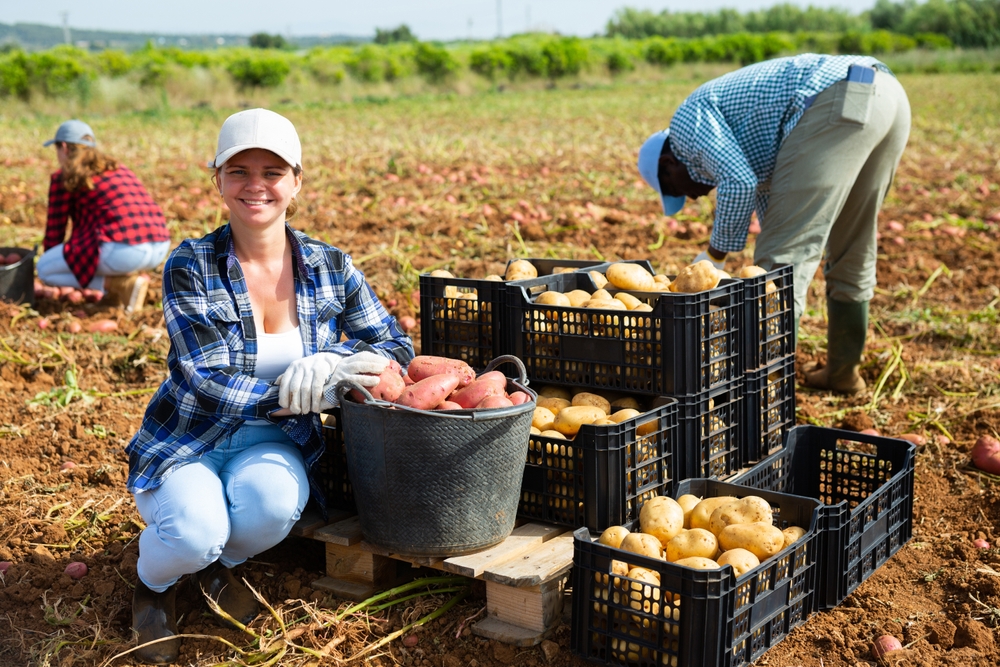
South Korean farmers are pulling potatoes from the ground only to discover that weeks of record-breaking heat have left the crops soft, collapsing and seemingly cooked before they ever reached the kitchen. Fields that looked perfectly healthy just days earlier are now producing potatoes farmers say resemble boiled ones, leaving growers staring at harvests they may have no way to sell.
Contents
show
The damage is spreading far beyond potatoes. Cabbages have been destroyed in the fields, apples are developing heat damage and peaches are splitting as South Korea battles temperatures that have pushed the country into territory farmers say they have never experienced before. One farmer who has worked the land for 40 years said he had never seen anything like it.
Farmers Thought The Potato Fields Were Fine
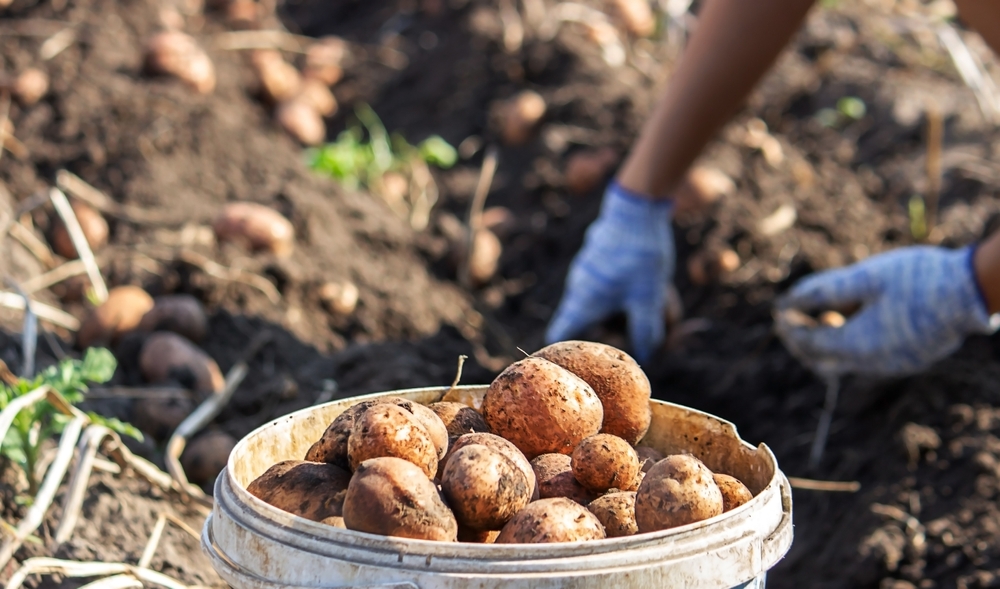
In Yanggu county, in the mountainous Gangwon province of northeastern South Korea, farmer Lee Sang-hyuk recently faced a devastating surprise when he began digging up his potato crop.
The fields had appeared healthy just a week earlier. There was little reason to expect that the harvest beneath the soil had already been badly damaged by the heat.
Instead, Lee found potatoes that were soft and collapsing. The condition was so unusual that he compared the crops to potatoes that had already been boiled.
“It’s not just one or two fields like this. How can I even put it into words? It’s so upsetting,” Lee told South Korean broadcaster SBS.
Lee has spent 40 years farming, giving him decades of experience with the crops and weather patterns around his land. Yet the conditions confronting him this summer have been unlike anything he remembers seeing during his career.
The Damage Is Spreading Across South Korean Farms
The potato losses are only one part of a much larger agricultural crisis unfolding across Gangwon province.
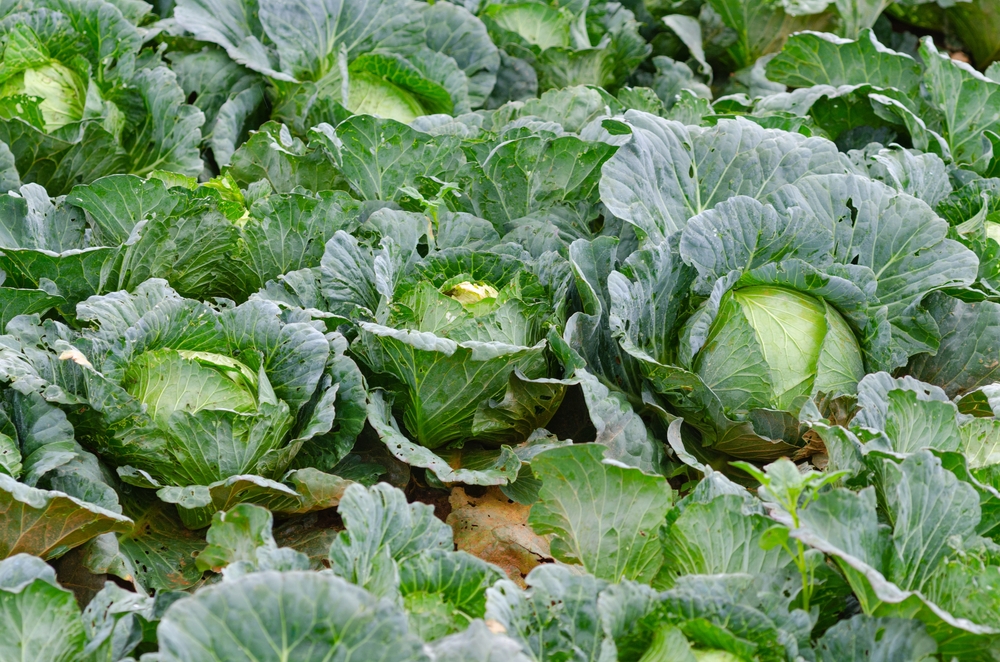
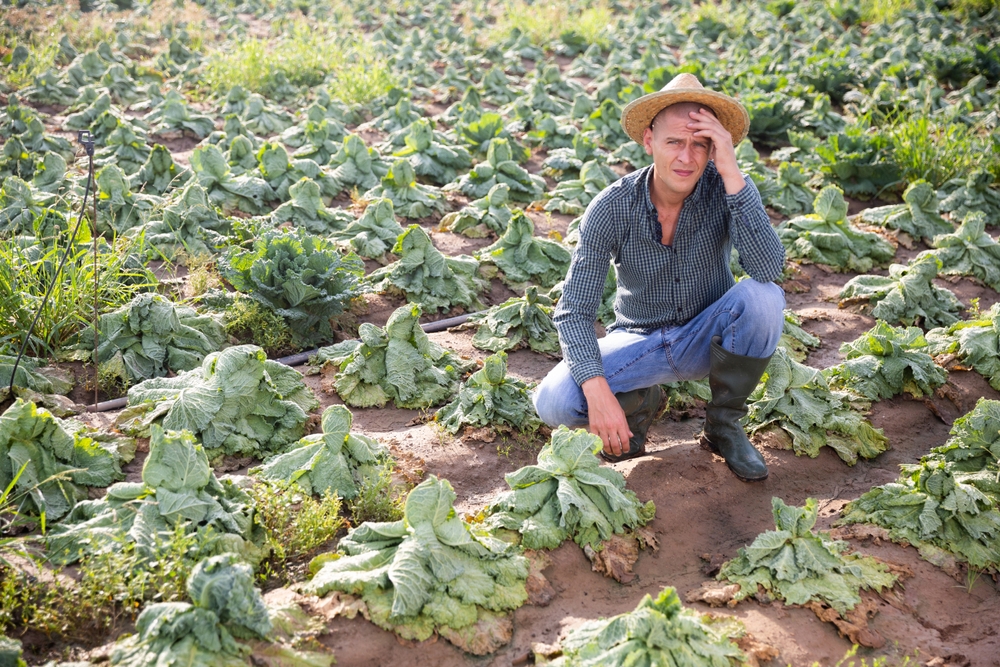
Thousands of pyeong of cabbage have reportedly been ploughed back into the soil after the plants were damaged by the heat. A pyeong is roughly 3.3 square metres, meaning the destroyed growing area represents a substantial loss for farmers.
The cabbage had been left in the fields while growers waited for market conditions to improve. Instead, the delay coincided with extreme heat that damaged the crop before it could be harvested and sold.
The financial consequences could be severe. The lost cabbage was expected to be worth tens of millions of won, leaving farmers to absorb losses at a time when consumers are already facing high food prices.
Apples And Peaches Are Taking A Beating Too
The extreme conditions are also damaging fruit crops across the region, creating problems that farmers cannot solve simply by changing their harvest schedule.
Apple farmer Cheon Jeong-tae told SBS that trees should have been developing colour ahead of the Chuseok harvest festival at the end of September. Instead, the fruit has struggled to develop normally under the relentless heat.
Some apples are suffering from sunscald, where portions of the fruit exposed to intense sunlight become burned and discoloured. Cheon said only the sun-facing side of some apples was turning red, while continued heat could cause that colour to bleach.
Peach growers are dealing with another problem. The fruit is splitting, while some farmers say they are watching peaches deteriorate while still on the trees. Park Won-seon told SBS that farmers are being urged to stay indoors during the hottest hours, but their crops continue to rot outside.
South Korea Just Broke A Temperature Record
The conditions behind the crop losses are extraordinary even by the standards of an already hot summer.
On August 2, the southeastern city of Yangsan reached 42.5C. According to the reports, that was the highest temperature recorded in South Korea since modern observations began in 1904.
The heat has also taken a human toll. South Korea’s disease control agency has attributed at least 31 deaths to the extreme temperatures, while more than 900,000 livestock and 1.4 million farmed fish have reportedly died.
Authorities have issued severe heat warnings and urged people to stop outdoor activities during dangerous periods. That creates a painful dilemma for agricultural workers, because crops cannot simply be left unattended when heat damage is accelerating.
Farmers Are Caught Between Safety And Survival
For people working outside, extreme heat creates an immediate physical danger. Agricultural workers can suffer heat stress while performing strenuous tasks under direct sunlight, particularly during the hottest part of the day.
But farmers cannot always follow advice to remain indoors. Their livelihoods depend on crops that may have only a short window before they become unsellable.
Park Won-seon captured that conflict when speaking about the damaged peach harvest. “They tell us not to go out and work during the day, but these peaches keep rotting,” the farmer told SBS.
That leaves growers facing two risks at once. Working in dangerous conditions can put their health at risk, while staying away from their fields can mean watching an entire harvest deteriorate.
The problem becomes even more difficult when damage occurs underground. Potatoes can appear protected from the sun because they grow beneath the soil, yet the conditions surrounding them still affect whether the tubers develop and survive properly.
Researchers Had Already Flagged Heat As A Potato Problem
The South Korean potato losses also connect to concerns researchers have raised about how the country’s potato industry will cope with hotter growing conditions.
A study published in Potato Research in 2024 examined the future of potato production in South Korea under different climate scenarios. Scientists from the Leibniz Centre for Agricultural Landscape Research and Brandenburg University of Technology found that summer potato crops would require varieties bred for greater heat tolerance.

The research also indicated that spring potatoes could benefit from being planted earlier. That points to one possible adaptation strategy as farmers contend with changing conditions, although the current losses show how difficult adaptation can become when temperatures reach unprecedented levels.
For farmers, the issue is not an abstract climate projection. It is happening in fields they have worked for decades, sometimes within the space of a single week.
The difference between a healthy crop and a ruined harvest can now be measured in days.
The Heatwave Is Affecting The Wider Region
South Korea is also part of a much larger pattern of extreme heat across East Asia this summer.
Japan has recorded temperatures of 40C or higher at multiple locations and introduced a new category known as a “cruelly hot day” for temperatures above 40C. The country has also experienced serious heat-related impacts, including the deaths of three lions at a Tokyo zoo from suspected heatstroke.
Hong Kong has experienced its own record. The city’s observatory recorded 36.9C, the highest official temperature there since records began in 1884.
China has also experienced severe heat, including a 50C reading at a weather station in the western Xinjiang region in July. North Korea has reported tropical nights in Pyongyang, with temperatures remaining above 25C overnight.
Scientists say several atmospheric factors may have contributed to the regional heat, including a strengthening ridge of high pressure and this year’s El Niño conditions. Climate scientist June-Yi Lee of Pusan National University said the extreme weather may reflect the interaction between those patterns and a warming climate.
Food Prices Could Feel The Damage Next
The full scale of South Korea’s crop losses has not yet been established. Officials have focused on deaths and livestock losses, while farmers and agricultural authorities continue assessing the damage to crops.
That uncertainty matters because the losses are arriving before Chuseok, a major South Korean harvest festival when families traditionally purchase food for holiday meals.
A weaker harvest can put additional pressure on food supplies at a time when prices are already high. Potatoes, cabbage and fruit may all be affected if farmers across the region experience similar damage.
The immediate victims are the farmers who have lost months of work. But the effects can eventually reach markets and households if enough producers lose enough crops.
Lee Sang-hyuk’s potato field shows just how quickly that chain can begin. A field can look healthy above ground while the harvest beneath it is already failing.
A Harvest Can Disappear Before Farmers Reach It
South Korea’s record heat has turned an ordinary farming problem into something much harder to predict. Farmers are not simply dealing with crops growing slowly or harvests arriving early. They are finding produce damaged in ways they have never encountered during decades of work.
President Lee Jae Myung has described the weather as unlike anything the country has experienced before and called for a fundamental overhaul of the national crisis system as extreme conditions become more frequent.
For farmers, though, the crisis is already personal. A potato pulled from the ground is supposed to represent months of work coming to fruition. This summer, some are pulling them up only to find that the heat got there first.