
Your cart is currently empty!
Over 400 Sickened as CDC Ties Salmonella Outbreak to Jalapeño Peppers

For Kristen Behne, it started with a routine lunch: a chicken burrito bowl ordered on a late June afternoon in Roseville, Minnesota. For three days, everything seemed fine. Then, on June 27, Behne suddenly passed out. Her collapse marked the beginning of a severe illness that would send her to the hospital—and quietly connect her to a nationwide medical mystery.
Contents
show
Behne’s case was not an isolated incident. Across the country, hundreds of people were inexplicably falling ill with the same aggressive strain of Salmonella. When federal investigators began interviewing patients, a striking pattern emerged: more than 90% of them had eaten at a Mexican-style restaurant before their symptoms began. What started as a cluster of severe food poisoning cases quickly escalated into a sprawling federal investigation spanning 32 states, forcing health officials to race against the clock to track an invisible pathogen backward through a complex supply chain before it could strike again.
The Minnesota Woman Who Became Seriously Ill
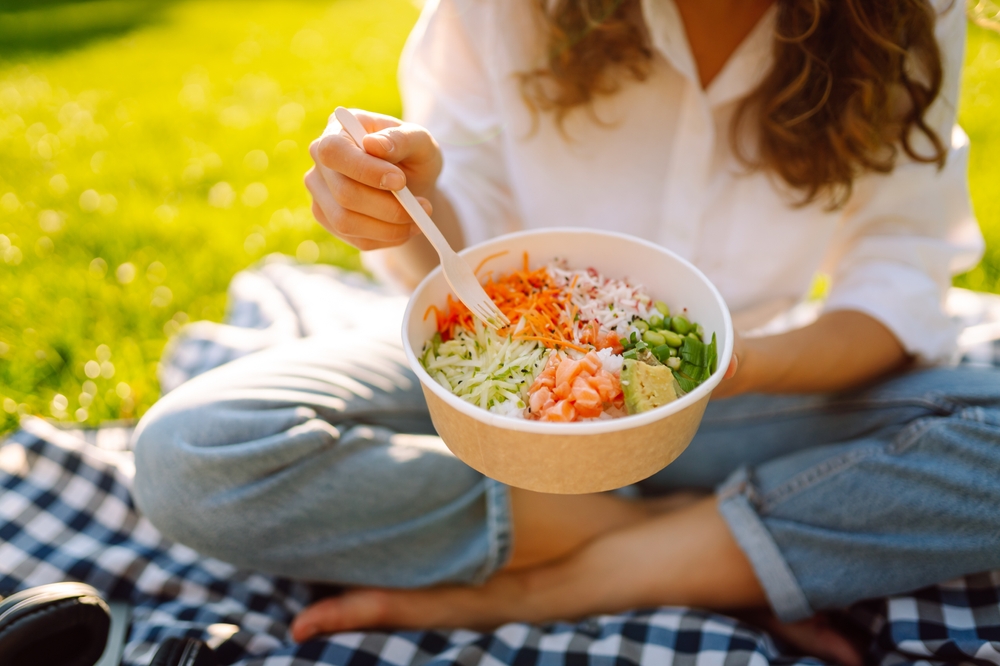
Behne’s symptoms escalated quickly after she passed out. She reportedly developed fever, chills, muscle aches, joint pain, abdominal cramping, and vomiting. By the following morning, her temperature had reached 102.3 degrees and her heart was beating at 145 beats per minute. She was admitted to a hospital in Maplewood on June 28 with sepsis and dehydration. She was discharged two days later, but the effects of the illness did not disappear when she left the hospital. Her experience became one of the most serious individual cases publicly connected to the wider outbreak.
Six weeks after eating the burrito bowl, Behne had reportedly still not made a full recovery. In the lawsuit she filed on August 5, her complaint argued that there was no reasonable way for her to identify the danger in her food before eating it. “Ms. Behne did nothing wrong,” the complaint states. It adds that she could not have inspected the food for Salmonella because “the pathogen is invisible, odorless, and tasteless.” According to the complaint, genetic testing linked her infection to the wider outbreak, while Minnesota health officials classified her illness as outbreak-associated on July 1.
Her case also showed how long it can take for an outbreak to become publicly visible. Behne ate her meal on June 24 and became severely ill only days later, but the wider outbreak was not publicly announced until more than a month afterward. By that point, investigators had already begun finding connections between illnesses reported in different places. What initially looked like isolated cases of food poisoning started forming a pattern. The people affected had eaten at different restaurants and lived in different states, but their illnesses shared the same outbreak strain and a growing number of clues pointed toward a common source.
Investigators Found A Pattern Across Eight States
Minnesota became one of the states most heavily affected by the outbreak, alongside Colorado. Together, the two states accounted for more than half of the national total described in the investigation. That concentration immediately raised questions about where the contaminated food had traveled and how many restaurants had received it. Investigators eventually identified 28 illness clusters connected to Chipotle and QDOBA locations across eight states. The meals associated with those clusters were eaten between June 14 and July 16, covering a period of more than a month.
An illness cluster does not necessarily mean that one restaurant location caused the outbreak. In foodborne illness investigations, a cluster can involve unrelated people who ate at the same place around the same time and later became sick. When that pattern appears repeatedly at many different locations, investigators begin looking beyond individual kitchens. The presence of 28 clusters spread across eight states pointed toward a shared ingredient moving through multiple restaurants. That distinction was crucial because it shifted attention away from a single location and toward the much larger supply chain behind the meals.
The numbers from patient interviews strengthened that theory. Out of 224 people questioned by investigators, 203 said they had eaten at a Mexican-style restaurant before their symptoms began. That 91% figure did not automatically prove that every restaurant meal was responsible, but it provided a strong direction for the investigation. The common type of cuisine mattered because it narrowed the list of ingredients that could have been repeatedly served across different locations. Investigators eventually focused on jalapeños, which appeared in meals connected to both major restaurant chains and in other food products.
The outbreak showed how difficult it can be to recognize a nationwide problem while it is still unfolding. Someone who becomes sick after one restaurant meal may never know that people hundreds or thousands of miles away experienced the same symptoms after eating something similar. The connection only becomes visible when health officials compare laboratory results, patient interviews, food histories, and supply records. By the time those pieces began fitting together, the jalapeños had already moved through restaurants and into a far wider range of prepared foods.
The Trail Led Back To Sinaloa
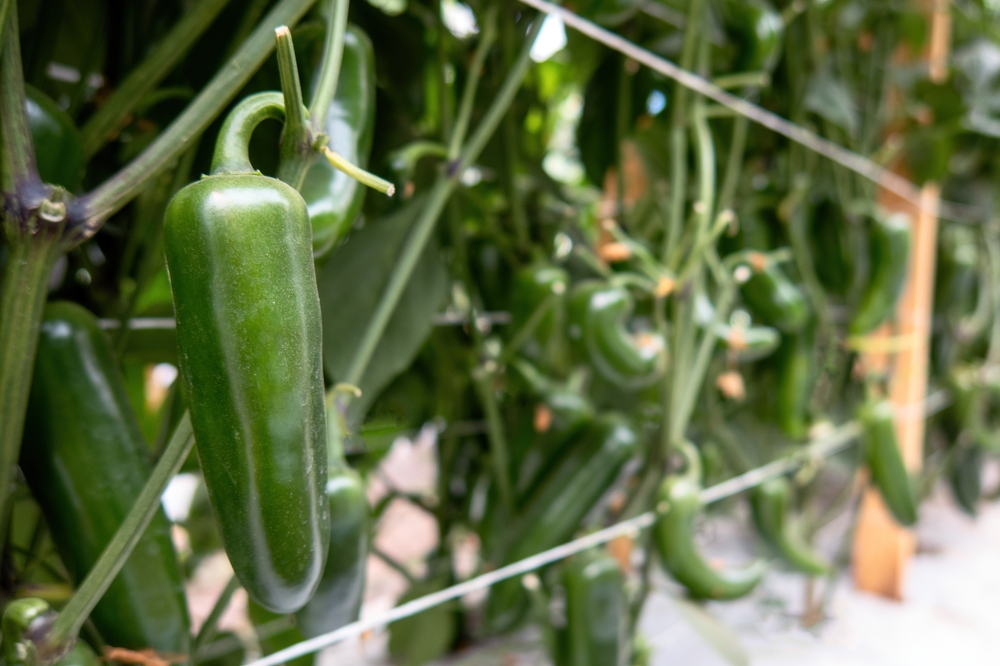
Investigators traced the jalapeños back to a single common grower in Sinaloa, Mexico, according to the information provided. The peppers were supplied through Coast Citrus Distributors in San Diego before reaching businesses that used them in restaurant meals and prepared foods. Coast Citrus recalled the affected jalapeños and stopped importing from the grower connected to the investigation. The company itself is a wholesaler rather than a household brand, which helps explain why many of the people who became sick would never have heard its name.
The supply chain became a major part of the story because the contaminated ingredient did not remain in one location. Jalapeños can be shipped to restaurants, food processors, grocery suppliers, and companies making dips, salads, sauces, and other prepared products. Once the peppers entered that system, they could be divided into smaller shipments and incorporated into foods sold under completely different labels. A customer eating a burrito bowl in Minnesota might therefore have been exposed to the same source ingredient as someone buying prepared guacamole in another state.
The CDC and FDA had not publicly named the farm in the information provided, even though investigators had identified a common grower. That left a major part of the supply chain out of public view while the investigation remained open. The confirmed count was also treated as a floor rather than a final total. People who recovered without visiting a doctor or receiving laboratory testing may never have been formally counted. That means the outbreak record only captures illnesses that were identified and connected to the specific strain.
Restaurants Changed Their Jalapeño Supply
Chipotle began switching jalapeño suppliers for affected restaurants on July 20. The chain also stopped serving the implicated product and replaced it with peppers from different growers. The change came as investigators were increasingly connecting illnesses to the wider jalapeño supply chain. Removing or replacing a suspected ingredient is one of the clearest ways to stop further exposure while an investigation continues. For customers, the shift meant that the jalapeños associated with the outbreak were no longer being served at affected locations.
QDOBA took an even broader precaution on July 28 by removing jalapeños from its restaurants entirely. The decision was described as a precautionary measure while the outbreak investigation continued. Those dates became important markers in the timeline because they represented the point when the affected restaurant supply was changed or removed. Federal officials later said they did not consider there to be a current ongoing risk from those establishments to consumers in connection with this outbreak.
The restaurant actions did not mean the problem had been limited to restaurant kitchens. By the time the supply changes were made, the peppers had already moved downstream into products sold elsewhere. That complicated the response because consumers could have purchased prepared foods without realizing they contained ingredients connected to the same outbreak. A person might never have eaten at either restaurant chain and still have encountered jalapeños from the affected supply through a grocery product.
The Recall Reached Major Grocery Stores
The jalapeños eventually appeared in a much longer list of recalled foods. Taylor Fresh Foods recalled prepared items including pico de gallo, guacamole, dips, salads, and wraps sold through major retailers. The affected products reached stores including Walmart, Target, Trader Joe’s, Kroger, Whole Foods, Stop & Shop, and Hannaford. Whole Foods Market separately pulled prepared guacamole, salsa, and pico de gallo on August 12. The expanding list showed how a single fresh ingredient can appear in products that look completely unrelated to consumers.
Other recalls involved NatureBest Precut & Produce products, including soup mix, diced jalapeños, and stuffed mushrooms. Hardie’s Fresh Foods recalled five-pound bags of jalapeños sold at two Costco locations. Salata Dressings recalled a jalapeño avocado dressing, while the USDA’s Food Safety and Inspection Service issued a separate alert covering certain meat and poultry products made using the recalled peppers. The number of products involved reflected the complexity of modern food distribution, where one ingredient can pass through several businesses before reaching a customer’s refrigerator.
For shoppers, the connection between these products may have been almost impossible to spot without a recall notice. A tub of guacamole, a prepared wrap, a restaurant burrito bowl, and a bag of fresh peppers can all come from different companies and carry different labels. The common thread may exist several steps earlier in the supply chain. That is why outbreak investigations often result in recalls that appear surprisingly broad. The goal is not only to remove the exact product that first made someone sick but also to identify every food that may have received the same contaminated ingredient.
The Real Number Of Illnesses May Be Higher
While public health officials confirmed 431 cases between mid-June and early August, the true scale of the outbreak will likely never be known. Because foodborne illness tracking relies heavily on laboratory confirmation, people who recovered at home—or simply never received a specific test—remain invisible in the official count. The confirmed tally only represents the patients whose infections were severe enough to seek medical care and be successfully linked to the outbreak strain.
Today, the immediate threat has largely passed. Federal officials have cleared the affected Chipotle and QDOBA locations, confirming the implicated jalapeños were removed and no longer pose a risk to consumers. Yet, the FDA’s investigation remains officially open, and the specific Sinaloa grower responsible for the contamination has never been publicly named.
The outbreak began with ordinary meals and an ingredient that gave no visible warning. While investigators successfully followed a trail of clues from hundreds of sick patients back through restaurants, distributors, and grocery shelves, the incident leaves behind an unsettling reality about modern food systems. By the time a contaminated ingredient is recognized, it has already traveled farther—and reached more people—than anyone could have imagined.
Sources:
- Centers for Disease Control and Prevention. (2026). Salmonella outbreak linked to jalapeño peppers. https://www.cdc.gov/salmonella/outbreaks/javiana-08-26/index.html
- U.S. Department of Agriculture, Food Safety and Inspection Service. (n.d.). Salmonella. https://www.fsis.usda.gov/inspection/inspection-programs/inspection-poultry-products/reducing-salmonella-poultry/salmonella