
Your cart is currently empty!
Someone Hid an AirTag in a Box of Rare Books and It Led to a Facility Where Books May Be Destroyed for AI

Imagine selling nearly 1,000 books to one buyer in a single order. No carefully curated selection. No obvious interest in a particular author or subject. Just an enormous sweep of titles, bought in bulk from the used book market. For almost two years, rare books dealers had reportedly been seeing orders like this and quietly comparing notes about who could be behind them.
Contents
show
Then one seller agreed to do something unusual. Before the books were packed, an Apple AirTag was slipped inside one volume as part of an investigation into where these mysterious shipments were actually going. The package was sent on its way, and a tiny dot on a map began moving across the United States.
The Tracker Took a Strange Route
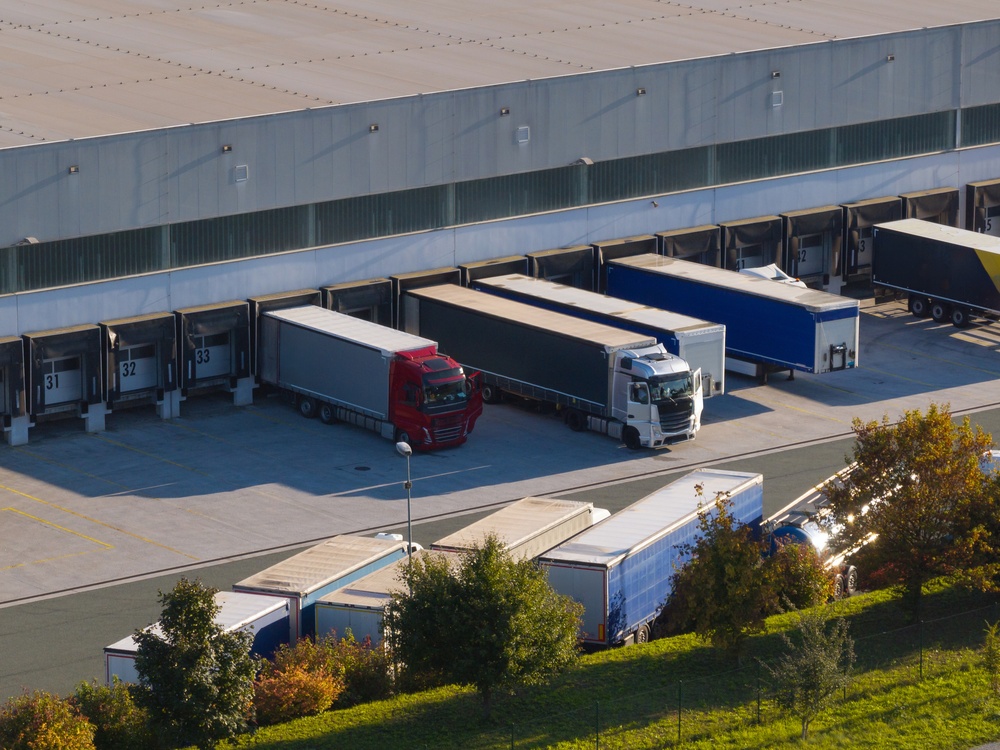
The AirTag did not appear to follow a straightforward journey from seller to customer. The shipment left California, later appeared in Milwaukee, then Colorado Springs, before finally stopping in North Las Vegas. Its destination was a building known as LAS8, one of Amazon’s operations in Southern Nevada.
From outside, the facility reportedly looks much like another large warehouse. But the tracking data pointed to a more specific location within the site. The signal settled near the northern end of the building, in a separated unit identified as VGT3.
That detail became particularly significant because of what workers and investigators have alleged happens inside facilities connected to the massive effort to digitize physical books. The book containing the AirTag reportedly stopped there, and its journey appears to have ended inside the operation.
Amazon has not publicly confirmed that the facility is being used to train artificial intelligence models. When asked about the operation, an Amazon spokesperson said the company buys books through commercial channels to help develop and improve products and services used by customers.
Why Old Books Have Suddenly Become Valuable
The interest in decades-old books may have little to do with literary value. The real prize could be something far more useful to companies building artificial intelligence systems: text created entirely by humans.
Large language models have already absorbed enormous amounts of material from the internet. A growing concern within AI research is that more online content is now being generated by other AI systems, creating the possibility that future models could increasingly train on synthetic material.
This problem is often described as model collapse. Researchers have warned that repeatedly feeding AI-generated material back into future systems could reduce the diversity and quality of what those systems produce.
Books published before the recent explosion of generative AI carry a different kind of value. Their contents were written before machines began producing huge quantities of human-like text. Out-of-print books that were never digitized could be even more valuable because their material may not exist anywhere else online.
The Buying Spree Had Been Happening for Years

Booksellers reportedly began noticing unusual buying patterns long before anyone placed an AirTag inside a shipment. Discussions among sellers in 2024 included reports of accounts placing repeated bulk orders and purchasing books with an intensity that appeared unusual for an ordinary collector.
One seller reportedly said they had received 68 orders from a single buyer. Another described an account that appeared to be purchasing books every day. The pattern suggested a systematic effort rather than someone casually building a personal library.
Investigators also found evidence suggesting that buyers could be working from ISBN lists. Instead of selecting books based on famous authors or desirable subjects, the goal may be to obtain unique titles and editions as efficiently as possible.
Workers have reportedly said barcode checks are part of the process before books reach cutting equipment. If the operation is attempting to capture as many unique texts as possible, that system would help prevent the same material from being scanned repeatedly.
The reported buying behavior can be summed up in a few patterns:
- Huge bulk orders: Sellers have reported unusually large purchases containing hundreds or even thousands of books.
- Repeated transactions: Some accounts allegedly returned again and again for more inventory.
- ISBN-based buying: Reports suggest the purchases may follow catalog lists rather than literary preference.
- Focus on physical copies: Books that have never been digitized could contain text unavailable elsewhere.
- Rapid processing: Worker accounts describe a system built around scanning books as quickly as possible.
Another AI Company Had a Similar Plan
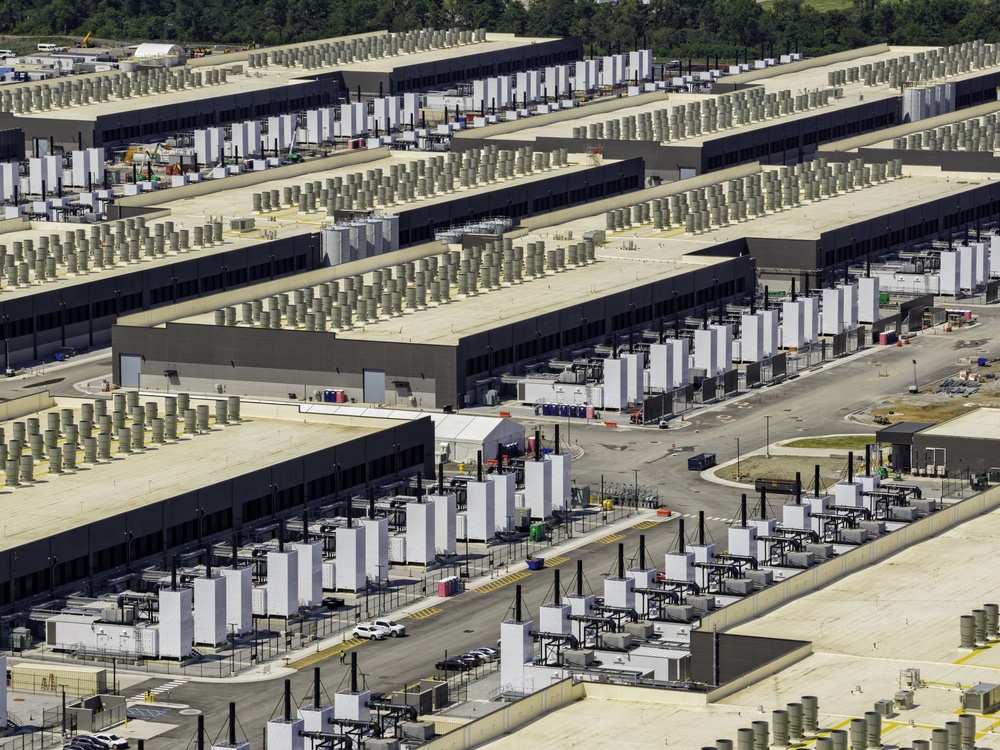
Amazon is not the only major AI company connected to destructive book scanning. Court documents previously revealed that Anthropic had operated an internal project known as Project Panama.
The goal described in those documents was enormous. According to an internal statement cited in court materials, the project was an effort to destructively scan books on a global scale.
The process reportedly involved buying physical copies, removing their bindings, scanning the pages, and destroying what remained. The project became part of a wider legal battle over how AI companies acquire the massive amounts of text needed to train increasingly powerful language models.
A federal judge found that scanning books lawfully purchased by Anthropic could qualify as fair use under the circumstances considered in the case. The legal issues became more serious when the company was accused of obtaining millions of books from pirate libraries instead of buying legitimate copies.
The dispute resulted in a major financial settlement involving approximately seven million books obtained from unauthorized sources. The contrast exposed one of the strangest realities of the AI boom: legally purchased physical books may be treated very differently from unauthorized digital copies, even when both ultimately become training data.
The Final Chapter in a Digital Gold Rush

It turns out that even giant tech companies run into a very simple problem: there are only so many old books in the world. At one point, workers at the scanning warehouse actually worried the building might shut down just because they were running out of books to process. It is a funny irony. Tech companies are building an endless digital future, but to do it, they are entirely dependent on a limited supply of physical objects.
Suddenly, those dusty paperbacks at your local thrift store, at neighborhood yard sales, or sitting in a cardboard box in your grandparents’ attic are incredibly valuable. They hold the one thing big tech companies cannot just magically create on a computer: genuine words written by real people, from a time before AI even existed.
As for the book with the AirTag, its signal eventually went dark inside that warehouse. It will never go back on a shelf, and neither will the hundreds of other books it was shipped with. For centuries, the worst things that could happen to a book were a fire, a flooded basement, or accidentally getting thrown in the trash. Now, they face a very modern end. They are bought by the truckload, chopped up into loose pages, and fed into a computer—a machine that will download every single word, but will never know what it actually feels like to hold a book.