
Your cart is currently empty!
South Carolina SNAP Shoppers Face New Grocery Store Restrictions
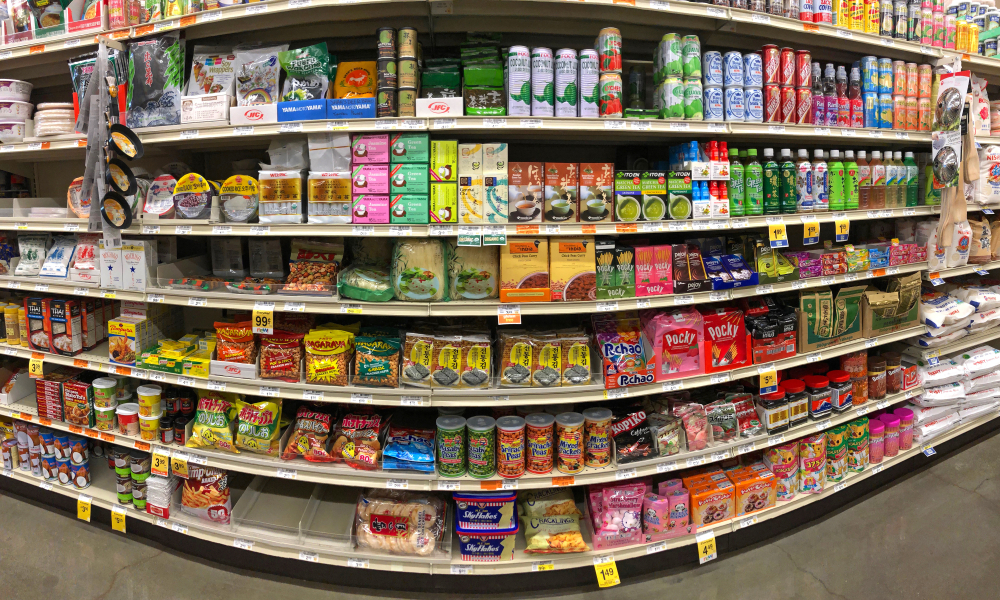
South Carolina shoppers using SNAP benefits could soon face an unexpected problem at the checkout counter. Starting November 1, 2026, certain products that were previously eligible for purchase may trigger an “item not allowed” message when customers try to pay with their EBT cards.
Contents
show
The new restrictions will target candy, soft drinks, energy drinks, and certain sweetened beverages. Supporters say the policy will encourage healthier food choices, while critics argue that it could create confusion for families and add costly complications for grocery stores.
South Carolina’s New SNAP Restrictions Begin in November
South Carolina’s Department of Social Services says the new policy is scheduled to take effect on November 1, 2026. The rollout was delayed from an earlier planned start date after the U.S. Department of Agriculture requested additional time to publish a federal notice and review public comments.
The restrictions will apply across the state, including at major grocery stores, convenience stores, farmers’ markets, and online retailers. That means SNAP recipients could encounter the same restrictions whether they shop at Walmart, a local supermarket, or through an online grocery service.
SNAP, formerly known as food stamps, provides food assistance to eligible households and supports approximately 42 million Americans. The average monthly household benefit is $344, according to the reference material.
Under federal rules, SNAP benefits can generally be used to purchase food intended for home consumption. Alcohol, tobacco, and hot prepared foods are among the products that have traditionally been excluded.
South Carolina’s policy goes further by removing several categories of sugary foods and drinks from the list of eligible purchases.
Candy and Sugary Drinks Will Be Restricted

The new rules focus on products commonly described by officials as junk food. SNAP benefits will no longer be accepted for candy, energy drinks, soft drinks, and certain sweetened beverages once the policy takes effect.
The candy definition includes chocolate and fruit or nut-based bars, as well as drops and pieces. However, the rules contain several exemptions that could make the distinction between eligible and restricted products less obvious for shoppers.
Protein bars and granola bars will still be allowed. Baking ingredients such as chocolate chips and sprinkles are also expected to remain eligible for purchase with SNAP benefits.
Several drinks will also be excluded from the restrictions. Coffee, tea, milk-based beverages, and most fruit and vegetable juices will remain eligible under the policy.
Other exemptions include baby formula, sports drinks, carbonated water, and medically necessary beverages. The details mean shoppers may need to pay attention to how individual products are classified rather than simply assuming every sweet food or drink will be treated the same way.
Checkout Screens Could Start Rejecting Certain Items

One of the most noticeable effects of the new policy could happen when shoppers attempt to pay.
Items that were previously SNAP-eligible may no longer go through when customers use an EBT card. Online shoppers could see an “item not allowed” message, while customers at self-checkout may discover that a restricted product cannot be paid for using their benefits.
The products themselves are not being removed from store shelves. Shoppers will still be able to purchase them with another form of payment, including cash or a regular debit or credit card.
The challenge may come when customers have a mixed order containing both SNAP-eligible groceries and restricted products. They could need to separate payment for different items, particularly during the early stages of the program.
For customers who are unsure whether a product qualifies, regular checkout lanes may offer more assistance than self-checkout. Store employees could help explain why an item was rejected and clarify how the transaction needs to be completed.
Online grocery systems may also allow shoppers to identify individual items that are not eligible before finalizing an order. However, the experience could vary depending on the retailer and how its payment system handles the new rules.
Governor McMaster Called the Policy a Healthier Approach

The USDA’s Food and Nutrition Service approved South Carolina’s program after Governor Henry McMaster requested a waiver.
McMaster had announced his intention to pursue the policy in 2025. He later issued an executive order directing the South Carolina Department of Social Services to submit the waiver request.
After receiving approval, the governor praised the decision and linked it to the wider Make America Healthy Again movement.
“Thank you to President Trump and Secretary Rollins for approving our light-touch, common-sense approach to strengthen the SNAP program by promoting healthier outcomes for South Carolinians,” McMaster said in a news release.
He also said that encouraging families to purchase nutritious food instead of junk food would help ensure taxpayer dollars were used to their maximum benefit.
Health and Human Services Secretary Robert F. Kennedy Jr. has supported similar restrictions around the country. Kennedy has argued that taxpayer-funded programs should not contribute to food choices that may harm public health.
“We cannot continue a system that forces taxpayers to fund programs that make people sick and then pay a second time to treat the illnesses those very programs help create,” Kennedy said in a statement referenced in the source material.
Supporters of the restrictions argue that SNAP should focus more directly on helping families buy nutritious food. Critics, however, have questioned whether federal agencies have the authority to decide which categories of food can be removed from the program.
A Court Battle Has Already Paused Similar Bans
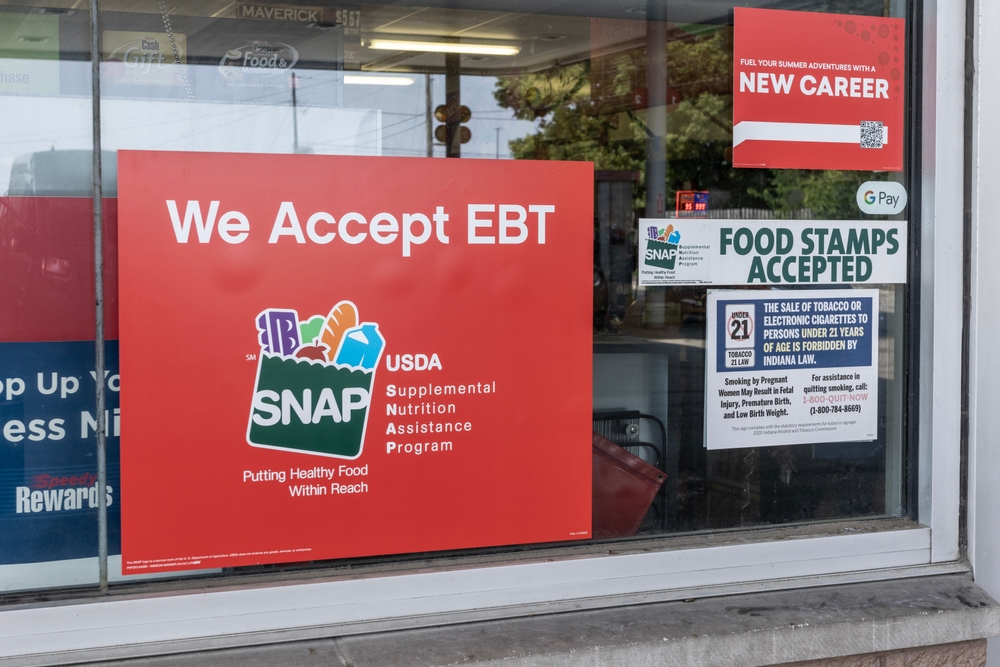
The expanding restrictions have already triggered a legal fight involving SNAP participants and the federal government.
In March, SNAP recipients in several states sued the USDA over the approval of waivers that limited purchases of certain foods. The lawsuit argued that the agency did not have the authority to redefine what qualified as food under the federal SNAP program.
Judge Amy Berman Jackson of the U.S. District Court for the District of Columbia ruled that the waivers violated Congress’s definition of food.
“Congress defined what ‘food’ is supposed to be, and it did not authorize the agency to amend or waive the definition it enacted,” the judge wrote.
She added that Congress had not authorized the agency to “cut types of food out of SNAP entirely.”
Following the ruling, waiver approvals were vacated in Colorado, Iowa, Nebraska, Tennessee, and West Virginia. Restrictions in those states were paused or prevented from moving forward as originally planned.
Other states have continued pursuing their own policies, leaving SNAP recipients across the country subject to very different rules depending on where they live.
More States Are Changing What SNAP Can Buy
South Carolina is part of a much broader movement to restrict certain food and beverage purchases through SNAP.
According to research cited in the reference material, the USDA had approved food restriction waivers in 23 states as of May. Numerator estimated that the changes could affect roughly one-third of SNAP participants.
The rules vary significantly from state to state. Some policies focus narrowly on candy and soda, while others extend to energy drinks, prepared desserts, and additional sweetened products.
Several states have already started enforcing restrictions in 2026, including Arkansas, Florida, Idaho, Indiana, Louisiana, Oklahoma, Texas, and Utah. Other states have announced later start dates, although legal challenges and administrative delays have changed some timelines.
The differences between state rules can create a complicated patchwork for shoppers. A product that remains eligible in one state could be rejected in another, even though both customers are using the same federal assistance program.
Some states have also considered broader definitions of unhealthy food. That has raised questions about whether future restrictions could eventually include more packaged snacks, desserts, or processed foods.
Grocery Stores and Food Companies Are Watching Closely
The restrictions could also affect some of America’s biggest retailers and food manufacturers.
Research cited in the reference material estimated that SNAP restrictions could reduce food and beverage sales by as much as $830 million in a year. Consumers may switch to eligible products, pay for restricted items separately, or simply buy less overall.
Walmart has a particularly large exposure to SNAP spending. According to Numerator data referenced in the material, the retailer captures roughly a quarter of all SNAP grocery dollars nationwide.
Kroger, Costco, and Amazon also account for significant portions of SNAP-related grocery spending. Major manufacturers producing soft drinks, candy, and packaged snacks are also monitoring how consumer behavior changes.
A report by the National Grocers Association and other industry groups estimated that implementing SNAP restrictions could cost retailers $1.6 billion initially and $759 million annually afterward. Those costs could include updating checkout systems, product databases, and store procedures.
Gina Plata-Nino, SNAP director for the Food Research & Action Center, criticized the restrictions and warned that the costs could affect more than SNAP recipients.
“Punishing SNAP recipients means we all get to pay more at the grocery store,” she said.
Food companies are already studying how customers respond to the changes. Hershey, according to the reference material, has conducted research involving shoppers who receive SNAP benefits to better understand product substitutions and budget decisions.
A Hershey spokesperson said the company had observed “some consumer uncertainty at the register as new restrictions take effect.” The company expects that uncertainty to improve as store systems become clearer and customers gain a better understanding of the rules.
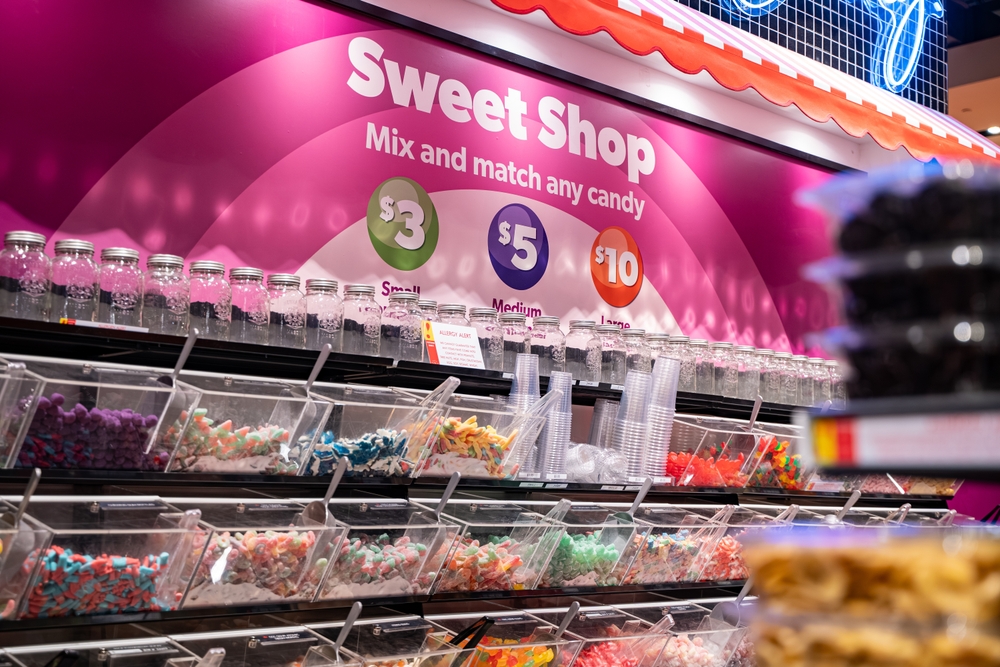
The Fight Is About More Than a Candy Bar
The debate over these policies has become part of a much larger argument about the purpose of government food assistance.
Supporters believe public money should encourage the purchase of nutritious foods and reduce spending on products associated with high sugar consumption. They argue that SNAP should play a stronger role in promoting healthier diets.
Critics question whether restricting individual products will improve public health or simply make grocery shopping more difficult for low-income families. They have also raised concerns about government authority and the complicated definitions required to decide which foods qualify.
South Carolina’s exemptions show how difficult those distinctions can become. A protein bar may remain eligible while a candy bar does not, even when both contain sugar. Carbonated water can qualify while certain sweetened soft drinks cannot.
For shoppers, those differences may not always be obvious until they reach the register. For retailers, the system depends on accurately classifying thousands of products and applying the correct payment rules.
The policy also comes as many American households continue to feel pressure from grocery costs. With families carefully managing limited budgets, any change in how SNAP benefits can be used may alter the way they plan their weekly shopping.
What South Carolina Shoppers Should Know Before November
South Carolina SNAP recipients still have time to prepare before the restrictions are scheduled to begin on November 1, 2026.
The most important point is that the affected products are not being banned from stores. Customers can still buy candy, soda, energy drinks, and other restricted products, but SNAP benefits will no longer cover them.
Shoppers with questions about a product may find full-service checkout lanes helpful, particularly when the rules first take effect. Online grocery services may also provide information about whether an item is eligible before the customer completes the purchase.
The policy could continue to face scrutiny as legal challenges unfold in other states and more governments seek approval for their own restrictions.
For now, South Carolina shoppers are preparing for a change that could make a familiar grocery trip look very different. Beginning in November, the contents of a shopping cart may stay the same, but the way those items can be paid for could change the moment an EBT card reaches the register.