
Your cart is currently empty!
MapQuest’s Lake Ontario Stand Sends Forgotten App Straight To No. 1

For years, MapQuest seemed like one of those internet names people remembered more as a punchline than an app they actually used. Then a fight over the name of Lake Ontario exploded online, and suddenly the mapping service was racing past some of the biggest apps in America. After publicly refusing to change the lake’s familiar name, MapQuest surged to No. 1 among the most downloaded free apps on Apple’s U.S. App Store, pulling off a comeback few people could have predicted.
Contents
show
The controversy began after major mapping services changed what American users see following the Trump administration’s order to rename Lake Ontario as “Lake America” for U.S. government purposes. MapQuest went in another direction and made sure everyone knew it. A series of tongue-in-cheek posts turned the decades-old mapping platform into a viral talking point, attracting hundreds of thousands of downloads and pushing usage far above its usual levels.
MapQuest Suddenly Finds Itself On Top
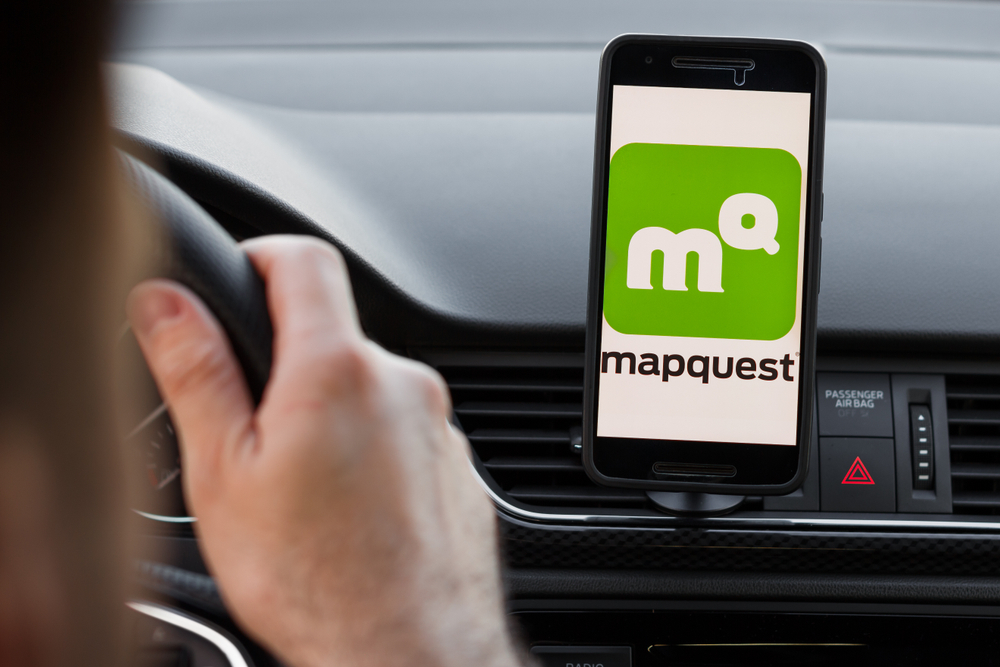
MapQuest’s climb to the top of the App Store is a remarkable moment for a company that launched back in 1996. According to Sensor Tower data referenced in the source material, the app became the most downloaded free app on Apple’s U.S. iPhone App Store after its public stance on the Lake Ontario controversy gained traction. The surge was also visible on Android, where the app reached fifth place among the most downloaded free apps in the United States and took the top spot in the mapping and navigation category.
The company said the sudden attention had produced the highest chart position in its nearly 30-year history. In a statement about the surge, MapQuest said “hundreds of thousands” of people had downloaded the app since Thursday, while usage had jumped to 50 times above normal levels. The company connected the spike directly to its decision to keep what it described as the historical and familiar names for lakes and gulfs on its maps.
That is a dramatic turnaround for a brand that many people assumed had been left behind by the smartphone era. MapQuest once played a major role in online navigation, particularly when people printed driving directions before leaving the house. Google Maps and Apple Maps later became dominant, leaving MapQuest far outside the center of the modern app conversation. Now, an argument over a geographical name has put it right back in the spotlight.
One Post Helped Turn The Argument Viral
Late Sunday night, MapQuest posted a message on X that made its position crystal clear. The company said it was “aware that Lake Ontario is being correctly labeled on our map,” adding a layer of humor to an already heated debate. The wording immediately separated MapQuest from the much larger technology companies that had begun reflecting the new U.S. government naming for American users.
The post was particularly effective because it did not read like a traditional corporate announcement. MapQuest leaned into the strange reality of a decades-old mapping service becoming part of a major political and cultural dispute. Instead of quietly updating its platform or issuing a lengthy explanation, the company made a short, pointed statement that was easy to share and impossible to misunderstand.
Several factors appear to have driven the sudden wave of attention:
- The controversy was already huge: The name of one of North America’s Great Lakes had become a major talking point.
- MapQuest took a public position: Users immediately knew where the company stood.
- The posts had humor: The company avoided dry corporate language.
- Nostalgia played a role: Many people were reminded that MapQuest still existed.
- Downloading the app was easy: People could immediately check the map for themselves.
The internet has a habit of bringing old brands back into public view when the timing is right. MapQuest found itself attached to a debate that had already crossed politics, technology and national identity. Within days, its response had transformed into a major promotional boost that no traditional advertising campaign could have guaranteed.
Eric Trump’s Joke Gave MapQuest More Attention
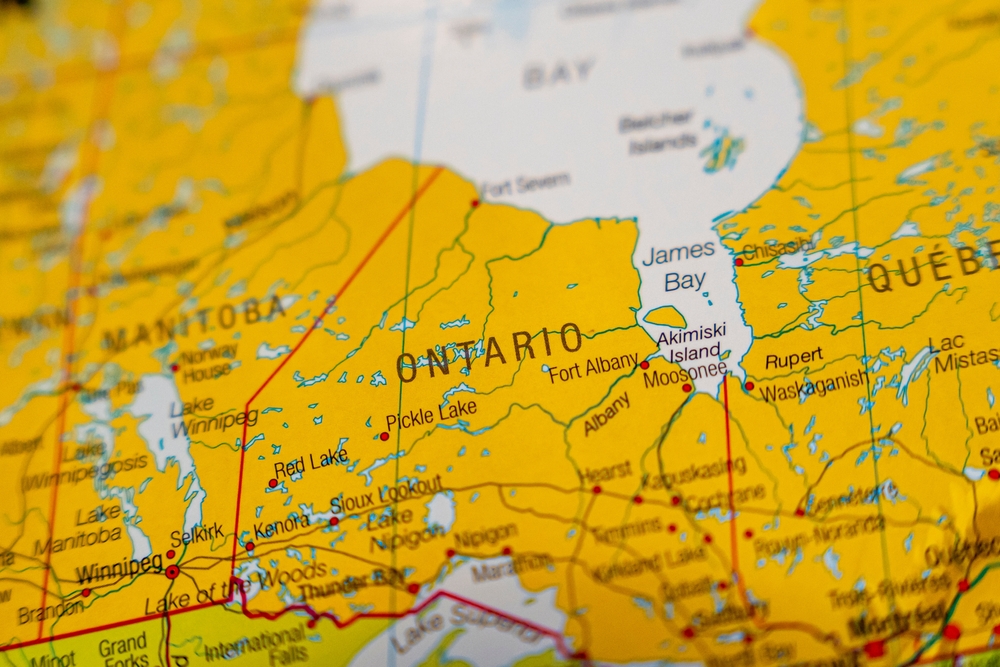
The company’s earlier post about refusing to change the lake’s name also attracted a response from Eric Trump. The president’s son mocked the mapping platform on X, writing: “Shocking to see you’re still alive…I thought the iPhone 3 took you out 15 years ago.” The comment was a direct jab at MapQuest’s age and its long decline from the dominant position it once held in online navigation.
The joke quickly became part of the wider conversation surrounding the company. For MapQuest, however, being mocked for surviving the iPhone 3 era may have brought even more attention to its unexpected comeback. The exchange highlighted the strange position the company suddenly found itself in: a platform that had spent years outside mainstream technology conversations was now being discussed by high-profile political figures.
There is also a certain irony in the timing. MapQuest was being ridiculed for being old while simultaneously climbing to the top of one of the world’s most important app download charts. The company had become relevant again precisely because it was no longer trying to compete with Google and Apple on their terms. Instead, it had found a viral identity through a controversy that gave users a reason to seek out an alternative.

Google And Apple Made Different Changes
Google Maps began showing “Lake America” to users in the United States on Sunday. The company said the change followed its policy of using names for geographical features from official government sources, including the U.S. Geographic Names Information System. The naming displayed to users depends on where they are located, creating different versions of the map across the border.
American users now see “Lake America” on Google Maps, while Canadian users continue to see “Lake Ontario.” Users outside the United States and Canada can see both names. The system reflects the reality that geographical naming can differ depending on official standards and national jurisdictions, particularly when a landmark crosses or borders multiple countries.
Apple Maps followed with its own change for American users on Tuesday. Interior Secretary Doug Burgum said the update came after Trump directly reached out to Apple to request it. Canadian users continue to see Lake Ontario, while Apple had not issued a public statement explaining the latest change at the time covered by the source material. The decision was consistent with the company’s earlier handling of the Gulf of Mexico naming change in 2025.
The difference between the major platforms and MapQuest could not have been clearer. Google and Apple adjusted their U.S. displays according to the new official naming, while MapQuest publicly promoted its decision to keep the familiar historical name. That contrast gave people something unusual when choosing a navigation app: a naming dispute had suddenly become part of the product itself.
MapQuest Lets Users Pick Their Own Name
MapQuest has added another layer to the situation by allowing users to rename the lake themselves. The feature means people can customize what they see on the map rather than relying entirely on the label selected by the platform. According to the company, the idea was first developed last year after Trump ordered the Gulf of Mexico to be renamed the Gulf of America.
The feature has become particularly useful during the current dispute because it allows MapQuest to frame itself around user choice. Someone who wants to see Lake Ontario can do so, while someone who prefers another name can customize the display. That approach has helped the company stand apart from the much larger mapping services that rely on official naming systems for many geographical features.
Normally, a customizable map label would hardly become a major news story. But the timing has turned a relatively small feature into a central part of MapQuest’s sudden resurgence. The company has found a way to make an old mapping platform feel relevant to a modern internet argument, while also giving users a simple feature they can immediately experiment with after downloading the app.
For a company competing against technology giants, the controversy has created an enormous amount of visibility. People who had not thought about MapQuest in years are suddenly searching for it, downloading it and sharing screenshots of what they see. The company’s position has effectively turned a geographical naming dispute into a powerful marketing moment.
A 1996 Internet Name Is Having A Major Comeback
MapQuest launched at a time when getting directions online often meant printing several pages before getting into a car. The internet looked very different, smartphones did not exist and digital maps were still a relatively new idea for most people. Over the years, the company became closely associated with an earlier era of the web, even as newer services gradually became the default choice for millions of drivers.
That history is part of what makes its current position so unusual. MapQuest is not a new startup trying to break into the App Store with a flashy product launch. It is a company approaching its 30th year that has suddenly found itself at No. 1 because millions of people became interested in where it stood on a naming controversy.
The company’s own statement called the surge its highest chart position in the brand’s history. That means a platform with decades of experience in digital mapping has reached a new peak at a time when many assumed its biggest days were already behind it. The story also shows how quickly internet culture can reshape a company’s fortunes when a political argument, a viral post and public curiosity collide.
MapQuest may eventually fall back down the download charts as the controversy fades. But for now, the company has achieved something few people could have imagined: a brand once associated with printed directions has become one of America’s hottest apps because it refused to change the name of a lake.
The Internet Has Given MapQuest A Second Life
The company did not create the Lake Ontario dispute, but it understood how to turn its position into a message people wanted to share. A few well-timed posts placed MapQuest directly in a conversation dominated by major technology companies, political figures and a growing argument between the United States and Canada.
The result has been a stunning surge for a company that many people thought had already disappeared into internet history. MapQuest has spent years being treated as a relic of the early web, only to find itself sitting above thousands of newer apps on Apple’s download charts.
For the moment, one of the oldest names in online navigation has found the perfect route back into the spotlight, and it turns out the road to No. 1 ran straight through Lake Ontario.