
Your cart is currently empty!
Teacher Spends 240 Hours Creating Tiny Crochet Versions Of Her Students
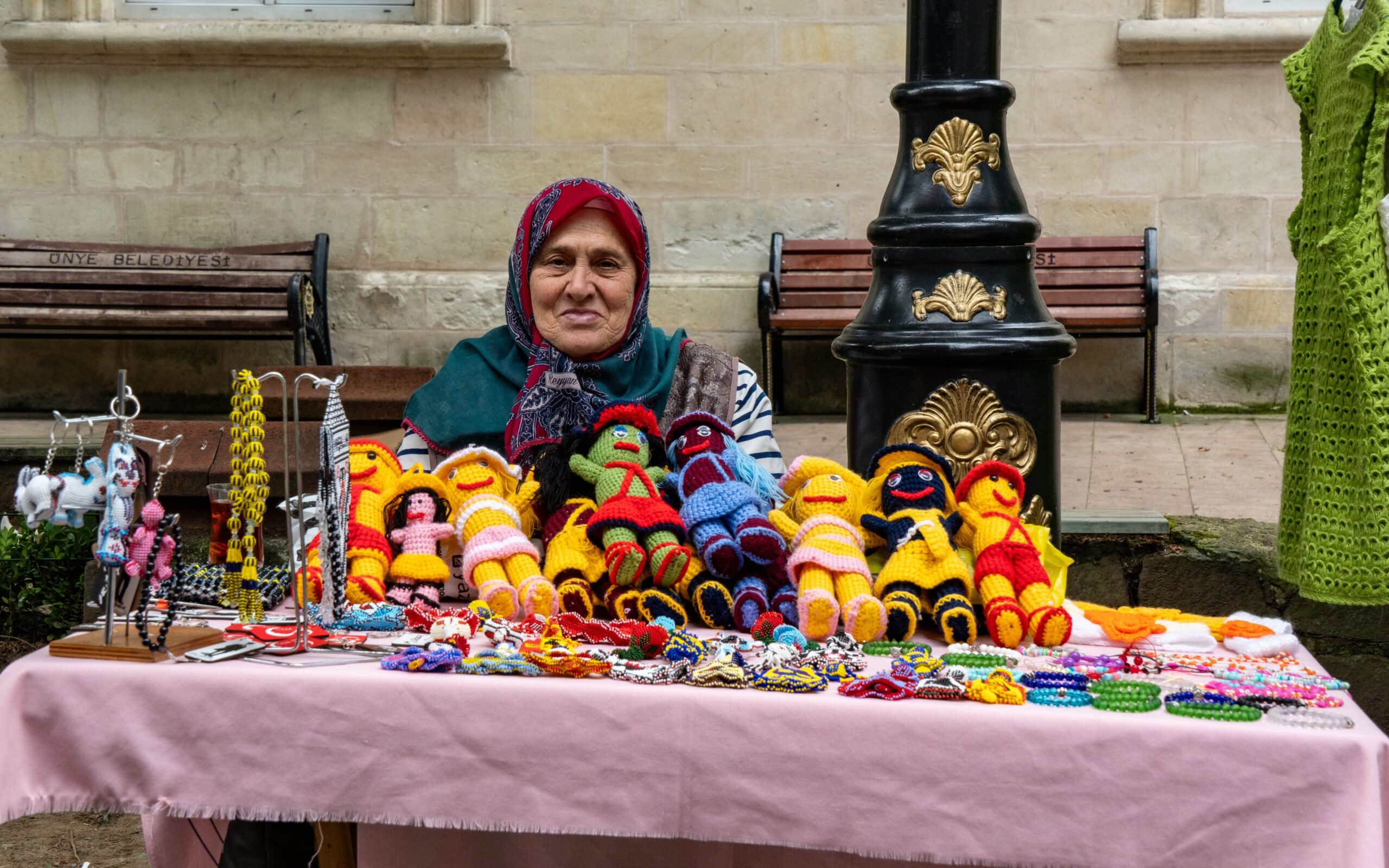
For three months, Sara Shabir worked on a secret project after school and at weekends. Her goal was simple: create a tiny crocheted version of every child in her Year 3 class.
Contents
show
When the big reveal finally arrived, the 30 students had to identify the dolls from photographs before discovering the handmade figures were theirs to keep.
She Turned A Crochet Hobby Into A Huge Classroom Project
Shabir, a 32-year-old teacher at Tyndale Community School in East Oxford, taught herself to crochet during the Covid lockdown. She continued making things afterward and eventually decided to challenge herself with a project unlike anything she had attempted before.
Instead of making one or two dolls, she decided to make one for every student in her class.
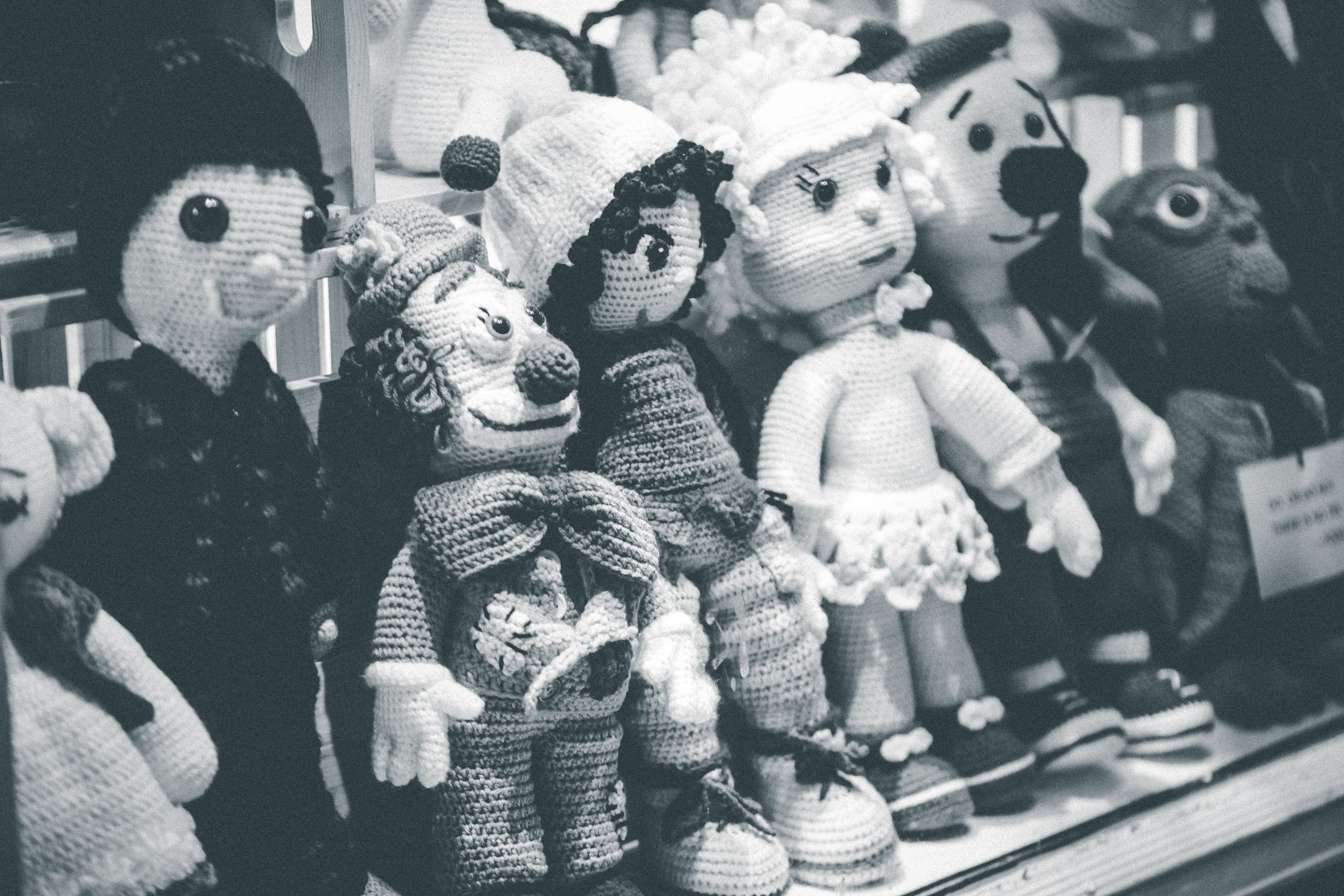
“I taught myself to crochet during the Covid lockdown and have been creating things since then, so I wanted to push myself and make these dolls to build my skills as a crocheter,” Shabir said.
The idea came from wanting to give the children something personal at the end of the school year. “The idea came from me just wanting to do something special and exciting for my class whom I adore,” she said.
That decision turned into a three-month commitment involving 30 separate designs.
Thirty Dolls Took Around 240 Hours To Complete
Each doll took Shabir around eight hours to make. With 30 students in the class, the project required roughly 240 hours of crochet between May and the end of the July term.
Those hours had to fit around her normal teaching responsibilities. Much of the work was therefore completed during evenings and weekends, turning what began as a creative challenge into a substantial second job.
The dolls were made in an amigurumi style, a Japanese craft involving small crocheted or knitted stuffed figures. Shabir had to adapt the technique to create miniature versions of actual children rather than generic characters.
Every doll needed its own combination of hair, skin tone and clothing, which made the project considerably more complicated than producing 30 identical gifts.
She Created A Spreadsheet To Track Every Child
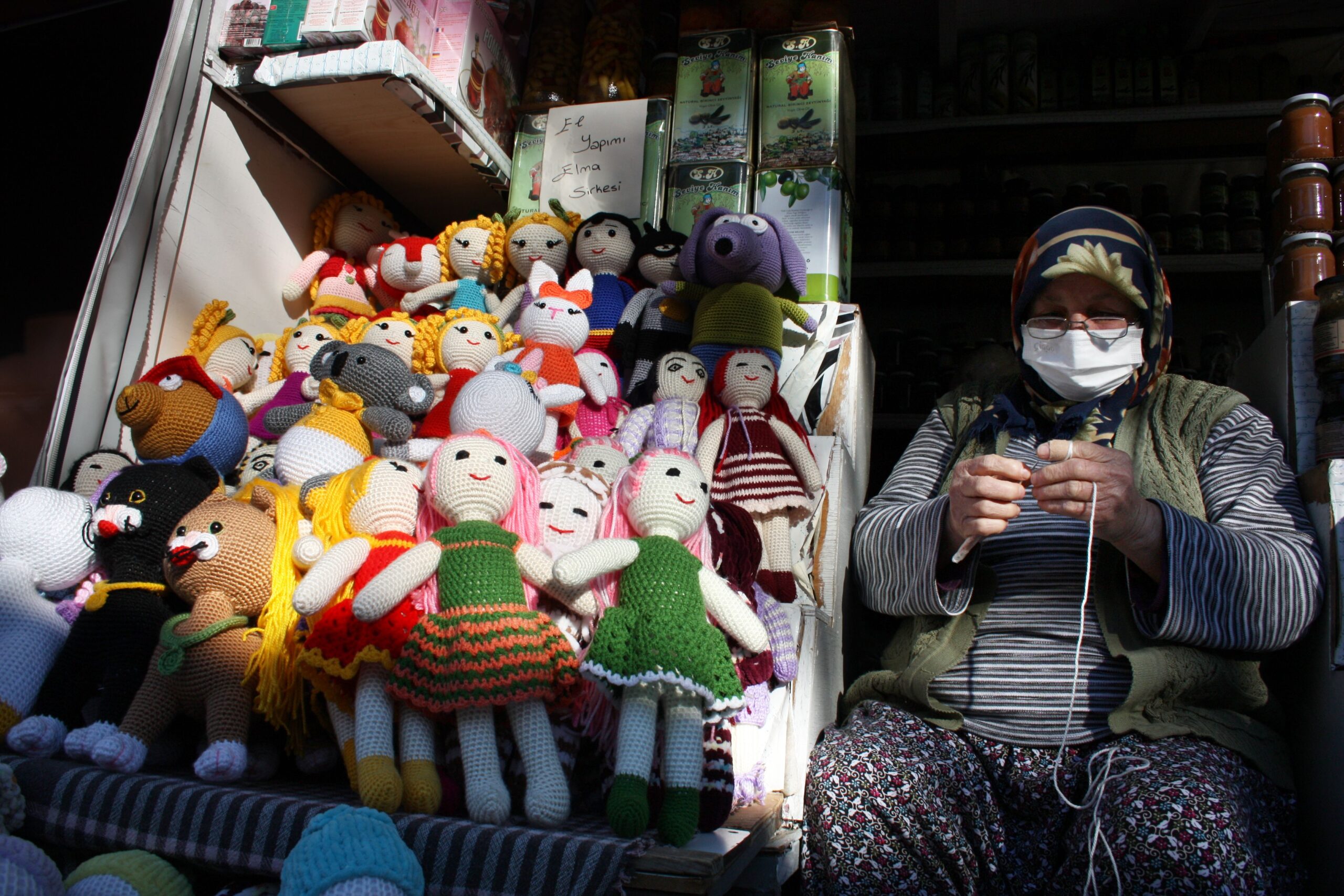
Shabir worked on the dolls in batches, making different body parts before assembling the figures. That approach helped her manage the sheer number of pieces involved.
“I started off by making the dolls by doing different body parts,” she said.
She also created a spreadsheet to keep track of the colors selected for each student. “I pondered over each one carefully, and even created a spreadsheet so I would remember which colors I’d decided on for each,” Shabir explained.
The system allowed her to keep 30 individual designs straight as the project stretched across several months.
Getting The Hair Right Was One Of The Hardest Parts
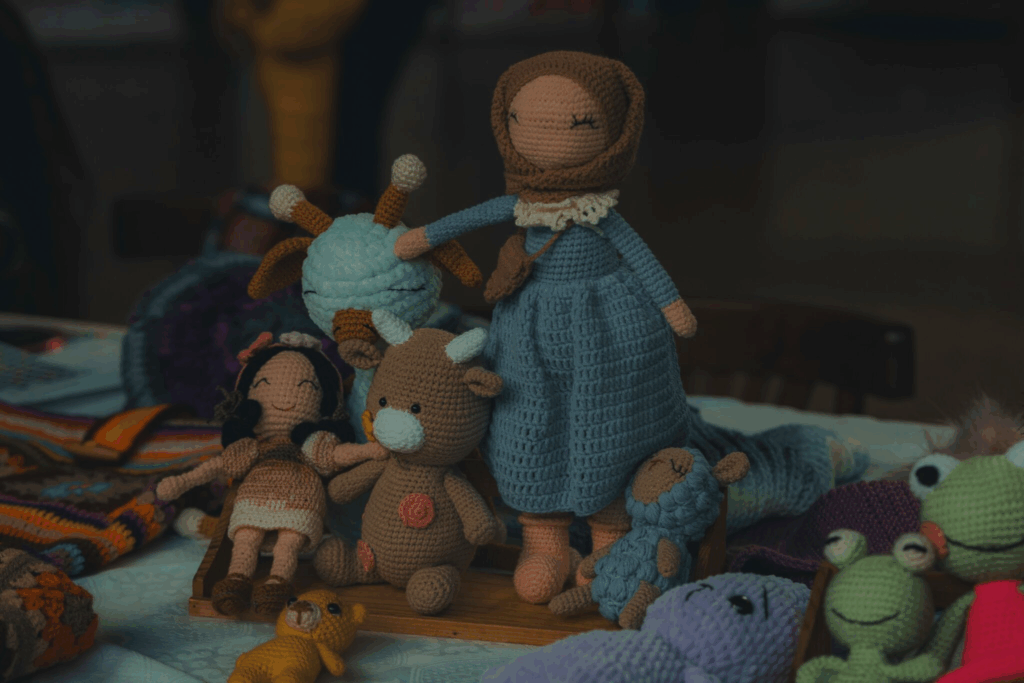
The dolls needed to be recognizable, so Shabir had to pay close attention to the children’s individual features.
“I think the hardest thing was getting the hair colour and skin colour correct,” she said.
Hair was particularly challenging because the children had different colors and styles. Curly hairstyles presented another obstacle when Shabir tried to reproduce them using yarn.
The clothing also mattered. Each doll was designed to resemble its owner, including the clothes that particular child wore.
That level of customization meant Shabir was effectively creating 30 different characters from scratch. A mistake in one doll could mean reworking details that had already taken hours.
The Students Had To Guess Who Their Dolls Were
The surprise took place during the final week of term, when Shabir showed photographs of the finished dolls to her class.
Rather than immediately telling the children what she had made, she asked them to work out which doll belonged to which student. The guessing game gave the class a chance to spot the tiny details Shabir had spent months recreating.
Only afterward did the children discover the dolls had been made specifically for them.
“They were over the moon,” Shabir said.
The excitement continued after the reveal, with the children brushing their dolls’ hair and playing with them when they came into school.
“They came into school in the morning and started brushing their hair and playing with them which was lovely to see,” Shabir said. She added that the children were very grateful.
For Shabir, seeing their response made the enormous amount of work feel worthwhile.
“It was so exciting, it was so rewarding,” she said.

The story might have remained a special memory within the classroom if one parent had not photographed the finished dolls.
On July 23, 2024, Joanna Borysiak posted pictures of them on X, praising the teacher for the unusual end-of-year gift.
“My daughter’s Y3 teacher is the absolute GOAT,” Borysiak wrote. She explained that Shabir had crocheted a miniature version of every child in the class and noted that the hairstyles and clothes were remarkably accurate.
She also highlighted the scale of the project, noting that each doll had taken approximately eight hours to complete.
The post helped push the classroom surprise beyond the school, with education publications and good-news outlets subsequently reporting on the teacher’s unusual gift.
The photographs also made it easy to see why the project attracted attention. The dolls were small, but each one had been customized for a particular child.
Every Doll Was Designed To Be Kept
Shabir had a specific reason for putting so much time into the project. She wanted the children to have something they could hold onto after the school year ended.
“I just thought it would be something they could keep forever, something unique to them,” she said.
That intention gave the dolls a purpose beyond being an end-of-term novelty. Each one represented a particular child at a particular point in their school life.
The children would eventually move into another year group, meet new teachers and make new memories. Their tiny crocheted figures could remain as a physical reminder of the class they had shared.
Shabir also said she felt a massive sense of accomplishment after completing all 30 dolls.
The project had demanded hundreds of hours, careful planning and repeated attention to small details. But the finished collection meant every student received something made specifically for them.
The Details Were What Made The Gift So Personal
There was plenty of work hidden behind the finished photographs, from selecting yarn colors to tracking each child’s design in a spreadsheet.
The project depended on details that could easily have been overlooked.
- Hair: Shabir tried to recreate each student’s hair color and hairstyle, with curly hair proving particularly difficult.
- Skin tone: Finding the right yarn color required trial and error for some of the dolls.
- Clothing: The outfits were designed to resemble what the children actually wore.
- Individual designs: The 30 dolls were not identical gifts, because each was created around a particular student.
Those choices explain why the classroom guessing game worked so well. The children could recognize themselves through the details their teacher had carefully recreated.
A Teacher’s Handmade Surprise Went Far Beyond The Classroom
End-of-year gifts do not usually require 240 hours of work, but Shabir’s project was never about producing something quickly.
She wanted each child to receive something unique, and that meant treating the students individually rather than making one standard gift for the entire class.
The finished dolls offered something that certificates and school photographs cannot quite provide. They were physical objects that reflected how each child looked during that particular year.
For the students, the surprise ended with 30 tiny versions of themselves heading home.
For their teacher, it ended months of secret work and a challenge she had taken on simply because she wanted to do something special for a class she cared about.
Shabir had started with a crochet hook, some yarn and 30 children to recreate. By the end of the term, she had turned those materials into 30 keepsakes designed to last far longer than the school year.