
Your cart is currently empty!
More Than 20 Percent Of Americas Butterflies Have Vanished In Two Decades
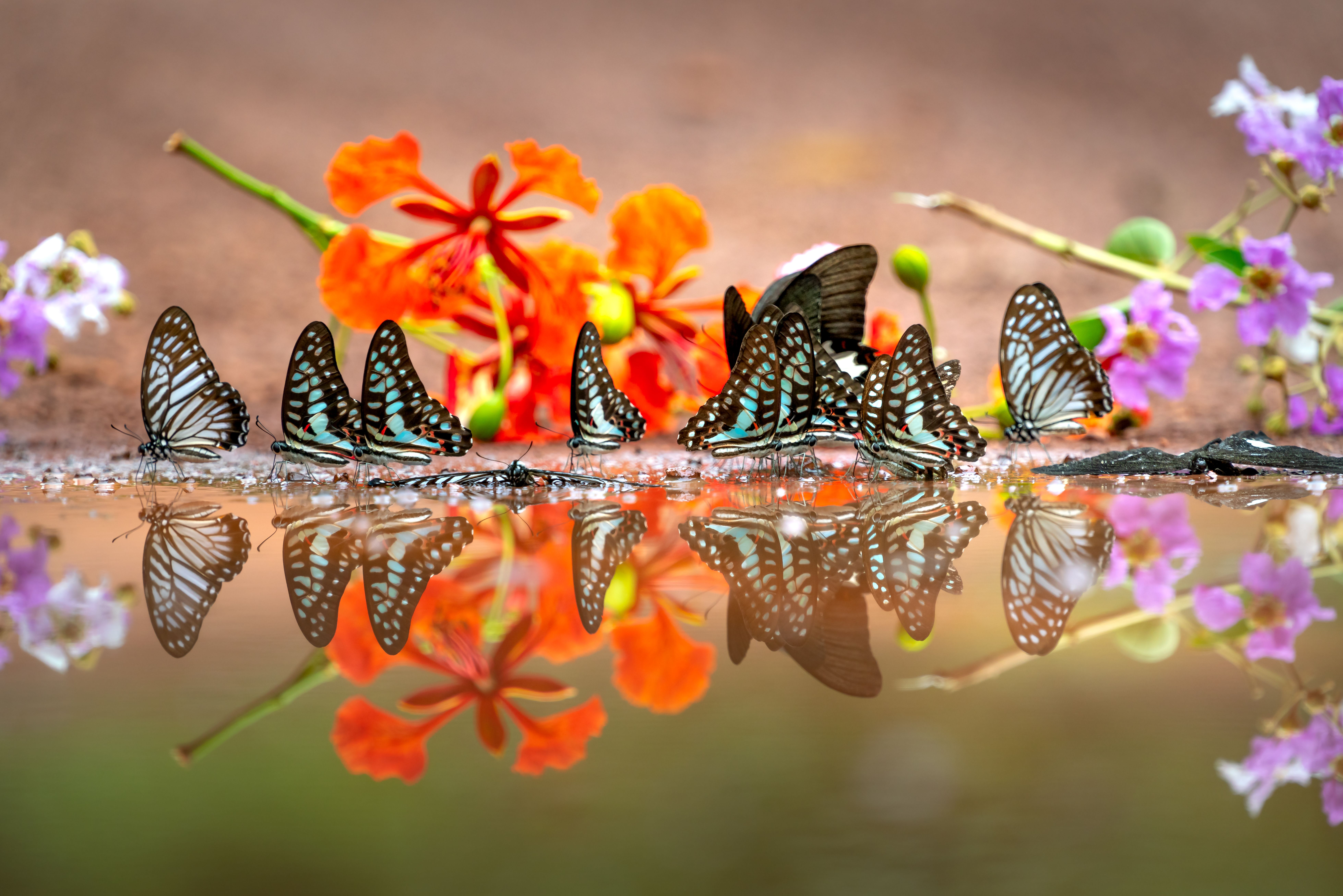
For every five butterflies that could have been seen across the United States in 2000, researchers estimate that only four remain today. A massive national analysis has found that butterfly abundance dropped 22% between 2000 and 2020, with some species suffering losses of more than 90%.
Contents
show
The study brings together decades of observations from scientists and volunteers, revealing that the decline is far broader than the struggles of one famous species. Researchers tracked 12.6 million individual butterflies across more than 76,000 surveys and 35 monitoring programs.
A Huge Butterfly Count Revealed A Troubling Pattern
Published in Science in March 2025, the study combined data from monitoring programs covering 554 butterfly species across the contiguous United States. Around 80% of the surveys were conducted by volunteers who spent their own time repeatedly counting butterflies along established routes.
The researchers were able to calculate reliable population trends for 342 species.
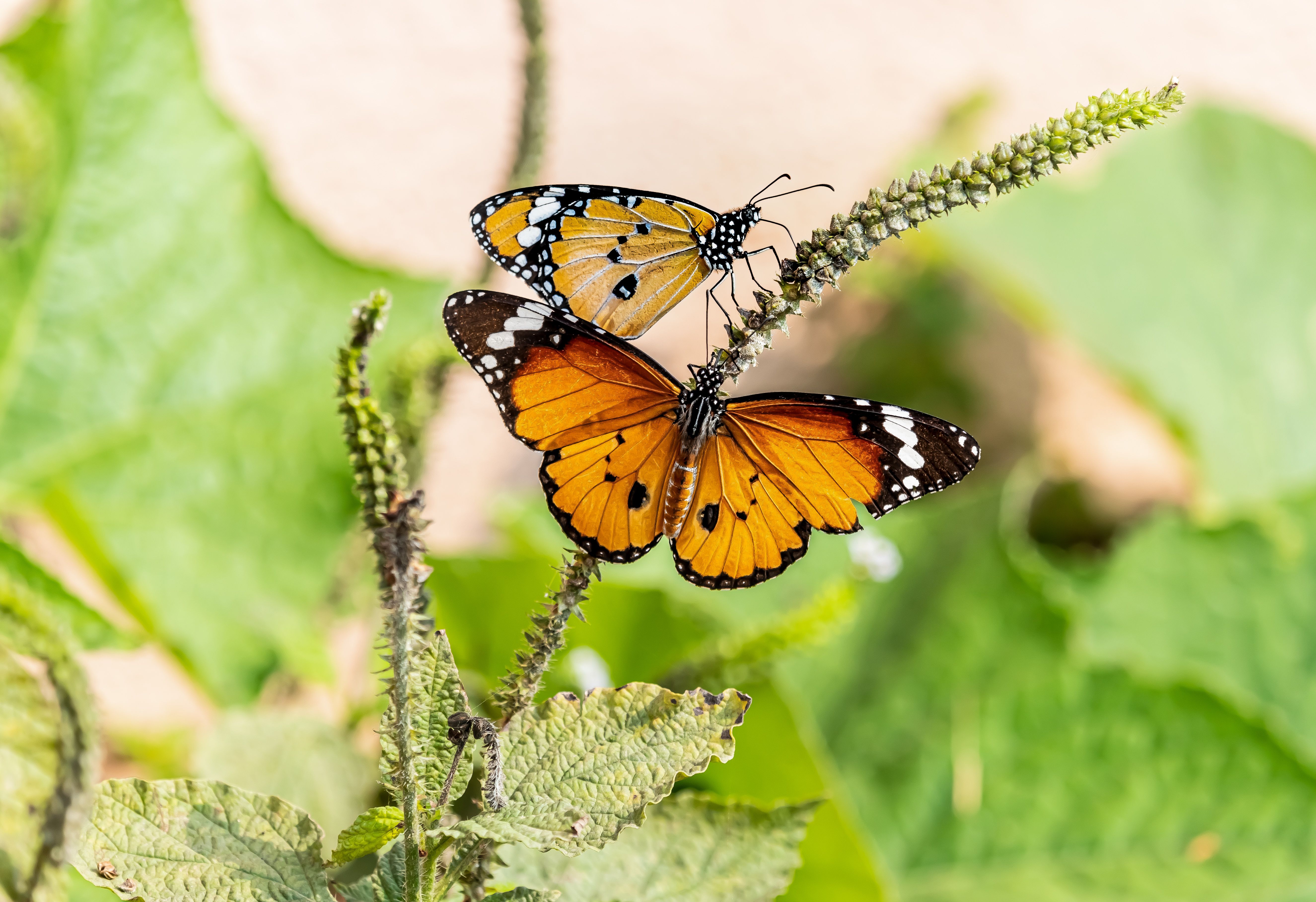
Cheryl Schultz, a professor of conservation biology at Washington State University and one of the study’s authors, described it as “the most comprehensive assessment of U.S. butterfly population trends ever undertaken.”
Bringing the different monitoring programs together allowed researchers to see a national pattern that individual surveys could not reveal. Instead of isolated declines affecting a handful of species, the data showed widespread losses across the country.
The Average Decline Was 22% Over Two Decades
The overall rate of decline was about 1.3% per year. That figure may sound relatively small when viewed annually, but it produced a much larger loss when accumulated over 20 years.
“That may not sound like much, but it adds up quickly, and it means we’ve lost more than 20% of butterflies in just 20 years,” said lead author Collin Edwards of the Washington Department of Fish and Wildlife.
The decline was widespread among the species researchers could track reliably. Two-thirds of those species fell by more than 10%, while declining species outnumbered increasing species by 13 to one.
Schultz put the change into a comparison that is easier to picture: “For every five butterflies you would have seen in the year 2000, we see four now.” The finding suggests that the familiar summer garden filled with butterflies is becoming less common in many parts of the country.
Twenty-Two Species Lost More Than 90%
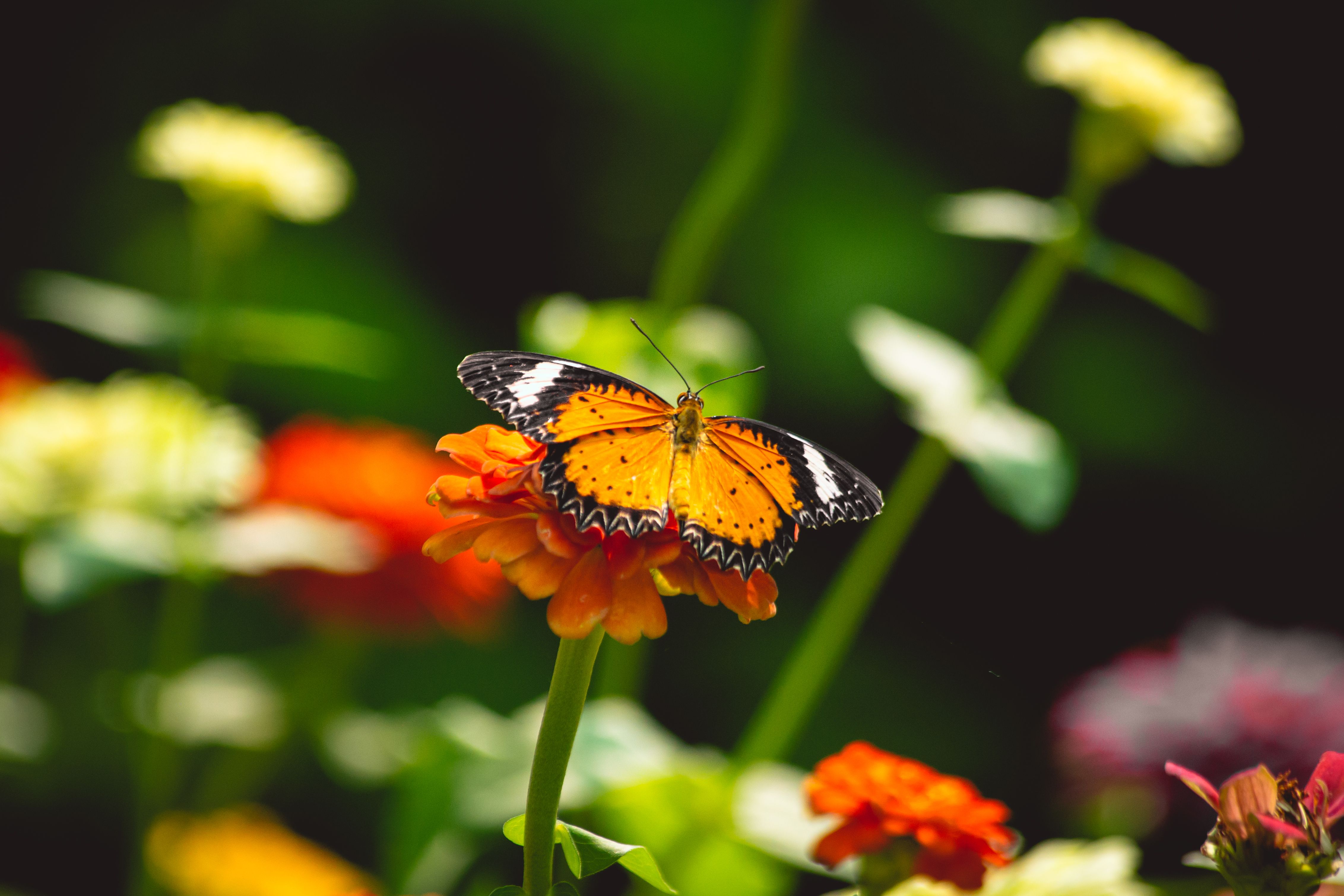
The national average also hides some dramatic species-level losses. Of the 342 species with reliable trends, 107 lost more than half their numbers, while 22 lost more than 90%.
Only nine species increased across the country. The monarch butterfly remains the best-known example of a species in trouble, with its eastern population down roughly 80% since the 1980s and its western population down by more than 95%.
The new research shows that monarchs are part of a much wider pattern. Eliza Grames, an assistant professor of biological sciences at Binghamton University and a co-author of the study, said, “These declines are not stopping.”
That finding adds urgency to a problem that can be easy to miss because individual butterflies are small and their disappearance happens gradually. A population can shrink year after year without producing one dramatic event that captures national attention.
The Southwest Experienced The Steepest Losses
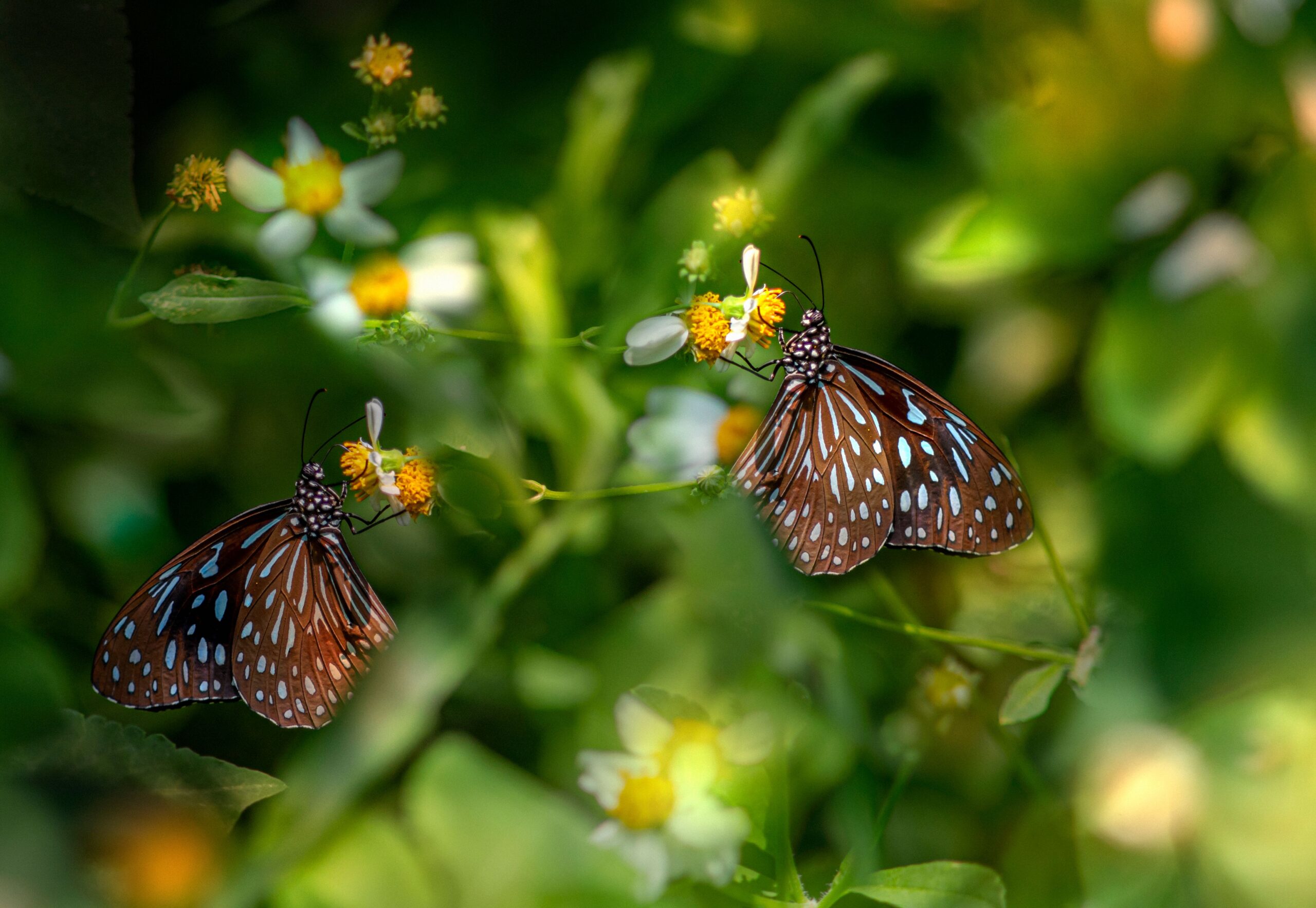
Butterfly declines varied considerably by region, with the Southwest experiencing the steepest drops in the analysis. Researchers pointed to a changing climate as one possible factor, particularly as the region becomes hotter and drier.
The data revealed another pattern within species’ ranges. Many butterflies experienced their greatest losses at the southern edges of their ranges, while their northern edges held up better.
That suggests some species may be losing territory from the warmer end of their ranges rather than simply declining evenly everywhere. Heat and drought could contribute to that pattern, although the study measured population trends rather than proving the cause of every individual species’ decline.
One Northwest Butterfly Hid A Bigger Problem
The Pacific Northwest was the only region showing an average increase, rising by roughly 10%. Researchers found that this result was largely driven by the California tortoiseshell, an irruptive species capable of experiencing huge population increases followed by sharp crashes.
When the California tortoiseshell was removed from the analysis, the Northwest looked much more similar to other parts of the country. That unusual species therefore had an outsized effect on the regional average.
The finding also shows why looking at individual species matters. A regional number can appear positive even when most of the butterflies living there are experiencing declines.
Insecticides And Habitat Loss Are Major Concerns
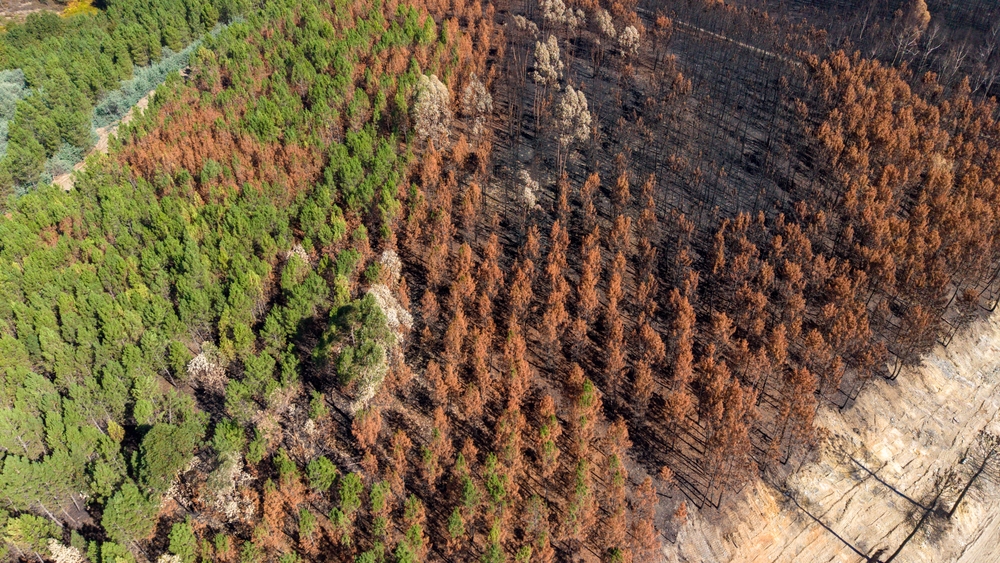
The researchers identified habitat loss, insecticides and a warming climate among the factors associated with butterfly declines. Insecticide use received particular attention because some agricultural practices can expose insects to chemicals before a pest problem has even appeared.
“Prophylactic and near-universal application of insecticides harms butterflies and other beneficial insects, with no proven benefit to crop yield,” said Nick Haddad, a Michigan State University professor and study author.
Herbicides can create another problem by removing plants that butterflies depend on. Schultz told Oregon Public Broadcasting, “Pesticides are coating many of the plants that the butterflies eat. Herbicides are causing the loss of many of the plants the butterflies need.”
For many butterfly species, plants provide more than nectar. Caterpillars also depend on particular plants for food, meaning changes to vegetation can affect butterflies throughout their development.
Fender’s Blue Shows That Recovery Is Possible
Amid the national decline, one small Oregon butterfly offers a striking example of what restoration can accomplish. Fender’s blue lives in the Willamette Valley and was listed as endangered in 2000, the beginning of the study period.
By 2023, its status had improved enough for the species to be downlisted to threatened. Restoration efforts included rebuilding prairie habitat and bringing back native lupine and mallow plants that the butterfly depends on.
“Butterflies are incredibly resilient and they have a capability of increasing rapidly from small numbers,” Schultz said. The species’ recovery demonstrates that population declines can be reversed when suitable habitat returns.
There Are Simple Ways To Give Butterflies More Space
The researchers and conservation groups involved in the study point to habitat restoration as one practical response. Scott Black, director of the Xerces Society, said, “There is hope for these animals if we focus on providing habitat for butterflies across all landscapes, from cities and towns to agricultural lands to natural areas.”
For people with access to a garden or other outdoor space, the source identifies several useful steps:
- Plant native wildflowers: Native plants can provide food and habitat for butterflies and their caterpillars.
- Reduce unnecessary pesticide use: Avoiding blanket spraying can reduce exposure to butterflies and other beneficial insects.
- Let some grass grow: Even a small strip can allow flowering plants to emerge and provide additional habitat.
- Restore native plants: Fender’s blue shows how restoring the vegetation a species needs can contribute to recovery.
These individual efforts cannot solve a national decline on their own, but they can create habitat across residential areas, towns, farms and natural landscapes.
The Volunteers Watching Butterflies Still Have Work To Do
The enormous dataset behind the study exists largely because people kept counting. Volunteers repeatedly walked monitoring routes and recorded what they saw, creating observations that could eventually be combined into a national analysis.
That same network can help researchers determine whether today’s losses continue, slow down or begin to reverse. Haddad said his neighbors had noticed the change themselves, telling him they were seeing fewer butterflies in their gardens.
“My neighbors notice it. Unprompted, they’ll say, ‘I’m seeing fewer butterflies in my garden, is that real?’” Haddad said. “My neighbors are right.”
The national numbers now put hard data behind that observation. More than one in five butterflies disappeared from the populations measured between 2000 and 2020, while some species lost more than nine out of every 10.
Fender’s blue offers a crucial counterexample: when the plants and habitat return, butterflies can return too. The next counts will reveal whether that recovery story can become more common across the American landscape.