
Your cart is currently empty!
Two Men Were Found Alive After Nine Days Trapped Inside A Flooded Nepal Tunnel
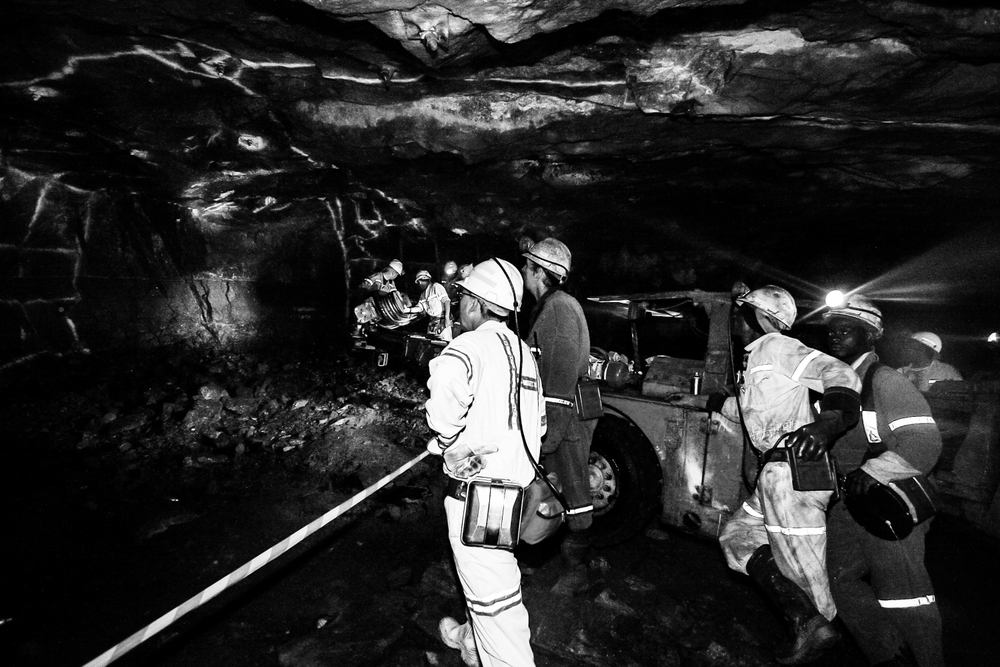
For nine days, rescuers searching a flooded tunnel in Nepal had been given no reason to believe anyone was still alive inside. The Trishuli 3A hydropower site had been devastated after a glacier-linked flood sent water, rock and mud through the valley, leaving hundreds of workers missing across several hydropower projects. Then, on the morning of September 4, the rescue crews stopped and listened. From somewhere inside the darkness came the sound they had been waiting for. Men were alive.
Contents
show
The breakthrough came after Kabir Maharjan, 45, and Sanjay Sah, 30, had spent nine days underground in conditions that offered almost no obvious route to safety. Maharjan had warned his wife before entering the tunnel that there would be no network inside. Sah had stayed behind long enough to help evacuate other workers. Neither man knew when help would arrive. By the time rescuers finally heard them, the two had found shelter in a raised section of the tunnel roughly 160 meters from the exit.
The Flood Turned A Hydropower Site Into A Death Trap
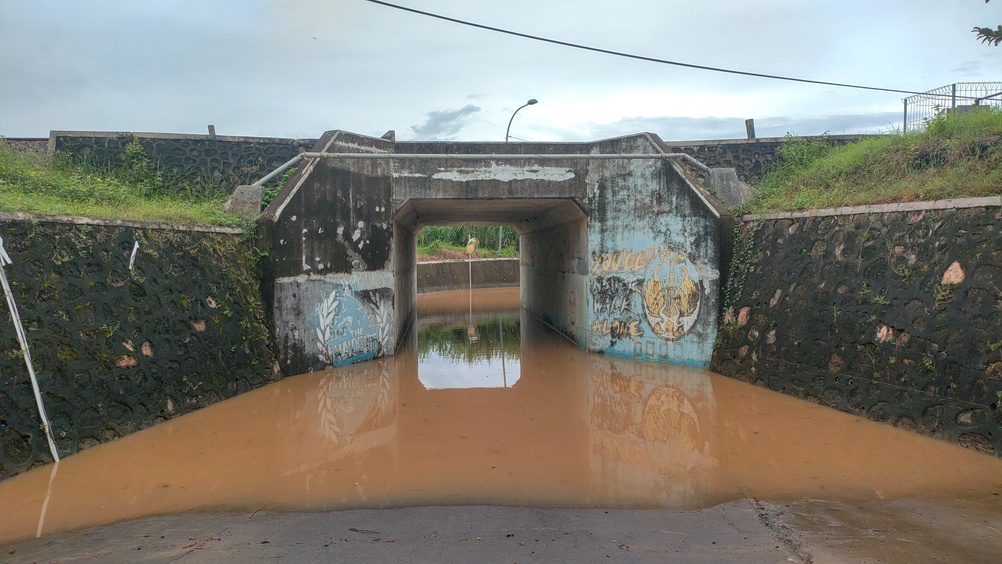
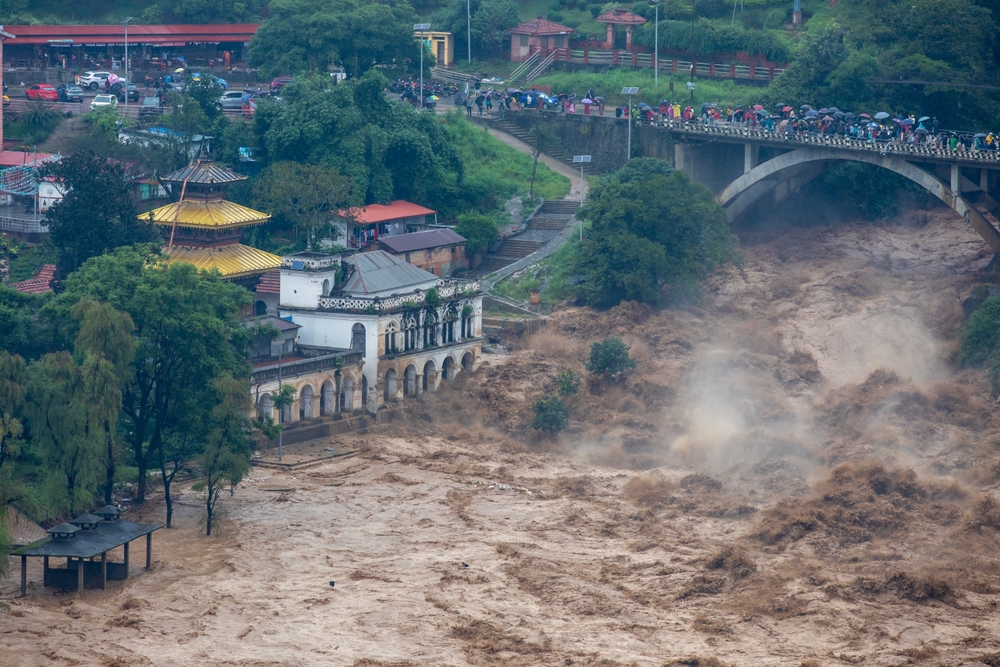
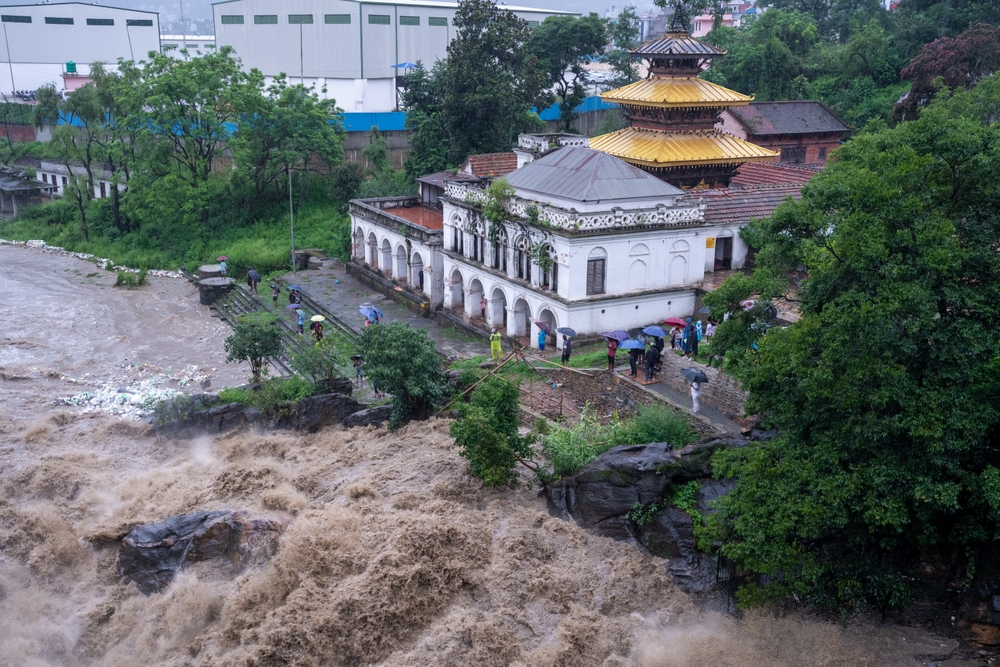
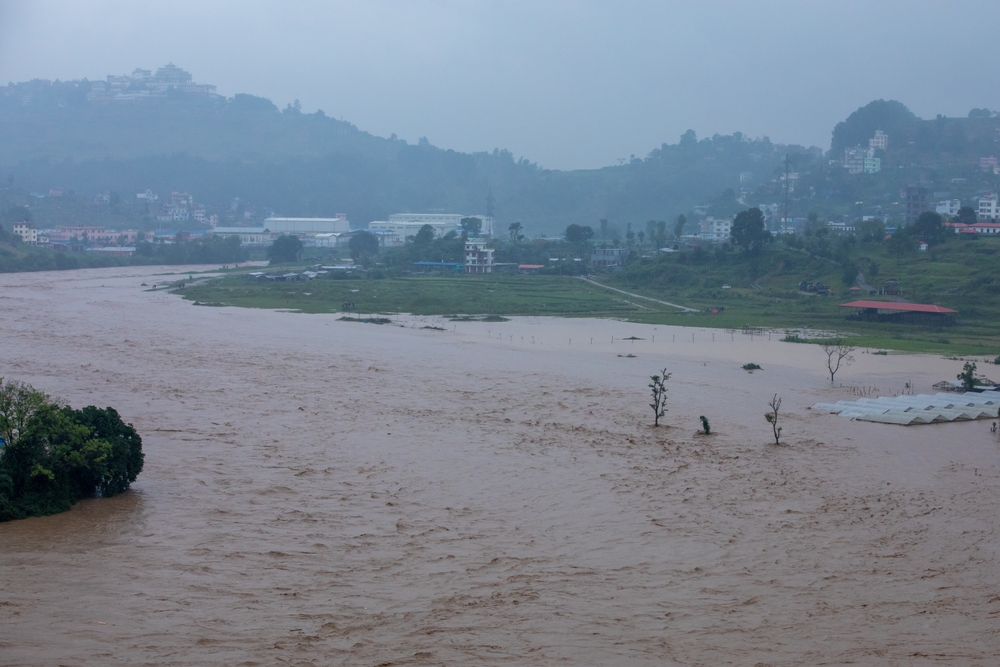
The disaster began on August 26 on the Nepal side of the border with Tibet, when a partial glacier collapse triggered a destructive cascade through the Himalayan valleys. Water, rock and mud surged toward the Trishuli River and the hydropower projects operating along it. At Trishuli 3A, workers were ordered to evacuate at 9:15 a.m., but the speed and scale of the flooding left many people with little chance to escape. The disaster eventually affected 12 hydropower projects, with hundreds of workers reported missing or trapped inside tunnels.
At Trishuli 3A, around 115 workers were believed to be somewhere inside the main tunnel. Across the wider disaster area, roughly 900 hydropower workers were unaccounted for, while the reported death toll had climbed into the thousands. The flooded workings became especially difficult to search because the river had been redirected over parts of the tunnel system, while huge boulders and thick mud blocked potential access points. Every hour that passed made the chances of finding survivors harder to judge.
For Sah, the evacuation began inside the control room, where far more people than usual had gathered. He estimated that between 40 and 45 workers were there when the water arrived, compared with the four to six people normally present. Sah warned them about the accident and urged everyone to run. “My responsibility was to save everyone’s lives,” he said. “When there was such a big accident, it was not right for me to run away.”
Sah succeeded in getting the others out, but he did not escape himself. “I made sure to evacuate everyone else, but I didn’t get the chance to escape myself,” he later said from his hospital bed. Somewhere inside the flooded tunnel, he would eventually be joined by Maharjan, beginning a nine-day wait that neither man could have known would end with rescuers hearing their voices.
Two Workers Found A Way To Stay Alive
Maharjan had entered the tunnel knowing that his wife would not be able to contact him. Before going inside, he told Hira Shova, “I have to go inside the tunnel. There won’t be any network inside.” What followed was nine days of complete uncertainty for his family. Shova watched reports and photographs showing the devastation and eventually began to believe her husband could not have survived.
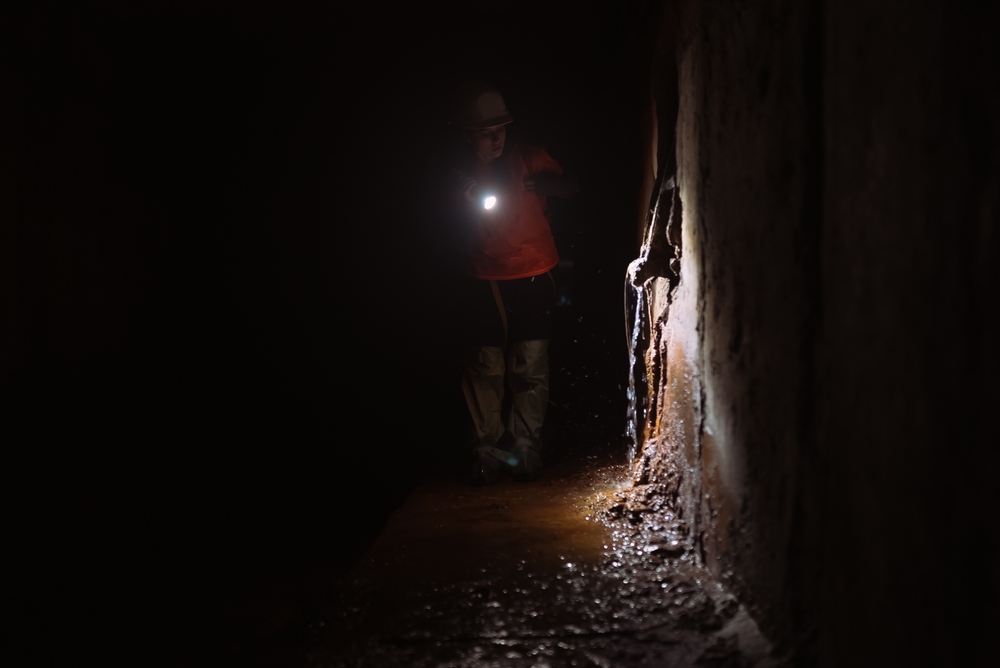
Inside the tunnel, Maharjan and Sah reached a shorter cable duct that sloped upward and was less exposed to the floodwater. The location was around 160 meters from the exit and provided a small area above the worst of the water. Tunnel engineer Shri Ram Neupane later described it as an air-filled chamber, giving the men a place where they could remain sheltered while the search outside continued.
The conditions were brutal. Maharjan reportedly drifted in and out of consciousness while lying in muddy water and survived by drinking the same muddy water around him. Sah turned to prayer as the hours stretched into days. “I was chanting mantras to give myself hope,” he said, while also maintaining contact with three or four other workers somewhere farther inside the tunnel.
Their survival depended on circumstances that could easily have gone the other way. The raised section gave them some protection from the flood, while the available air allowed them to remain alive underground. Yet they had no way of knowing how long the water would remain around them or whether rescuers would ever be able to reach their position.
Rescuers Kept Searching Despite The Silence
The search was complicated by the sheer amount of material pushed into the tunnel. The flood had carried enormous boulders into the workings and filled sections with mud, while the river itself had moved over the underground structure. Arnold Dix, a tunnelling specialist advising the rescue, warned against treating the lack of sound as proof that everyone inside had died.
Dix had worked on another major tunnel rescue in India in 2023, when 41 workers were brought out alive after 17 days underground. At Trishuli 3A, he argued that the tunnel could still contain places capable of protecting people from the destruction above. “It’s an engineered environment: sheltered from weather, comparatively thermally stable, and potentially capable of preserving breathable air and survivable refuge after everything above has been devastated,” he said.
For days, however, the search teams received no clear response. That silence placed enormous pressure on the operation because families were waiting for news while rescuers had to work around unstable and flooded sections. Dix repeatedly stressed that the absence of a signal could not be treated as confirmation of death. “Silence is not evidence of death,” he said. “It is only the absence of a signal.”
That distinction became crucial on September 4. Searchers working around the tunnel mouth suddenly heard men’s voices coming from inside. Ganga Baral, who was leading the rescue team, shouted toward the darkness: “Where are you? Are you there?” This time, there was an answer.
The Words From Inside Changed Everything
The response was simple and unmistakable. Someone inside told the rescuers, “We are here.” The rescue team then confirmed that more than one person could be heard. After days of silence, the sound of human voices provided the clearest evidence yet that survivors could still be reached.
Shri Ram Neupane described the exchange with the trapped workers. “It has been confirmed that more than one person’s voice has been heard from inside,” he said. When rescuers told those inside not to panic and assured them they were being rescued, a response of “yes” came back. The operation immediately shifted from searching for a possible survivor to extracting people who were confirmed to be alive.
Sagar Dhakal, who was running the rescue operation, watched as the first man squeezed through a small muddy opening. “I couldn’t hold my tears,” he said. Rescuers pulled the survivor clear, helped him to his feet and carried him toward a waiting helicopter. Sah, the same worker who had stayed behind to get others out during the initial emergency, had survived nine days underground.
The second survivor was Maharjan. Both men were airlifted to a military hospital in Kathmandu for treatment. The images from the rescue showed workers celebrating as the men emerged, a stark contrast to the grim scenes that had surrounded the operation since the flood struck.
Maharjan’s Family Had Almost Given Up
The rescue was especially overwhelming for Maharjan’s wife, who had spent nine days without knowing whether her husband was alive. Hira Shova had seen photographs of the destruction and reached a point where she believed there was no realistic possibility of seeing him again. She later described the emotional toll of those days in stark terms.
“Deep down in my heart, a terrible hopelessness was setting in,” Shova said. That hopelessness was replaced when she reached her husband’s hospital bedside. Yet the reunion was not immediately the moment she had imagined. Maharjan looked at her without recognising her and asked, “Where am I?”
His condition reflected the ordeal he had just survived. After nine days in darkness, surrounded by muddy water and cut off from the outside world, he had emerged into a hospital environment surrounded by people and light. His brother Amir struggled to describe what the family was experiencing. “I can’t explain what we are feeling at the moment,” he said. “We are just grateful to God.”
For Shova, there was one sentence that captured the moment better than anything else. “He is blessed with another life.” The man who had disappeared into the tunnel after telling her there would be no network had come back alive, even after his family had begun preparing themselves for the worst.
Two Survivors Gave The Search A New Reason To Continue
The rescue of Sah and Maharjan did more than bring two men back to their families. It changed what rescuers knew was possible inside the damaged tunnel. For nine days, the operation had been forced to work without confirmation that anyone could survive in the conditions. Now there were two living examples directly in front of them.
“We’ve found two people alive, so that gives us hope,” Dix said. “We now have proof that people can survive this long.” That evidence gave the search teams a reason to continue working through the flooded and obstructed sections rather than treating the absence of communication as an answer.
One of the rescued men also reportedly told rescuers that other workers could still be alive deeper inside. Army spokesperson Brig. Gen. Raja Ram Basnet said the information was part of the continuing rescue effort. Communication minister Bikram Timilsina also said the operation was waiting for more people to be brought out.
The search therefore continued after the two men were flown to safety. Crews returned to the tunnel entrance, facing the same mud, water and enormous obstacles that had slowed the operation for days. But now they had something they had lacked before September 4: proof that a voice from inside the mountain could mean someone was still waiting to be found.
The tunnel had been silent for nine days. Then two men answered.
For the families still waiting, the search could now continue with a different question: not whether survival was possible, but whether another voice might answer from the darkness.