
Your cart is currently empty!
Scientists Found The Secret To T Rex’s Survival Hidden Inside A Fossil Tooth
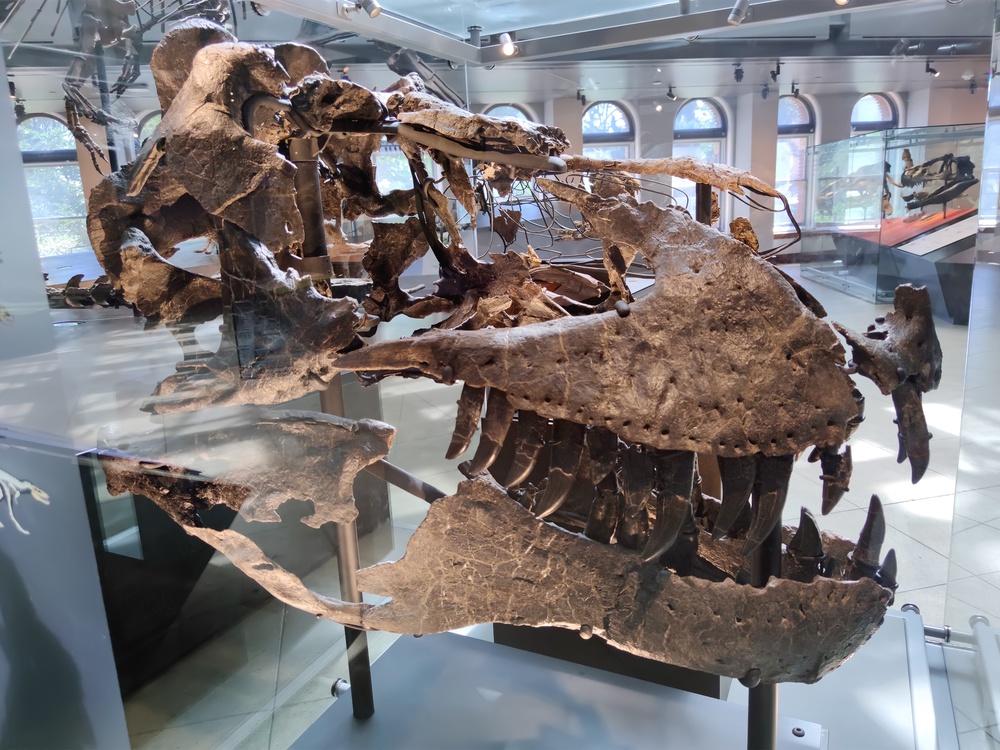
For nearly 60 years, scientists have debated whether Tyrannosaurus rex was a sluggish reptile that relied on its surroundings for heat or a powerful predator capable of generating its own energy. Now, a tiny piece of fossilized tooth enamel has revealed a surprising answer about one of Earth’s most famous creatures.
Contents
show
Researchers have found that T. rex likely had a body temperature of around 97 degrees Fahrenheit, or 36 degrees Celsius. That puts the prehistoric predator close to humans and far above the temperatures expected from most modern reptiles.
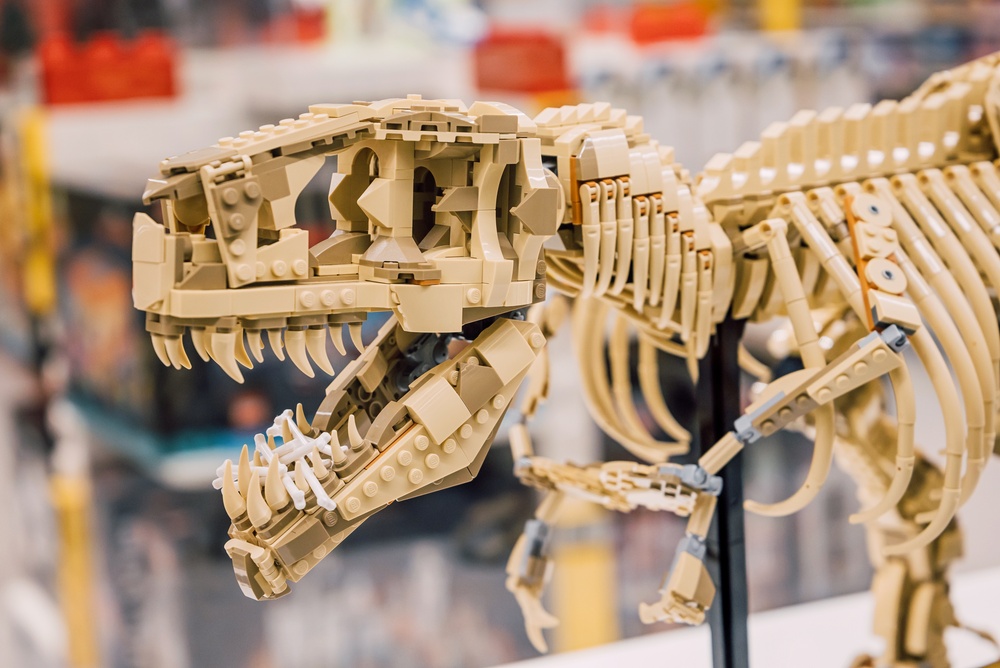
The T Rex Temperature Mystery Has Finally Been Measured
The question of whether dinosaurs were warm-blooded has shaped paleontology for decades. While scientists had collected evidence suggesting T. rex had a high metabolism, they previously lacked a direct measurement of its internal temperature.
A fossilized T. rex footprint discovered in Alaska in 2022 added another clue. The discovery suggested these giant predators could survive in colder environments where many cold-blooded animals would have struggled. The new research provides a much clearer picture of how they managed it.
Scientists analyzed fossilized teeth from Thomas the T. rex, an approximately 70% complete skeleton housed at the Natural History Museum of Los Angeles County. The results showed that the dinosaur’s body temperature was around 97 degrees Fahrenheit, making it far warmer than modern reptiles.
“It’s probably the most direct and least complicated constraint on the actual body temperature of a T. rex that’s been possible before,” said study coauthor Robert Eagle, a geobiologist and associate professor at the University of California, Los Angeles.
The finding suggests T. rex was not simply a massive reptile waiting for sunlight to warm its body. It was an active predator with an internal system capable of supporting a demanding lifestyle.

Scientists Used T Rex Teeth As A Prehistoric Thermometer
The research team developed a method that allowed them to read temperature clues preserved inside fossilized tooth enamel. The process relies on chemical bonds between different forms of carbon and oxygen trapped within the teeth.
When tooth enamel forms, the arrangement of certain isotopes depends on the temperature of the animal’s body. Scientists can analyze those patterns today to estimate the conditions that existed when the tooth developed.
The technique required only a few milligrams of material, which allowed researchers to study valuable fossils without removing large sections. That small sample size was crucial because dinosaur fossils are often considered irreplaceable.
“Nobody can measure a T. rex tooth unless you can show them you only need a few milligrams,” said senior study author Aradhna Tripati, a climate scientist and professor of geochemistry at UCLA.
The method has also been used on other extinct animals, including woolly mammoths, megalodons and other dinosaurs. However, applying it to T. rex provided one of the clearest looks yet at how the famous predator functioned.
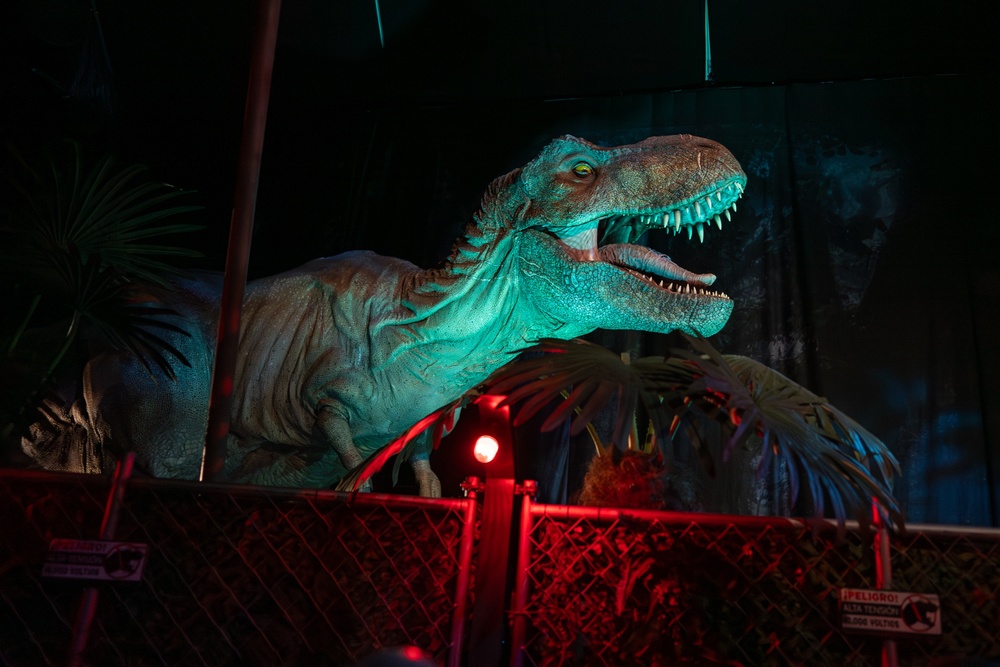
A Warm Blooded T Rex Was A Very Different Predator
A body temperature of 97 degrees Fahrenheit changes how scientists understand the way T. rex lived. Modern cold-blooded reptiles often depend on external heat sources, while warm-blooded animals can maintain activity even when their surroundings change.
The researchers found that T. rex was warmer than typical reptiles but cooler than many modern birds. That position fits with what scientists know about the evolutionary connection between dinosaurs and birds.
A higher internal temperature could have allowed T. rex to remain active for longer periods. Instead of relying only on short bursts of movement, the predator may have been able to maintain energy during extended hunting and travel.
“I don’t think T. rex is thought to be a particularly fast sprinter, but the implications of this are maybe that it could maintain an energetic performance over longer periods, probably, than a cold-blooded organism would be able to,” Eagle said.
The discovery also helps explain why T. rex could live across a wide range of environments. A warm body would have given the dinosaur an advantage in colder regions where many reptiles could not thrive.
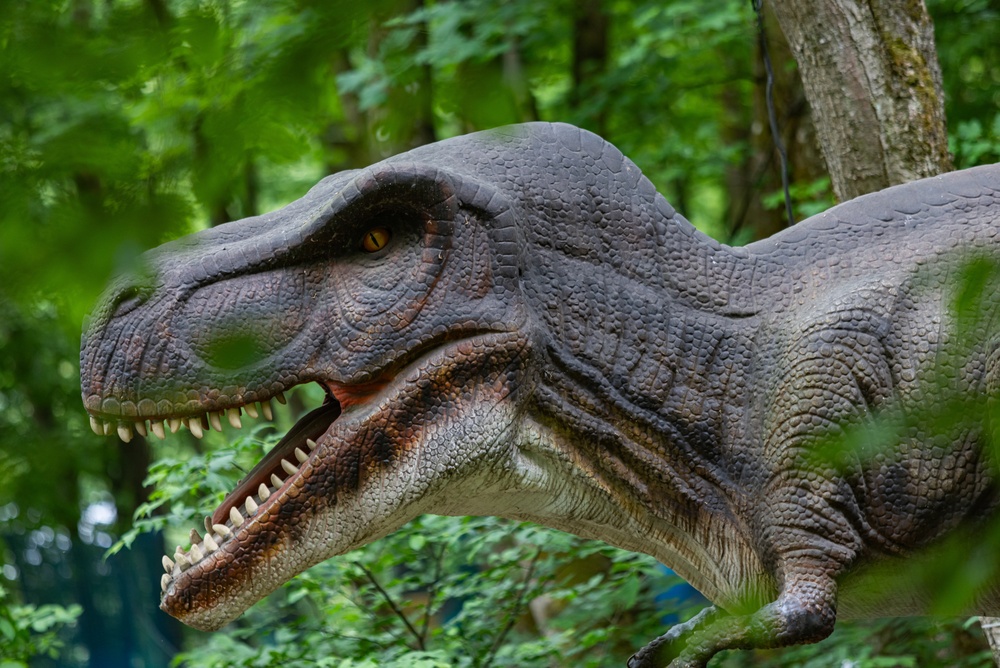
The Discovery Changes What Scientists Know About Dinosaurs
The debate over dinosaur metabolism began soon after dinosaurs were first identified by scientists. For generations, researchers have searched for clues showing whether these animals behaved more like reptiles or modern birds.
Previous studies relied on evidence from bones, growth patterns and movement patterns. The new tooth analysis provides another independent method for studying dinosaur biology.
“We have wondered about whether dinosaurs were warm-blooded or not literally since the first time dinosaurs got their name,” said vertebrate paleontologist Thomas Holtz Jr.
Holtz, who was not involved in the research, said comparing T. rex temperatures with other animals from the same period gives researchers more confidence in the results.
Future studies could examine other famous dinosaurs to see whether they shared similar traits. Scientists are especially interested in species with different body shapes and lifestyles.
Researchers may next investigate:
- Triceratops: Its large body and different lifestyle could reveal whether plant-eating dinosaurs also maintained high temperatures.
- Stegosaurus: Its unique plates and smaller brain raise questions about how it managed energy use.
- Brachiosaurus: Its enormous size could provide clues about heat regulation in giant dinosaurs.
T Rex Could Have Survived Across Ancient North America
The new temperature estimate also gives scientists a better understanding of where T. rex could live. Researchers used climate models to compare the dinosaur’s internal temperature with conditions across North America during the late Cretaceous period.
The results suggested that T. rex could have occupied a huge territory, ranging from areas similar to modern Mexico all the way to ancient Arctic regions.
“What the teeth tell us is that T. rex was warmer than the environment around it,” Tripati said.
That ability would have separated T. rex from many other large reptiles. Instead of depending on warm climates, the predator could maintain its own internal heat and remain active in challenging conditions.
The discovery adds another layer to the image of T. rex as one of history’s most successful predators. Its size, powerful bite and hunting ability were already impressive, but its metabolism may have been one of its greatest advantages.
One Fossil Tooth Has Rewritten The T Rex Story
The latest research does not just answer a question about dinosaur temperature. It changes the way scientists imagine a creature that ruled Earth millions of years ago.
A T. rex with a human-like body temperature would have been faster, more adaptable and more energetic than the traditional image of a giant reptile suggests.
The tiny clues hidden inside fossilized teeth are helping scientists rebuild the world of the dinosaurs piece by piece.
The next major discovery may come from another fossil that has been sitting unnoticed for millions of years.