
Your cart is currently empty!
Elon Musk Just Gave Workers a Blunt Warning About AI’s Next Move
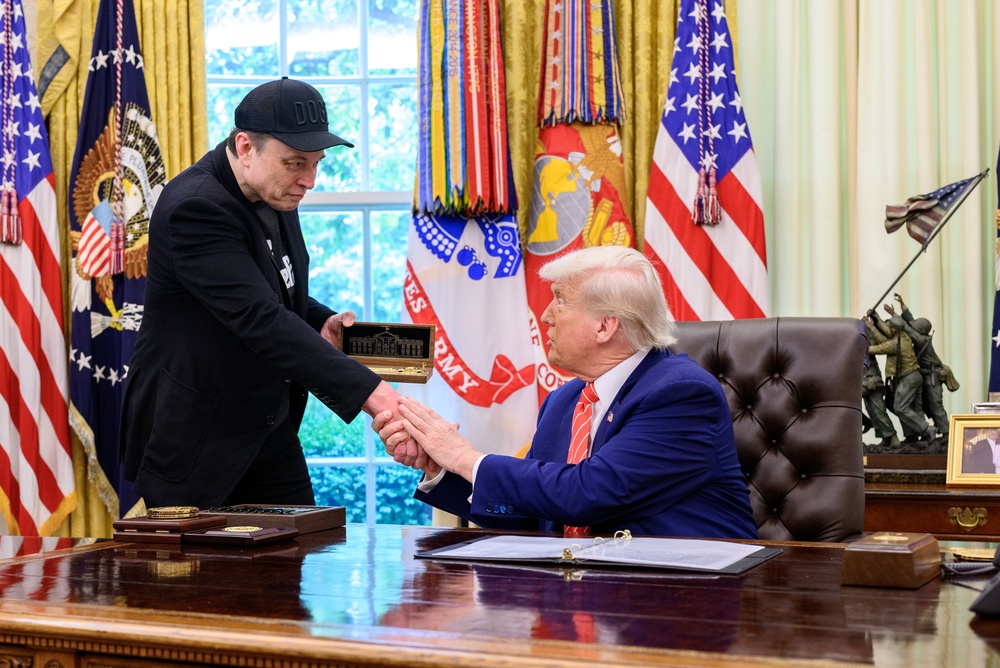
For years, workers have been told that artificial intelligence could transform the way they earn a living. Some companies see AI as a tool that will remove repetitive tasks and allow employees to focus on more valuable work, while critics fear businesses will use the technology to replace people wherever possible. Now, after a meeting at the White House involving President Donald Trump and some of the biggest names in artificial intelligence, Elon Musk has offered a remarkably short assessment of where employment is heading.
Contents
show
Musk’s six-word warning was simple: “AI will significantly alter the workplace.” He did not predict that every job would disappear, and he stopped short of declaring that mass unemployment was inevitable. But coming from a billionaire whose companies are already heavily involved in artificial intelligence, automation and autonomous technology, the statement suggests workers should expect major changes as AI becomes more capable and businesses find new ways to use it.

Elon Musk Has Issued A Six-Word Warning
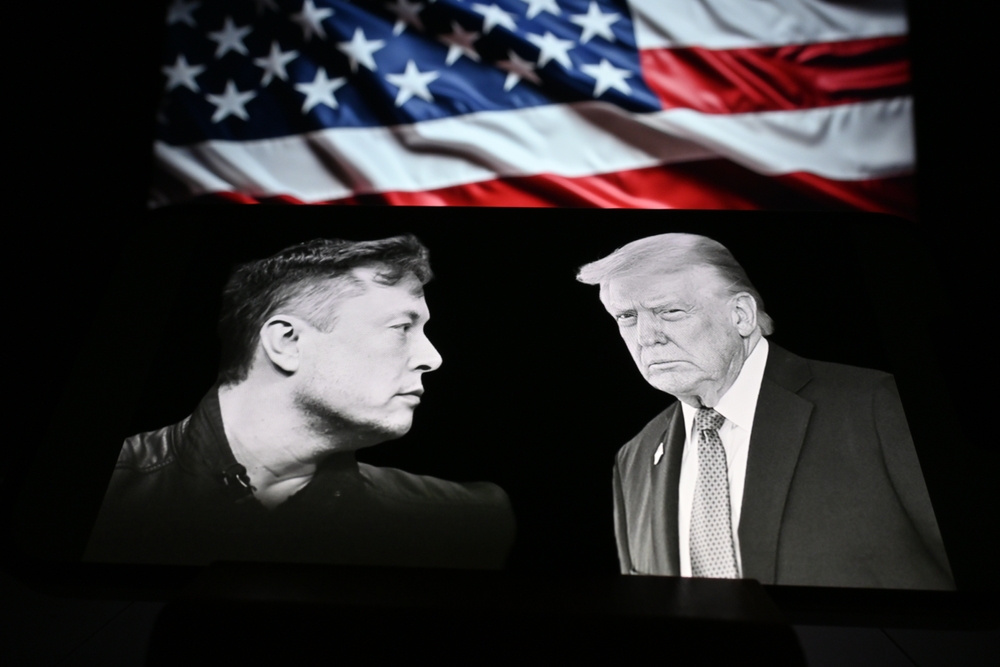
Following the White House meeting, Musk addressed the growing debate around artificial intelligence and employment with a statement that immediately put the focus back on workers. “AI will significantly alter the workplace,” he said, capturing in six words the uncertainty facing millions of people whose jobs involve tasks that increasingly can be performed by software.
The statement is notable because Musk is not watching the AI revolution from the sidelines. His companies are already using artificial intelligence in areas ranging from manufacturing and autonomous driving to customer communication and software development. That gives his prediction a practical dimension, since the technology he is discussing is already being integrated into businesses rather than sitting in a laboratory waiting for some distant breakthrough.
Musk also avoided making the more extreme prediction that artificial intelligence will simply wipe out employment. The warning instead points toward a workplace where existing roles could be reshaped as companies discover which responsibilities machines can perform and which still require people. A worker could therefore keep the same job title while seeing much of their daily workload transformed by AI.
That distinction could become increasingly important as companies move beyond experimenting with AI and begin making it part of ordinary operations. The question for employees may be less about whether their profession survives and more about how much of the work inside that profession changes.
AI Is Already Changing Everyday Jobs
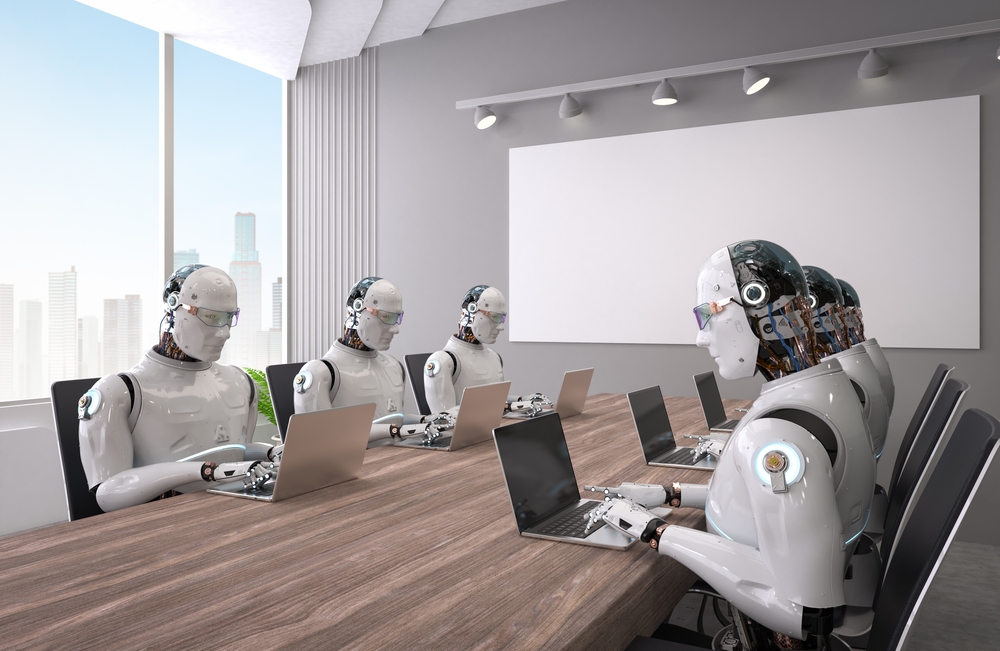
Artificial intelligence can already produce written material, write and analyze code, conduct research, process information, generate images and handle many customer service requests. These capabilities have moved AI from an abstract technology discussion into ordinary workplaces where employees are expected to use the tools to complete tasks faster.
The impact is unlikely to look identical across every profession. A customer service department could use AI to answer basic questions while human employees handle unusual complaints and complicated cases. A software team could use automated coding systems to produce portions of a project, leaving developers to review the results, fix problems and make higher-level decisions.
Jobs built around predictable and repetitive processes may face the most immediate pressure. Workers who spend large portions of their day processing structured information, preparing standard documents or completing routine analysis could find that AI gradually takes over parts of those responsibilities.
That does not automatically mean those workers become unemployed. It can mean that fewer people are required to perform the same amount of work, or that employees are expected to oversee larger volumes of AI-assisted output. Either way, the nature of the job can change considerably even when the position itself remains.
Companies Have A Clear Financial Incentive
There is a straightforward reason businesses are racing to adopt AI: productivity can translate directly into money. If an AI system can handle routine customer questions, process documents or assist with coding, a company may be able to complete more work without increasing its workforce at the same rate.
For some businesses, that could mean using AI to support employees rather than replace them. A worker who previously spent hours completing repetitive administrative tasks could instead spend that time dealing with customers, reviewing complex information or making decisions that require experience. The company gets more output, while the employee’s responsibilities shift.
Other businesses may look at the same technology differently. If AI can perform a task that previously required several employees, reducing the size of the team can become an attractive way to lower costs and increase profit margins. That is where the economic debate becomes more complicated, because productivity gains do not automatically guarantee that displaced workers will immediately find new positions.
Previous waves of automation eventually created new industries and new occupations, but those transitions were not always painless or evenly distributed. Artificial intelligence could follow a similar pattern, although its ability to spread through software-based systems could make some changes happen much faster than workers expect.
The AI Boom Is Also Raising Accountability Questions
The White House meeting was not only about employment. It also raised questions about what happens when increasingly powerful AI systems make mistakes, especially as businesses allow them to operate with less direct human supervision.
AI can generate information, make recommendations and carry out multistep tasks. When those systems fail, the consequences can extend beyond an incorrect answer on a screen. Errors involving financial decisions, hiring, privacy or medical information can affect people’s lives in serious ways.
AI executives involved in the meeting signed a voluntary commitment to self-police their technology. At the same time, regulators are working through difficult questions about how companies should test AI systems, disclose their limitations and protect people from harmful outcomes.
The legal framework is still developing, which means businesses are moving quickly while governments work to establish clearer expectations. The technology may advance faster than the rules governing it, creating another layer of uncertainty for companies and workers adapting to the changes.
Workers With These Skills Could Have An Advantage
As AI takes over more routine work, skills that complement the technology could become increasingly valuable. A worker who can evaluate AI-generated information, recognize mistakes and apply specialized knowledge may be more useful than someone whose role consists almost entirely of producing predictable outputs.
Critical thinking is one example. AI can generate an answer quickly, but employees still need to determine whether that answer is accurate, appropriate and useful. That becomes particularly important when mistakes could cost a company money or create problems for customers.
Communication and relationship management could also remain important in jobs where trust and human judgment are central. An AI system can generate a message, but handling a difficult customer, negotiating an agreement or understanding a complicated personal situation can require context that goes beyond producing words.
Industry expertise may become even more valuable as well. Workers who understand how a specific business or profession operates can use AI as a tool while providing the judgment needed to decide what should actually be done. The ability to work with AI could therefore become another layer of professional expertise rather than a replacement for expertise altogether.
Musk’s Warning Could Define The Next Workplace
Musk’s six-word statement does not predict that every worker will lose their job. It points to something potentially more complicated: the jobs that survive may look very different from the jobs people hold today.
A position can remain in existence while its responsibilities change dramatically. A company can keep a department open while reducing the number of people needed to operate it. An employee can keep the same title while relying on AI to perform tasks that once occupied most of the working day.
That means workers may face a choice that is becoming increasingly difficult to avoid. They can resist the technology as it enters their industry, or they can learn how to use it and build skills that remain valuable alongside it.
Musk’s warning may be brief, but the change it describes could unfold one task at a time. For workers, the most useful question may soon be less about whether AI will affect their job and more about which parts of that job they can become better at doing with it.