
Your cart is currently empty!
New York Declares Measles Emergency as Outbreak Spreads Across Rural Communities
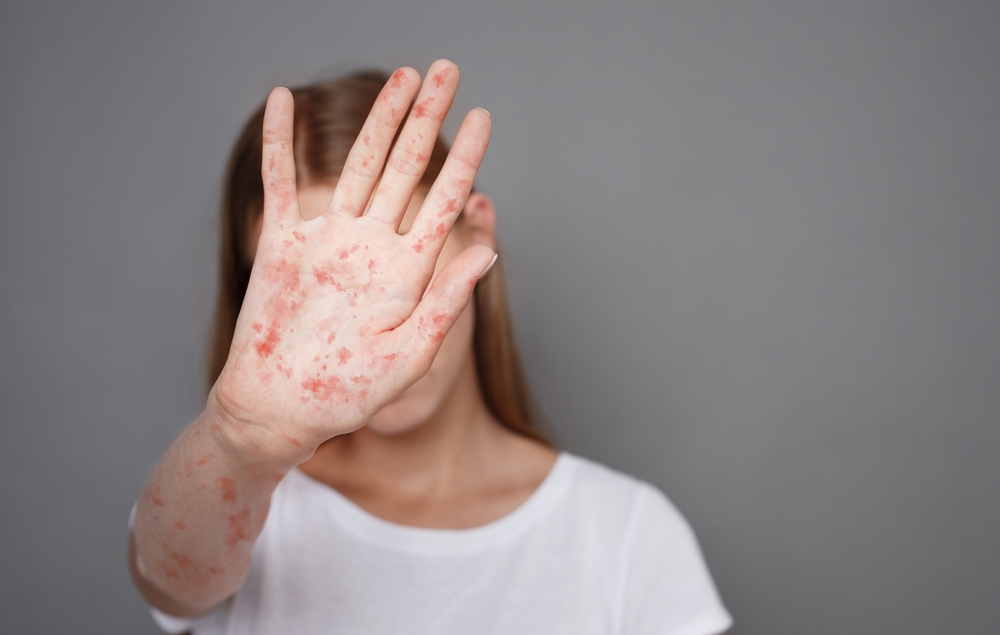
New York has declared a state disaster emergency after measles cases surged across under-immunized rural communities, prompting officials to expand who can administer vaccines and test for the highly contagious virus. The move comes as health authorities confront a growing number of infections across the state and a wider national resurgence that has pushed the year’s reported U.S. cases into the thousands.
Contents
show
Since mid-July, 92 cases have been reported across 18 counties, with Otsego County in Central New York recording more infections than any other county in the state. The emergency declaration gives officials additional tools to respond while vaccination coverage remains below previous levels and neighboring Pennsylvania deals with its largest measles outbreak in decades.
Gov. Hochul Declares A State Disaster Emergency
Gov. Kathy Hochul announced the emergency declaration after reviewing the latest measles data from across New York. The order gives state officials additional authority to strengthen vaccination access, testing and disease investigations, particularly in rural communities where lower immunization rates can allow a highly contagious virus to spread more easily.
“After reviewing the latest data on measles cases in New York State, I am declaring a State Disaster Emergency to strengthen our ongoing efforts to confront this disease,” Hochul said in a statement. She said the emergency measures will increase the number of health professionals who can vaccinate and test residents while providing additional support to local organizations responding to the outbreak.
“No one should get seriously ill or die from a vaccine-preventable disease,” Hochul said. “That is why I have taken steps to increase the number of health professionals who can vaccinate and test.” The state is also providing epidemiological assistance, contact tracing and faster laboratory testing as officials work to identify infections and limit further transmission.
92 Cases Have Been Reported Across 18 Counties
Since mid-July, 92 measles cases have been reported across 18 New York counties, with infections concentrated in under-immunized rural communities. Otsego County in Central New York has recorded the highest number of cases in the state, with 20 infections reported since January according to the data cited in the supplied reference.
The numbers have prompted state officials to increase resources for local health departments and make vaccination and testing available through a broader group of health professionals. By expanding who can administer vaccines and order testing, New York is attempting to give communities more options for responding quickly when new cases are identified.
New Rules Expand Who Can Give Vaccines
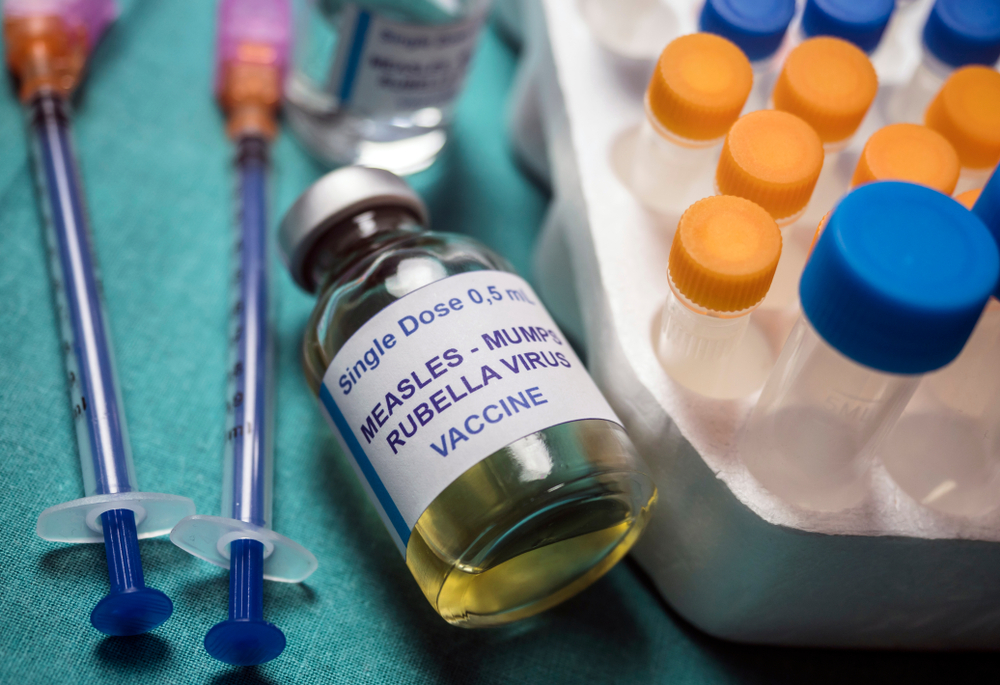
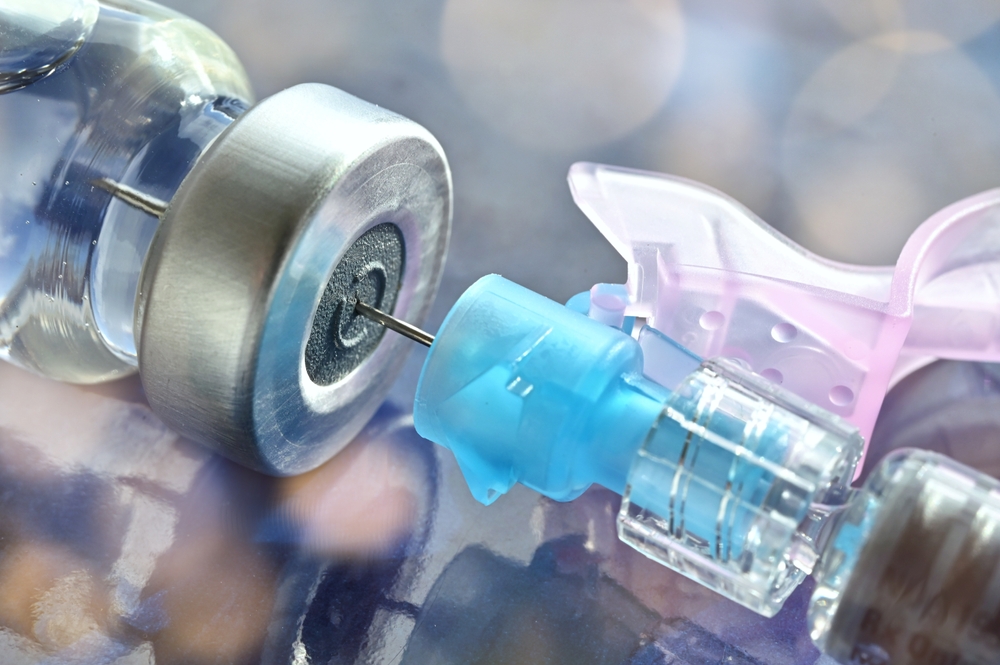
The executive order expands the group of professionals who can administer the measles, mumps and rubella vaccine. Physicians remain part of the vaccination effort, while paramedics, advanced EMS providers, pharmacists and midwives will now also be included under the emergency measures, allowing more health professionals to participate in the response.
The expanded group includes:
- Paramedics: Emergency medical professionals can administer the MMR vaccine under the emergency measures, increasing the number of healthcare workers available to provide protection.
- Advanced EMS providers: Additional emergency medical personnel can participate in vaccination efforts, giving local communities another source of access during the outbreak.
- Pharmacists: Pharmacists are included among the professionals permitted to administer MMR vaccines, which could make vaccination easier to access in communities with limited healthcare resources.
- Midwives: Midwives can also administer the vaccine as part of New York’s expanded emergency response, adding another group of trained healthcare professionals.
- Nurses: Nurses will be allowed to order measles testing, according to state officials, helping health departments respond more quickly when infections are suspected.
New York is also providing epidemiological support to investigate measles cases, conduct contact tracing and expedite laboratory testing. Those measures are intended to help officials identify infections sooner, determine who may have been exposed and give local health departments the information needed to contain additional spread.
Why Measles Can Spread So Quickly
Measles is highly contagious and can spread through the air when an infected person coughs, sneezes or talks. According to the supplied reference, an unvaccinated person can remain at risk for up to two hours after someone with measles has left a room or other shared airspace, making the virus especially difficult to contain once transmission begins.
That ability to spread through shared airspace means people may be exposed without having direct physical contact with someone who is infected. In communities where vaccination coverage is lower, a single infection can therefore create additional opportunities for transmission, particularly in homes, schools, healthcare facilities and other places where people spend time indoors.
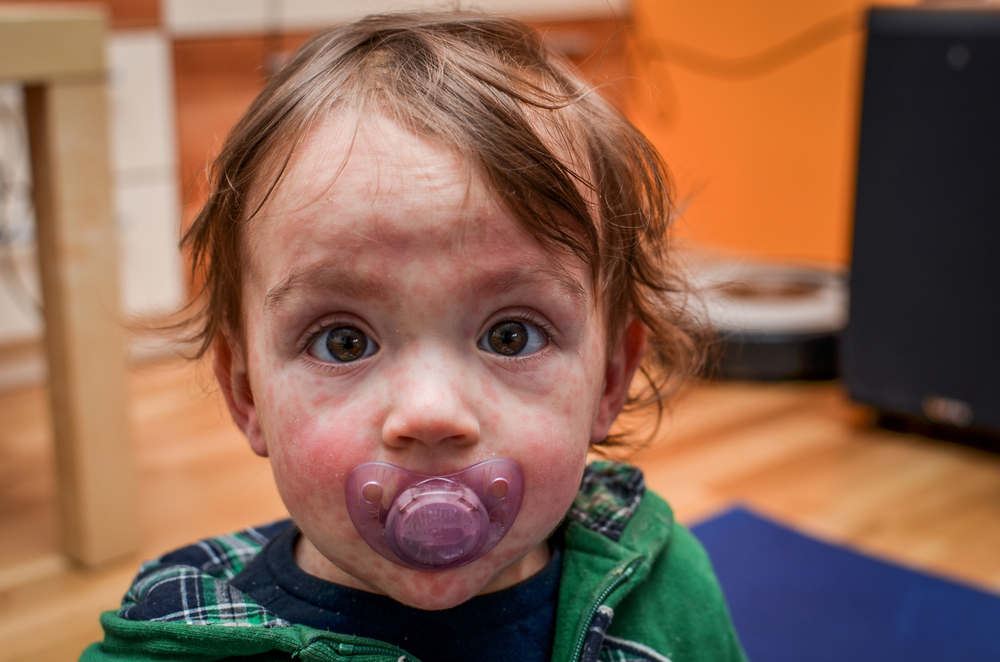
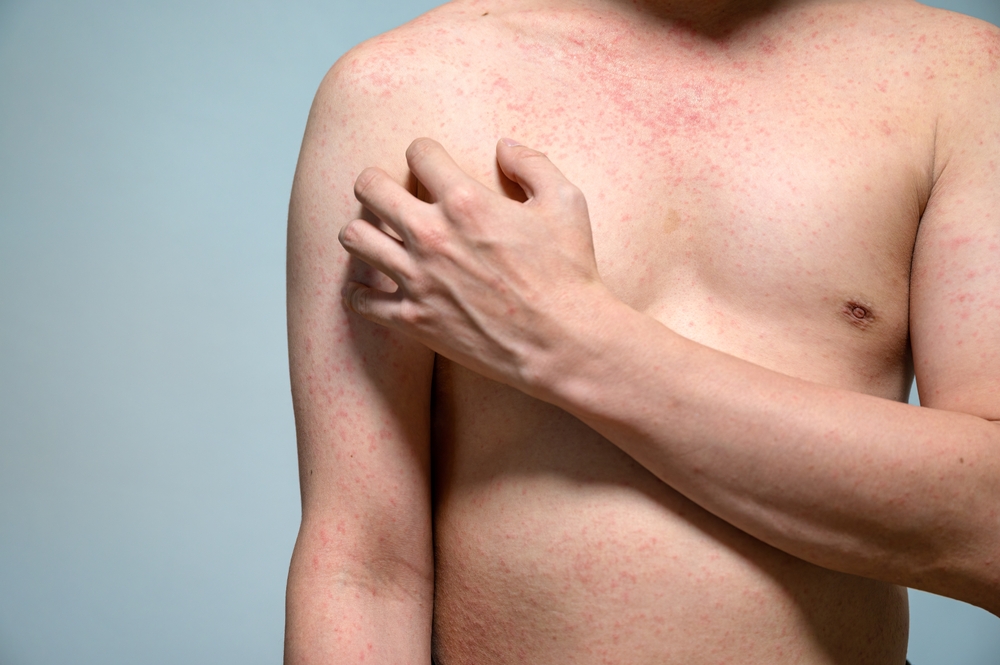
The illness can initially resemble an ordinary respiratory infection, which can make the earliest symptoms difficult to distinguish from other common illnesses. Early symptoms include fever, a runny nose, cough and red, watery eyes, followed by the distinctive rash associated with measles.
The rash may appear three to five days after the initial symptoms begin. The supplied reference describes it as flat red spots that can spread across the face, neck, trunk, arms, legs and feet, creating another recognizable sign as the infection progresses.
Severe Measles Can Cause Dangerous Complications
Although measles is vaccine-preventable, the infection can become serious and lead to significant complications. The supplied reference notes that severe cases can progress to pneumonia, brain infection and death, which is why health officials are focused on containing outbreaks before the virus has more opportunities to spread through vulnerable communities.
The risk becomes especially concerning when measles reaches people who are unable to rely on vaccination for protection or who may face greater consequences from infection. Public health officials therefore focus heavily on identifying cases, investigating potential exposures and making vaccination more accessible while an outbreak is active.
New York State Department of Health Commissioner Dr. James McDonald said health officials are working closely with local health departments and regional partners to track and contain the current outbreak. The response includes investigating infections, monitoring people who may have been exposed and working to speed up laboratory testing.
“I appreciate Governor Hochul’s swift action to help address ongoing measles cases,” McDonald said in a statement. He added that Department of Health staff are working with local health departments and regional partners as officials attempt to track infections and prevent additional transmission.
Pennsylvania Is Facing An Even Larger Outbreak
New York’s emergency declaration comes as Pennsylvania is experiencing a much larger measles outbreak. According to the supplied reference, the Keystone State has recorded 1,004 measles cases this year, including 106 new cases during the most recent week cited in the report, making the outbreak the state’s worst since 1991.
The Pennsylvania outbreak has also resulted in five deaths, adding another serious dimension to the growing number of measles infections in the region. Health officials have separately warned about possible measles exposure at Philadelphia International Airport, showing how the virus can raise concerns far beyond the communities where individual cases first appear.
Busy transportation hubs can create additional opportunities for infectious diseases to move between communities because large numbers of people pass through shared indoor spaces. An infected person traveling between states can potentially expose people in another community before health officials have identified the original source of the infection.
The Pennsylvania outbreak adds urgency to New York’s response because the two states are connected by extensive travel and movement between communities. New York’s immediate challenge is to identify existing cases quickly, trace potential exposures and prevent the current clusters from developing into substantially larger chains of transmission.
The National Case Count Has Climbed Into The Thousands
New York and Pennsylvania are part of a broader national measles surge. As of Thursday, the Centers for Disease Control and Prevention had recorded 3,887 measles cases across the United States since the beginning of the year, according to the supplied reference material.
At the same time, national vaccination coverage among kindergarteners has declined. CDC data cited in the reference shows that 92.4% of kindergarteners received the MMR vaccine during the 2025-2026 school year, compared with 95.2% during the 2019-2020 school year.
That decline has become an important part of the discussion surrounding the current outbreak because measles can spread rapidly when enough people in a community remain unprotected. The lower the vaccination coverage becomes, the more opportunities the virus can have to reach people who have not received recommended protection.
Why Vaccination Coverage Matters
The CDC recommends two doses of the MMR vaccine. According to the supplied reference, the first dose is recommended between 12 and 15 months of age, while the second dose is recommended between 4 and 6 years old.
Dr. McDonald described vaccination as the strongest protection against measles and encouraged residents to follow the recommended schedule. “The measles, mumps, and rubella vaccine is the best protection,” McDonald said, adding that it protects nearly all people who receive the recommended doses.
The decline in vaccination coverage has become increasingly significant as measles outbreaks appear in different parts of the country. New York’s decision to expand access to vaccination is intended to help close some of those gaps while health officials investigate infections that have already been reported.
Officials Blame Falling Vaccination Rates For The Surge
State Sen. Gustavo Rivera linked the rise in measles cases to declining childhood vaccination rates and the spread of misinformation about vaccines. His comments came as New York expanded its response and encouraged residents to make sure they are protected against measles and other vaccine-preventable diseases.
“The concerning rise in measles cases is due to a decrease in childhood vaccines driven by misinformation and is causing a public health emergency,” Rivera said. He also said he supports Hochul’s efforts to expand vaccine access and called on New Yorkers to get vaccinated against measles and the flu.
Rivera also pointed to the greater risk infectious diseases can pose to vulnerable populations. His comments reflect concerns among state officials that declining childhood vaccination coverage can leave communities more exposed when a highly contagious disease begins circulating.
The state’s response is therefore focused on more than treating individual infections. Officials are attempting to increase access to vaccination while strengthening the systems used to identify cases, trace exposures and confirm infections through laboratory testing, giving communities more tools to respond as new cases appear.
Travelers Are Being Urged To Check Their Vaccination Status
The current outbreak also has implications for people traveling within the United States or abroad. The supplied reference states that travelers should plan to be fully vaccinated against measles at least two weeks before departure, particularly when traveling to places where the virus is circulating.
That recommendation becomes especially relevant when people move between communities with different vaccination rates. An infected traveler can carry measles into another population, potentially exposing people before the illness is recognized and creating another chain of transmission.
Because measles can spread through shared airspace, transportation hubs and other crowded indoor locations can become important points of exposure. The warning about Philadelphia International Airport illustrates how an outbreak can create concerns for people who were not part of the community where the initial infections occurred.
For New York officials, expanding vaccination access is therefore one part of a broader effort to limit transmission. Faster testing and contact tracing can also help health departments identify potential cases sooner, allowing officials to respond before additional people are exposed.
New York Is Trying To Get Ahead Of The Outbreak
Hochul’s emergency order gives New York greater flexibility to deploy vaccination providers while strengthening the state’s ability to investigate and test suspected measles cases. The measures are aimed at communities already dealing with infections as well as residents who may need easier access to vaccination during the current outbreak.
The state’s response includes several major steps:
- More vaccination providers: Paramedics, advanced EMS providers, pharmacists and midwives can join physicians in administering MMR vaccines under the emergency measures, expanding the number of professionals available to provide vaccinations.
- Faster testing: Nurses will be allowed to order measles testing, according to state officials, which can expand access to diagnostic services and help health departments identify infections sooner.
- Case investigation: Epidemiological support is being provided to investigate confirmed and suspected measles cases, giving local officials additional resources as they work to determine how infections are spreading.
- Contact tracing: Health officials are working to identify people who may have been exposed so they can respond more quickly to potential infections and limit additional opportunities for transmission.
- Laboratory support: The state is working to expedite laboratory testing as part of its effort to identify cases and contain the outbreak before more infections emerge.
The emergency declaration arrives as measles continues to spread in several parts of the country. New York now has additional resources and a broader group of health professionals available to respond, while officials continue tracking the 92 cases reported across 18 counties.
With nearly 3,900 measles cases already reported nationwide in the figures cited by the CDC, the response will depend heavily on how quickly officials can identify infections and improve protection in communities where vaccination coverage has fallen. For New York, the emergency order puts more health professionals and public health resources into the response while officials work to prevent the current outbreak from becoming significantly larger.