
Your cart is currently empty!
Pennsylvania Measles Cases Reach 890 As Outbreak Continues To Spread
Pennsylvania’s measles outbreak has now reached 890 confirmed cases across 39 counties, with another 55 infections reported in just two days. The outbreak has also resulted in 173 hospitalizations and four measles-associated deaths, according to the Pennsylvania Department of Health.
Contents
show
The rapid rise has made Pennsylvania the center of the country’s current measles resurgence. For people who may have been exposed, one of the most important things to understand is how the illness begins, because the first symptoms can look like an ordinary respiratory infection before the telltale rash appears.
Pennsylvania Reports 55 New Measles Cases
The Pennsylvania Department of Health announced the latest increase on Friday, reporting that 55 new measles cases had been recorded since Wednesday. The new infections pushed the statewide total to 890 cases so far in 2026, with infections confirmed across 39 counties.
Lancaster County has recorded the highest number of cases, with 359 confirmed infections, while Mifflin County has reported 102. State officials said 31% of reported cases have occurred among people younger than 18, showing that children and teenagers have been significantly affected by the outbreak.
The department has also reported 173 hospitalizations and four measles-associated deaths. The latest figures represent a substantial increase from the 393 cases across 28 counties that Pennsylvania officials reported when they confirmed the first two measles-associated deaths earlier in the year.
The outbreak began in late April, and officials have continued to expand vaccination efforts in communities where transmission has occurred. Since then, state health officials say they have administered more than 5,300 MMR vaccinations through 165 pop-up clinics.
Why Officials Are Watching the Outbreak Closely
Measles is one of the most contagious viral diseases, which means infections can spread quickly when the virus enters communities where vaccination coverage is low. Pennsylvania officials said fewer than 1% of reported cases have occurred among people who were vaccinated against measles.
The state has also seen a surge of interest in MMR vaccination as the outbreak has continued. Across Pennsylvania, more than 7,900 MMR vaccine doses have been administered to residents this year, according to the health department.
The department said dozens of additional vaccination clinics are scheduled in the coming weeks and months based on community interest and need. Officials continue to describe full vaccination as the strongest protection against measles.
Pennsylvania health officials state that the two-dose MMR vaccine provides 97% lifetime protection. The current outbreak has also shown how quickly the disease can return when large numbers of susceptible people are exposed to the virus.
The First Symptoms Can Look Like a Common Illness
One of the challenges with measles is that the disease does not necessarily announce itself with an obvious rash at the beginning. The first symptoms can resemble illnesses that people encounter much more frequently, including ordinary respiratory infections.
Pennsylvania health officials say symptoms can begin between seven and 21 days after exposure. The early signs can include fever, cough, a runny nose and red, watery eyes known as conjunctivitis.
The rash usually follows several days later. It typically begins on the head before spreading downward across the body, giving the illness one of its most recognizable characteristics.
The Pennsylvania Department of Health has warned that the early symptoms can resemble other respiratory viral infections. That similarity is one reason people who develop symptoms after a possible exposure should contact a healthcare provider early.
Measles Can Spread Before It Looks Obvious
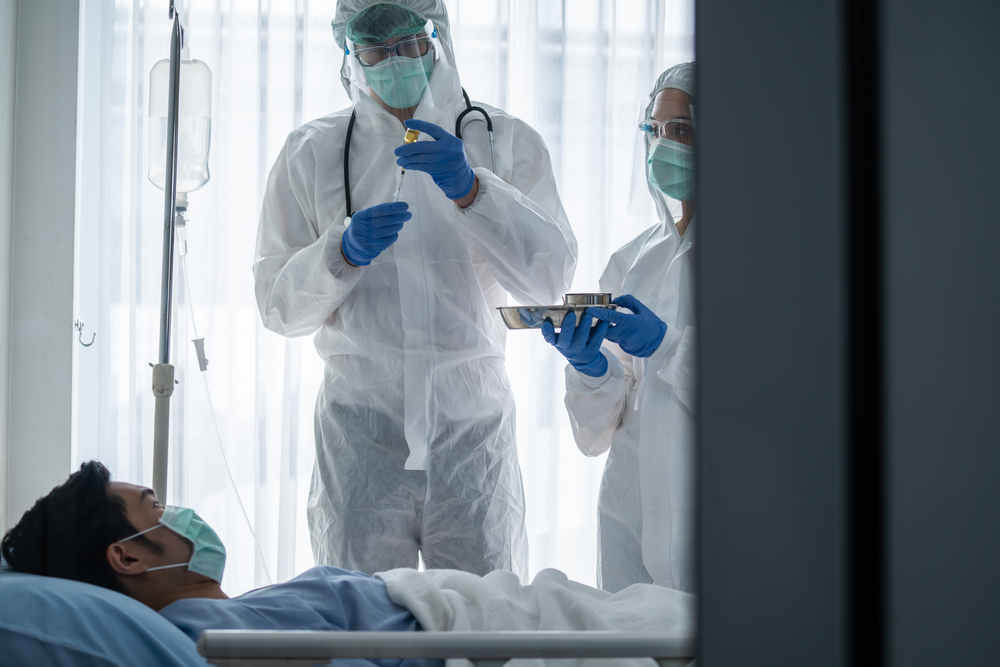
The timing of symptoms is especially important because someone can be infected before the characteristic rash develops. During an active outbreak, a person with what appears to be a routine cough, fever or runny nose may not immediately realize that measles could be responsible.
The virus spreads when an infected person breathes, coughs or sneezes. Pennsylvania health officials say measles can remain infectious in the air and on surfaces for up to two hours after an infected person leaves an area.
That makes measles unusually efficient at spreading through communities. Someone does not need to spend a long period directly beside an infected person for exposure to occur.
The disease can therefore move through schools, households, workplaces, community gatherings and other shared spaces when an infected person is present. This is one reason health officials place such emphasis on vaccination and rapid identification of suspected cases.
What the Measles Rash Looks Like
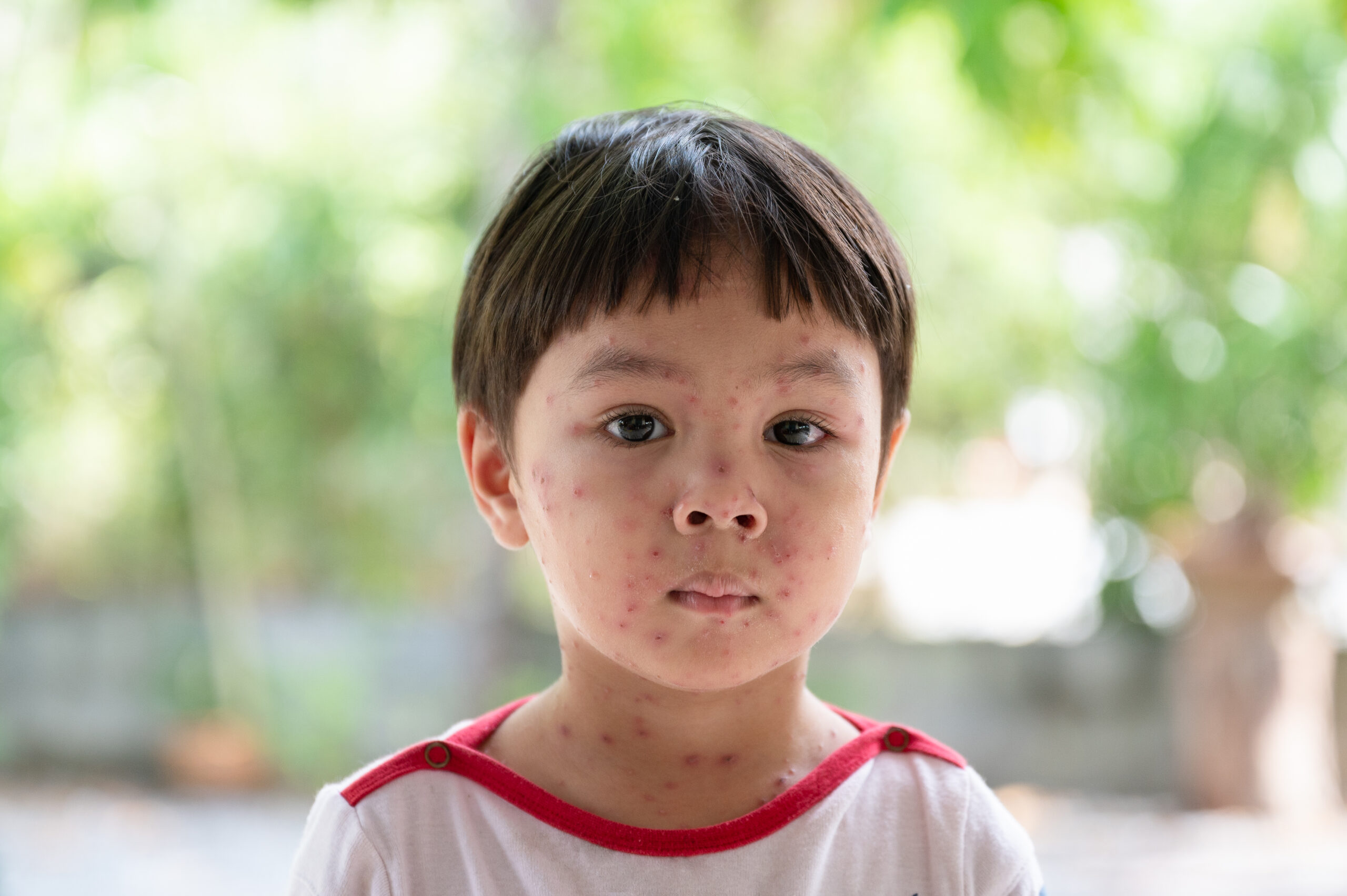
The rash is one of the clearest signs associated with measles, although it generally appears after the initial fever and respiratory symptoms have already begun. Pennsylvania officials say it starts on the head and spreads downward over the body.
The progression matters because the combination of symptoms can provide a clearer indication that something more serious than an ordinary cold may be occurring. A high fever followed by cough, runny nose, red or watery eyes and then a spreading rash fits the symptom pattern described by state health officials.
However, symptoms alone cannot establish that someone has measles. The early symptoms overlap with other viral infections, and a suspected case requires appropriate medical evaluation.
Anyone who believes they may have been exposed should contact a healthcare provider before arriving at a medical facility. Because measles spreads so easily, calling ahead can allow healthcare workers to take precautions to protect other patients and staff.
The Outbreak Has Already Produced Serious Illness

Although measles is often associated with fever and rash, the infection can become much more serious. Pennsylvania health officials say nearly 20% of people who contract measles are hospitalized, and the current outbreak has already resulted in 173 hospitalizations.
Potential complications include pneumonia and brain swelling. Death is considered rare, but Pennsylvania officials say it occurs in approximately one to three patients per 1,000 cases.
The state previously confirmed two measles-associated deaths involving unvaccinated Lancaster County residents. Those deaths were the first losses related to measles in Pennsylvania in 35 years, according to the Pennsylvania Department of Health.
The state has since reported four measles-associated deaths as the outbreak has expanded. The classification of some measles-associated deaths has also become the subject of disagreement between state and federal health authorities, with the CDC reporting a different national total while additional information and reviews are considered.
Pennsylvania Is Part of a Larger U.S. Resurgence
The outbreak is not isolated to Pennsylvania. According to the supplied CDC figures, more than 3,659 confirmed measles cases had been reported across the United States as of September 24, 2026.
That figure already exceeds the 2,289 confirmed cases recorded nationwide during all of 2025. The United States had declared measles eliminated in 2000, but outbreaks have returned in communities with lower vaccination coverage.
Other states have also experienced outbreaks this year, including South Carolina, California and Indiana. Pennsylvania, however, has become the largest current outbreak highlighted in the supplied reports, with its case count continuing to rise.
The latest 55 cases show that transmission has not stopped. For residents who may have encountered the virus, recognizing the early symptoms and understanding how quickly measles spreads can help them respond before the illness becomes more severe.
How Measles Spreads So Easily
The virus spreads when an infected person breathes, coughs, or sneezes, releasing infectious particles into the surrounding environment. Pennsylvania health officials say the virus can remain infectious in the air and on surfaces for up to two hours after an infected person leaves an area.
That makes measles particularly difficult to contain once community transmission begins. A person can also experience an incubation period before becoming sick, meaning there can be a significant gap between exposure and the appearance of symptoms.
According to Pennsylvania health officials, symptoms can begin seven to 21 days after exposure. The CDC information cited in the reports gives a typical window of about seven to 14 days.
For people who may have been exposed, keeping track of that timeframe can be useful when deciding whether new symptoms could be connected to measles.
What To Know About Vaccination During The Outbreak
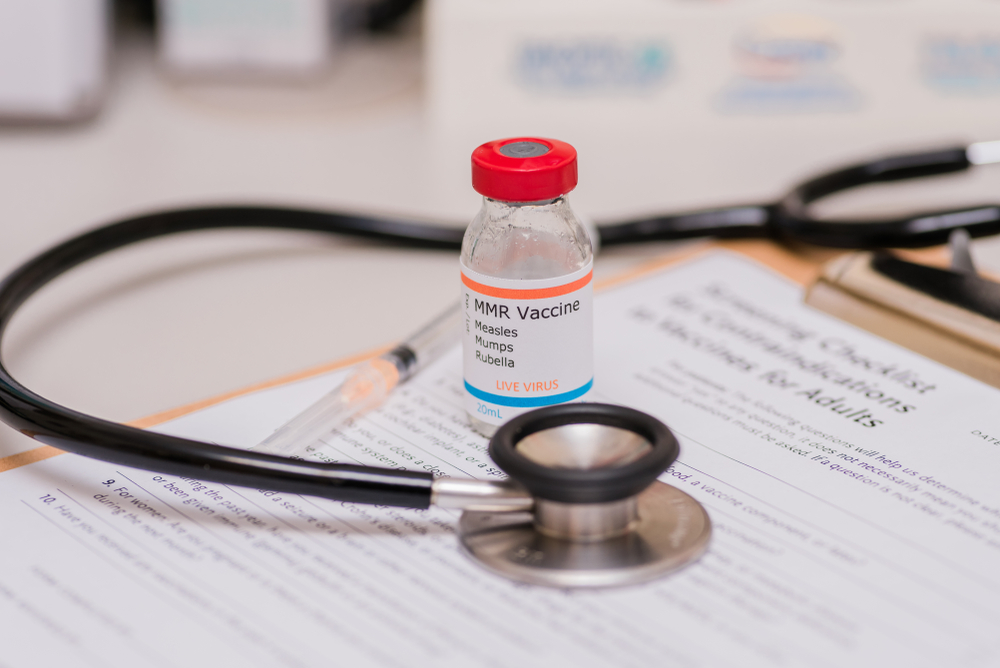
Pennsylvania officials have repeatedly emphasized vaccination as the strongest available protection against measles. The MMR vaccine protects against measles, mumps and rubella, and the department says two doses provide 97% lifetime protection.
The vaccination figures from the outbreak offer another important piece of context. Fewer than 1% of Pennsylvania’s reported measles cases have occurred among vaccinated people, according to the state health department.
Since the outbreak began in late April, state officials have administered more than 5,300 MMR vaccinations through 165 pop-up clinics in affected communities. Additional clinics are scheduled based on community interest and need.
Across the state, more than 7,900 MMR vaccine doses have been administered to residents this year, according to Pennsylvania health officials.
Why Children Are Among Those Affected
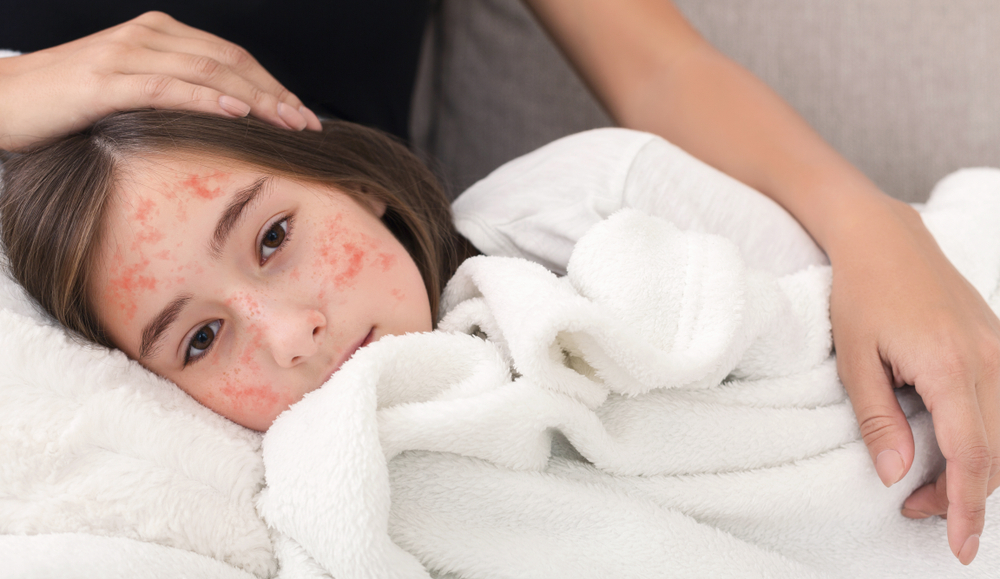
People under 18 account for 31% of Pennsylvania’s reported cases, according to the latest state figures. That means children and teenagers represent a significant share of the outbreak as it continues across dozens of counties.
Measles can be particularly disruptive in settings where people spend extended periods together. Once the virus enters a community with susceptible people, its high level of contagiousness can make transmission difficult to stop.
The Pennsylvania Department of Health has been working with residents, community organizations and healthcare providers to increase access to information and MMR vaccination. Officials have also continued opening temporary vaccination clinics in areas affected by the outbreak.
For families, recognizing the early symptoms can help them respond appropriately if a child develops an unexplained fever or respiratory symptoms after a possible exposure.
The Numbers Show How Quickly The Outbreak Has Expanded
The progression of Pennsylvania’s outbreak has been substantial. Earlier in the year, the state’s health department reported 393 cases across 28 counties when it confirmed two measles-associated deaths.
The latest update puts the total at 890 cases across 39 counties, along with 173 hospitalizations and four measles-associated deaths.
Lancaster County remains the county with the highest reported number of infections, with 359 cases. Mifflin County follows with 102 cases, according to the Pennsylvania Department of Health.
The state has not identified which counties accounted for all of the newest 55 cases in the latest update. Officials have said that tracking daily fluctuations helps healthcare providers and residents understand where community transmission is occurring.
The figures may also not capture every infection. The supplied reports note that some people experiencing symptoms may not seek testing, meaning confirmed case totals do not necessarily represent every infection occurring in affected communities.
What To Do If Measles Exposure Is Possible

People who develop measles-like symptoms after a possible exposure should contact a healthcare provider early rather than simply arriving at a clinic without warning. The reason is straightforward: an infected person can expose others in a healthcare setting.
The early symptoms to watch for include:
- Fever: A high fever can develop before the characteristic rash appears and may be one of the first signs of infection.
- Cough: Measles can initially resemble a common respiratory illness, making the early stage difficult to distinguish from other infections.
- Runny nose: Nasal symptoms can appear alongside fever and coughing during the early stage of the illness.
- Red, watery eyes: Conjunctivitis is another symptom associated with early measles infection.
- Spreading rash: The rash typically appears several days after the initial symptoms, beginning on the head and moving downward across the body.
The combination of these symptoms is more useful than any single symptom by itself. A healthcare professional can determine what evaluation is appropriate based on symptoms, exposure history and the circumstances surrounding a possible infection.
The Risk Does Not End With The Rash
Measles can produce complications beyond the initial fever and rash. Pennsylvania health officials specifically identify pneumonia and brain swelling among the serious health problems associated with the infection.
The department reports that nearly 20% of people who contract measles are hospitalized. Death is uncommon, but it can occur, with Pennsylvania officials estimating one to three deaths for every 1,000 measles cases.
The current Pennsylvania outbreak has already resulted in four measles-associated deaths, according to the latest state update. Earlier in the outbreak, the department confirmed that two unvaccinated Lancaster County residents had died in cases associated with measles.
Those deaths were the first measles-related losses in Pennsylvania in 35 years, according to the department. The state has since continued to report additional measles-associated deaths as the outbreak expanded.
Federal And State Officials Have Disagreed Over Death Counts
The outbreak has also generated a dispute over how some measles-associated deaths should appear in federal statistics. Pennsylvania health officials have reported four measles-associated deaths, while the CDC’s national reporting has listed a different number.
The supplied reports say the CDC previously excluded two Pennsylvania deaths while reviewing additional information. The CDC later reported one measles death nationally as of September 24 and stated that the number could change as additional information becomes available and relevant reviews are completed.
The disagreement has made the death count more complicated to follow than the state’s case and hospitalization figures. Pennsylvania’s Department of Health has continued to identify four measles-associated deaths in its own reporting.
For readers following the outbreak, it is therefore important to distinguish between the figures reported by Pennsylvania and the figures appearing in federal national surveillance.
Pennsylvania Has Become A Major Focus Of The Outbreak
The state’s 890 cases represent a significant portion of the more than 3,659 confirmed measles cases reported across the United States as of September 24, according to the supplied CDC data.
The national figure is already higher than the 2,289 confirmed cases reported throughout 2025. The United States had previously declared measles eliminated in 2000, but outbreaks have returned as the virus finds communities where enough susceptible people remain for transmission to continue.
Pennsylvania is also not the only state dealing with substantial measles activity. The supplied reports identify outbreaks in South Carolina, California and Indiana, with South Carolina experiencing a large outbreak earlier this year in a tightly connected evangelical Slavic community.
The Pennsylvania outbreak, however, has continued to grow despite months of response efforts, making vaccination clinics and early recognition of symptoms central parts of the state’s public health response.
What Pennsylvania Health Officials Are Telling Residents

The Pennsylvania Department of Health has been consistent about its central message: full vaccination provides the strongest protection against measles. The department says the MMR vaccine boosts the immune system and provides 97% lifetime protection.
State officials are also continuing to work with community organizations and healthcare providers to make vaccination available in areas affected by the outbreak. More clinics are scheduled in the coming weeks and months.
For residents, the most practical information is knowing what can happen after exposure. Symptoms may take days or weeks to appear, and the first signs can look like an ordinary respiratory infection before the rash develops.
Anyone who may have been exposed and then develops fever, cough, runny nose, red or watery eyes, or a spreading rash should contact a healthcare provider promptly and mention the possible exposure before visiting in person.
Pennsylvania’s latest 55-case increase shows that the outbreak remains active. With 890 confirmed cases already recorded, recognizing the symptoms and knowing how measles spreads can help people respond more quickly when exposure is possible.