
Your cart is currently empty!
Walmart’s Robot Revolution Is Hitting A Problem Nobody Expected
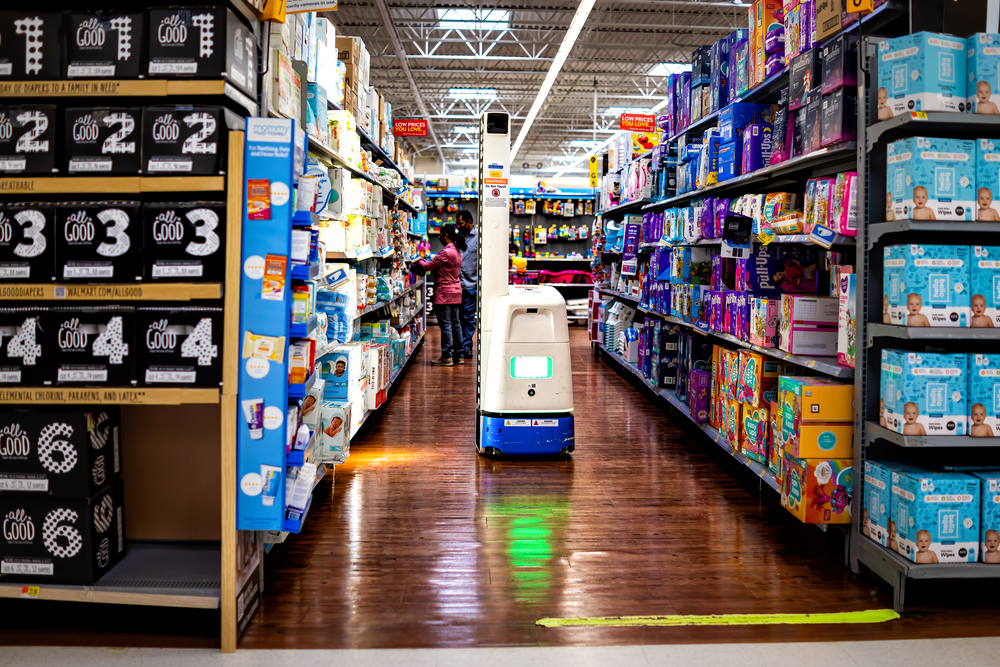
Walmart has poured billions of dollars into warehouse automation, hoping machines could take over repetitive tasks and make its supply chain cheaper to operate. But some of its expensive robots are struggling with a job that sounds remarkably simple: taking products out of cardboard boxes.
Contents
show
According to The Wall Street Journal, the retail giant has encountered persistent problems with its automated systems, including machines that struggle with heavy products and break down frequently. The difficulties raise an awkward question for an industry racing to replace human labor with robots: what happens when the machines cannot handle the work?
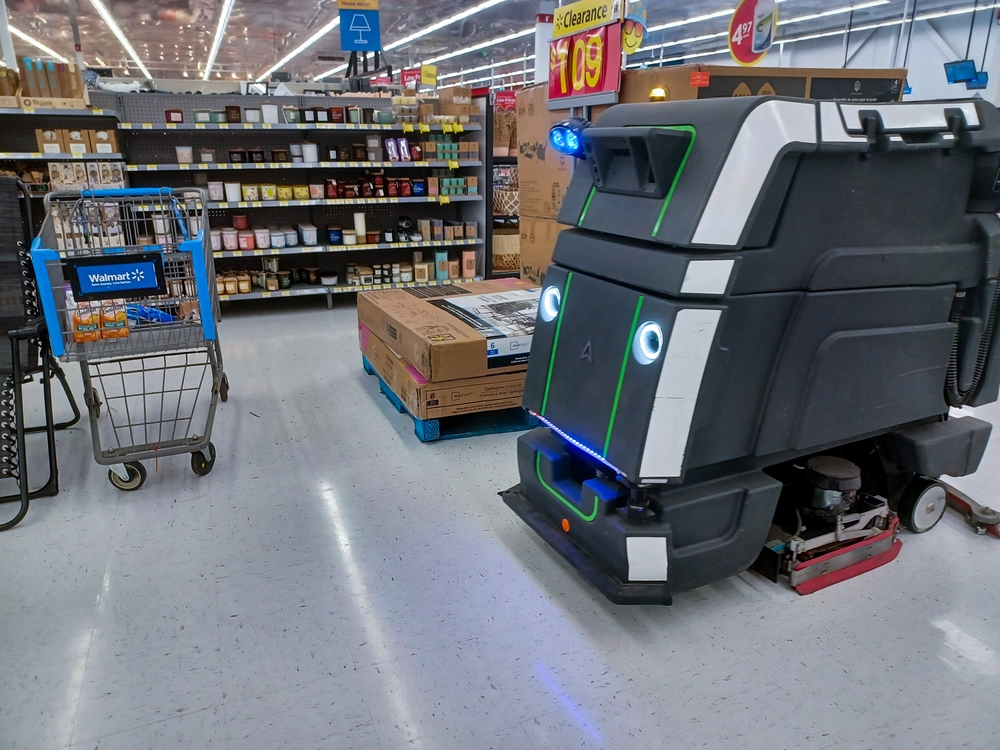
Walmart’s Expensive Robots Are Struggling With Everyday Products
Walmart’s automation ambitions have run into the messy reality of warehouse work.The company has worked with multiple robotics firms to develop systems capable of handling individual products and moving merchandise through its distribution network. After testing different approaches, Walmart settled on small, wheeled robots for use in more than a dozen warehouses.
The machines were intended to make certain tasks faster and reduce the amount of repetitive work employees needed to perform.
However, according to the Wall Street Journal, the robots have struggled with larger and heavier items, including bags of dog food. Frequent breakdowns have created another obstacle for a company hoping to make automated operations more efficient.
The challenge becomes clearer when considering what warehouse workers actually do.
A human employee can open a box, recognize an unfamiliar product, adjust their grip, and place the item in the correct container. The process may take only seconds.
A robot must use sensors, software, and mechanical equipment to identify the product, determine how to handle it, and execute the movement reliably.
When the object is awkwardly shaped or heavier than expected, the task becomes considerably more complicated.
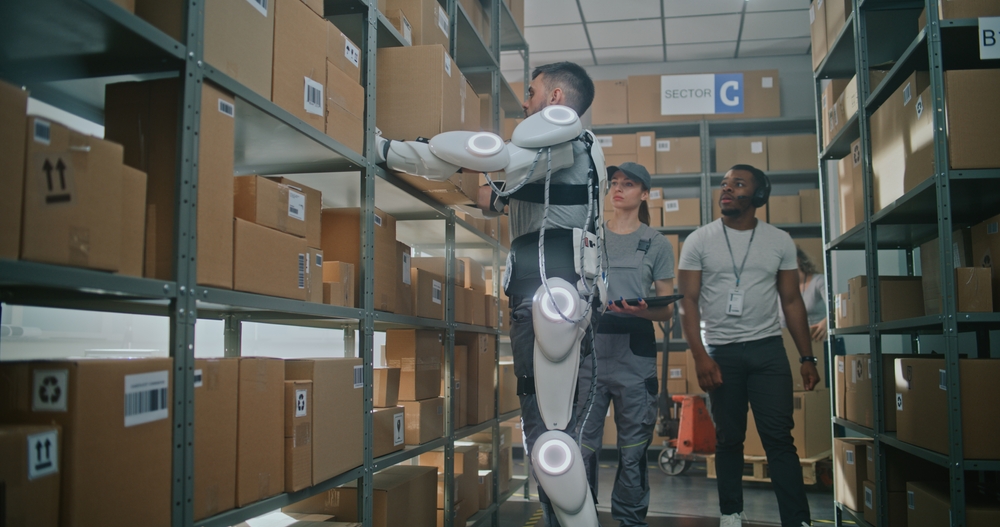
Why A Simple Task Becomes A Technical Challenge
Robots can perform remarkably well when they encounter predictable objects in controlled environments. Warehouses, however, contain an enormous variety of products, packaging materials, and unexpected situations.
A bag of dog food presents a different challenge from a rigid cardboard box. Its shape can change as the contents shift, making it harder for a machine to determine where to grip it.
Packaging can also vary between manufacturers, while damaged boxes and misplaced items introduce further complications.
Humans adapt to these differences almost instinctively. Robots generally need carefully developed hardware and software to respond to them.
Walmart’s difficulties show how quickly those technical requirements can become expensive when a system is deployed across a large commercial operation.
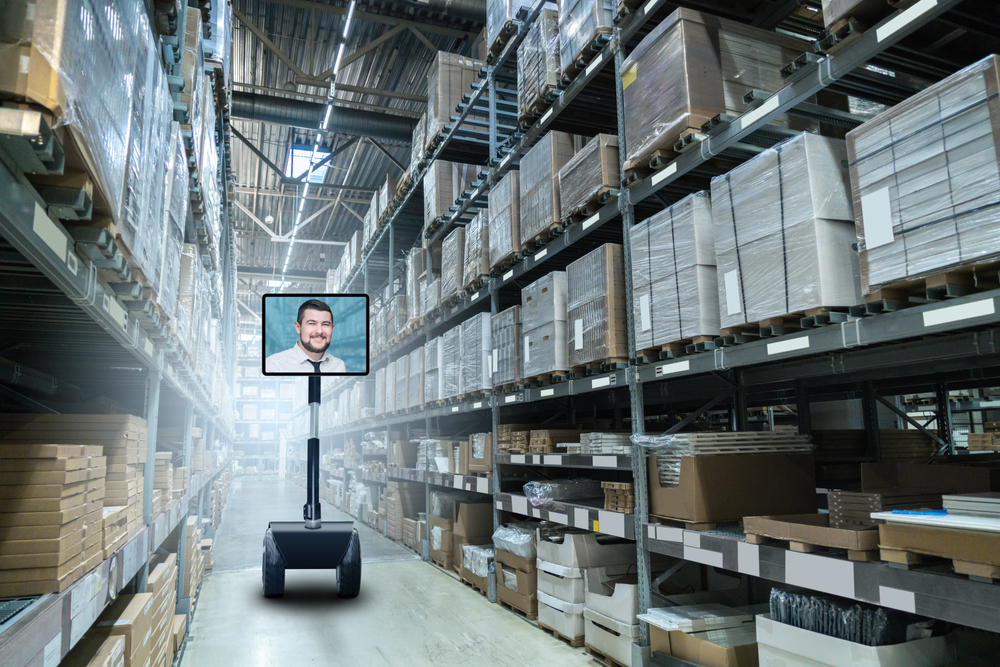
The Hidden Cost Of Replacing Human Warehouse Workers
Retailers have strong financial reasons to pursue automation. Warehouses employ large numbers of people to move merchandise, sort products, load shipments, and prepare orders. Automating even a portion of those tasks could reduce labor requirements and improve productivity.
But the transition comes with expenses that can be easy to overlook.According to the Wall Street Journal, Walmart’s automated warehouses require mechanical and electrical engineers whose payroll costs can exceed those of less-specialized warehouse employees.
The company must also pay for equipment, maintenance, software, and the infrastructure needed to keep its automated systems running.If robots frequently break down, the savings become harder to achieve.
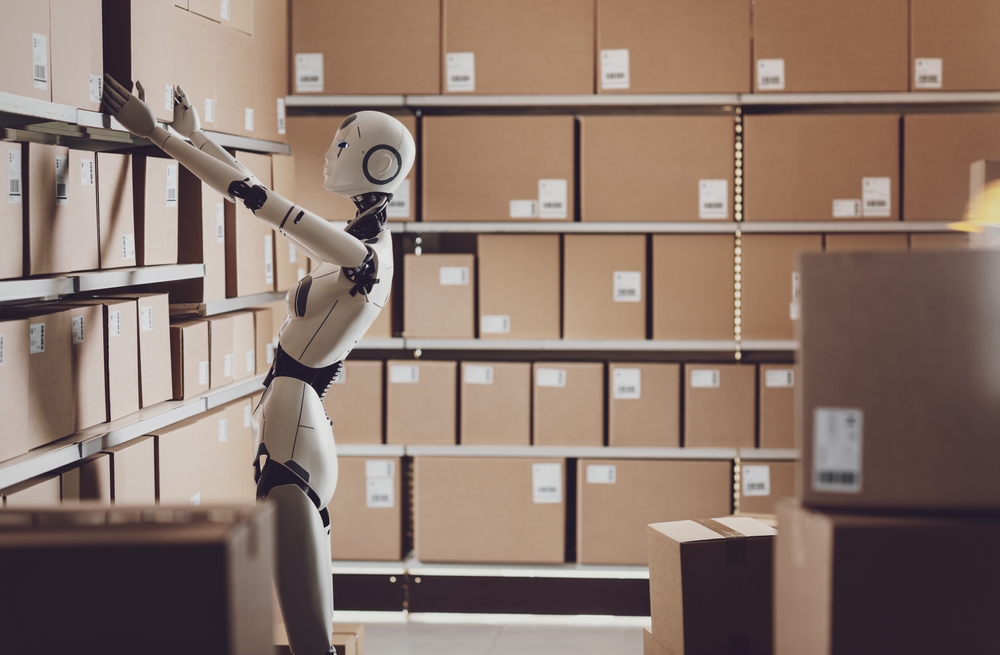
Automation Requires A Different Workforce
Walmart executives have argued that automation will change warehouse jobs rather than eliminate every position. Some employees could move into roles involving robot supervision, troubleshooting, and equipment maintenance.
That shift requires different skills and additional training. A warehouse worker who previously sorted boxes may need to learn how to monitor automated systems or identify mechanical faults. More complex problems may require specialist technicians or engineers.These jobs can be valuable, but they also cost money.
The financial calculation becomes especially challenging when a company replaces relatively inexpensive manual work with machinery that needs highly trained employees to keep it operational.
Automation can still prove worthwhile if the machines operate reliably enough and deliver sufficient productivity gains. However, Walmart’s reported difficulties illustrate why those benefits cannot simply be assumed.
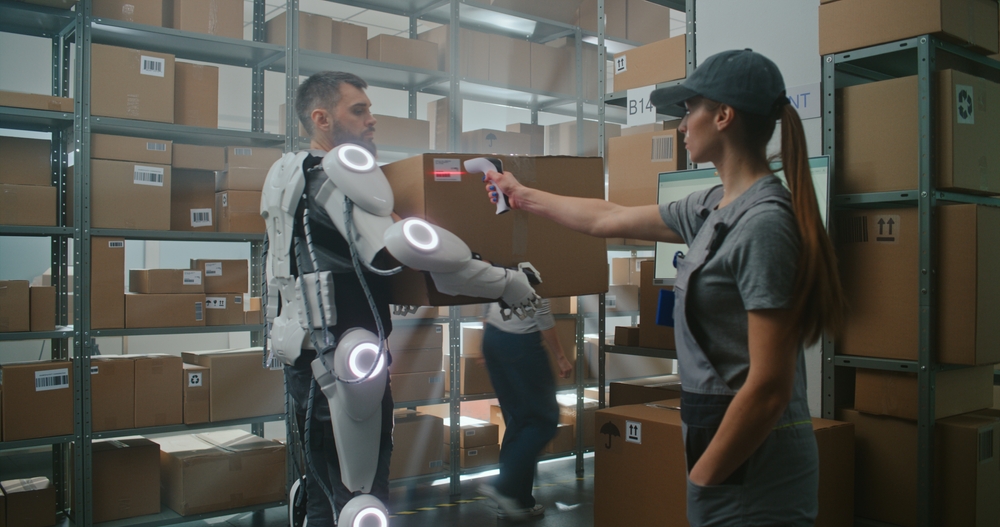
Walmart Is Not The Only Retailer Facing Automation Problems
The pressure to automate extends well beyond Walmart.
Amazon has invested heavily in warehouse robotics as it works to improve fulfillment speed and control operating costs. The company’s efforts have helped intensify competition among retailers seeking similar advantages.
Rueben Scriven of market-intelligence firm Interact Analysis described the competition as an “arms race” in comments reported by the Wall Street Journal.
That description captures the commercial pressure facing the industry.
If a major competitor can process orders more efficiently, rival retailers may feel compelled to invest in similar technology, even when the financial returns remain uncertain.
The danger is that companies can end up spending heavily to keep pace with one another without necessarily achieving the savings they anticipated.
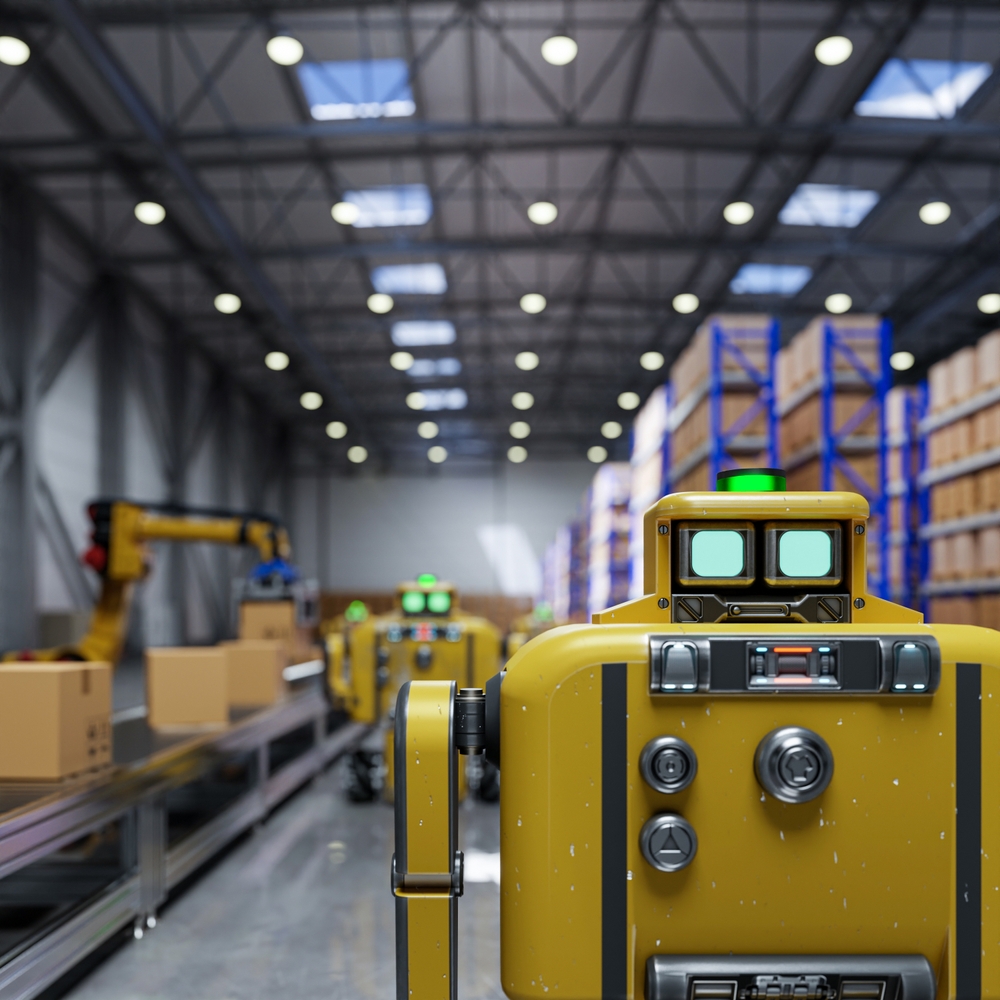
Why Companies Keep Investing Despite The Problems
There are several reasons retailers remain committed to warehouse automation:
- Labor costs: Machines could reduce the amount of repetitive manual work required for certain operations.
- Operational speed: Reliable automated systems can move standardized products through warehouses quickly.
- Consistency: Machines can perform suitable repetitive tasks without the fatigue associated with long shifts.
- Competitive pressure: Retailers risk falling behind if rivals develop more efficient distribution networks.
- Long-term potential: Improvements in robotics could make tasks that are difficult today more practical in the future.
These potential benefits help explain why companies continue investing despite technical setbacks.
The difficulty lies in converting those advantages into dependable results. A robot that performs well in a demonstration may struggle when exposed to the variety and unpredictability of a working warehouse.
For retailers, the difference between a successful experiment and a profitable operation can amount to millions of dollars.
Kroger’s $2.6 Billion Write-Down Offers A Warning
Walmart’s struggles come amid a wider debate over whether ambitious warehouse automation projects can deliver the financial results retailers expect.
Kroger has already encountered a costly setback.
In 2025, the grocery chain announced changes to its e-commerce strategy after its automated fulfillment network failed to deliver the expected business results. The company disclosed approximately $2.6 billion in impairment and related charges associated with its revised plans.
Kroger’s experience demonstrates how quickly an ambitious technology investment can become a financial liability when the underlying business model falls short.
The retailer had invested in automated facilities designed to support online grocery orders. However, the network did not produce the financial performance required to justify continuing with the same approach.
Kroger subsequently emphasized a different e-commerce strategy, including greater use of its stores and delivery partnerships.
The decision does not mean that warehouse automation has no future. It shows that technology must fit the economics and practical requirements of the business using it.
A system can be technologically sophisticated and still fail to make financial sense.
For Walmart, the challenge is to ensure that its automation investments produce measurable improvements rather than creating another layer of expensive equipment and maintenance requirements.
The Humanoid Robot Boom Faces An Even Bigger Test
If wheeled warehouse robots are struggling with ordinary products, the prospect of humanoid machines taking over physical labor presents an even more ambitious challenge.
Technology companies are investing heavily in robots designed with human-like bodies, including two legs, arms, and hands capable of manipulating objects.
The idea is appealing because many workplaces were built for people. A humanoid robot could theoretically move through existing facilities and use equipment without requiring every building to be redesigned.
But the ability to walk on two legs does not automatically make a machine capable of performing useful work.
A practical warehouse robot must recognize unfamiliar objects, handle different weights, maintain balance, respond to unexpected obstacles, and complete tasks consistently throughout a shift.
It must also operate safely around human employees.
These requirements are difficult to combine in a machine that needs to function reliably in a busy commercial environment.
Demonstrations Are Not The Same As Daily Operations
A robot completing a carefully prepared demonstration can make a technology look closer to commercial readiness than it actually is.
Real warehouses present far more variables. Products arrive in different packaging, shipments can be delayed, equipment can fail, and workers must respond to changing priorities.
Machines designed for one narrow task may struggle when conditions differ from the situations encountered during training or testing.
Humanoid robots could eventually become useful for a wider range of physical jobs. However, their commercial value will depend on whether they can perform those jobs reliably and at a competitive cost.
Walmart’s current challenges provide a practical example of the gap between technological ambition and everyday performance.
Even a relatively small robot designed to handle products in a warehouse can encounter problems that undermine its usefulness. A more complicated machine with human-like movement will face its own set of engineering and operational challenges.
The technology may advance considerably, but widespread adoption will require more than impressive demonstrations and large investment announcements.
Walmart Must Prove Its Robots Can Deliver Real Savings
Warehouse automation is unlikely to disappear. Retailers have strong incentives to make distribution networks faster and more efficient, while improvements in robotics could eventually expand the number of tasks machines can perform.
Walmart also has the financial resources and operational scale to continue testing new approaches.
However, the company’s reported problems highlight a fundamental issue facing the entire industry: buying robots is the easy part. Making them work reliably enough to replace expensive manual processes is the real test.
For now, the retail giant must contend with machines that struggle with heavy products, frequent breakdowns, and maintenance costs that can erode the savings automation is supposed to deliver.
Until those problems are resolved, the promise of a fully automated warehouse remains ahead of the reality.
And when a robot cannot reliably handle a bag of dog food, retailers have good reason to question how soon machines will be ready to take over the rest of the warehouse.