
Your cart is currently empty!
Scientists Uncover Evidence That Could Rewrite the Timeline of Human Evolution
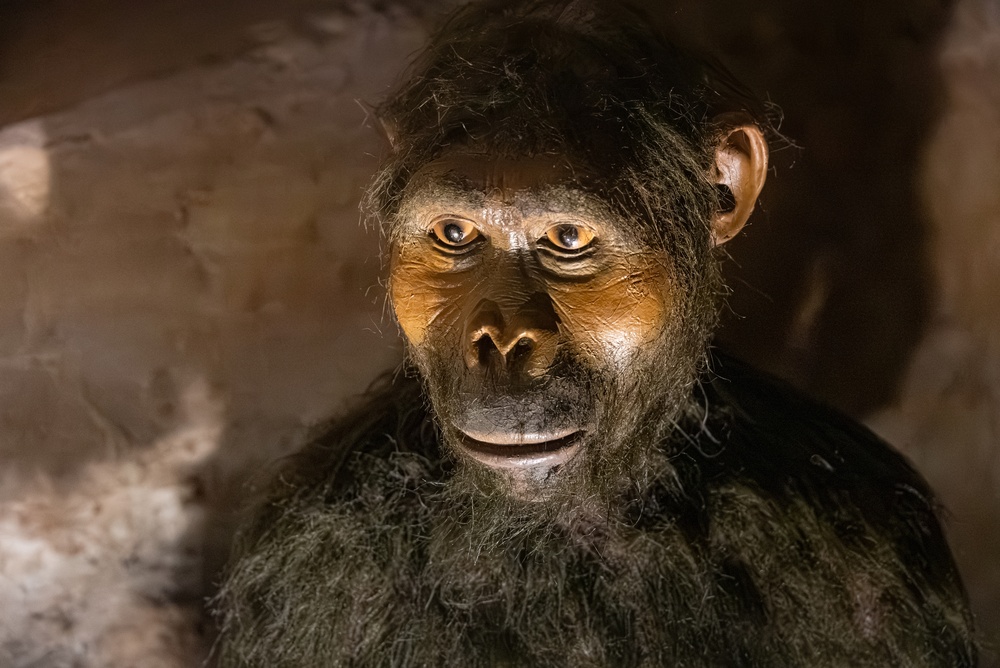
A fossil discovery in South Africa has given scientists a new reason to rethink when one of our most important human ancestors first appeared. New research suggests that Homo erectus was already living around 2 million years ago, approximately 200,000 years earlier than previously expected, potentially changing how researchers understand the earliest stages of human evolution.
Contents
show
The discovery also reveals a fascinating picture of life millions of years ago, when different human relatives shared the same landscape despite developing very different physical traits. While Homo erectus was evolving longer legs, shorter arms and a larger brain, another ancient hominin called Paranthropus robustus had powerful jaws and larger teeth. Their fossils suggest that the evolutionary future of humanity was far from certain, with the ancestors associated with modern humans apparently outnumbered by another species at one important fossil site.

A Fossil Discovery Has Pushed Back Human History
The new findings come from Drimolen Main Quarry, a fossil-rich site near Johannesburg in South Africa’s Cradle of Humankind. Researchers have recovered more than 100 fossil fragments from this location, making it an important source of evidence about early human evolution. An international research team examined 18 fossils for a study published in The Annals of Human Biology, identifying one adult fossil attributed to Homo erectus and 14 fossils linked to another ancient relative, Paranthropus robustus.
The adult Homo erectus fossil, designated DNH 127, strengthens the evidence that the species appeared in southern Africa around 2 million years ago. That would push its earliest known presence back by approximately 200,000 years compared with the previously expected timeline. Archaeologist Jesse Martin of Australia’s La Trobe University explained the significance of the discovery, saying, “This paper publishes a new adult fossil attributed to Homo erectus, DNH 127, providing further confirmation that this species first appeared in southern Africa 2 million years ago.”
The adjusted timeline has some earlier support because researchers had already identified another skull fragment, known as DNH 134, that was dated to the same period. However, that specimen belonged to a young child, making comparisons with adult fossils more difficult. The newly analyzed adult specimen provides another opportunity to examine the species’ physical characteristics and assess whether the earlier timeline is supported by the available evidence.
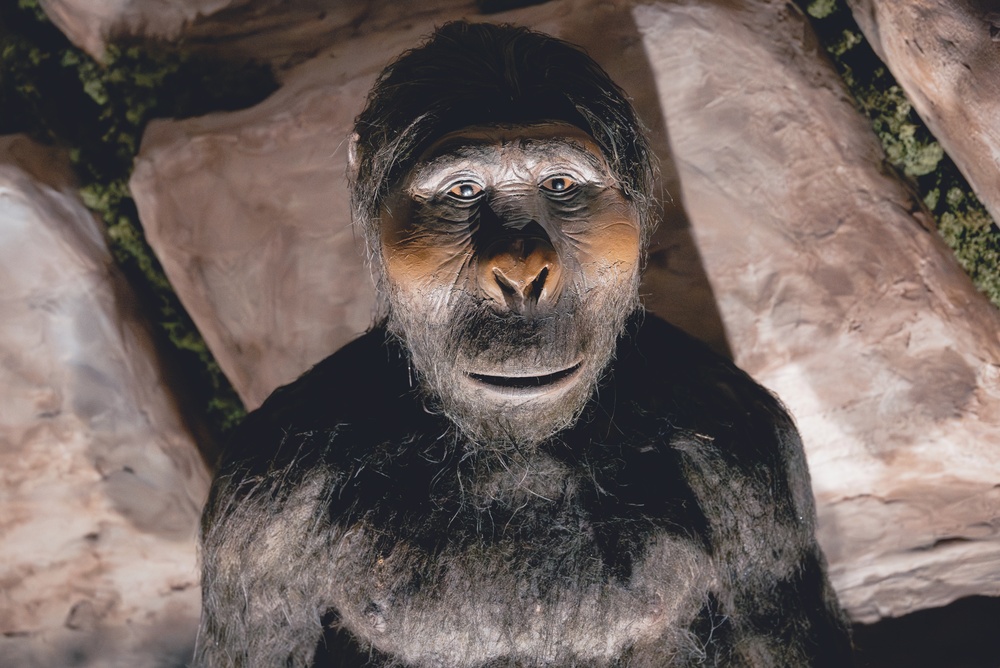
Why Homo Erectus Was So Important to Human Evolution
The name Homo erectus translates to “upright human,” reflecting a species associated with important changes in the body proportions of early human ancestors. Compared with earlier hominins, it had longer legs and shorter arms, features linked to moving around on the ground. These physical adaptations help researchers investigate how the bodies of early human relatives changed as they evolved.
Another notable feature of Homo erectus was the development of a larger brain alongside smaller teeth. These changes distinguish its evolutionary path from that of other hominins living during the same broad period. The new fossil evidence offers researchers another way to investigate when the species appeared and how its physical characteristics fit into the wider history of early humans.
The revised timeline does not settle every question about the species’ origins, and the researchers acknowledge that the fossils are relatively small fragments. Further investigation will be needed to confirm the presence of Homo erectus at Drimolen this far back in time. Nevertheless, the adult specimen adds valuable evidence to a growing collection of fossils that scientists can compare as they reconstruct the history of our ancestors.
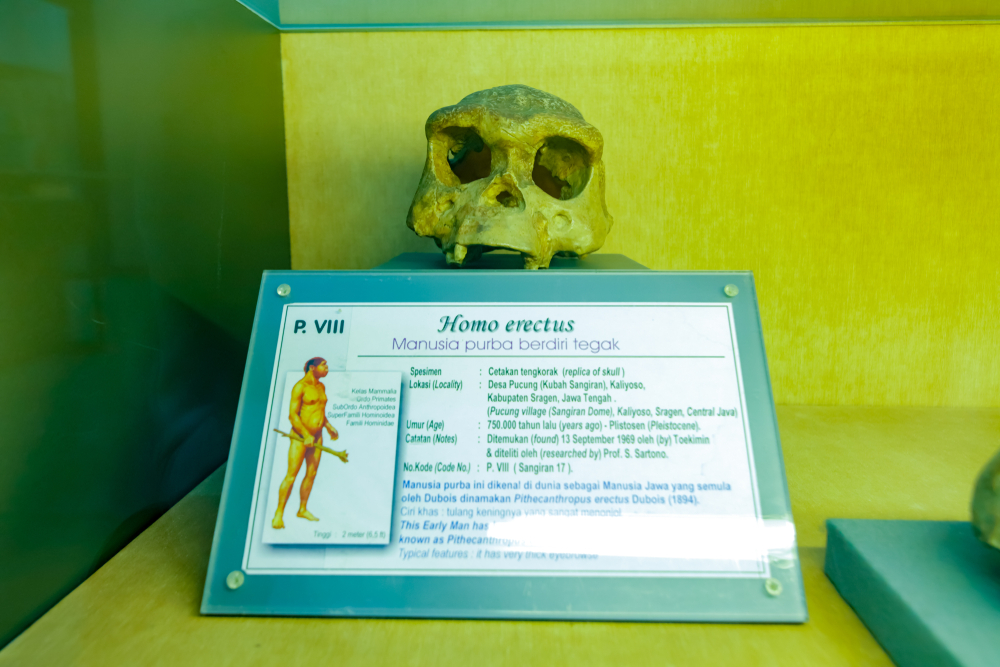
Another Ancient Human Relative Was Thriving Nearby
The research also sheds light on Paranthropus robustus, an ancient hominin that occupied a different branch of the human family tree. Unlike Homo erectus, which was developing smaller teeth, Paranthropus robustus had heavy jaws and large teeth suited to processing hard and tough foods. Its jaw structure and strong chewing muscles reflected a different set of physical adaptations, giving researchers an opportunity to compare how two ancient relatives developed while sharing the same landscape.
The 14 fossils attributed to Paranthropus robustus provide further evidence that the species changed over time. Researchers identified previously unobserved characteristics in its jaw structure, along with several areas of physical variation. Other fossils found at different locations had already suggested that the species developed larger and stronger features, and the Drimolen material adds to the evidence that its evolution involved changes across populations.
Martin highlighted the significance of finding both species at the same site, saying, “These two human species shared the same landscape and are both preserved in the Drimolen cave.” Their remains offer a glimpse of an ancient environment where multiple hominins existed alongside one another, following different evolutionary paths. Rather than showing a simple progression from one species to the next, the fossils reveal a more complicated picture of human ancestry.
Homo Erectus Was Outnumbered More Than Ten To One
One of the most striking details from the research concerns the relative abundance of the two species at Drimolen. Although the Homo erectus lineage would ultimately be associated with modern human ancestry, Martin explained that it was far less common at the site around 2 million years ago. According to the researcher, Paranthropus robustus outnumbered Homo erectus by more than ten to one during that period.
Martin described the unexpected contrast, saying, “While we know that Homo erectus and the lineage leading to us was ultimately the successful one, 2 million years ago P. robustus outnumbered Homo erectus at Drimolen by more than 10 to one.” The finding offers a striking example of why evolutionary success can be difficult to predict from evidence available at a single moment in the distant past. A species that eventually became part of the human lineage was apparently much less numerous than another hominin at this particular location.
The fossils do not establish why the numbers differed or whether the same pattern existed across other regions. However, the discovery provides valuable evidence about the diversity of early hominin populations and the physical characteristics that distinguished them. Researchers can use the remains to compare the species, study variation within populations and investigate how different ancient relatives occupied the same environment.
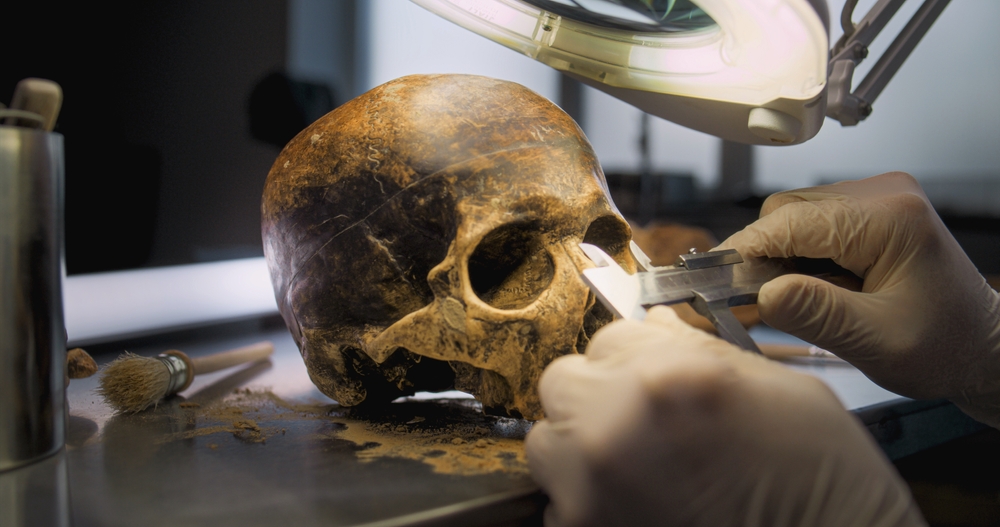
The findings also help illustrate several important aspects of the fossil record:
- Population differences: The remains suggest Paranthropus robustus was considerably more numerous than Homo erectus at Drimolen during the period discussed.
- Physical adaptations: Differences in teeth, jaws and body proportions provide clues about how the species developed.
- Evolution within a species: Variation among the Paranthropus robustus fossils helps researchers examine changes across populations.
- Shared environments: The presence of both species at the same site provides evidence that their histories overlapped.
How Researchers Studied the Ancient Fossils
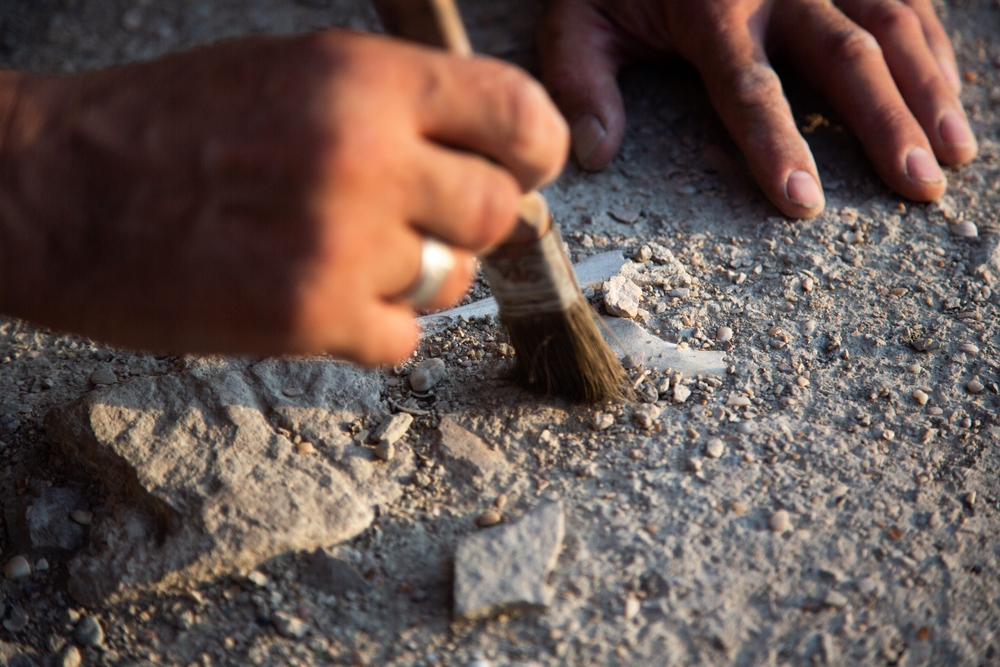
Identifying a fossil species and determining its age are separate challenges. Researchers must examine the physical remains to establish which species they may belong to, while geological evidence helps determine when the individuals lived. For the latest study, the international team analyzed 18 fossils and used their physical characteristics to identify the species represented in the collection.
Geological techniques, including radioactive dating, helped establish the age of the fossils. The adult Homo erectus specimen was especially relevant because it offered another basis for identifying the species during the period in question. The earlier DNH 134 skull fragment had already supported a similar timeline, but its classification was more difficult to compare directly with adult remains because it belonged to a young child.
The newly analyzed material gives researchers additional evidence to assess as they reconstruct the history of the Drimolen site. However, the fossils remain fragmentary, and further work will be necessary to strengthen the case for both Homo erectus and Paranthropus robustus living there as far back as the proposed timeline suggests. The researchers also have a substantial collection of existing fossil fragments to examine, with the possibility of further discoveries through future excavations.
Why the Revised Timeline Matters for Human Origins
Moving the emergence of Homo erectus back by approximately 200,000 years may seem like a relatively small adjustment when measured against millions of years of evolution. For researchers reconstructing early human history, however, the timing of a species’ appearance helps establish how different hominins developed and overlapped. The new findings strengthen the evidence for an earlier presence in southern Africa and give scientists more material to study as they investigate the diversity of early human relatives.
The Paranthropus robustus fossils are equally useful because they reveal variation in the species’ jaw structure and provide additional evidence of evolutionary change. Their characteristics support the idea that the species continued to change over time rather than remaining physically identical throughout its existence. Comparing these fossils with material from other sites may help researchers understand how different populations varied and what those differences reveal about their evolutionary history.
The findings also underline the limitations of the fossil record. Even a rich site such as Drimolen offers only a partial view of the past, and small fragments can leave important questions unresolved. New specimens can strengthen an existing interpretation without proving every detail beyond doubt, which is why additional analysis remains necessary before the revised timeline can be considered fully established.
More Fossils Could Reveal What Happened Next
The Drimolen Main Quarry findings offer a glimpse of a period when the future of the human lineage was far from certain. Homo erectus was present alongside Paranthropus robustus, a species that appears to have been much more numerous at the site. Their contrasting physical characteristics provide researchers with evidence of different evolutionary paths unfolding within the same landscape.
Martin described the unexpected position of the lineage that would eventually become central to the human story, saying, “During this time period it was our [H. erectus] ancestors that looked like the outside long-odds chance to survive.” Further excavations and analysis may help scientists understand the differences between these species and investigate why their evolutionary histories eventually diverged.
For now, the adult fossil DNH 127 has strengthened the case for placing Homo erectus in southern Africa around 2 million years ago. The next clues may already be waiting among the hundreds of fragments recovered from Drimolen, where a small piece of ancient bone can change the timeline researchers use to understand human origins.
Sources:
Martin, J. M., Leece, A. B., Baker, S., Herries, A. I. R., & Strait, D. S. (2026). New hominin cranial and mandibular remains from Drimolen Main Quarry, South Africa. Annals of Human Biology, 53(1), 2725046. https://doi.org/10.1080/03014460.2026.2725046