
Your cart is currently empty!
The Ordinary Yellow Flower That Could Transform How The World Makes Tires
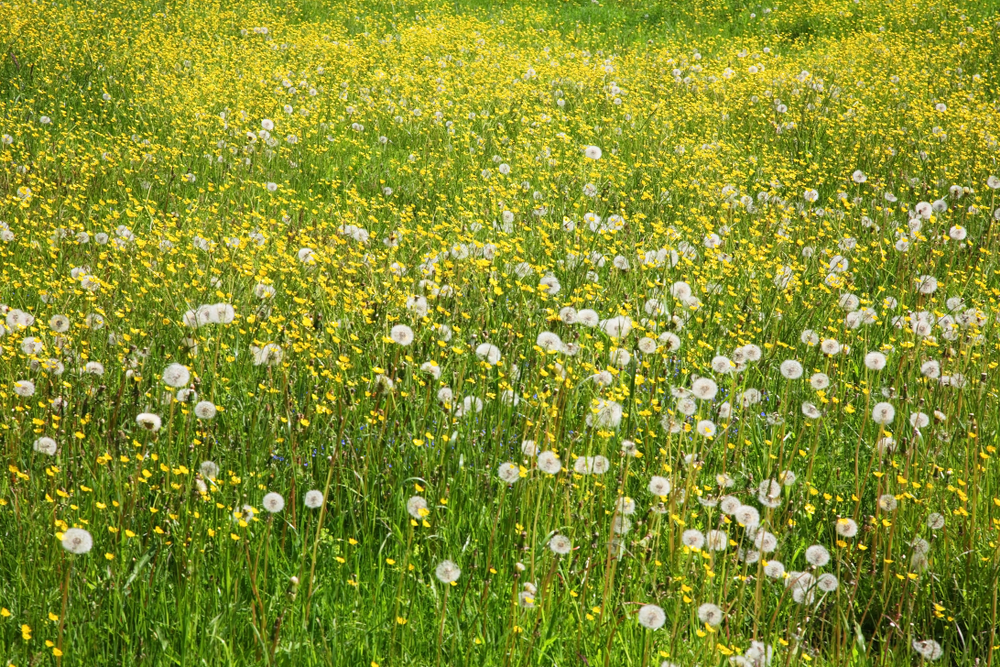
The little yellow flowers scattered across gardens and fields could help tackle one of the tire industry’s biggest challenges. Scientists have discovered a way to turn the roots of a particular dandelion species into natural rubber, creating an alternative to the material traditionally harvested from tropical rubber trees. Early tire tests have demonstrated comparable material properties, and the technology has already progressed beyond laboratory experiments into commercial bicycle tire production.
Contents
show
The development could open the door to growing some of the world’s tire rubber much closer to the factories that need it. German manufacturer Continental has spent years researching the process through its Taraxagum project, working to improve the plants, extract their rubber, and develop practical manufacturing methods. Although large-scale production still presents challenges, the idea of producing an important industrial material from a familiar roadside flower is becoming a genuine manufacturing possibility.
The Surprising Plant Behind This Rubber Revolution
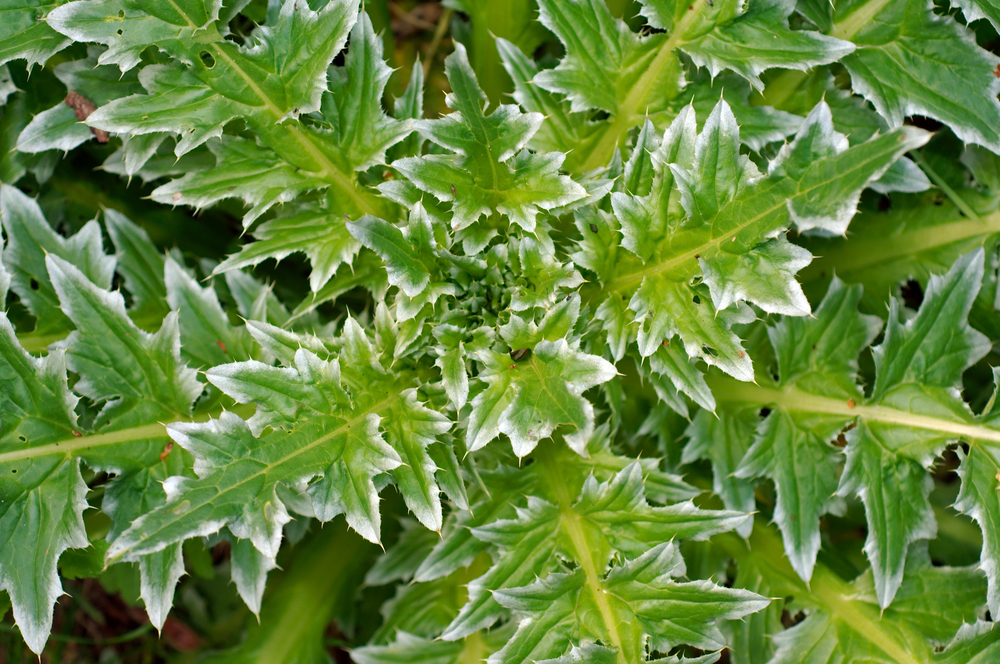
Dandelions are usually considered unwanted weeds, but a particular variety known as the Russian dandelion (Taraxacum kok-saghyz) has attracted serious scientific attention because its roots contain natural rubber. Unlike the rubber tree, which thrives in tropical climates, this plant can grow in temperate regions, including parts of Europe and North America. That difference could allow farmers to cultivate rubber-producing crops much closer to industrial facilities, potentially creating new agricultural opportunities while giving manufacturers another source of a valuable raw material.
Continental began investigating the industrial use of dandelion rubber in 2011, recognising that the plant might help diversify its supply chain. The company’s Taraxagum project brings together researchers and development partners to study everything from breeding and seed production to harvesting, root processing, and rubber extraction. The aim is to create a reliable process that turns an ordinary agricultural crop into material suitable for demanding industrial applications, particularly tires.
Why Manufacturers Want To Move Beyond Tropical Rubber Trees
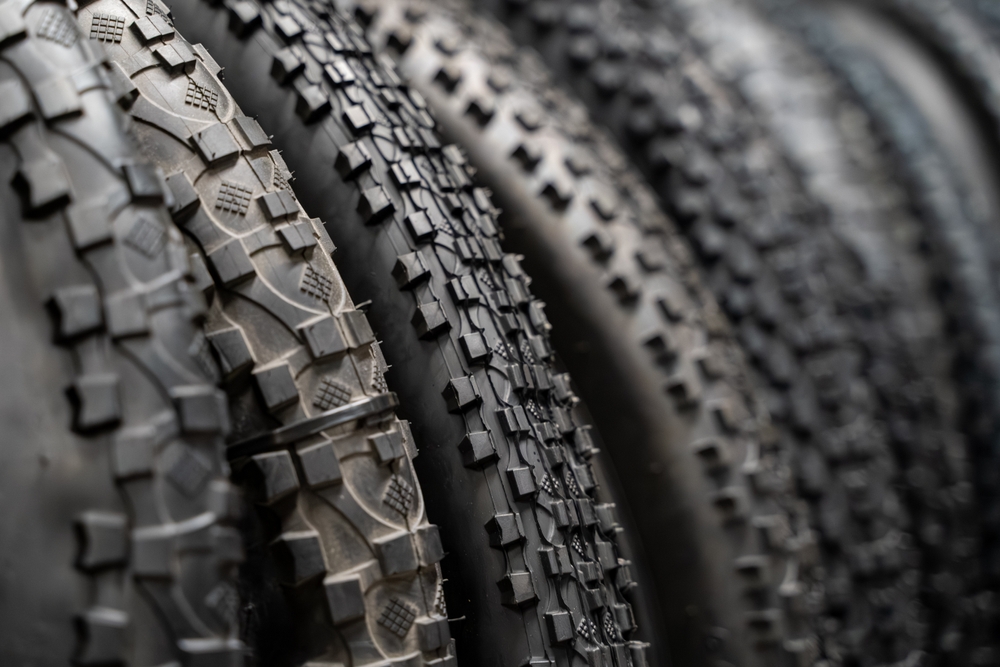
Natural rubber is essential to tire production because it provides properties needed to withstand repeated deformation and demanding driving conditions. Conventional supplies come predominantly from rubber trees grown in tropical regions, with Southeast Asia serving as a major production centre. This geographical concentration means manufacturers elsewhere often depend on lengthy supply chains, while expanding plantations can contribute to deforestation when forests are cleared for agricultural use.
Russian dandelions offer a possible alternative because they can be cultivated in regions where rubber trees cannot grow commercially. Continental’s research indicates that fields may be ready for harvesting after one or two years, depending on growing conditions and cultivation methods. If production becomes commercially viable, regional farms could eventually supply nearby factories, reducing transportation distances and potentially easing some pressure on tropical rubber-producing areas.
However, the environmental benefits will depend on how the crop is cultivated and processed. Dandelion farming still requires land, machinery, energy, and agricultural inputs, so growing rubber locally does not automatically guarantee lower emissions. The strongest potential lies in diversifying existing supplies and developing production systems that reduce environmental costs without creating new problems elsewhere.
Scientists Have Spent Years Improving The Dandelion
Producing rubber from dandelions requires more than planting seeds and collecting roots. Researchers need plants that produce sufficient quantities of rubber, agricultural systems that deliver dependable harvests, and extraction methods capable of supplying manufacturers consistently. Continental has worked with the Fraunhofer Institute for Molecular Biology and Applied Ecology and the University of Münster on these challenges, while the Taraxagum research centre in Anklam, Germany, opened in late 2018 to support the wider development effort.
Breeding Plants With Higher Rubber Content
One major area of research involves identifying and breeding plants with desirable characteristics. Scientists have studied the dandelion’s genetic makeup and metabolism to understand how rubber is produced and how its concentration might be increased through conventional breeding methods. Better-performing plants could improve the amount of rubber harvested from each field, making the crop more attractive to farmers and manufacturers.
Developing Machinery To Harvest The Roots

The roots present another practical challenge because they contain the rubber that manufacturers want to recover. Harvesting them efficiently requires equipment capable of removing the plants from the soil without causing unnecessary damage. Continental and its partners have investigated suitable machinery and processing techniques, with the aim of building a dependable production chain from the farm to the factory.
The company has identified a target of approximately one metric ton of rubber per hectare, comparable to the yield it cites for a hectare of conventional rubber trees. Reaching that level consistently would help establish whether dandelion fields could supply a meaningful share of future industrial demand. Achieving competitive yields and processing costs remains essential before the crop can become a widespread commercial source.
The Rubber Has Already Passed Important Tire Tests
One of the biggest questions surrounding the project has been whether dandelion-derived rubber can withstand the demands placed on finished tires. Continental reports that extensive product and tire testing demonstrated properties comparable to those of tires made with rubber from conventional rubber trees. That finding has allowed the material to progress beyond the initial research stage and into the development of products for different uses.

The company tested an experimental WinterContact TS 850 P tire featuring a tread made from dandelion rubber in 2014. Two years later, it presented its first truck tire made using the material at the International Motor Show Germany. These milestones demonstrated that the technology could be investigated for applications beyond small-scale laboratory samples, although experimental prototypes are different from products manufactured and sold at scale.
The Difference Between Testing And Commercial Production
Tire manufacturers must evaluate materials carefully because different products face different demands. Passenger car tires, truck tires, and bicycle tires have distinct requirements, so success in one application does not automatically establish commercial readiness in every other category. Each intended product needs suitable testing, consistent material quality, and a reliable manufacturing process.
Dandelion rubber has therefore reached an important stage, but the technology still faces the challenge of scaling up. A successful prototype demonstrates technical potential, while widespread production requires dependable agricultural yields, efficient extraction, competitive costs, and consistent quality. Those practical considerations will determine how quickly the material can move into additional tire categories.
A Dandelion Bicycle Tire Is Already On The Market
The project has already produced a commercial example of the technology. Continental unveiled its Urban Taraxagum bicycle tire at Eurobike in 2018, describing it as the world’s first series-produced bicycle tire featuring a tread made from pure dandelion rubber. Series production followed in 2019, marking a significant step from experimental development to a product available for consumers.
The bicycle tire provides a practical demonstration of how agricultural research can lead to an industrial product. Instead of relying entirely on rubber harvested from tropical trees, this application uses rubber obtained from dandelion roots grown in temperate regions. The approach creates an opportunity to establish a regional supply chain, although its overall environmental and economic performance depends on the full production process.
Expanding this success to car and truck tires will require further work. Manufacturers must be able to source sufficient quantities of the material, process it reliably, and meet the specific performance standards of each tire category. The existing bicycle tire proves that commercial production is possible for at least one application, but it does not mean dandelion rubber has already replaced conventional rubber throughout the industry.
Could Dandelion Fields Help Protect Tropical Forests?
The environmental argument for dandelion rubber centres on reducing dependence on a single major source of natural rubber. Expanding production in temperate regions could give manufacturers more options when sourcing materials, potentially shortening transportation routes and reducing the need for some forms of plantation expansion. It could also create opportunities for farmers who want to cultivate a crop with an industrial market beyond conventional food production.
There are several potential advantages to developing the technology further:
- Shorter transportation distances: Regional farms could supply factories located closer to the growing areas.
- More diversified supply: Manufacturers would have an additional source of natural rubber rather than depending exclusively on established tropical production.
- New agricultural opportunities: Suitable farms in temperate regions could potentially grow dandelions for industrial processing.
- Reduced pressure on some tropical regions: Additional rubber supplies could help limit the need for certain forms of plantation expansion, depending on future demand and land-use decisions.
These benefits are possible outcomes, not guarantees. The environmental impact will depend on whether dandelion rubber replaces existing supplies, how much land cultivation requires, and how efficiently the roots are harvested and processed. Researchers and manufacturers will need to consider the entire supply chain before determining how much the material can contribute to sustainability goals.
What Still Stands Between Research And Mass Production?
The biggest obstacle is scaling up the process without losing the advantages demonstrated in research and product testing. Manufacturers need large quantities of consistent rubber, while farmers need crops that produce dependable yields and can be harvested economically. If cultivation or extraction costs remain too high, the material may struggle to compete with established supplies even when its technical properties are suitable.
Agricultural development is therefore just as important as laboratory research. Breeders must continue improving plant performance, farmers need practical harvesting equipment, and processors must recover rubber efficiently from the roots. These stages all influence the cost of the finished material and the amount of rubber that can be supplied to manufacturers.
Continental has described wider industrialisation as an ongoing research objective. The company must continue evaluating how dandelion rubber can be integrated into different tire products and manufactured at the necessary scale. The technology has made real progress, but commercial expansion depends on solving the practical challenges that stand between promising experiments and dependable industrial production.
An Ordinary Weed Could Become A Valuable Industrial Crop
The idea of growing tire rubber in ordinary fields may sound unusual, yet researchers have already demonstrated that Russian dandelion roots can provide material suitable for tire applications. Continental’s work has progressed from plant research and experimental tires to a series-produced bicycle tire, giving the project a concrete commercial achievement rather than leaving it as a laboratory concept.
The next challenge is making that process reliable and affordable enough to supply a much larger market. If researchers can improve yields, streamline harvesting, and scale up extraction, dandelions could become an additional source of natural rubber for manufacturers in temperate regions. A flower many people pull from their lawns may eventually help supply an industry that depends on millions of tires, provided the technology can deliver on its promise at industrial scale.
Sources:
- Dandelion – the new source for rubber – Fraunhofer IME. (n.d.). Fraunhofer Institute for Molecular Biology and Applied Ecology IME. https://www.ime.fraunhofer.de/en/Research_Divisions/business_fields_MB/functional_and_applied_genomics/terpenoids/Dandelion_new_source_for_rubber.html
- Continental opens “Taraxagum Lab Anklam” Research Laboratory for Dandelion Rubber. (n.d.). Continental Tire. https://continentaltire.com/learn/continental-opens-taraxagum-lab-anklam-research-laboratory-dandelion-rubber