
Your cart is currently empty!
The Simple Breathing Technique That Could Help You Calm Down Faster
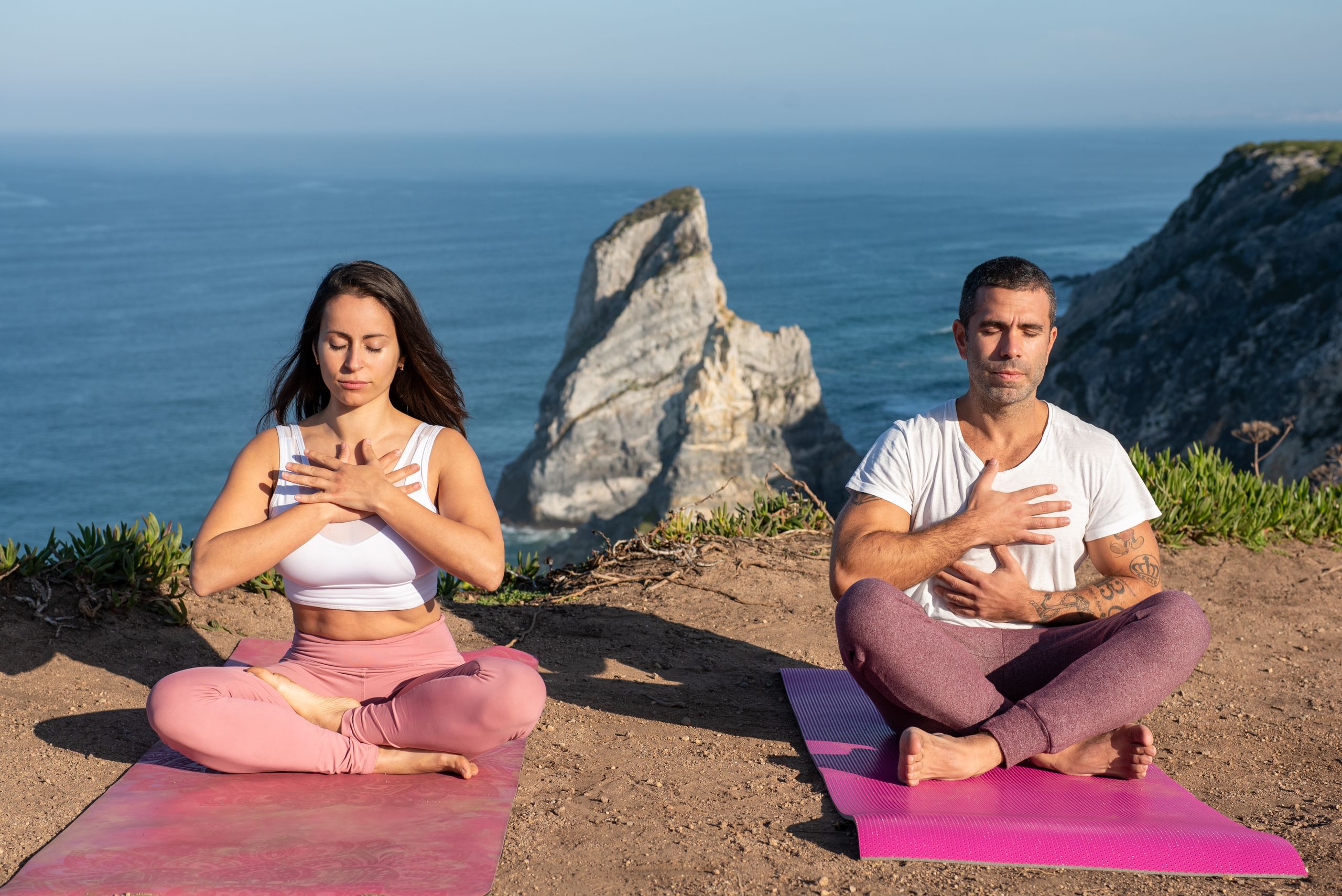
When stress takes over, your heart may race, your muscles tighten, and your thoughts can become difficult to control. Yet a small adjustment to your breathing could help your body settle without expensive equipment or a complicated relaxation routine.
Contents
show
The technique involves making your exhale slightly longer than your inhale. Research suggests that this simple change can influence the nervous system, support relaxation, and potentially help with concentration during stressful situations. The science is still developing, but the practice is accessible enough to try at home.
Why Your Breathing Can Influence Your Stress Response
Your body has an automatic system that regulates essential functions such as heart rate, digestion, and breathing. Known as the autonomic nervous system, it helps your body respond to changing demands throughout the day, including moments when you feel threatened, anxious, or under pressure.
One branch is the sympathetic nervous system, which prepares you to respond to challenges through the familiar fight-or-flight response. Your heart rate may increase, your breathing may become faster, and your muscles may tense as your body prepares to react.
The parasympathetic nervous system supports rest, digestion, and recovery. It helps regulate your body after periods of heightened alertness, allowing several physiological processes to move toward a calmer state.
Your vagus nerve plays an important role in this process. It carries information between your brain and organs, including your heart, and contributes to the parasympathetic regulation involved in relaxation.
Breathing is particularly interesting because it operates automatically while also responding to conscious control. You do not need to think about every breath you take, but you can deliberately change its pace and rhythm when you want to slow down.
That ability provides a practical way to influence your physical response to stress. Although breathing cannot eliminate the cause of anxiety, a comfortable breathing exercise may help you manage your reaction while you work through the situation.
What Happens When You Make Your Exhale Longer

Your heart rate naturally changes throughout each breathing cycle. It generally increases slightly during inhalation and decreases during exhalation, a normal pattern known as respiratory sinus arrhythmia.
These fluctuations contribute to heart rate variability, commonly called HRV. This measurement reflects changes in the time between consecutive heartbeats and is influenced by breathing patterns, physical activity, sleep, and other aspects of health.
Researchers frequently study HRV when investigating the relationship between the autonomic nervous system and stress. However, a higher HRV reading does not automatically mean someone is healthier, and individual measurements need to be interpreted in context.
Slower breathing can influence these patterns by changing the timing of inhalation and exhalation. When you deliberately extend your out-breath, you may encourage physiological changes associated with relaxation, including changes in heart rate and parasympathetic activity.
A 2018 review by Roderik Gerritsen and Guido Band, published in Frontiers in Human Neuroscience, examined the possible relationship between breathing techniques and vagus nerve activity. The researchers considered practices used in meditation, yoga, and other contemplative traditions.
Their review discussed several techniques, including slow breathing, diaphragmatic breathing, and breathing patterns that emphasise longer exhalations. The authors proposed that these approaches could help explain some of the benefits associated with contemplative practices, particularly those involving stress and mental health.
The findings offer a plausible explanation for why a simple breathing adjustment may help people feel calmer. However, the research does not establish that every longer exhale will produce the same response or that the technique can treat an anxiety disorder.
What Research Says About Two Minutes Of Breathing
A 2019 study by Roderik De Couck and colleagues investigated how different breathing patterns affected HRV and decision-making. The researchers conducted two studies to examine whether a short breathing exercise could influence physiological responses and performance on a task.
In the first study, participants practised slow, deep breathing using either equal inhalation and exhalation periods or a pattern with a longer exhalation. Both breathing patterns increased HRV, suggesting that controlled breathing can influence this physiological measure.
The second study examined whether breathing before a decision-making task could affect participants’ performance. One group practised breathing with a longer exhalation for two minutes, while a comparison group watched a video without concentrating on breathing.
According to the supplied research summary, participants who practised the breathing exercise reported lower stress and answered a higher percentage of business-related questions correctly. The decision-making task lasted 30 minutes, allowing researchers to examine performance after the brief breathing intervention.
These results are interesting because the breathing exercise required very little time. A two-minute pause could be practical before an important meeting, a difficult conversation, or a task that requires careful thought.
However, the findings should be interpreted cautiously. A study involving a particular decision-making task cannot establish that longer exhalations improve every kind of decision, and further research is needed to understand how different people respond.
The most reasonable takeaway is that slow breathing may help some people regulate stress before tackling a demanding activity. It is a simple technique worth trying, provided you approach it as a relaxation tool rather than a guaranteed performance enhancer.
How To Practise Longer Exhalations At Home
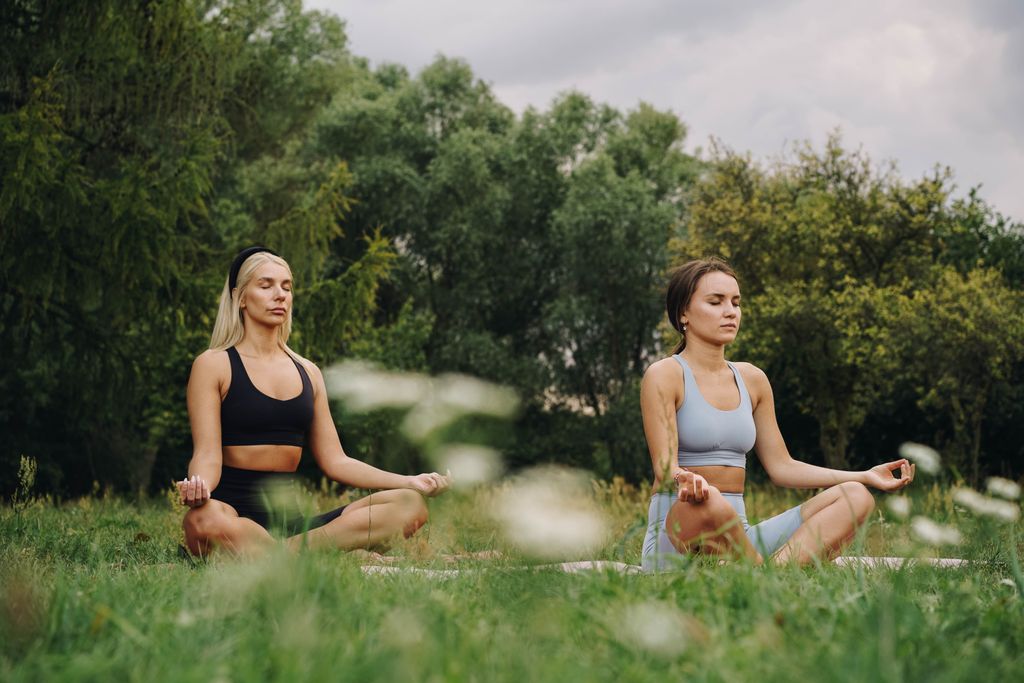
You do not need special equipment or a dedicated meditation space to begin. The key is to breathe gently, allow your exhalation to last slightly longer than your inhalation, and avoid forcing yourself to follow a rhythm that feels uncomfortable.
Start With The Beginner-Friendly 4:6 Pattern
A useful starting point is to inhale for four seconds and exhale for six seconds. This pattern gives your out-breath more time without requiring you to hold your breath between cycles.
Begin by sitting comfortably with your shoulders relaxed and your feet resting on the floor if possible. Breathe in gently through your nose for about four seconds, then breathe out slowly for about six seconds.
Continue this pattern for one or two minutes while keeping your breathing smooth and natural. If counting becomes distracting, simply focus on allowing each exhale to last a little longer than the inhale.
You can also shorten the counts if six seconds feels too long. Inhaling for three seconds and exhaling for four or five seconds may feel more manageable while preserving the basic principle.
The objective is to find a rhythm that feels comfortable rather than to achieve a particular number. If you notice yourself gasping, straining, or feeling short of breath, return to normal breathing.
Understand The Difference Between Long Exhales And 4-7-8 Breathing

The popular 4-7-8 breathing technique uses a different sequence. It involves inhaling through the nose for four counts, holding the breath for seven counts, and exhaling through the mouth for eight counts.
Integrative medicine specialist Andrew Weil, MD, helped popularise the technique, which draws on the yogic practice of pranayama. It combines a longer exhalation with a deliberate breath-holding period, making it different from the simpler 4:6 pattern.
Melissa Young, MD, an integrative medicine specialist quoted in the supplied reference, explains that the counting sequence can help redirect attention away from worries and repetitive thoughts. This mental focus may contribute to the calming experience some people report.
Beginners should not feel obligated to hold their breath for seven counts. If that part feels uncomfortable, a gentler pattern without breath-holding is a reasonable alternative.
Both approaches can be used as relaxation exercises, but the evidence described in the supplied references does not establish that one method is universally superior. Choose the technique that allows you to breathe comfortably and practise consistently.
Six Everyday Moments When Longer Exhales May Help
A breathing technique is easier to remember when it fits naturally into your existing routine. You can try it during ordinary moments when you notice tension building, rather than waiting until stress becomes overwhelming.
- Before a difficult conversation: Take a minute to breathe slowly before responding to a tense message or entering a challenging discussion. This pause may help you feel more settled before choosing your words.
- During a demanding workday: Practise a few comfortable breathing cycles between tasks when deadlines begin to feel overwhelming. Giving yourself a brief pause may make it easier to return your attention to the work in front of you.
- When your thoughts begin racing: Count your breaths rather than trying to force every worry out of your mind. Focusing on a steady exhalation provides a simple task that may help interrupt repetitive thinking.
- Before an important decision: Spend a couple of minutes breathing slowly before reviewing your options or responding under pressure. The 2019 research offers preliminary evidence that brief breathing exercises may influence stress and performance on certain decision-making tasks.
- As part of your bedtime routine: Try slow breathing while sitting comfortably before getting into bed or while lying down. The practice may help you settle mentally, although it cannot guarantee that you will fall asleep faster.
- During everyday transitions: Use a short pause while waiting for an appointment, finishing work, or preparing for bed. Linking the exercise to an activity you already perform can make it easier to remember.
These examples do not require you to schedule an elaborate wellness routine. You can begin with one familiar moment and see whether the exercise feels helpful before incorporating it into other parts of your day.
Mistakes That Can Make Breathing Exercises Uncomfortable

Although slow breathing is accessible to many people, trying too hard to control every breath can make the exercise less comfortable. A few simple adjustments can help you avoid common problems while learning the technique.
Avoid Forcing An Extremely Long Exhale
You may encounter breathing instructions that recommend particularly long out-breaths. However, you do not need to extend your exhalation as far as possible to practise this technique.
Start with a small difference between your inhalation and exhalation periods, then adjust according to your comfort. If your breathing becomes strained, shorten the counts and return to a natural rhythm.
Do Not Take The Deepest Breath Possible Every Time
Slow breathing does not require you to fill your lungs to their maximum capacity with every inhalation. Breathing excessively deeply or rapidly can lead to overbreathing, which may cause dizziness, tingling, or discomfort.
Instead, aim for gentle, steady breaths that feel natural. If you experience dizziness, shortness of breath, or other unpleasant symptoms, stop the exercise and return to normal breathing.
Do Not Assume Breath-Holding Is Essential
Some popular techniques include deliberate pauses between inhalation and exhalation. However, the basic longer-exhale method can be practised without holding your breath.
If breath-holding makes you feel anxious or uncomfortable, leave it out. A simple, comfortable breathing rhythm is preferable to forcing yourself through a prescribed sequence.
Give Yourself Time To Learn The Rhythm
Your breathing may feel unusual when you first start counting each inhalation and exhalation. You might lose track of the numbers or find that your natural rhythm changes as you concentrate.
Allow yourself to adjust gradually rather than treating the exercise as a test. If focusing on counting increases your anxiety, you can simply notice your breathing without trying to control every second.
People with respiratory or cardiovascular conditions may need individual guidance about particular breathing exercises, especially those involving breath-holding. Persistent anxiety, panic symptoms, or ongoing sleep difficulties may also require support beyond relaxation techniques.
Can Regular Practice Help You Respond To Stress?

Practising when you feel relatively calm may make the technique easier to remember when a stressful situation arises. It also gives you an opportunity to discover which rhythm feels comfortable without the added pressure of an immediate challenge.
In the supplied 4-7-8 breathing reference, Melissa Young, MD, explains that regular practice can help people become more familiar with the technique and its effects. She recommends building the exercise into existing daily routines so that it becomes easier to maintain.
You could practise after waking up and again before going to bed, using a few comfortable cycles each time. Another option is to associate slow breathing with a regular activity, such as sitting down at your desk or finishing your evening routine.
Consistency can make a relaxation practice easier to remember, although the amount of benefit varies from person to person. There is no need to treat a missed session as a setback or to increase the duration if a short practice already feels comfortable.
It is also worth remembering that breathing exercises address only one part of stress management. Adequate sleep, regular physical activity, social support, and professional care when needed can all contribute to a broader approach to wellbeing.
A Small Breathing Change You Can Try Today
When stress builds, finding time for a lengthy meditation session may be difficult. A brief breathing exercise offers a simpler starting point, allowing you to pause and pay attention to your body’s response without needing additional equipment.
Begin with a gentle four-second inhalation followed by a six-second exhalation, and continue for about a minute if it feels comfortable. You may notice that your breathing becomes steadier or that you feel more settled, although individual responses will differ.
The most useful approach is to keep the exercise comfortable and realistic enough to repeat. When the next stressful moment arrives, a few unhurried breaths may give you the pause you need before deciding how to respond.