
Your cart is currently empty!
Teenager Ridiculed For Calling An $80 Bag A Luxury Gets A Surprise From Its Makers
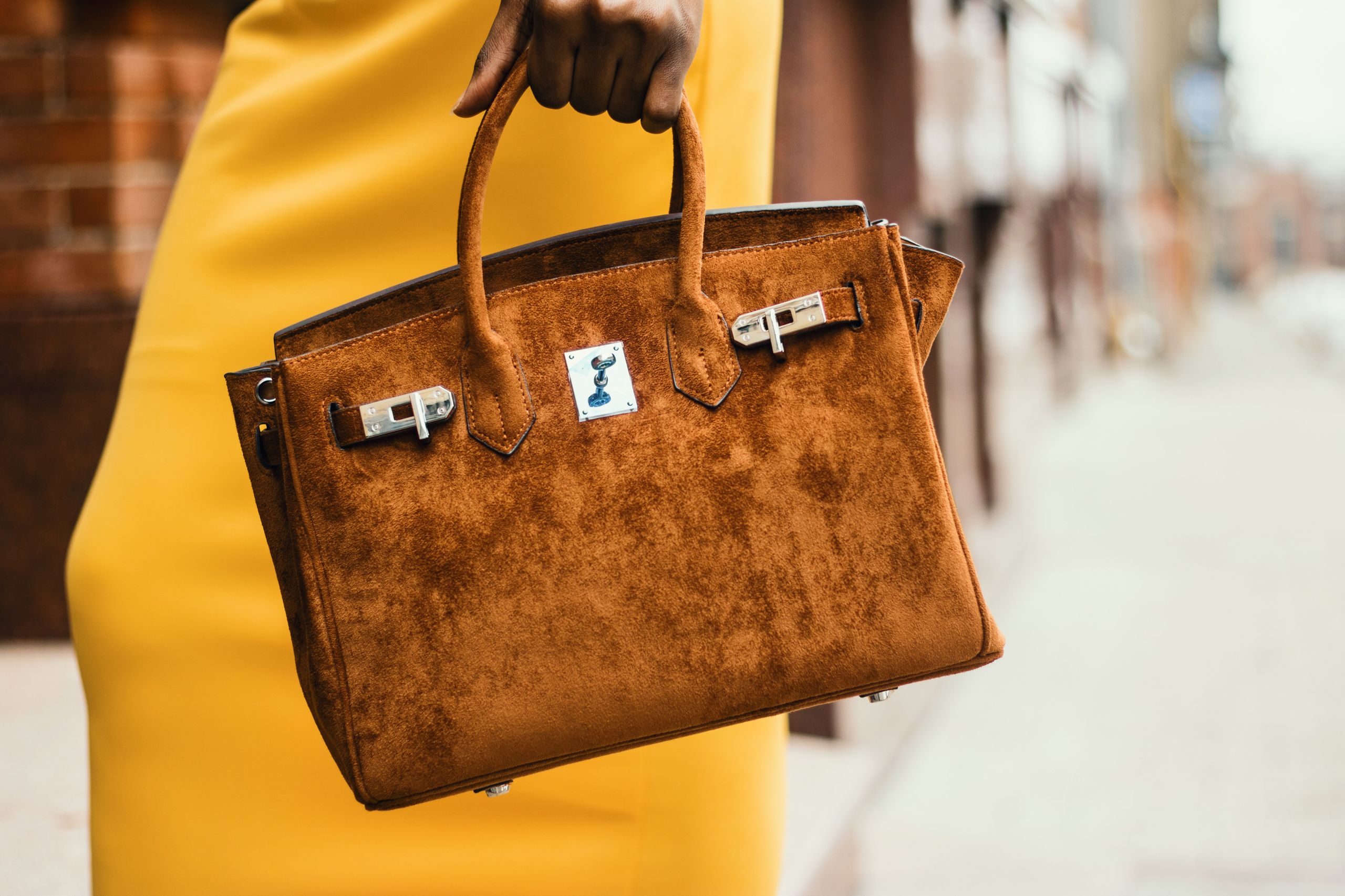
A teenager’s excitement over a handbag from a popular Singaporean fashion brand turned into a painful online controversy when strangers questioned whether she could call it a luxury item. But after 17-year-old Zoe Gabriel explained what the gift meant to her family, the story took a remarkable turn.
Contents
show
The Filipina TikTok creator had simply wanted to thank her father for buying her something special. Instead, she found herself defending her family’s financial circumstances to people who knew nothing about her upbringing. Her response eventually reached the founders of the very company that made the handbag, leading to an invitation and an opportunity she could hardly have anticipated.
The $80 Handbag That Started The Controversy
In January 2023, Gabriel shared a TikTok video celebrating a handbag from Charles & Keith, a Singapore-based fashion accessories brand. She was 17 at the time and thrilled to receive the bag, which cost around S$80, or approximately US$60 according to contemporary reports.
The video showed Gabriel unboxing her purchase and expressing gratitude to her father. She described it as her first luxury bag, a phrase that would soon attract more attention than the handbag itself.
For Gabriel, the gift represented something meaningful. Her father had worked hard to earn the money, and she wanted to share her happiness with the people who followed her online. The post was a personal celebration rather than an attempt to make a statement about fashion or wealth.

Image credits – Instagram @zoeaaleah
However, some viewers took issue with her choice of words. They questioned whether Charles & Keith deserved to be described as a luxury brand, comparing its products with other affordable fashion accessories and more expensive designer labels.
One commenter reportedly asked, “Who’s gonna tell her?” followed by a laughing emoji. Others suggested that Gabriel did not understand what luxury meant because the handbag was relatively inexpensive compared with high-end designer products.
The criticism spread as the video attracted millions of views. What had started as a cheerful moment between a daughter and her father became a debate about money, status and who had the right to describe an ordinary purchase as something special.
Zoe Revealed Why The Gift Meant So Much

Image credits – Instagram @zoeaaleah
Gabriel decided to respond to the criticism in a follow-up TikTok video. Rather than arguing about fashion labels, she explained that her family’s financial circumstances had shaped the way she viewed money and the things they could afford.
“Growing up, I did not have a lot. My family didn’t have a lot,” Gabriel said in her response.
She went on to explain that her family had experienced periods when even basic purchases were difficult. Buying bread from a popular Singaporean bakery could feel like a luxury, and her parents sometimes told the children they could get something another time, only for that opportunity never to arrive.
Her explanation offered a glimpse into an upbringing that the original commenters had never considered. The price of the handbag meant something different to her because of the sacrifices her family had made and the financial limitations they had experienced.
“To you, an $80 bag may not be a luxury. For me and my family, it is a lot, and I’m so grateful that my dad was able to get me one. He worked so hard for that money,” she said.
Gabriel also challenged the assumptions behind the comments, pointing out that people with greater financial privilege might struggle to understand why a relatively inexpensive item could mean so much to another family.
She appeared emotional while explaining her position and expressed disbelief that she had received criticism over a bag she had been excited to own. Her response quickly gained millions of views of its own, drawing attention to the personal story behind the purchase.
Why The Meaning Of Luxury Changes From Person To Person

The controversy exposed a familiar problem with conversations about money. People often judge the value of a purchase according to their own circumstances, forgetting that someone else’s experience might be completely different.
Luxury is frequently associated with exclusive designer labels, expensive materials and products that cost thousands of dollars. Under that definition, an $80 handbag from a high-street accessories retailer might not fit the image many consumers have in mind.
However, the word can also describe something desirable that a person rarely gets to enjoy. A purchase that feels routine to someone with disposable income can represent a significant treat for a household that has to budget carefully.
For one family, a restaurant meal might be an ordinary weekend activity. For another, it could require saving money for weeks or months. The same difference applies to clothing, technology, travel and other everyday experiences.
Gabriel’s handbag was meaningful because of the circumstances surrounding it. Her father had chosen to spend his hard-earned money on something that would make his daughter happy, and she appreciated the effort behind the gift.
That personal meaning could not be measured by comparing the handbag’s price with the cost of a more expensive designer product. Nor did Gabriel need to convince every viewer that Charles & Keith belonged in the same category as luxury fashion houses.
People could disagree about the brand’s classification without turning a teenager’s excitement into an opportunity for public humiliation. The distinction became especially clear once Gabriel explained the financial circumstances that had shaped her understanding of the purchase.
Thousands Of Viewers Began Supporting The Teenager

As Gabriel’s response circulated, many viewers began leaving encouraging messages beneath her videos. They praised her honesty, her gratitude toward her father and the way she addressed the criticism by explaining her experience.
One commenter wrote, “You have a good and caring dad.” Another praised the values she appeared to have learned at home, writing, “Your dad definitely raised you well.”
Other viewers connected with Gabriel’s story because they had experienced similar embarrassment while growing up. One person recalled being laughed at by schoolmates for carrying an inexpensive reusable shopping bag during high school.
Those responses showed that the controversy had touched a nerve among people who had felt judged because their families could not afford the same things as their peers. For some, the experience involved clothing or school supplies. For others, it meant missing holidays, expensive outings or the latest technology.
Financial differences can become particularly visible during adolescence, when young people are surrounded by classmates whose families may have very different budgets. An item that appears ordinary to one student can become a source of embarrassment for another.
Gabriel’s experience also showed how quickly an online conversation can move away from its original subject. A discussion about a handbag’s price had become a judgment about the teenager who owned it, even though viewers knew very little about her life.
Rather than allowing the criticism to define her experience, Gabriel thanked those who had shown her kindness. She encouraged people to remember that everyone’s financial circumstances and life experiences are different, adding that something inexpensive to one person could mean everything to another.
Charles & Keith’s Founders Invited Zoe And Her Father

Image credits – Instagram @zoeaaleah
Gabriel’s videos eventually reached Charles & Keith, the Singaporean accessories company founded by brothers Charles and Keith Wong in 1996. The brand took notice of the teenager’s response and the attention surrounding the incident.
According to reporting by The Straits Times, the founders invited Gabriel and her father to lunch at the company’s headquarters. They also arranged an exclusive behind-the-scenes tour, giving the pair an opportunity to learn more about the business.
The invitation marked a striking change from the criticism that had surrounded Gabriel’s original video. She had shared a moment of gratitude toward her father, faced ridicule from strangers and then received an invitation from the founders of the company whose product had started the conversation.
Gabriel later shared her appreciation for the visit on social media, describing the experience as enjoyable and welcoming. She said they had the opportunity to sit down with Keith Wong and learn more about the company.
Charles & Keith also responded warmly to her post, thanking Gabriel and her father for visiting the headquarters. The meeting allowed the family to experience the brand beyond the handbag that had become the subject of an online debate.
The company’s response offered a different approach to a viral controversy. Instead of distancing itself from the situation, the brand engaged with the teenager and acknowledged the experience that had brought her to public attention.
For Gabriel and her father, the invitation also created an opportunity to share a positive experience after a difficult episode online. The attention had started with criticism, but it was now opening doors neither of them could have expected when the handbag was first unwrapped.
The Teenager Became A Model For The Brand

The invitation to the headquarters was only the beginning of Gabriel’s relationship with Charles & Keith. In March 2023, the company featured her in an International Women’s Day campaign, sharing a photograph of the teenager modelling a lilac handbag.
Gabriel was named a brand ambassador and appeared alongside other women, including company employees and professional models. The campaign featured a special version of the brand’s bestselling Alia bag, which retailed for S$75.90, approximately US$56 at the time.
The development gave Gabriel an unexpected opportunity in fashion. The teenager who had been mocked for describing an affordable handbag as a luxury item was now modelling a product for the brand itself.
The campaign also connected the story to a wider initiative supporting women’s rights and safety online. Charles & Keith announced that 20% of proceeds from the bag would go towards a scheme led by UN Women, the United Nations entity dedicated to gender equality and women’s empowerment.
The company also pledged an annual donation of US$100,000 to the cause. In its announcement, Charles & Keith said the project would support the rights of women and girls in digital spaces and address online and technology-facilitated gender-based violence.
The campaign gave the partnership a purpose beyond publicity. Gabriel’s experience had demonstrated how personal attacks could spread across social media, while the initiative addressed the broader problem of abuse in digital spaces.
For the teenager, becoming a brand ambassador also represented a significant change in how her experience was viewed publicly. The handbag had initially prompted strangers to question her judgment. It had now become part of a campaign that gave her a platform alongside other women.
Her Story Sparked A Wider Conversation About Online Bullying

Gabriel’s experience attracted attention well beyond her original audience. Her videos accumulated millions of views, while the discussion surrounding them raised questions about wealth, privilege and the way people judge strangers online.
Some social media users celebrated the outcome after Charles & Keith announced the campaign. One Instagram commenter wrote, “Good for you Zoe!! Now all those who bashed you are now envying you.”
Another praised the brand for giving Gabriel a platform and said they intended to visit a Charles & Keith store to buy the campaign handbag. The supportive responses reflected the view that the teenager deserved recognition for handling the criticism with dignity.
Not everyone believed the controversy needed to become such a major story. Some observers suggested that the publicity had benefited both Gabriel and the company by bringing attention to the brand.
That observation did not erase the hurt caused by the original comments. It did, however, show how quickly a social media incident can develop in unexpected directions once a large audience becomes involved.
Gabriel could not have known that a video thanking her father would eventually lead to a meeting with the company’s founders and a modelling opportunity. She had posted about something personal, only to discover that thousands of strangers were willing to judge her without knowing her circumstances.
Her response gave viewers a different way to understand the situation. She spoke honestly about her family’s experiences, explained why the gift mattered and thanked the people who supported her rather than turning the exchange into a prolonged personal attack.
The incident also demonstrated how public attention can shift when someone explains the story behind a moment that others have misunderstood. Once viewers heard about Gabriel’s upbringing, the conversation was no longer limited to whether a handbag qualified as luxury fashion.
The Real Value Of Her Father’s Gift Was Never Its Price
Gabriel’s experience showed how little a price tag can reveal about the meaning of a possession. An $80 handbag can be an ordinary purchase for one person and a treasured gift for another, depending on income, family circumstances and the sacrifices required to afford it.
There is nothing wrong with having different definitions of luxury. Problems arise when people treat their own financial circumstances as the standard everyone else must follow, then use that standard to ridicule someone who sees things differently.
Gabriel’s father had bought his daughter something she wanted, and she had celebrated the gesture publicly. The criticism that followed forced her to explain why the purchase meant so much, but it also brought her story to people who understood the importance of appreciating what others do for us.
Her response eventually led to an invitation from Charles & Keith’s founders and a role in the company’s International Women’s Day campaign. The outcome was unexpected, but the meaning behind the original gift remained the same.
The handbag did not become more valuable because a fashion company recognised Gabriel, and her family’s experiences did not become less meaningful because strangers had questioned her choice of words. The real value was already there, in the effort her father had made to give his daughter something special.
A person does not need an expensive designer label to appreciate a gift. Sometimes the most meaningful purchase is the one that tells someone they are loved, and no stranger on the internet gets to decide what that is worth.