
Your cart is currently empty!
Obama Launches Fresh Attack on Trump as President Hits Back With Fiery Response
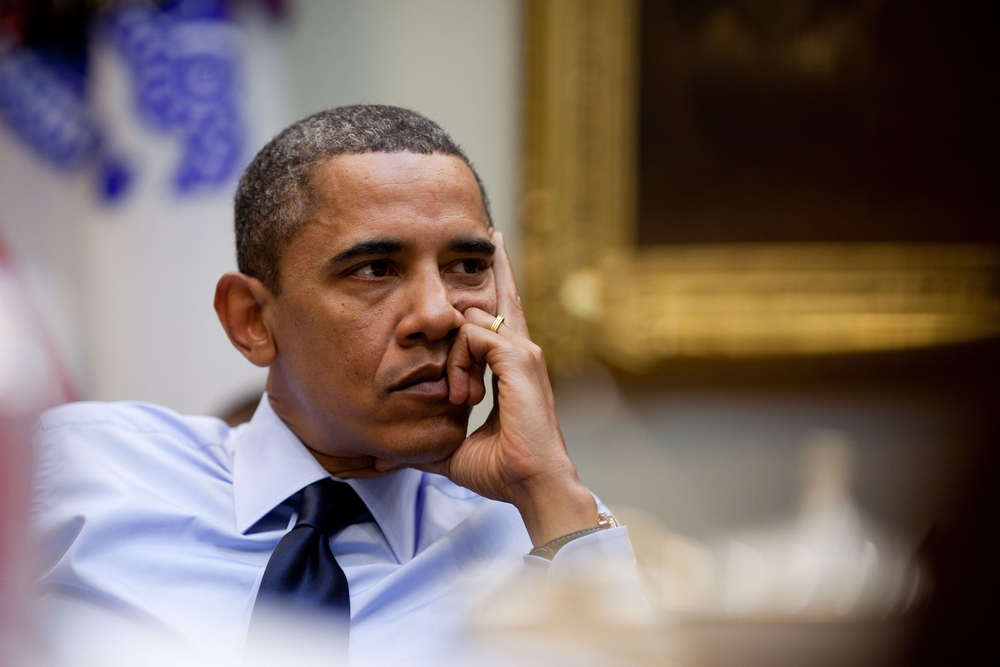
Barack Obama has intensified his criticism of Donald Trump just days before the US midterm elections, accusing the president of corruption, incompetence and policies that have increased pressure on American households. The former president delivered the remarks during campaign appearances in Ohio and Michigan on Saturday, October 24, urging voters to hold the administration accountable as Democrats fight to strengthen their position in Congress and across key state races.
Contents
show
Trump responded the following morning with a series of attacks on Obama’s presidential record and Democratic Senate candidate Abdul El-Sayed. The exchange brought the two political rivals back into direct confrontation, with disagreements over the economy, the war with Iran, presidential conduct and campaign tactics dominating their latest clash. Both men used the moment to challenge the other’s record while appealing to voters ahead of the November 3 elections.
Obama Accuses Trump of Corruption and Failed Promises
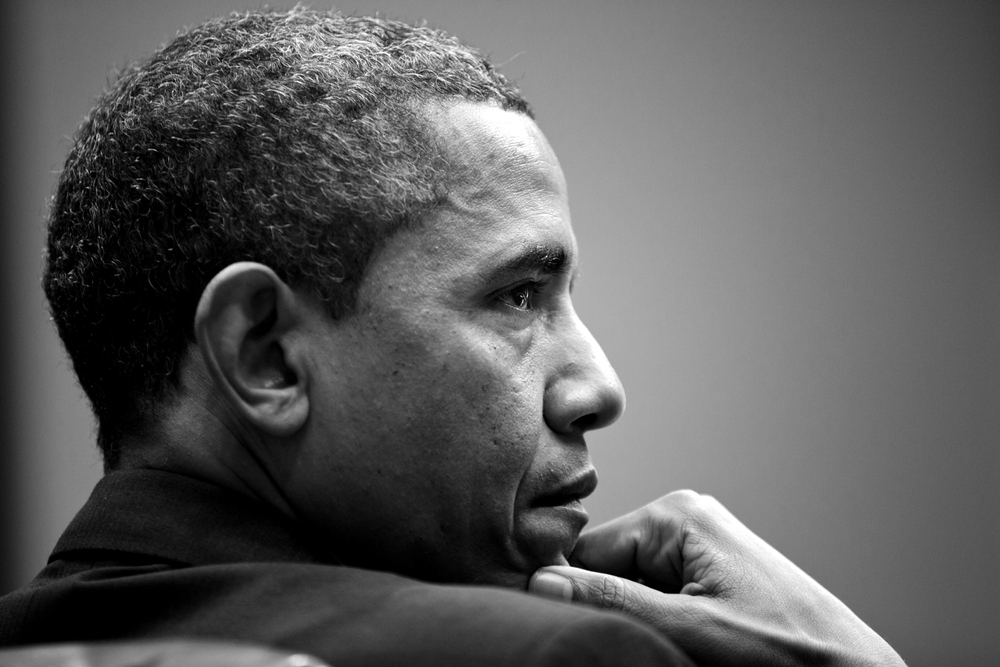
Obama addressed supporters in Cleveland, where he campaigned for Democratic Senate candidate Sherrod Brown and gubernatorial candidate Amy Acton. His speech focused on what he described as failures during Trump’s second term, including rising living costs, controversial policy decisions and concerns about the administration’s conduct. Obama argued that voters had an opportunity to respond through the midterm elections, presenting the contests as a chance to demand greater accountability from the president and his allies.
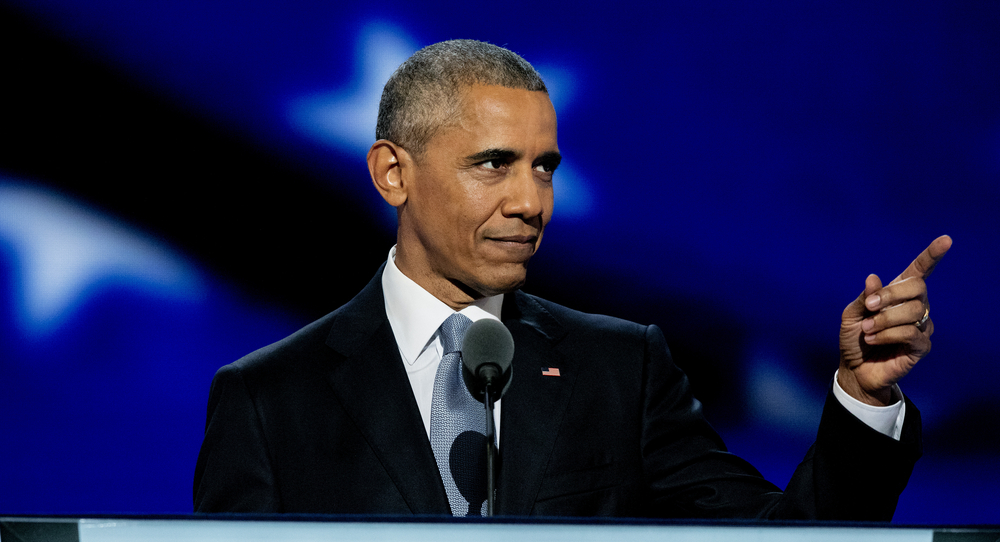
“After two years of chaos and cruelty and corruption and incompetence, the likes of which we have not seen in modern times, you get a chance to say enough is enough,” Obama declared. He also criticised Trump’s handling of the economy and blamed the administration’s decisions for failing to deliver the lower consumer prices promised during the campaign. Turning to the war with Iran, Obama said, “The current president chose to make a series of bad decisions,” before adding, “Most importantly, he decided to start an unnecessary war that nobody asked for, nobody voted for.”
The former president’s remarks placed economic concerns and foreign policy at the centre of his argument against the administration. Rising household expenses have remained a significant issue in American political debate, while the conflict with Iran has created another point of disagreement between Republicans and Democrats. Obama’s comments were intended to connect those concerns with the choices made by the White House, although his claims about the causes of rising costs and the war’s consequences remain part of a wider political dispute.
Trump’s White House Renovations Become a Target
Obama also took aim at Trump’s extensive White House renovation projects, including plans for a ballroom and the addition of gold decorations. The former president used humour to question the president’s priorities, suggesting that the attention given to changes inside the executive residence contrasted with the financial pressures facing ordinary Americans. His comments added a personal dimension to a speech that otherwise concentrated on government policy, economic conditions and political accountability.
“He’s got the White House looking like Saddam Hussein opened a Cheesecake Factory,” Obama mocked. He followed the remark by saying, “He should be on HGTV,” referring to the home renovation television network. The comments drew a contrast between Trump’s visible interest in redesigning the presidential residence and Obama’s argument that the administration should focus more heavily on the cost of living and the concerns raised by American families.
The dispute over the renovations has become another source of political criticism surrounding Trump’s second term. Supporters of the president may view improvements to the White House as part of maintaining an important national building, while critics have questioned the scale and timing of the projects. Obama’s speech used the renovations as a way to reinforce his broader message about presidential priorities, turning an architectural issue into a campaign argument over leadership and public concerns.
Obama Raises Allegations About Trump’s Financial Interests
During his appearance in Detroit, Obama expanded his criticism by questioning whether Trump had benefited financially from his position as president. Campaigning alongside Democratic Senate nominee Abdul El-Sayed and gubernatorial candidate Jocelyn Benson, Obama alleged that the president had become billions of dollars wealthier while in office and argued that the public deserved answers about potential conflicts of interest. His remarks moved the dispute beyond policy disagreements and towards questions about the relationship between political power and private business interests.
“We have never seen a president excel in straight-up grifting, on your dime, like this,” Obama charged. He also accused Trump of selling political favours, adding, “Never seen a president so intent on selling favors like this.” Obama cited an allegation involving a Venezuelan billionaire who supposedly sought a pardon after paying $50 million to one of Trump’s personal lawyers for a senior role at a company. He presented the alleged arrangement as an example of the conduct he believes requires closer scrutiny.
The allegations are serious, but the campaign remarks alone do not establish criminal wrongdoing or independently verify the details of the alleged transaction. Questions about presidential financial interests require documentary evidence and careful examination of the circumstances surrounding any payment, business arrangement or pardon. Trump has rejected repeated criticism of his conduct, and the accusations exchanged during the campaign should be distinguished from findings established through official investigations or court proceedings.
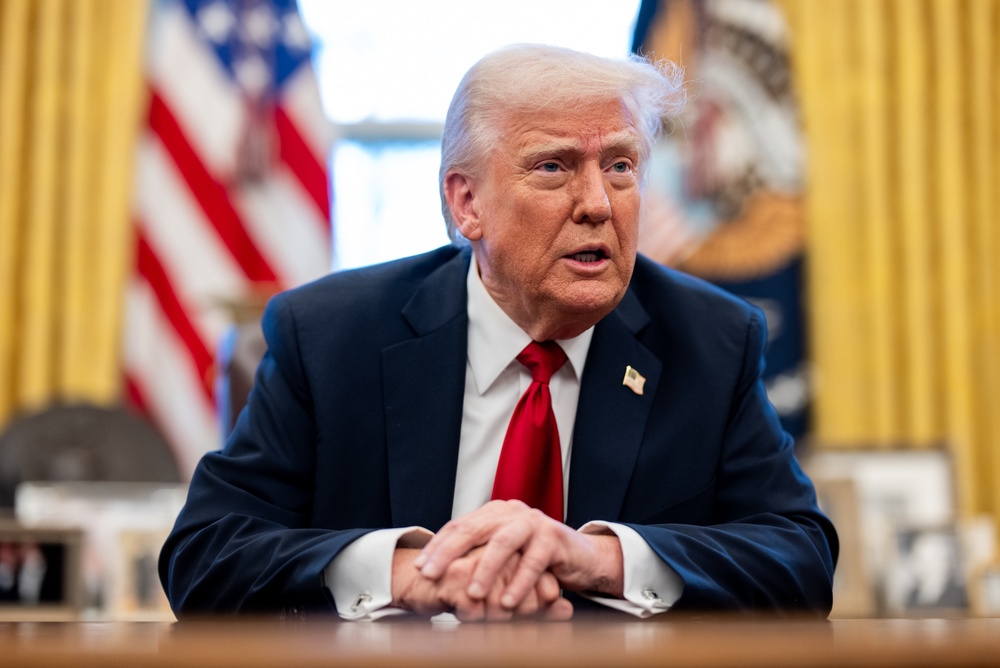
Obama urged voters to use the elections to put greater pressure on the administration and its Republican allies. “We got to flip that circuit breaker, bring some accountability to this government,” he told supporters. His message sought to connect questions about presidential conduct with the practical power of voters to choose their representatives, making accountability a central theme of his campaign appearances.
Trump Fires Back at Obama and Democratic Candidate
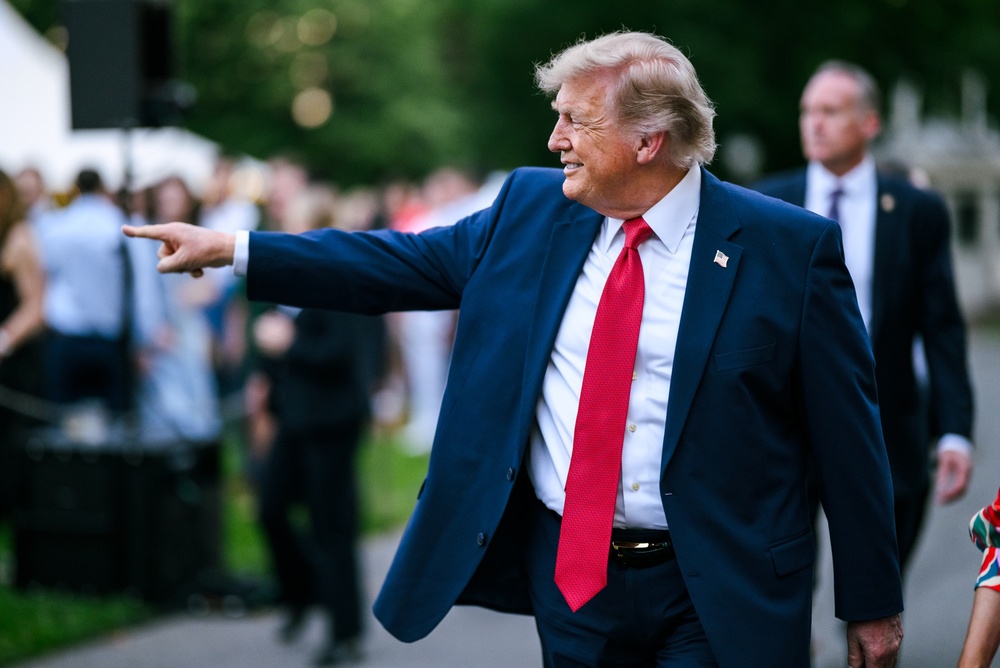
Trump responded early Sunday through a Truth Social post that attacked Obama’s presidency and his record of supporting Democratic presidential candidates. He criticised Obama’s unsuccessful efforts to elect Hillary Clinton in 2016 and Kamala Harris in 2024, arguing that the former president’s campaign appearances had failed to produce the results he wanted. The response shifted the exchange from Obama’s criticism of the current administration to a broader argument about the political records of both presidents.
“Obama was a grossly incompetent President! He paid off Iran with $Billions, and gave them a road to a Nuclear Weapon,” Trump wrote. He also referred to Obama’s support for Clinton and Harris, saying both candidates had lost despite receiving his backing. Trump’s remarks revived longstanding disagreements over Iran policy and the Obama administration’s approach to international diplomacy, issues that have continued to shape political arguments between the two parties.
The president then turned his attention to El-Sayed, who is running against Republican Senate nominee Mike Rogers in Michigan. Trump made allegations about the Democrat’s professional credentials, political associations and views on religious and racial issues. “He’s a Fake Doctor, who runs what is considered to be the WORST CLINIC IN AMERICA,” Trump alleged. Those claims should be treated as accusations made during a political dispute rather than accepted as established findings without supporting evidence.
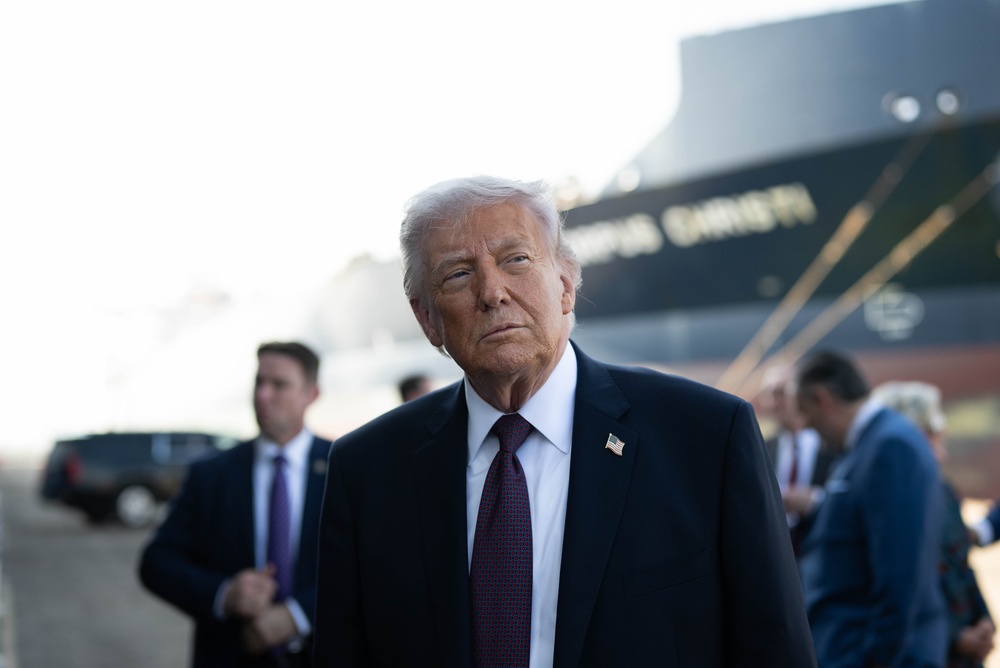
Trump also defended his record in Michigan, claiming that his policies had helped revive the automotive industry, supported military facilities and increased employment. “I won Michigan, BIG, have brought back the Car Industry, the Air Force Base, and everything else. Also, more jobs than ever before,” he wrote. His response sought to counter Obama’s criticism by presenting his administration’s economic record as a reason for voters to support Republican candidates.
Ohio and Michigan Races Draw National Attention
Obama’s campaign appearances came as Democrats sought to make the midterm elections a test of Trump’s second term. In Ohio, he appeared with Brown and Acton, who are challenging Republicans in high-profile Senate and gubernatorial contests. The former president’s involvement offered Democratic candidates an opportunity to connect their local campaigns with a national argument about the economy, the administration’s decisions and the conduct of political leaders.
The Ohio gubernatorial contest has also been marked by controversy over an advertisement featuring Acton’s estranged mother disputing aspects of her daughter’s accounts of childhood abuse and homelessness. Republican nominee Vivek Ramaswamy has defended the advertisement, while Obama condemned the approach during his speech. “In recent days, we’ve seen there is no line he will not cross, no low he will not sink to,” Obama said. The disagreement has added a personal and highly contentious issue to a campaign already shaped by wider arguments over state and national politics.
In Michigan, Obama’s support for El-Sayed and Benson placed the state’s races within the same national debate. El-Sayed faces Republican Mike Rogers in the Senate contest, while Benson is seeking the governorship for the Democrats. Trump’s direct criticism of El-Sayed has brought additional attention to the Senate race, although voters will also be weighing the candidates’ policies, qualifications and records as they decide how to cast their ballots.
The campaigns reflect competing approaches to the midterms. Democrats are emphasising concerns about Trump’s policies and presidential accountability, while Republicans are defending the administration’s record and attacking Democratic candidates. The election results will determine how much political support each party retains as the country moves into the next phase of Trump’s presidency.
The Rivalry Between Obama and Trump Continues
Obama and Trump have been political opponents for years, clashing over foreign policy, immigration, presidential conduct and the direction of American government. Their latest exchange shows that the rivalry remains a prominent feature of national campaigning, particularly when Obama takes an active role in supporting Democratic candidates. His return to the campaign trail has provided Democrats with a nationally recognised figure to challenge the president’s record in key electoral contests.
Trump’s response has demonstrated his willingness to make Obama and the Democrats he supports central targets of his own political messaging. Rather than allowing the criticism to stand unanswered, the president used his social media platform to challenge Obama’s record and question El-Sayed’s credentials. The exchange has placed personal attacks alongside substantive disputes about economic conditions, the Iran conflict and the standards expected of elected officials.
The immediate political test will arrive on November 3, when voters decide the outcomes of congressional and state-level races. Obama’s allegations and Trump’s counterattacks have added intensity to the final stretch of campaigning, but the competing claims must still be assessed against verifiable evidence and the candidates’ records. For voters, the central question is which policies and representatives they believe will best address the country’s economic, security and governance challenges.