
Your cart is currently empty!
Scientists Map the Countries Facing the Deadliest Super El Niño Heat Risks
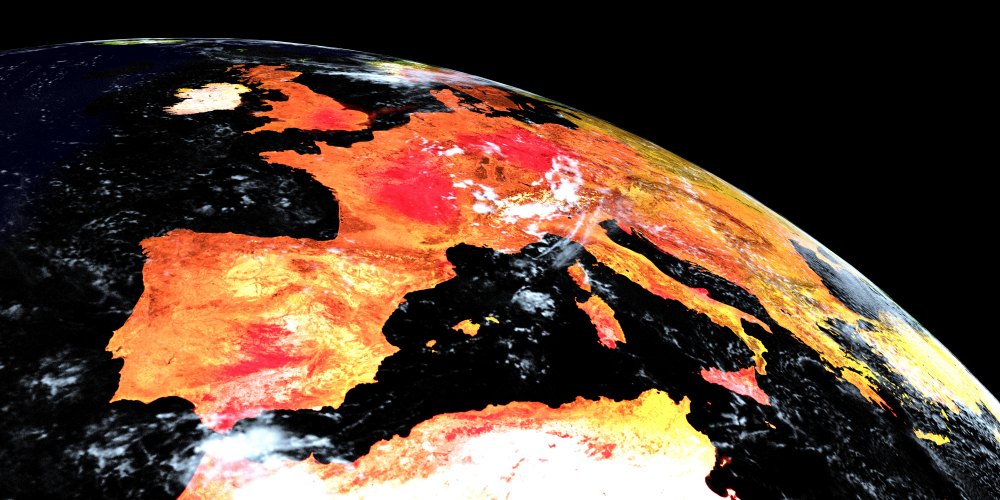
A new climate forecasting tool has identified regions that could face devastating consequences as an exceptionally strong El Niño continues to influence weather patterns across the planet. Its latest projections estimate that hundreds of thousands of additional heat-related deaths could occur within the coming months.
Contents
show
The Climate Impact Lab’s El Niño Heat Mortality Tracker places Nigeria, India and Brazil among the countries facing the greatest projected losses. Researchers estimate that the current event could contribute to 857,400 additional heat-related deaths worldwide between June 2026 and March 2027, raising urgent questions about how governments can protect vulnerable populations before temperatures climb further.
A New Climate Map Reveals Where Heat Could Turn Deadly
The El Niño Heat Mortality Tracker was developed by the Climate Impact Lab to estimate the human cost of extreme heat associated with the current weather phenomenon. Rather than simply displaying temperature forecasts, the tool estimates additional heat-related mortality across thousands of regions worldwide, providing a detailed picture of where the greatest risks could emerge.
According to the supplied reports, the latest projection places the potential number of additional deaths between June 2026 and March 2027 at 857,400. The tracker estimates that approximately 373,000 additional heat-related deaths could occur between October 2026 and March 2027 alone, suggesting that the coming months could account for a substantial share of the projected toll.
These figures represent modeled estimates rather than a confirmed count of individual deaths. Researchers compare the expected effects of heat during the current event with average conditions recorded between 1996 and 2005 to estimate the additional mortality associated with the changing climate conditions.
The tool is updated monthly and provides forecasts covering the following six months. That approach allows researchers to revise their estimates as observed temperatures change and new information becomes available, helping decision-makers identify areas that may require additional assistance.
Nigeria, India And Brazil Face Particularly High Risks
The tracker identifies several countries where the projected human cost of extreme heat could be especially severe. Nigeria, India and Brazil are expected to account for more than a third of the additional heat-related deaths projected between October 2026 and March 2027, according to the supplied reports.
Nigeria faces the highest projected toll among the three countries, with approximately 56,100 additional deaths estimated during that period. India follows with around 55,200, while Brazil could experience approximately 19,500 additional heat-related deaths.
The figures illustrate how widely the effects of a global climate phenomenon can vary between countries. Although El Niño originates in the Pacific Ocean, its influence on atmospheric circulation can alter temperatures and rainfall across regions thousands of miles away.
Other countries also appear among the tracker’s projected hotspots. Indonesia could experience approximately 29,300 additional heat-related deaths between October and March, while Sudan faces an estimated 14,700.
These estimates describe potential additional mortality associated with the heat conditions modeled by researchers. They should not be interpreted as guaranteed outcomes or as verified counts of people who have already died.
Why India Is Facing Such A Serious Heat Threat
India is among the countries identified as facing a substantial projected heat-related mortality burden during the current El Niño. The supplied reports estimate approximately 55,200 additional deaths between October 2026 and March 2027, although the figures remain forecasts rather than confirmed outcomes.
The country’s exposure to extreme heat is particularly relevant because El Niño can influence the monsoon system. Changes in rainfall patterns can affect water availability, agriculture and the conditions in which people work and live, adding pressure when temperatures remain unusually high.
The supplied references also report that more than 100,000 people in India are estimated to have died from extreme heat since the event began in June 2026. That figure is presented as an estimate associated with the tracker, rather than a verified individual death count.
Heat can affect people differently depending on their circumstances and access to essential resources. Outdoor workers, older adults and people without reliable access to cooling can face heightened risks when temperatures become dangerous, particularly if high temperatures persist over several days.
Disrupted rainfall can introduce further difficulties for communities already dealing with heat exposure. When water supplies become strained or agricultural conditions deteriorate, families may face additional pressure alongside the immediate health risks associated with high temperatures.
The tracker offers a way to identify where those risks could become most severe. However, translating forecasts into meaningful protection will depend on how effectively authorities use the information to prepare communities and direct resources.
What Makes This El Niño Different From An Ordinary Event

El Niño is part of a recurring climate pattern known as the El Niño-Southern Oscillation, or ENSO. It occurs when sea surface temperatures in the central and eastern tropical Pacific become warmer than average, influencing winds, rainfall and temperature patterns across different parts of the world.
The pattern alternates irregularly between El Niño, La Niña and neutral conditions, generally over periods of two to seven years. El Niño is the warmer phase, while La Niña involves cooler-than-average sea surface temperatures in the same broad region of the Pacific.
The supplied reports describe the current event as exceptionally strong. One reference states that temperatures in the Niño 3.4 region of the east-central Pacific reached approximately 3.4°C above normal during the week of October 18 to 24, 2026.
That reported figure concerns sea surface temperatures in a specific Pacific region. It does not mean that air temperatures around the world have increased by the same amount, since the relationship between ocean conditions and local weather varies considerably.
The World Meteorological Organization was also cited in the supplied reports as warning about the event’s unusual strength. However, the precise classification and development of the event should be assessed using the latest official climate updates rather than relying on dramatic labels alone.
An exceptionally strong El Niño can influence weather patterns over extensive areas, but its effects are not uniform. Some regions may experience severe drought, while others face heavier rainfall, flooding or changes in seasonal temperatures.
How El Niño Can Disrupt Weather Across Continents
The Pacific Ocean plays a major role in the climate system because changes in its surface temperatures can influence atmospheric circulation. During El Niño, the usual pattern of easterly trade winds along the equator weakens, allowing warm surface water to shift eastward and changing where heat and moisture move through the atmosphere.
Those changes can affect rainfall over Indonesia, parts of South Asia and regions of the Americas. The resulting weather disruptions can create different challenges depending on local geography, infrastructure and the time of year.
Drought And Wildfires Can Threaten Water Supplies
El Niño is associated with reduced rainfall in parts of Indonesia, increasing the potential for dry conditions and wildfires. The supplied reports identify wildfires in Indonesia and drought in Central America among the effects associated with the current event.
Prolonged dry conditions can affect agriculture and put pressure on drinking water supplies. When drought coincides with unusually high temperatures, vegetation can dry out more quickly and fires may become harder to control.
Heavy Rainfall Can Bring Flooding And Storm Damage
Other regions can experience increased rainfall as atmospheric circulation changes. Heavy rain can overwhelm drainage systems, damage roads and homes, and disrupt access to essential services.
The supplied reports also describe the possibility of stormier conditions in parts of the United States and the United Kingdom. These are regional forecasts that require continued monitoring, rather than proof that every predicted storm or weather disruption will occur.
Monsoon Disruptions Can Affect Communities In Asia
Changes to monsoon rainfall can have serious consequences for communities that depend on seasonal precipitation. Insufficient rain may affect crops and water availability, while unusually heavy rainfall can create flooding and damage infrastructure.
India is among the countries where the supplied references identify concerns about monsoon disruption. The extent of the effects will depend on how rainfall develops across different regions and how communities respond to changing conditions.
Climate Change Adds Pressure To Rising Heat Risks
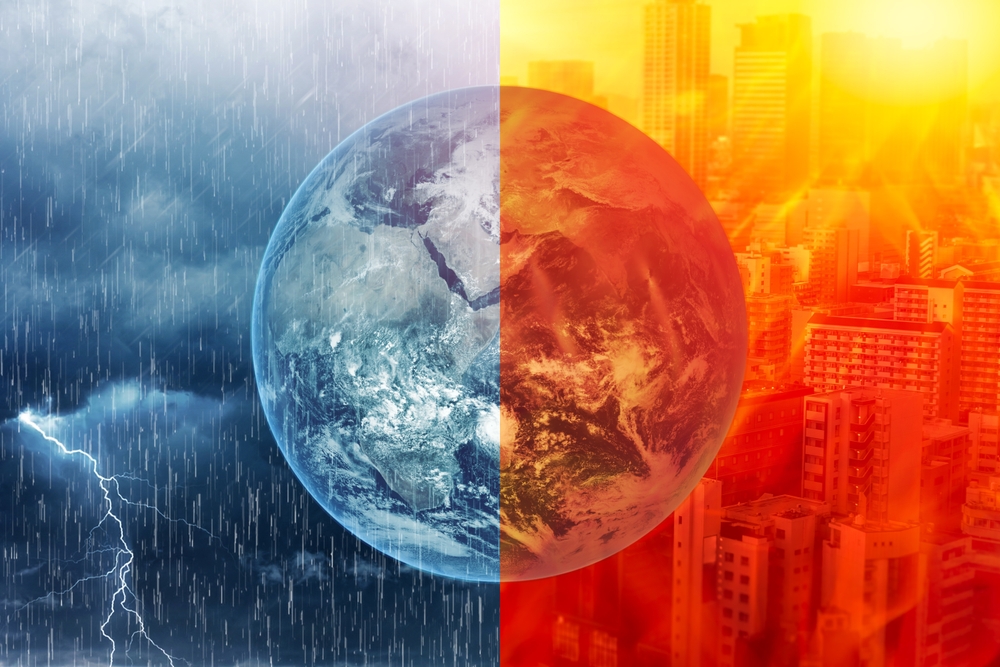
The current El Niño is unfolding alongside long-term human-caused global warming. As average temperatures rise, many regions begin from a warmer baseline, making additional periods of extreme heat more dangerous for people and ecosystems.
El Niño and global warming are different processes, although their effects can overlap. El Niño is a natural climate pattern, while human-caused global warming results primarily from greenhouse gases released through activities such as burning fossil fuels.
When a strong El Niño occurs in an already warming climate, temperatures can reach higher levels than they would under cooler background conditions. This combination can increase pressure on public health systems and make it harder for vulnerable communities to cope with prolonged heat.
The supplied reports state that the tracker’s projected total increased by more than 350,000 additional deaths compared with an estimate published only weeks earlier. Researchers reportedly linked the increase partly to August and September being hotter than anticipated, resulting in higher modeled heat-related mortality.
The change demonstrates how sensitive mortality projections can be to observed weather conditions and updated information. It also reinforces the need to distinguish between a forecast that changes over time and a final assessment of what actually happened.
The available references do not establish that every projected death can be attributed exclusively to El Niño. Instead, the tracker estimates additional mortality associated with the heat conditions linked to the event, using its comparison with historical average conditions.
How The Tracker Could Help Save Lives

The Climate Impact Lab designed the tool to help governments, aid organizations and other decision-makers identify where extreme heat could cause the greatest harm. By offering estimates across thousands of regions, the tracker can help authorities prioritise resources rather than relying only on broad national temperature forecasts.
Michael Greenstone, a co-founder of the Climate Impact Lab and a professor of economics at the University of Chicago, explained the purpose of the research in the supplied reports. “Our research puts new forecasting capabilities to work to answer one of the most urgent questions we face: where is extreme heat likely to cost lives?” he said.
Greenstone also explained that identifying the areas at greatest risk could give decision-makers time to act before lives are lost. The value of the tool therefore depends on whether its forecasts lead to practical measures that reach the people who need them.
The reports identify several interventions that authorities can use to reduce the dangers associated with extreme heat. These include early warning systems, expanded healthcare access, reliable water supplies and cooling centres where people can find relief from dangerous temperatures.
Early warnings can give communities time to prepare for periods of severe heat. Cooling facilities and access to safe drinking water can offer practical protection, while healthcare services can help people experiencing heat-related illness receive timely assistance.
Governments can also use regional forecasts to identify where additional support may be needed. The most useful response will depend on local conditions, including the availability of electricity, healthcare services, water infrastructure and suitable public facilities.
The forecasts alone cannot prevent heat-related deaths. Their practical value comes from connecting information about future risks with decisions about where to send assistance and how to protect people before dangerous conditions arrive.
What The Coming Months Could Mean For Vulnerable Communities
The tracker projects that substantial heat-related mortality risks will remain concentrated across parts of Africa, India and South America through March 2027. Other regions may also face consequences from changing rainfall patterns, including drought, flooding and storm activity.
The supplied reports suggest that some areas of the United States could experience more storms and rain, while parts of Europe may continue to face elevated temperatures. These regional expectations should be treated as forecasts, since the effects of El Niño depend on atmospheric conditions and can change as the event develops.
The possibility of severe heat also raises questions about how communities prepare for climate-related emergencies. Authorities need access to reliable information, but they also need the resources and planning required to turn that information into effective protection.
For people living in regions facing dangerous temperatures, access to drinking water, shaded spaces, cooling facilities and timely health information can make a meaningful difference. Public warnings are most useful when people have practical options for reducing their exposure to heat.
The tracker offers a detailed estimate of where the human consequences could be greatest, but its figures will continue to depend on changing conditions and updated modeling. Monitoring those changes can help decision-makers focus attention on the regions where preparation is most urgently needed.
The projected death toll is not inevitable, and it should not be presented as a confirmed outcome. What happens next will depend partly on how quickly governments and communities respond to the risks identified by the forecasts, particularly in places where extreme heat already threatens lives and livelihoods.