
Your cart is currently empty!
Florida Crash Learjet Had Terrifying Turbulence Encounter Months Before Disaster

The private jet that crashed in Florida, killing nine people, had reportedly encountered severe turbulence during an earlier flight, according to newly resurfaced air traffic control audio. The recording captures a controller challenging the crew after they struggled to maintain altitude, warning them that the conditions were far more serious than their initial description suggested.
Contents
show
The earlier incident happened months before the November 1 disaster in Palm Beach County. Now, with investigators examining the aircraft’s final flight, the recording has drawn renewed attention to the Learjet 60’s history and the circumstances surrounding its fatal descent.
Chilling Recording Reveals Earlier Turbulence Encounter
The U.S. Sun reports that it obtained audio of an incident involving the same Learjet 60 in May, when the aircraft was flying near Newark, New Jersey. During the exchange, a female pilot contacted air traffic control to report that the aircraft was experiencing what she described as “moderate chop” and was struggling to maintain its altitude.
The controller immediately questioned the crew’s assessment after hearing that the aircraft could not hold its assigned altitude. The response was direct, with the controller telling the pilot, “If you can’t maintain altitude, that’s not moderate. That’s severe turbulence.”
The conversation began when the controller noticed the aircraft climbing and asked, “November Two Bravo Delta, why are you climbing?” The female pilot responded that the crew had been preparing to contact air traffic control and explained that they were experiencing turbulence that was affecting their ability to maintain altitude.
“We’re experiencing moderate chop and unable to hold altitude, Two Bravo Delta,” she told the controller.
The controller then instructed the aircraft to descend to 4,000 feet and reiterated that the conditions required attention. The controller also warned the crew about another business jet operating nearby, adding another concern during an already difficult flight.
However, the crew continued describing the turbulence as moderate. A male pilot subsequently joined the exchange and repeated the assessment, telling the controller, “We’ve got moderate chop, sir.”
That description prompted another challenge from air traffic control. The controller again pointed out that an aircraft unable to maintain altitude was experiencing conditions that should be classified as severe turbulence, before asking the crew directly whether they were encountering severe turbulence.
Both pilots responded, “Affirmative.”
The controller later asked whether anyone aboard had suffered injuries during the incident. The female pilot confirmed that nobody had been injured at that point, although the aircraft was still experiencing severe turbulence.
“No injuries as of now, but we’re still experiencing severe turbulence,” she reported.
The recording provides a detailed account of the earlier encounter and shows the controller repeatedly questioning the crew’s description of the conditions. However, the identities of the pilots heard speaking have not been established, and there is no confirmation that either was part of Sunday’s flight crew.
The Aircraft Was Identified As The Same Learjet 60
One particularly significant detail connects the May recording to the Florida disaster. According to the reports, the aircraft involved in the earlier turbulence incident was the exact same Learjet 60 that crashed in Palm Beach County months later.
The aircraft carried the Federal Aviation Administration registration number N722BD. The matching registration identifies the same aircraft in both incidents, although it does not establish that the earlier turbulence encounter contributed to the eventual crash.
The May recording was first reported by MailOnline, which obtained information through the ATC App. The U.S. Sun subsequently reported obtaining the audio of the earlier encounter, bringing renewed attention to the aircraft’s previous flight.
There is still an important unanswered question surrounding the female pilot heard communicating with the controller. Investigators and the reports have not confirmed whether she was Nathalia Gadelha Filgueiras, the 20-year-old co-pilot who died in Sunday’s disaster.
The male pilot’s identity has also not been established. Consequently, the recording cannot currently be used to determine which crew members were operating the aircraft during the earlier incident.
Nevertheless, the aircraft’s registration makes the connection between the two events significant to the developing story. The earlier encounter is now part of the information attracting attention as investigators examine the Learjet’s history, its operating conditions and the events leading to the fatal flight.
Nine People Were Killed In The Florida Disaster
The Learjet 60 crashed in Palm Beach County on Sunday, November 1, while travelling from Austin, Texas, to North Eleuthera in the Bahamas. All nine people aboard died in the disaster, including an entire family travelling with close friends and their nanny.
Among the victims was technology entrepreneur Adam Robinson, who was identified in reports as 45 years old. His wife, Helen, 40, was also aboard the aircraft, alongside their two young children, Emma, four, and Charlie, two.
The family was travelling with two close friends, Rachael Reed and Charmi Fehr. Their nanny, Anita Maria Apellido Cetina, was also among those killed in the crash.
The aircraft’s captain, Jeffrey Gregory, 55, and co-pilot Nathalia Gadelha Filgueiras, 20, also lost their lives. The deaths left several families grieving after what had been a journey that was supposed to take the passengers to the Bahamas.
The Robinson family released a statement on Monday remembering Adam and Helen for their warmth and generosity. They described the loss as devastating and said their absence would be deeply felt by the people who loved them.
The family also remembered Reed and Fehr as people who were “full of joy and adventure.” Cetina was honoured for the tenderness and devotion she showed while caring for the children.
The personal details emerging about those aboard have added another heartbreaking dimension to the investigation. The aircraft was carrying young children, family members and people close to one another, alongside the two pilots responsible for operating the flight.
As investigators work to establish the cause, the families of the victims are left waiting for answers about the final moments of the journey.
What Happened During The Aircraft’s Final Minutes?

Information released following the crash has revealed a frightening sequence of communications between the Learjet crew and air traffic control. The aircraft was reportedly flying at approximately 35,000 feet when the crew encountered weather conditions involving icing and turbulence.
The pilots initially reported “light clear ice” and moderate turbulence that was causing altitude deviations of approximately 700 feet. These conditions became an important part of the information investigators began examining after the disaster.
During the flight, the crew communicated with air traffic control about the weather and requested permission to climb to 37,000 feet. The request was approved, allowing the Learjet to move to the higher altitude.
However, less than 30 seconds after receiving approval, the aircraft began descending rapidly. The crew issued a mayday call and reported an overspeed condition as they attempted to respond to the emergency.
The emergency transmission reportedly included the words, “We are in an overspeed condition, descending 20,000ft per minute.”
The communication revealed the extraordinary rate at which the aircraft was losing altitude. The situation was deteriorating quickly, leaving the crew attempting to manage an emergency while communicating with air traffic control.
National Transportation Safety Board member Tom Chapman confirmed details of the transmission during a press conference on Monday. The information provided a clearer picture of the severity of the aircraft’s final descent and the communications taking place as the crew attempted to deal with it.
The co-pilot continued reporting the aircraft’s loss of altitude as the emergency unfolded. Another transmission reportedly captured her saying, “We’re descending 8,000, mayday, mayday, we’re descending 10,000ft per minute.”
The reported descent figures demonstrated how rapidly the situation was changing. The crew was struggling to regain control while the aircraft continued losing altitude.
The final moments of the audio were particularly distressing. The captain could reportedly be heard reciting the Lord’s Prayer as the emergency continued, before Filgueiras made a final desperate statement indicating that they were running out of time.
The co-pilot was reportedly heard saying, “holy f**k we’re out of time,” before the communication went silent.
The recording has drawn attention because it captures the crew’s final attempts to deal with the unfolding emergency. However, investigators must still establish precisely what caused the aircraft to enter such a rapid descent.
Severe Weather And Icing Are Major Investigation Priorities
Weather conditions are expected to remain a central focus of the investigation into the Learjet crash. The aircraft encountered turbulence and icing during its final flight, and officials are examining how these conditions may have affected its operation.
According to information reported after the disaster, the aircraft was travelling through temperatures of approximately -50 degrees Fahrenheit when the crew began dealing with the conditions. The pilots communicated with air traffic control about ice affecting the flight and requested permission to climb.
The crew’s report of “light clear ice” and moderate turbulence is particularly relevant because the aircraft subsequently experienced significant altitude deviations. The request to climb to 37,000 feet also forms part of the sequence investigators are reconstructing.
The earlier May recording has attracted attention because it involved another encounter in which the same aircraft reportedly struggled to maintain altitude during severe turbulence. In that incident, the controller specifically challenged the crew’s description of the conditions.
However, the two incidents occurred months apart, and their connection remains uncertain. The earlier turbulence encounter does not establish that the aircraft had a persistent mechanical issue or that it played any role in Sunday’s crash.
Investigators will need to assess the available evidence before reaching conclusions about the aircraft’s behaviour. That includes examining weather information alongside the communications and physical evidence recovered from the crash site.
The NTSB has deployed approximately 20 investigators to examine different aspects of the disaster. Their work includes evaluating the aircraft’s structure and systems, meteorological conditions, air traffic control communications and flight-recording equipment.
Each of these areas could provide information about the events that unfolded during the final flight. Officials have not yet announced a definitive cause, and the investigation remains ongoing.
NTSB Reveals Evidence Of Possible Aircraft Breakup Before Impact
Another important development emerged during the press conference when NTSB board member Tom Chapman disclosed that investigators had found evidence suggesting the aircraft may have started breaking apart before hitting the ground.
Chapman said, “We do have some evidence that there was some breakup of the aircraft before impact.”
The statement offered an early indication of what investigators had observed while examining the crash site. It also introduced another important question about the aircraft’s structural condition during its final moments.
Investigators reportedly found that the debris field and crash crater extended across the surrounding area. The distribution of the wreckage is now part of the examination as officials work to understand how the aircraft came apart and struck the ground.
The possible breakup is particularly relevant because the crew had reported an overspeed condition and an extremely rapid descent shortly before the crash. However, the available information does not establish exactly when the breakup began or what caused it.
The NTSB is examining the aircraft’s physical structure and systems as part of its wider investigation. Officials are also reviewing weather conditions and air traffic control recordings to build a more complete picture of the disaster.
The evidence will need to be assessed alongside the other findings before investigators can determine whether structural failure, weather conditions or another factor contributed to the crash.
FAA Records Reveal Details About The Two Pilots
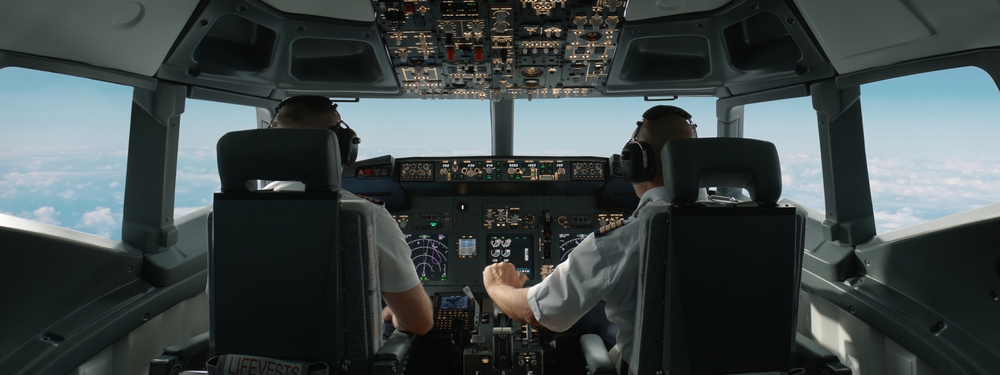
The qualifications of the two pilots have also emerged as part of the reporting surrounding the disaster. FAA records obtained by The U.S. Sun provide details about the certificates and aircraft qualifications held by Gregory and Filgueiras.
Gregory held an Airline Transport Pilot certificate issued on October 1, 2021. His qualifications included a Learjet 60 type rating without a pilot-in-command restriction for that aircraft.
Filgueiras held a Commercial Pilot certificate and also possessed a Learjet 60 type rating. However, her qualification included a pilot-in-command limitation, which is consistent with her reported role as co-pilot during Sunday’s flight.
The records provide further information about the crew operating the aircraft during the fatal journey. They also distinguish the qualifications held by the captain and co-pilot, although they do not establish anything about the cause of the accident.
Filgueiras had already accumulated considerable flying experience despite her young age. According to her family, she had logged more than 1,300 hours of flight time before the crash.
She earned her private pilot’s licence at just 17 years old while still attending high school. Her interest in aviation developed early, and she began flight training in 2020.
Her father also played a role in her introduction to flying. He had pursued aviation as a hobby after taking up flying in 2018, giving the family a personal connection to the activity.
Her achievements at such a young age have become an important part of the coverage following her death. However, the available reports do not confirm whether she was the female pilot heard in the May recording.
That uncertainty remains important as the earlier incident receives renewed attention. Identifying the pilots involved in that flight would help establish more about who was operating the aircraft during its previous encounter with severe turbulence.
Earlier Turbulence Recording Adds Another Question To The Investigation
The resurfaced audio has placed the Learjet’s earlier encounter with severe turbulence back in the spotlight. Months before the fatal Florida disaster, a controller reportedly challenged the crew after they described turbulence as moderate despite being unable to maintain altitude.
The aircraft’s matching registration number confirms that the same Learjet was involved in both incidents. However, the available evidence does not establish a direct connection between the May encounter and the November crash.
Investigators are now examining the final flight through weather information, aircraft evidence, air traffic control communications and flight-recording equipment. The possible breakup before impact is another significant detail that officials will need to understand.
For now, the earlier recording remains an important part of the aircraft’s reported history, while the cause of the disaster remains undetermined. The NTSB investigation will ultimately need to establish why a flight carrying nine people toward the Bahamas ended in tragedy just moments after the crew requested a change in altitude.